REVIEW · FLORENCE
Tuscan Pasta Masterclass Small-Group Cooking Experience
Book on Viator →Operated by Chef Vary · Bookable on Viator
Pasta gets serious when it is yours. In Florence, this small-group masterclass puts you in a modern professional kitchen to make pasta from scratch and eat what you cook, with an English-speaking chef guiding the whole flow. You start by talking through your menu choice, then move straight into technique: cutting, cleaning, cooking, and kneading.
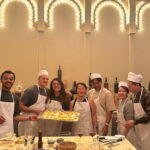
What I like most is the pace and hands-on feel. You are not just watching a demo. You work at your own station using fun, specific tools, and you learn why the dough behaves the way it does. I also really like the tight group size, max 12, because it keeps the room friendly and lets the chef step in when you need a nudge.
One thing to consider: the class has strict dietary limits listed for gluten-free, egg-free, cheese-free, and lactose-free, and the rule set also blocks anyone under 16. If you fall into those categories, double-check before booking so you are not disappointed.
In This Review
- Quick hits before you go
- Getting To Via Romana 41r Near St Trinity Bridge
- The Welcome Moment: Choosing Your Tuscan Menu Right Away
- Pro Tools, Real Workstations, and What Hands-On Actually Means
- Pasta Techniques You Can Use Again at Home
- The Menu Experience: What You Might Cook and Why Each Choice Works
- Pici: A Siena-Style Skill Check
- Ravioli with Potatoes and Other Fillings
- Pappardelle and the Sauce Lesson
- Florentine Gnudi: No Potatoes, Just the Right Feel
- Tagliatelle with Chickpeas and Crepes with Ricotta
- The Chef Factor: English Instruction and a Food-Evolution Brain
- The Sit-Down Meal and Wine Pairing at the End
- Time, Group Size, and Why This Class Fits Busy Florence Days
- Who This Class Is Best For (And Who Should Skip)
- Should You Book This Tuscan Pasta Masterclass in Florence?
- FAQ
- Is this cooking class in English?
- How long is the Tuscan pasta masterclass?
- What food will I cook and eat during the class?
- Is the group size small?
- Is wine included?
- Are there age or dietary restrictions?
Quick hits before you go
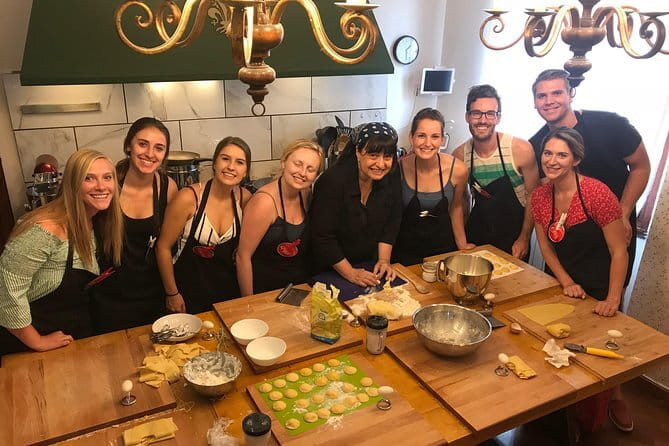
- Modern, professional kitchen with state-of-the-art tools, set up for hands-on cooking
- Choose your menu with the chef soon after you arrive, so the class feels tailored
- You actually make the pasta (dough, rolling/cutting/shaping), not just prep ingredients
- Tuscan variety on the menu: pici, ravioli, pappardelle, gnudi, tagliatelle with chickpeas, and more
- Lunch + sit-down meal at the end, paired with included wine
- Small group (max 12) so you get real attention without the crowd energy
Getting To Via Romana 41r Near St Trinity Bridge
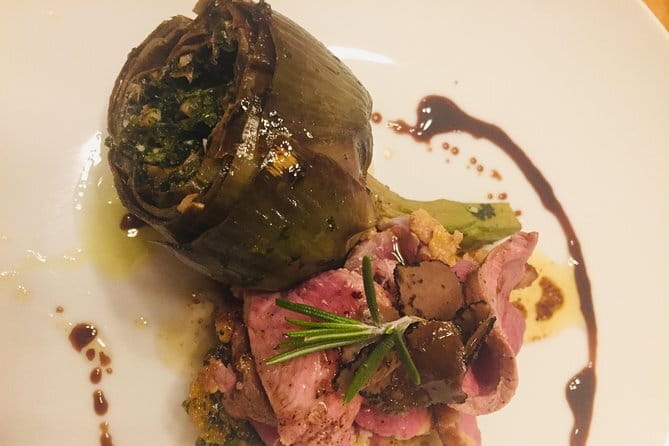
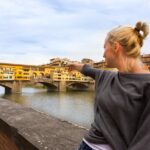
This experience starts at Via Romana, 41r, in Florence. You are not going to trek across the city. The location is a short walk from Florence’s St Trinity Bridge, which makes timing easy if you are already sightseeing in the center.
From a practical standpoint, a cooking class works best when you can arrive calm and unhurried. Plan to give yourself a few minutes to settle in, find the exact entrance, and get oriented before you meet your chef. The class is set up for a smooth start, and once everyone is in, you begin deciding on your menu right away.
Also, this is a mobile ticket. That matters because Florence is all about walking and last-minute schedule juggling. Having your ticket ready on your phone keeps you from digging through paperwork when you are trying to meet the group on time.
You can also read our reviews of more tours and experiences in Florence.
- Tuscany Day Trip from Florence: Siena, San Gimignano, Pisa and Lunch at a Winery
★ 5.0 · 21,634 reviews
The Welcome Moment: Choosing Your Tuscan Menu Right Away
The chef does not waste time. As soon as you are in the kitchen, you begin deciding on the menu you will cook. That early choice is more than a fun detail. It helps the chef pace the class around the recipes you want and keeps the work feeling relevant instead of generic.
From the menu options provided, you can expect classics and regional variations rather than trendy “fusion” cooking. You might see dishes like:
- Pici (Siena-style thick spaghetti)
- Ravioli with potatoes
- Pappardelle with options that can include tomatoes, local pesto, garlic and cheese, pancetta and leek
- Gnudi (Florentine-style ricotta and spinach dumplings, not made with potatoes)
- Ravioli with cacao (listed as very old recipes)
- Tagliatelle with chickpeas
- Crepes with spinach and ricotta
Even if you do not know what you want, this format still helps you. You get to see what the kitchen can support and what ingredients are ready. Then the chef turns that decision into a clear plan for the hands-on portion.
Pro Tools, Real Workstations, and What Hands-On Actually Means
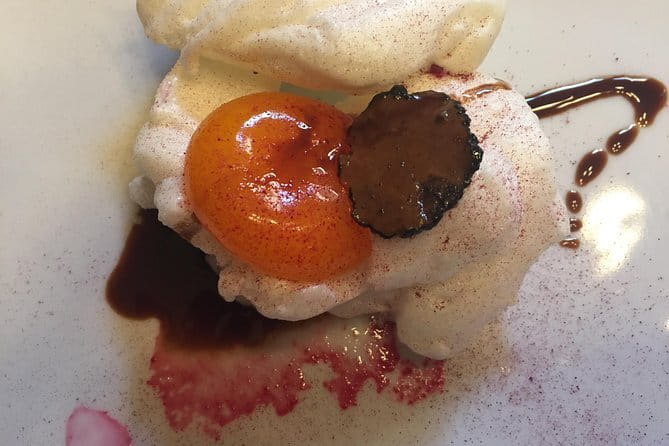
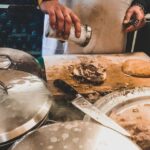
This is the kind of class where the kitchen feels designed for learning. The instruction focuses on technique and process: prepare, cut, clean, cook, and knead. You will use the state-of-the-art setup rather than “kitchen theater.”
Two practical things matter here:
- You work at your own personal workstation.
- You learn with tools that make the steps easier and more consistent.
In past classes like this, a common letdown is being stuck on one small task while the chef does the rest. Here, the setup is built to keep you involved throughout. You will mix and knead dough, roll it, shape it, and participate in making the components for the sauces and fillings.
If you are the type who wants to go home with something more than recipes—like muscle memory and a sense of what the dough should feel like—this class is aimed at you. The chef also speaks English, which keeps the learning focused instead of translated.
Pasta Techniques You Can Use Again at Home
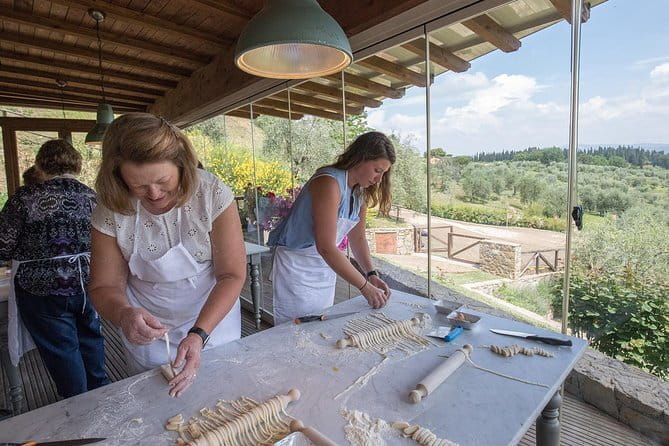
The heart of the class is making pasta from scratch. That means you get practice with the basics, not just the final plated dish.
You can expect to work through the stages that matter:
- Dough preparation and the feel of the mixture
- Kneading so the dough becomes smooth and elastic
- Rolling and shaping so pasta cooks evenly
- Filling and forming for items like ravioli
One of the most useful parts is understanding how technique changes results. When the dough is right, it behaves differently while rolling. When you shape well, the pasta cooks with better texture. And when your filling and sauce match, the bite makes sense.
In real home cooking, those are the skills you want. Anyone can follow a short recipe card once. But technique lets you improvise later, especially if you want to swap herbs, change fillings, or adapt to what you find at a Florentine market.
The Menu Experience: What You Might Cook and Why Each Choice Works
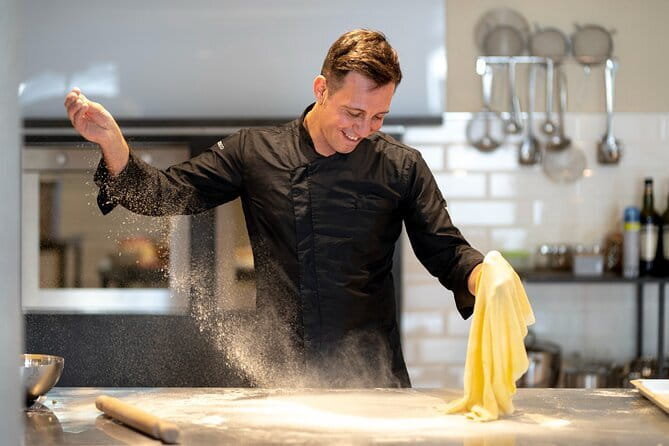
Because you pick the menu with the chef, your exact lineup can vary by group and timing. Still, the menu options give a good picture of the teaching strategy: you are likely to touch multiple pasta styles and multiple Tuscan sauce directions.
- The Best tour in Florence: Renaissance & Medici Tales – guided by a STORYTELLER
★ 5.0 · 12,316 reviews

Pici: A Siena-Style Skill Check
Pici is listed as a main. It is thick, rustic, and made for learning dough handling and shaping. It is also a great anchor for Tuscan flavors because it pairs well with simple sauces that taste deep rather than fancy.
Ravioli with Potatoes and Other Fillings
Ravioli show up as another main option, including ravioli stuffed with potatoes. Ravioli is where your patience pays off. You have to get portions right and seal properly, or you lose the filling when it cooks.
You might also see ravioli with cacao, listed as very old recipes. That option is unusual in a way that makes the class memorable. If you love food history and local oddities, this is the kind of menu twist that sparks conversation without turning into a gimmick.
Pappardelle and the Sauce Lesson
Pappardelle offers multiple sauce directions: tomatoes, local pesto, garlic and cheese, pancetta and leek. Pappardelle is a wide ribbon pasta that holds onto sauce well, so it is excellent for learning how sauce texture and pasta shape work together.
This is one reason the class is valuable. You are not just making pasta; you are learning why one pairing makes the meal taste balanced instead of heavy.
Florentine Gnudi: No Potatoes, Just the Right Feel
Gnudi are listed as traditional Florentine gnocchi made with ricotta and spinach, and importantly, not made with potatoes. That matters because it changes texture expectations. If you go into it thinking it will taste like potato-based gnocchi, you might be surprised—in a good way.
If you like learning how regional names can be confusing, gnudi are a great example.
Tagliatelle with Chickpeas and Crepes with Ricotta
Tagliatelle with chickpeas and crepes with spinach and ricotta broaden the class beyond just one pasta family. They also show you how Tuscan cooking can lean on comforting ingredients rather than complicated techniques.
Even when sauces are partly handled by the chef, you still get involved with ingredients and mixing at your station. That makes it easier to recreate later.
The Chef Factor: English Instruction and a Food-Evolution Brain
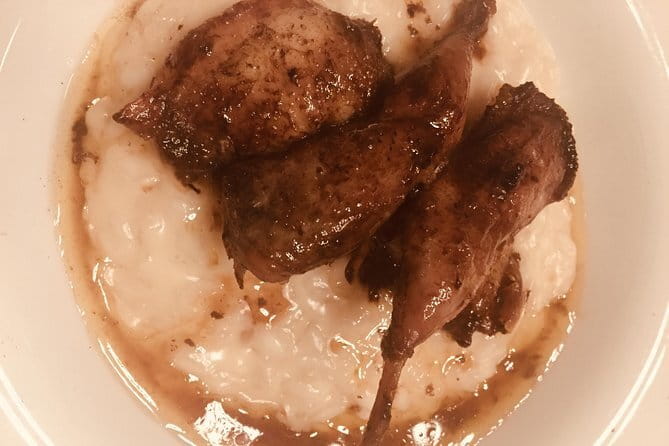
The chef leading the class is listed as Chef Vary. The class description also notes that the chef is an archaeologist with a PhD in evolution of food. That tells you the teaching style: technique matters, but so does why people cooked this way and how ingredients shaped the culture.
In other words, you should expect explanations that connect food choices to real outcomes. You learn what to do and why it works. That’s the difference between a class that just gives you a dinner and a class that gives you a skill.
One more note for your comfort: the teaching voice may be direct. That can be energizing if you like clear instructions. If you are very sensitive to blunt humor or firm delivery, it might not be your favorite style.
The Sit-Down Meal and Wine Pairing at the End
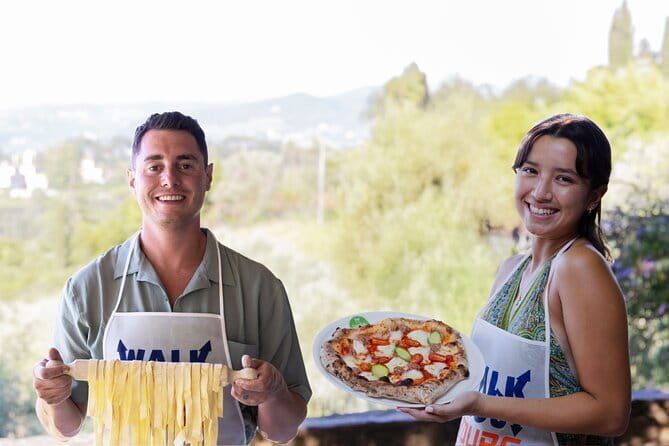
After the work, you sit down and eat what you made. This part matters more than people think. Cooking classes can feel tiring if you stand around for hours. Here, the meal is built in as a finish line, so you get to taste the results while it is at its best.
Wine is included: 2 glasses for guests and 1 bottle for 4 guests. Extra wine can be bought with a discount at their wine store. That pairing is part of the Tuscan mood: simple food, focused technique, and time to talk with your table about what you just made.
If you are picky about wine style, it is worth knowing that the class includes alcohol as listed, and some people have noted red wine being served. If you are hoping for specific varietals like white, you might want to ask in advance.
Time, Group Size, and Why This Class Fits Busy Florence Days
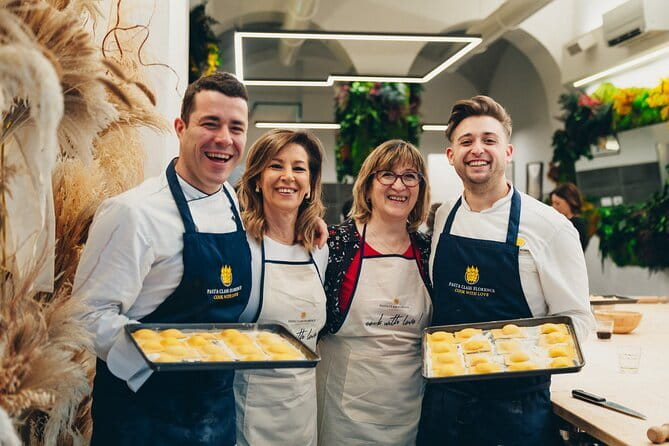
The duration is about 2 hours 30 minutes. That is a sweet spot. Long enough to learn real technique, short enough to keep your afternoon or evening flexible.
The group max is 12 travelers, which keeps the kitchen manageable. With a class this size, you should feel like you are part of the workflow, not a spectator.
Pricing is listed at $156.20 per person. In Florence, that is not the cheapest option, but it often lands in the fair-value zone because you get:
- a hands-on class in a professional setup
- you eat a meal you helped make
- wine is included
- English instruction
- time with a chef who explains technique and food context
If you compare this to buying ingredients and trying to learn pasta technique alone, the cost starts to look more reasonable. You are paying for coaching, equipment, and a guided experience.
One scheduling tip: this is on average booked about 73 days in advance. If you want a specific day, earlier tends to be smarter.
Who This Class Is Best For (And Who Should Skip)
This masterclass is ideal if you want an authentic Tuscan cooking experience without the stress of figuring out technique alone.
It works well for:
- Couples who want a shared project with a social meal finish
- Beginners who want structure and real steps, not vague tips
- Intermediate home cooks who want to tighten technique and learn why pasta behaves the way it does
- Anyone who likes practical learning with a chef rather than a lecture
It may not be ideal if:
- you need gluten-free, egg-free, cheese-free, or lactose-free options, since the class data lists these as not allowed
- anyone in your group is under 16
- you prefer a very gentle teaching style and might not like blunt, humorous delivery
Should You Book This Tuscan Pasta Masterclass in Florence?
I would book it if you want a hands-on Florence experience that feels practical, tasty, and grounded in real technique. The biggest strength is that you cook at your station with tools designed for the job, then you eat what you made with wine. That combination is hard to beat for the time.
Book it especially if you want to leave Florence with more than photos and a list of restaurants. You want the feel of dough, the logic of shaping, and the confidence to make ravioli-style work at home.
Skip it (or at least contact the provider first) if dietary needs include gluten-free, egg-free, cheese-free, or lactose-free. And if you dislike direct humor in teaching, know the chef style may not match your vibe.
FAQ
Is this cooking class in English?
Yes. The experience is offered in English, so you can follow the technique steps and explanations without translation.
How long is the Tuscan pasta masterclass?
The class runs about 2 hours 30 minutes (approx.).
What food will I cook and eat during the class?
You’ll cook authentic Tuscan pasta dishes from scratch and then eat your creations at a sit-down meal. The menu options can include items like pici, ravioli, pappardelle, gnudi, and others, based on what you choose with the chef.
Is the group size small?
Yes. The class has a maximum of 12 travelers, which helps keep the experience hands-on.
Is wine included?
Yes. Alcoholic beverages include 2 glasses for guests and 1 bottle for 4 guests. Extra wine can be purchased with a discount at the wine store.
Are there age or dietary restrictions?
There is an age limit: no minors under 16. The class also lists restrictions and states that gluten-free, egg-free, cheese-free, and lactose-free are not allowed.
You Might Also Enjoy

More Tour Reviews in Florence
- Tuscany Day Trip from Florence: Siena, San Gimignano, Pisa and Lunch at a Winery
★ 5.0 · 21,634 reviews - The Best tour in Florence: Renaissance & Medici Tales – guided by a STORYTELLER
★ 5.0 · 12,316 reviews