REVIEW · FLORENCE
Florence: David’s Accademia timed Ticket with Audio APP
Book on GetYourGuide →Operated by Nicom Tours · Bookable on GetYourGuide
David draws crowds, but your ticket helps. With timed entry and a separate entrance, you can get inside faster, and the POP GUIDE audio app keeps things moving at your pace. One caution: even with priority access, you may still hit extended waiting times due to the gallery’s organization, and security can shift entry by 15–20 minutes on busy days.
I like that this visit is built around “see the work, then understand how it was made.” You’ll start with Michelangelo’s David, then you’ll also get a look at other sculptural pieces that reveal the artist’s unfinished process. The museum is big enough that you’ll want to plan your route, but the audio guide structure helps you stay oriented.
What you’re really buying is time and clarity in Florence’s most famous sculpture stop. If you hate lining up, and you want a self-guided visit with the option to pause when a detail grabs you, this is a strong way to do the Accademia in about a day.
In This Review
- Key points to know before you go
- Skip the Ticket Line With Timed Entry Into the Accademia
- Where to Meet Nicom Tours on Via Ricasoli
- David First: How the Main Hall Sets the Tone
- Gipsoteca Plaster Models: See Sculpture Before It’s Marble
- Medici Musical Instruments With Stradivarius: A Left Turn Worth Taking
- Painting Galleries and Medieval Altarpieces on the Top Floor
- The Audio Guide App: How to Use POP GUIDE Without a Live Host
- Price and Value: Is $38 a Good Deal for the Accademia?
- Who This Timed Accademia Ticket Fits Best
- A Few Things to Plan For Before You Arrive
- Should You Book This Accademia David Timed Ticket?
- FAQ
- What’s included with this Accademia ticket?
- Do I need my own headset?
- Where do I meet the host to get the ticket?
- Can I skip the ticket office line?
- How much time should I plan for?
- Will entry always be on time?
- Are large bags, luggage, or pets allowed?
Key points to know before you go
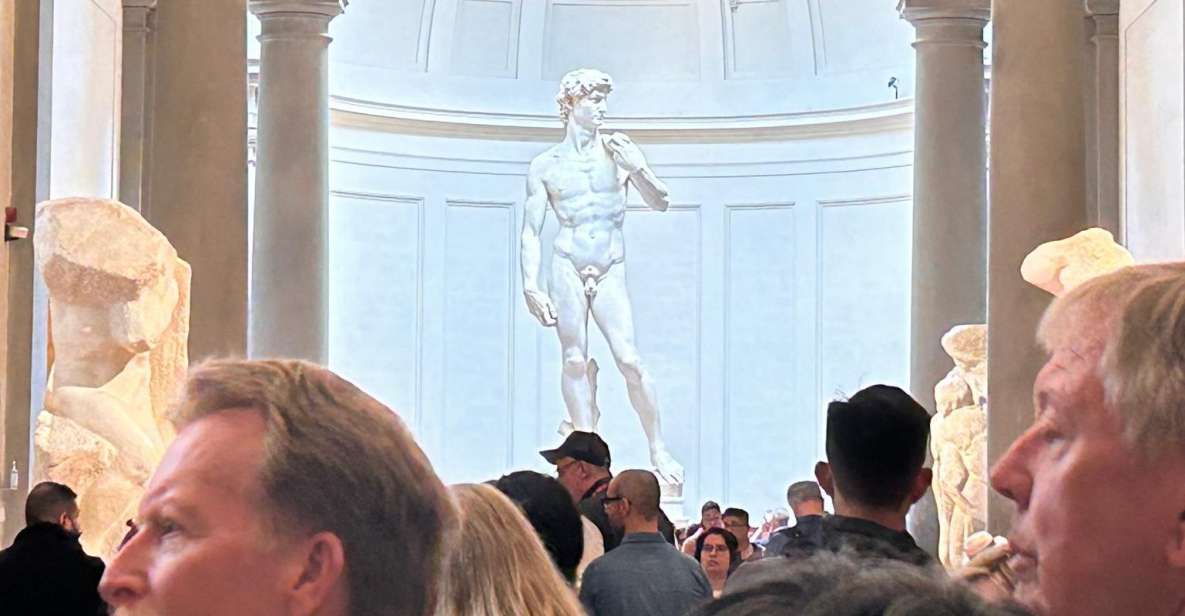
- Timed entry via a separate entrance helps you bypass the ticket office queue
- POP GUIDE audio app (plus your own headset) means no need for a live guide
- David in the main hall is only the start—you’ll see related unfinished work too
- Gipsoteca plaster models show sculptors’ original working forms
- Medici musical instruments, including Stradivarius add a surprising arts-and-craft angle
- Top-floor medieval altarpieces give your visit a strong “period sweep” ending
Skip the Ticket Line With Timed Entry Into the Accademia
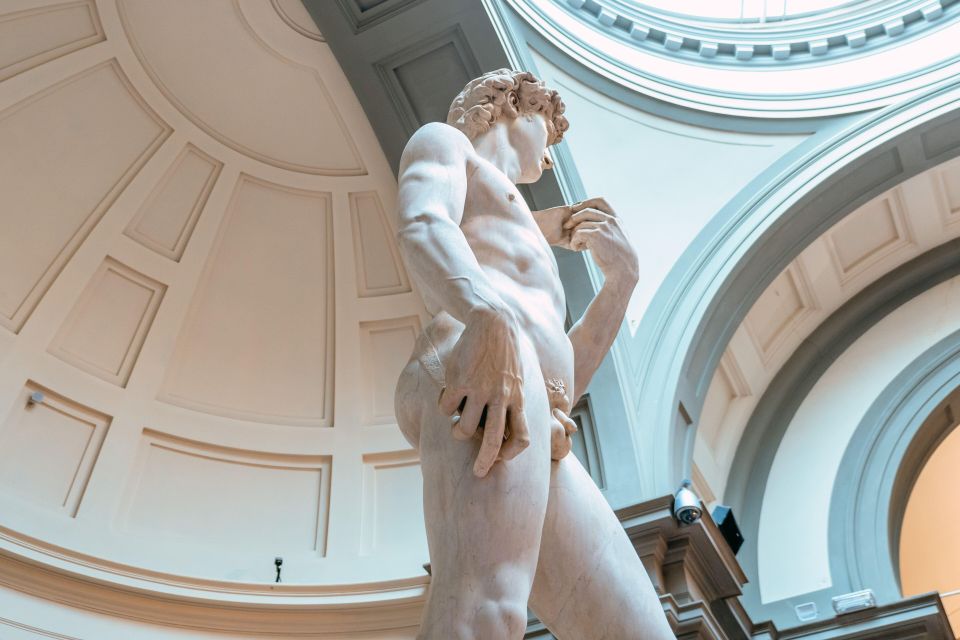
Accademia Gallery is famous for one reason: Michelangelo’s David. The problem is obvious. People arrive in waves, and you can end up spending a chunk of your trip standing around.
This ticket is designed to cut that downtime. Your entry is timed, and you enter through a separate entrance rather than the main ticket office line. In practical terms, that usually means more of your day goes to art, less to queue math.
Still, don’t assume it’s a magic wand. The gallery notes that there can be extended waiting times because of organizational issues, and security may postpone entry by about 15–20 minutes when there are many visitors. That’s the main drawback to plan for. If your schedule is tight (like a late train), build in a buffer.
The good news: once you’re inside, you’re not on a strict guided schedule. With the audio app, you can slow down for details, or move faster if you already know what you want to see.
You can also read our reviews of more tours and experiences in Florence
Where to Meet Nicom Tours on Via Ricasoli
Your day starts with a simple handoff. Meet your host and swap your GetYourGuide voucher for a physical ticket in front of the Carrefour express supermarket, Via Ricasoli 115. Look for the staff member holding a white flag with ENJOY ROME written on it, and check for the red number on the spot.
A couple of practical tips:
- Download the POP GUIDE app before you arrive, but don’t stress if you need a few minutes once you get there.
- Bring your own headset. The app is included, but your ears aren’t optional.
- This meeting point is very doable on foot once you’re in central Florence, but confirm it the day before so you don’t waste time searching.
All of this is English-hosted, and the experience is wheelchair accessible, though you’ll still want to avoid bringing anything bulky.
David First: How the Main Hall Sets the Tone
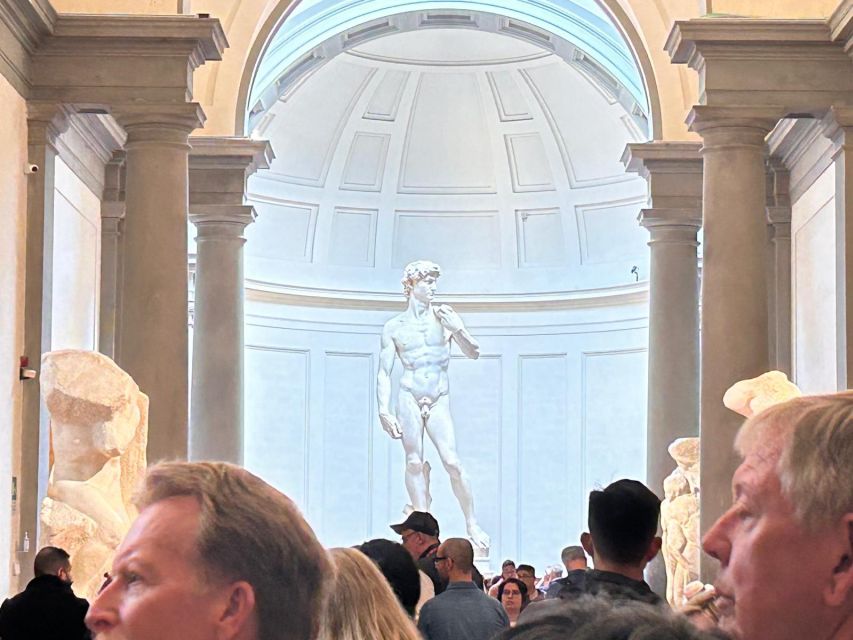
The Accademia experience works best when you go in with the right mindset. Don’t treat David like a quick photo stop. I like seeing it as a “final result” of a process you can partially track around it.
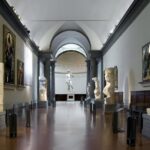
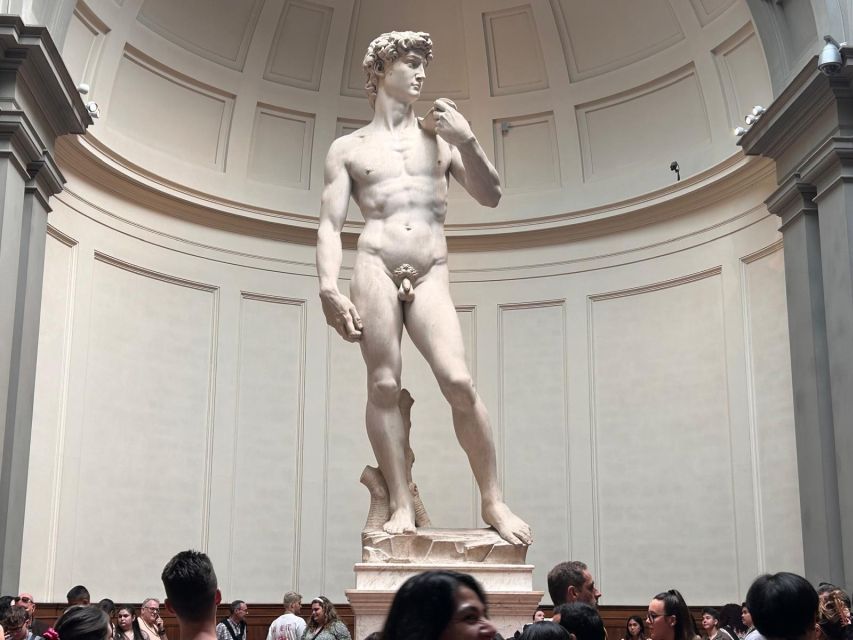
You’ll spend time in the main hall, where the statue of Michelangelo’s David dominates your field of view. Up close, the craftsmanship is the point: the proportions, the stance, and the details give you a sense of how a marble figure became something alive.
Then comes the part that makes the ticket feel more valuable than a basic one-sculpture visit: you’ll also see other incomplete artworks by Michelangelo. These pieces are the best reminder that great art often includes drafts. It’s one thing to know David is famous. It’s another to see work that shows the carving technique and the unfinished stages that lead toward mastery.
If you’re the kind of person who likes understanding how something is made, you’ll probably enjoy this sequencing. The gallery sets you up to appreciate not just the finished icon, but the craft behind it.
Gipsoteca Plaster Models: See Sculpture Before It’s Marble
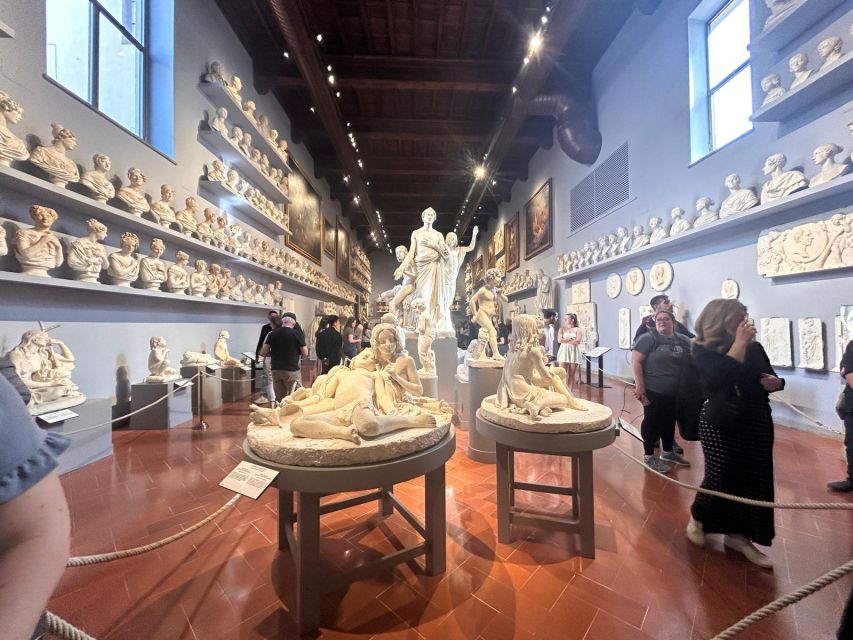
After David and the unfinished works, the museum shifts from “final masterpiece” to “working methods.” This is where the Gipsoteca comes in.
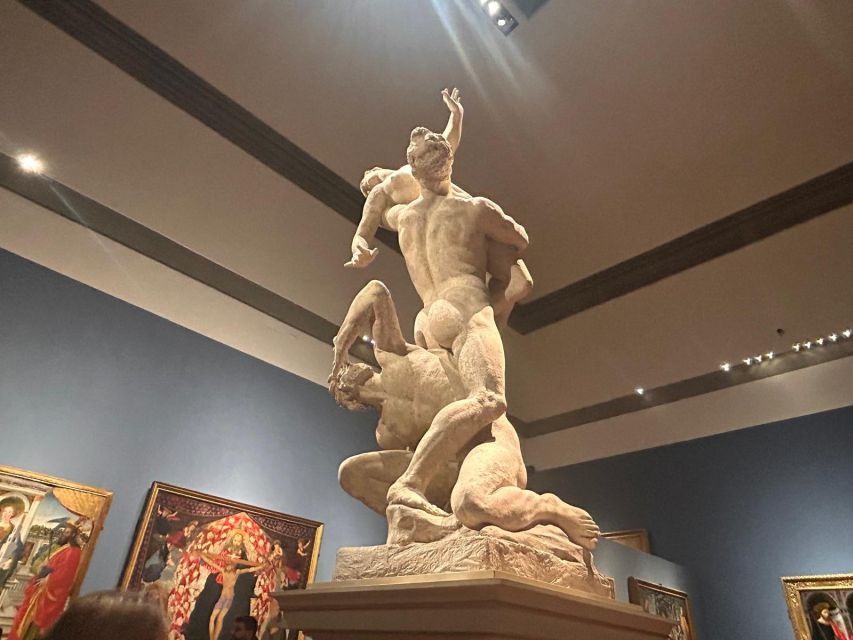
Here, you can find original plaster models by 19th-century Florentine sculptors. That matters because plaster is where form gets tested. Marble is the end product; plaster often tells the story of planning and adjustments. Standing in a room of these models gives you a clearer picture of the sculptor’s world—less myth, more technique.
It’s also a nice change of pace. If you’ve spent time staring upward at a giant figure, your eyes need a reset. Plaster models do that job fast, because the scale and surfaces are different. You’ll start noticing how artists translated proportions and surfaces from model to final form.
Medici Musical Instruments With Stradivarius: A Left Turn Worth Taking
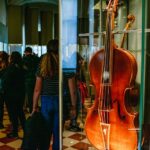
The Accademia isn’t only about sculpture. One of the more surprising parts of the visit is the collection of original musical instruments from the Medici collection, including three by Stradivarius.
That may sound like a curveball until you realize what it really is: another way Florence showed off craftsmanship. If you pay attention, the instruments connect to the same obsession you see in art—materials, precision, and the final “voilà” moment.
In a practical sense, this section also helps you break up the density of seeing sculptural masterpieces back-to-back. You get variety, and you can keep your brain engaged instead of burned out.
If you’re traveling with anyone who isn’t just into Renaissance sculpture, this Medici section is a good peace treaty.
You can also read our reviews of more tours and experiences in Florence

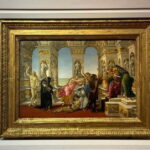

Painting Galleries and Medieval Altarpieces on the Top Floor
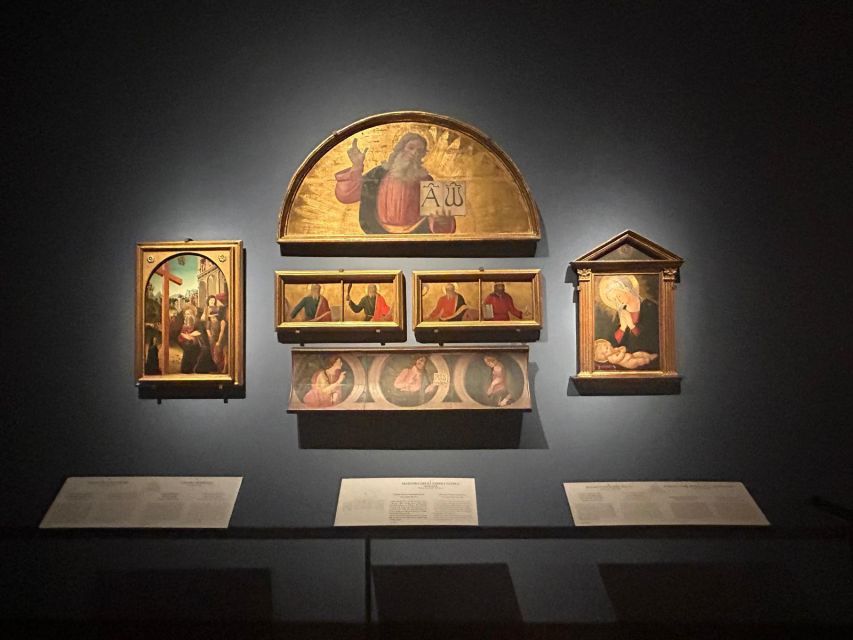
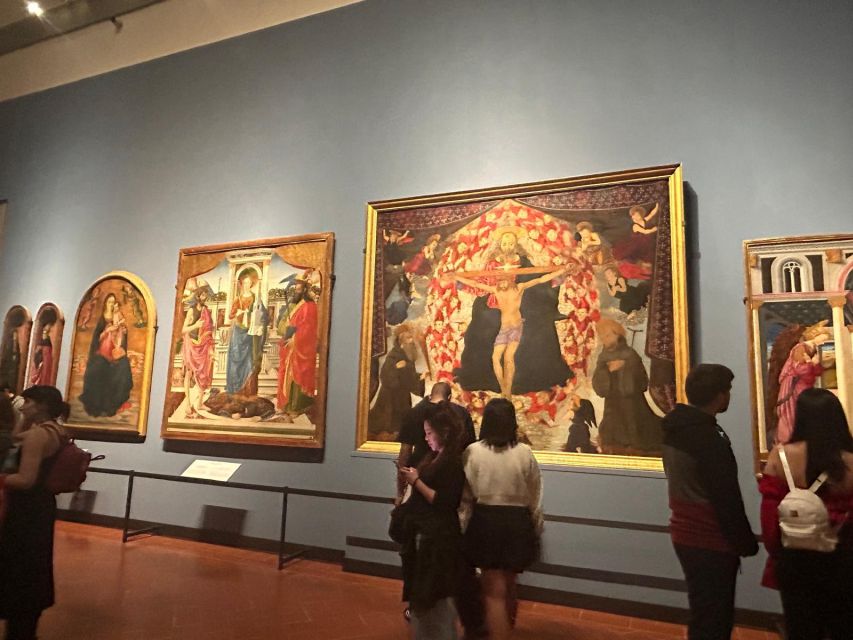
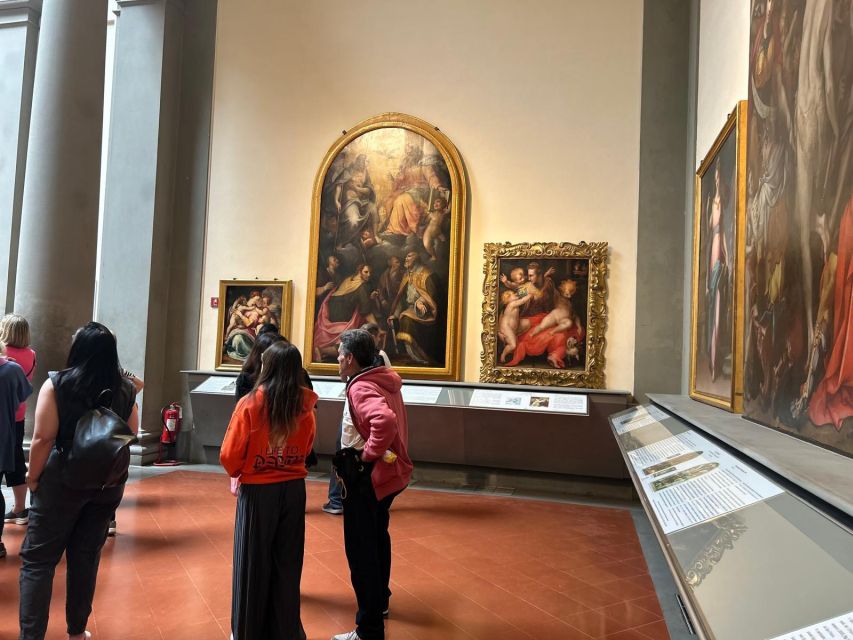
Once the sculpture thread finishes, the museum moves into painting galleries with medieval and Renaissance artists. This is where you get a broader sense of the artistic ecosystem around Michelangelo, instead of viewing him in a vacuum.
I like this part because it gives you contrast. Sculpture is about volume and space. Paintings add narrative, symbolism, and different kinds of detail. Even if you’re not a “museum painting person,” the change keeps the experience from turning into one long stare.
Then head to the top floor for Medieval altarpieces. These works tend to feel different in mood and style from the Renaissance pieces below, and that makes the ending more satisfying. You’re not just repeating the same look in new rooms—you’re closing with a shift in era, meaning, and artistic language.
If you’re short on time, don’t skip the top-floor stop. It’s one of the most practical ways to make your entry ticket feel complete.
The Audio Guide App: How to Use POP GUIDE Without a Live Host
This experience is self-guided with an audio guide app. There’s no live guide included, so the audio is your “presenter” for the day.
Here’s what you get:
- Access to the POP GUIDE audio guide app
- Download it ahead of time
- At the meeting point, staff provide login credentials
- Use your own headset for listening
This matters because the Accademia can be visually intense. You’re surrounded by famous works, but the “why” isn’t always obvious from a first glance. The audio helps you place things in context as you move through the rooms.
Practical listening tip: if it’s crowded, don’t try to stand in the middle of pathways while you listen. Step to the side, finish a segment, then walk to the next stop. You’ll both hear better and keep things smooth for other visitors.
And if you’re someone who likes to move fast, the app still works. You can hop between highlights and only slow down when a section grabs you.
Price and Value: Is $38 a Good Deal for the Accademia?
At $38 per person, you’re not just paying for museum entry. You’re paying for a setup that can save time and reduce stress.
Here’s the value equation I’d use:
- You get timed entry and a separate entrance, which can reduce your queue time.
- You get the audio guide app, so you’re not paying extra for a live guide.
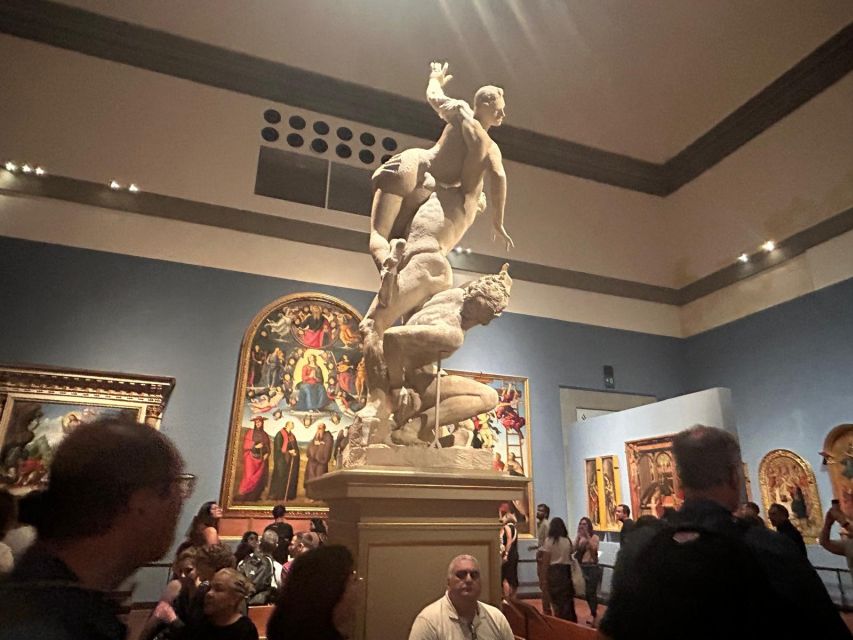
- The visit covers more than just David: unfinished works, the Gipsoteca, Medici instruments, painting galleries, and medieval altarpieces.
That combination is what makes the price feel fair. A basic ticket that only gets you into the building might still be worth it for some people, but the timed entry + audio system helps you make the visit feel organized instead of frantic.
Two reasons it’s not a perfect deal: the gallery can still have extended waiting times, and entry can be delayed 15–20 minutes during busy security periods. If you’re unlucky with timing, the “skip the line” benefit might shrink. But if you arrive ready to be flexible for a bit, you’ll still likely get a lot for your money.
Who This Timed Accademia Ticket Fits Best
I’d point you toward this experience if:
- You want David but also want more context than the quick photo version
- You prefer self-guided pacing with an audio layer
- You hate ticket-office lines and want a smoother start
- You enjoy craft details, like seeing incomplete works and plaster models
It’s also a decent match if you’re traveling with mixed interests. The Medici musical instruments and the painting sections help broaden appeal beyond “only sculpture.”
A Few Things to Plan For Before You Arrive
You’ll have an easier visit if you show up prepared:
- Bring headphones (required for the audio app experience).
- Don’t bring luggage or large bags. Those aren’t allowed.
- Pets aren’t allowed.
- If you’re using a discounted ticket for ages 6–17, you’ll need valid photo ID with a birth date.
You’ll also want to keep an eye on timing. If the day is busy, entry can be postponed for security reasons because the number of people inside is controlled. Build a small buffer into your plans so you don’t feel rushed.
Should You Book This Accademia David Timed Ticket?
Book it if you want the best chance of a smooth entry and you plan to use the audio guide. The timed entry + separate entrance is the backbone here, and the museum route gives you more than one famous sculpture moment.
Skip booking only if you’re completely fine with uncertainty around lines, or if you’re the type who prefers a strictly guided, live-host experience. This ticket gives you structure through timing and audio, not through a human lecturer.
If you’re trying to fit the Accademia into a Florence itinerary without wasting hours in lines, this is a practical way to do it. You’ll leave with David as the headline, and plaster models, instruments, and altarpieces as the reasons you feel you understood more than you expected.
FAQ
What’s included with this Accademia ticket?
You get an Accademia Gallery priority entry ticket and access to the Audio Guide APP (POP GUIDE). A live guide is not included.
Do I need my own headset?
Yes. You should bring your own headphones/headset for the audio app experience.
Where do I meet the host to get the ticket?
Meet in front of the Carrefour express supermarket at Via Ricasoli 115 (look for the red number). A staff member will be holding a white flag with ENJOY ROME written on it.
Can I skip the ticket office line?
Yes. Your timed entry ticket lets you access the gallery through a separate entrance to bypass the ticket office queue.
How much time should I plan for?
The activity is listed as lasting 1 day. Check availability for starting times.
Will entry always be on time?
Not necessarily. For security reasons, entry can be postponed by about 15–20 minutes when there are many visitors. The museum controls access by limiting the number inside.
Are large bags, luggage, or pets allowed?
No. Pets and luggage or large bags are not allowed.
You Might Also Enjoy




More Self-Guided Tours in Florence
More Tickets in Florence


More Tour Reviews in Florence
- Tuscany Day Trip from Florence: Siena, San Gimignano, Pisa and Lunch at a Winery
★ 5.0 · 21,634 reviews - The Best tour in Florence: Renaissance & Medici Tales – guided by a STORYTELLER
★ 5.0 · 12,316 reviews