Florence turns symbolic if you let it. This private visit to Santa Maria Novella is built around hidden meaning in famous art and architecture, with your guide turning visual details into stories you can actually follow. You start outside and work your way through the church and cloisters, guided by the question: what else is going on beyond the obvious?
I especially love two things. First, the route is tightly focused, starting with Leon Battista Alberti’s facade and then moving to major works inside like Masaccio’s Trinity and Giotto’s Crucifix. Second, Sonia Sànchez (an official guide specialized in hidden symbols in art) explains connections in clear, human language, not museum mumbo-jumbo.
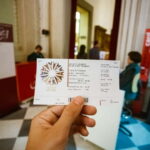
One possible drawback: the tour does not include the basilica/museum admission ticket. You’ll need to budget an extra €7.50 for adults (and €5 for ages 11–17) before you go inside.
In This Review
- Key highlights you’ll feel right away
- Why Santa Maria Novella works so well for hidden-symbol hunting
- Private tour with Sonia Sànchez: what that means in practice
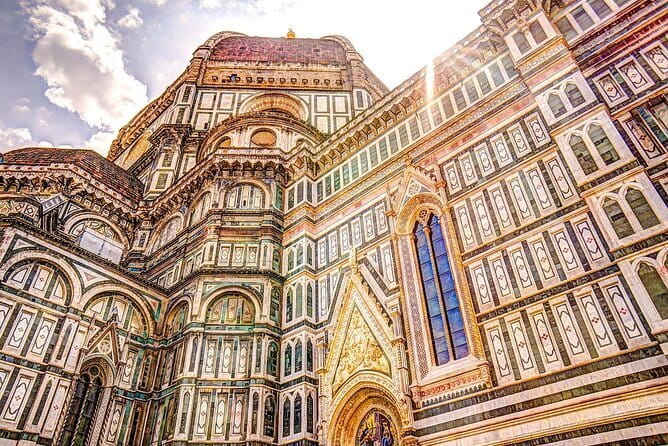
- Start outside: Alberti’s facade as your first clue
- Inside the church: Masaccio’s Trinity and Giotto’s Crucifix
- Chapels with strong identities: Strozzi and Tornabuoni
- The Spanish Chapel and the Green Cloister: when symbolism feels quieter
- The museum with Paolo Uccello frescoes: a focused ending
- Price and value: what $201.67 per group buys you
- Who should book this hidden-symbol tour
- Should you book Hidden Symbols in Santa Maria Novella?
- FAQ
- What is included in the Hidden Symbols in Santa Maria Novella tour?
- Is admission to Santa Maria Novella included in the price?
- How long is the tour?
- Where do we meet for the tour?
- Is this a private tour?
- Can I cancel and get a full refund?
Key highlights you’ll feel right away
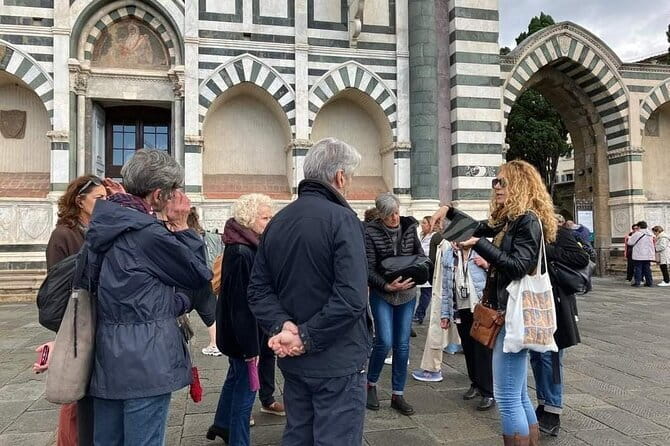
- A private, small-group format (up to 10): only your group participates, so questions don’t get swallowed by the crowd noise.
- Leon Battista Alberti on the facade: you begin with external clues before entering the church.
- Big-name masterpieces, explained through symbolism: Masaccio’s Trinity, Giotto’s Crucifix, and multiple decorated chapels.
- Strozzi and Tornabuoni chapels in one sweep: you’ll compare how family patronage shows up in the imagery.
- Green Cloister and the Spanish Chapel: calmer spaces that make the symbolism feel more personal.
- A museum stop with Paolo Uccello frescoes: a focused ending that keeps the “hidden” theme going.
Why Santa Maria Novella works so well for hidden-symbol hunting
Santa Maria Novella isn’t just another pretty church. It’s a place where art, architecture, and patron taste all overlap in ways that reward slow attention. That’s the whole point here: you’re not rushing through walls. You’re being trained to see. And in Florence, that changes everything.
The setting is also ideal for this type of tour because the building is both famous and complex. The facade by Leon Battista Alberti gives you an outside “text,” and the inside gives you pages upon pages: chapels, cloisters, and a museum area. When your guide keeps tying those spaces together, it stops feeling like a checklist and starts feeling like a guided reading.
This tour is especially good if you like the role that symbolism plays in Renaissance art. It’s not about spooky ghost stories. It’s about how artists and patrons used imagery to communicate ideas—faith, status, memory, and meaning—using signs that don’t always scream at you.
You can also read our reviews of more guided tours in Florence
- The Best tour in Florence: Renaissance & Medici Tales – guided by a STORYTELLER
★ 5.0 · 12,316 reviews
Private tour with Sonia Sànchez: what that means in practice
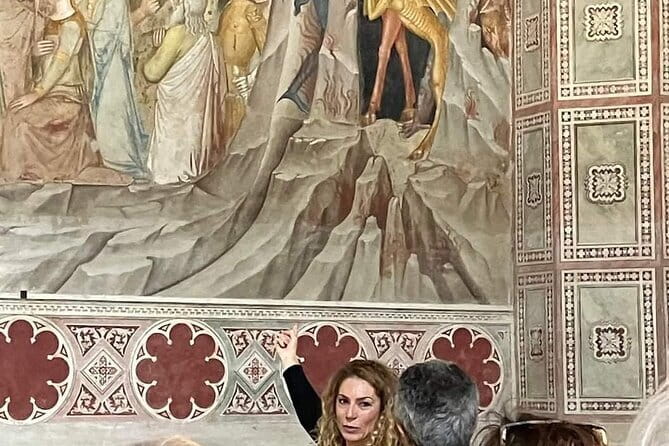
This is a private guided tour with Sonia Sànchez, an official guide specialized in hidden symbols in art. Your group size can be up to 10, and only your group participates. That matters more than it sounds, because symbolism questions are the kind that usually get asked mid-thought.
You can also expect a guide who is comfortable slowing down. In the feedback you’ll see consistent themes: people appreciated how clearly explanations land, how easily Sonia repeats or clarifies when something isn’t clicking, and how patient she is when you want a little space. If you’re the type who likes to pause and look again, this format is built for you.
Timing is another quiet advantage. The tour runs about 1 hour 30 minutes, starting at 3:30 pm at P.za di Santa Maria Novella, 18/A. That’s long enough to see multiple key spaces without dragging into full-day territory. You should come expecting walking inside, but not chaos.
Start outside: Alberti’s facade as your first clue
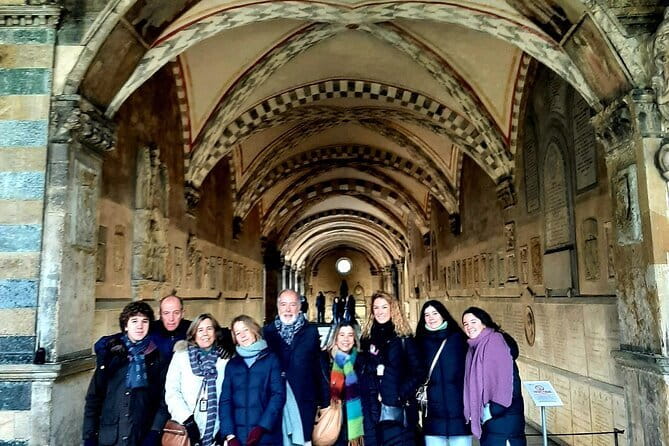
Most people approach Santa Maria Novella like an afterthought to the bigger headline sites. This tour flips that. You begin at the facade attributed to Leon Battista Alberti, which is a smart move because it sets the visual “grammar” for the visit.
Think of the facade like a cover page. Your guide points out how the exterior design connects to the idea of hidden meaning. Even if you don’t know Renaissance architecture terms, you’ll get the practical takeaway: look for patterns, relationships, and choices that weren’t accidental.
Why this start works: it prevents the classic inside-the-church problem where you feel like you’re bombarded with details. Starting with Alberti gives your brain a framework. You’ll be less likely to bounce from one chapel to another without a sense of what you’re actually trying to notice.
Potential consideration: if you’re expecting a purely inside-and-art-only tour, the exterior focus might feel like a warm-up. For this experience, it’s not filler. It’s the setup for everything that follows.
Inside the church: Masaccio’s Trinity and Giotto’s Crucifix
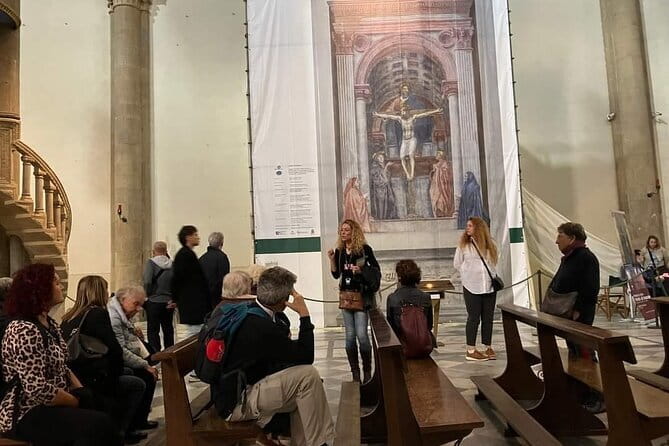
Once you step inside, the tour shifts from architectural reading to art reading. You’ll visit artworks including Masaccio’s Trinity and Giotto’s Crucifix, and you’ll learn how the guide connects them to the theme of hidden symbols.
Here’s what I think is most valuable about this part: you don’t just hear what the works are. You learn how to interpret what you’re seeing. That’s the difference between looking at a famous picture and understanding why symbolism would matter in that moment.
Masaccio’s Trinity is often the type of work that makes people stop in front of it for a long time. With the guide’s approach, that stop becomes more useful. You’re not staring blankly. You’re being nudged toward the specific visual cues that support the “meaning” angle.
Giotto’s Crucifix does a similar job. It pulls you into the emotional weight of the church interior, while the symbolic lens helps you go beyond just the mood. You’ll notice how the artwork’s presence in the space contributes to the message the church is communicating.
Potential drawback: if you already love art and already know your way around these works, you might want more time at each stop. The pace is designed for an overall thematic tour in 1.5 hours, so you’ll get concentrated guidance rather than hours of slow study.
Chapels with strong identities: Strozzi and Tornabuoni
After the standout paintings, the tour turns toward patronage and space—two things that Renaissance churches are absolutely full of. You’ll visit the Strozzi Chapel and the Tornabuoni Chapel, and the emphasis stays on how symbolism shows up through decoration and placement.
What makes chapel-hopping worth it on this tour is that you’re not just walking between rooms. Your guide connects the dots so the chapels feel like part of one story rather than separate stops.
The Strozzi Chapel is a great example of why a themed guide helps. Even if you recognize the name, it’s easy to miss how much meaning is built into the visual program. The guide’s specialization in hidden symbols is the reason you get more than a general description. You learn how to read the chapel as a statement—one that lives in imagery, arrangement, and recurring visual logic.
Tornabuoni Chapel works similarly. The symbolism approach helps you see patron taste as a language. You’re not only absorbing the art; you’re learning how the church environment amplifies it.
One more interesting element in the tour is that it also references the Strozzi Chapel in Mantua. You shouldn’t expect this to replace what you’re seeing in Florence, but it does add perspective. Your guide can use that comparison to show how similar patron ideas evolve across locations.
You can also read our reviews of more private tours in Florence


The Spanish Chapel and the Green Cloister: when symbolism feels quieter
This is where the tour becomes more than just big-name art. You’ll move through calmer spaces like the Green Cloister and visit the Spanish Chapel. These parts matter because hidden-symbol tours can get exhausting if every stop is high-energy and crowded.
Cloisters are helpful for a different reason: they naturally slow your brain. You get the chance to look at details without the immediate pressure of a packed main aisle. The guide can point out symbolism in an environment that feels more reflective.
The Spanish Chapel adds another layer. Even without turning this into a lecture on Spanish influence, the guide’s approach keeps it aligned with the tour theme: the idea that sacred spaces use visual cues to communicate. You’ll understand what to look for and why it might have mattered to the people who commissioned, designed, or used the chapel.
Potential consideration: if your tolerance for church interiors is low because they feel too “samey,” plan to lean on the guide’s prompts. The whole value here is that someone tells you what details to hunt for.
The museum with Paolo Uccello frescoes: a focused ending
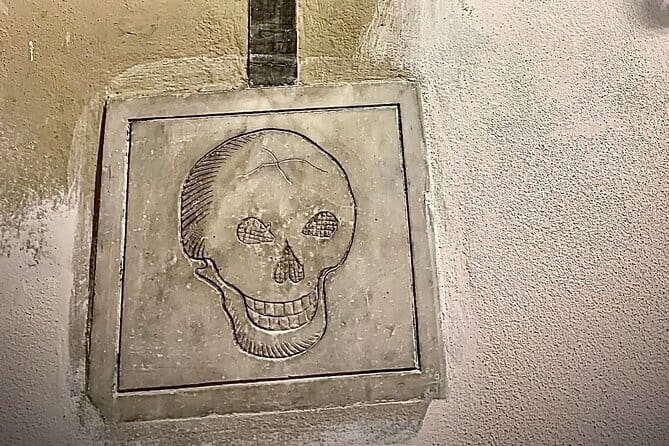
The tour wraps up with time in the museum with frescoes of Paolo Uccello. This is a strong way to end because it keeps the symbolism thread going while shifting to another medium. Fresco painting is close-up by nature, and Uccello’s presence brings a different flavor of Renaissance artistry into the mix.
I like museum endings on guided walks because you’re already looking at details by then. If you’ve been paying attention earlier—facade patterns, chapel cues, cloister atmosphere—you’ll be ready for what the museum section asks you to notice.
This final stop also gives you a sense of continuity. The church isn’t presented as a one-and-done building; it’s treated like an ecosystem of art and meaning.
Possible drawback: museum areas can vary in how crowded they are when you arrive. If you hate waiting, go in ready to use your guided attention to make the most of any slower moments.
Price and value: what $201.67 per group buys you
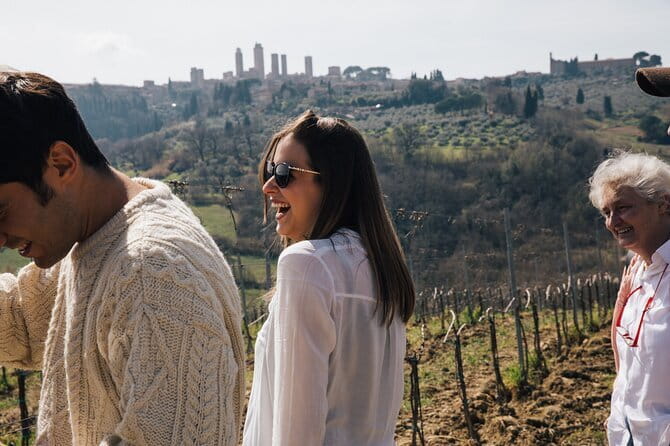
The price is $201.67 per group (up to 10) for a tour lasting about 1 hour 30 minutes. That’s not the cheapest way to see Santa Maria Novella, but it can be good value if you compare it to the cost of doing this type of visit without specialist guidance.
Here’s the value logic I’d use if I were planning your budget:
- You’re paying for a specialized official guide focused on hidden symbolism in art, not a generic walkthrough.
- The group rate means the cost can work out fairly well if you’re coming with friends or family.
- The duration is long enough to cover multiple major stops, including chapel interiors and a museum section, without turning into an all-day commitment.
The one extra cost to factor in: admission is not included. Adults pay €7.50, and ages 11–17 pay €5. Also plan time for entry, since you’ll want to be set before your guided portion starts in earnest.
If you’re traveling solo or as a couple, the price still may be worth it if symbolism is your interest. If you only want basic art descriptions, you could pay less elsewhere. But for this theme and this expert angle, the pricing makes sense.
Who should book this hidden-symbol tour
This tour is for you if:
- You like understanding what you’re seeing, not just seeing it.
- You want a guide who can explain meaning in simple, clear language and answer follow-up questions.
- You enjoy chapel interiors and art details, and you don’t mind spending time in religious spaces.
It’s also a good fit if you’ve been to Florence before and want something new. You’ll likely find this experience changes how you interpret familiar masterpieces because the tour keeps nudging you toward symbolism and visual logic.
If you’re the type who hates structured attention and prefers free wandering, this might feel too guided. The benefit here is the focus; the tradeoff is you won’t be totally off-script.
Should you book Hidden Symbols in Santa Maria Novella?
Yes, if your goal is to see Santa Maria Novella as a meaning-rich art site, not just a photo stop. The strongest reason to book is the combination of a specialist guide (Sonia Sànchez) and a route that moves from Alberti’s facade to major interior works, chapels, cloisters, and then ends with the museum section and Paolo Uccello frescoes.
I’d say skip it only if you want minimal talking, or if you’re not interested in symbolic interpretation. Also, plan for the extra admission cost since it’s separate.
If you want Florence to feel like more than a list of sights, this is a smart way to spend an afternoon.
FAQ
What is included in the Hidden Symbols in Santa Maria Novella tour?
The tour includes an official art historian guide specialized in hidden symbols in art.
Is admission to Santa Maria Novella included in the price?
No. Admission is not included. The ticket cost is listed as €7.50 for adults and €5 for ages 11 to 17.
How long is the tour?
The duration is approximately 1 hour 30 minutes.
Where do we meet for the tour?
You meet at P.za di Santa Maria Novella, 18/A, 50123 Firenze FI, Italy.
Is this a private tour?
Yes. It’s private, and only your group participates.
Can I cancel and get a full refund?
Yes. Cancellation is free up to 24 hours in advance for a full refund. If you cancel less than 24 hours before the start time, the amount paid is not refunded.
If you want, tell me your group size and whether you prefer Spanish or English explanations, and I’ll help you decide if the 1.5-hour timing and format fit your plan.
You Might Also Enjoy

More Guided Tours in Florence
- The Best tour in Florence: Renaissance & Medici Tales – guided by a STORYTELLER
★ 5.0 · 12,316 reviews
More Tours in Florence
- The Best tour in Florence: Renaissance & Medici Tales – guided by a STORYTELLER
★ 5.0 · 12,316 reviews

More Tour Reviews in Florence
- Tuscany Day Trip from Florence: Siena, San Gimignano, Pisa and Lunch at a Winery
★ 5.0 · 21,634 reviews - The Best tour in Florence: Renaissance & Medici Tales – guided by a STORYTELLER
★ 5.0 · 12,316 reviews