REVIEW · FLORENCE
Private Astronomical Tour of the Museo Galileo
Book on Viator →Bookable on Viator
Historic instruments and real questions.
Florence’s Museo Galileo is one of the easiest ways to feel the history of astronomy in your hands, not just in a book. This private tour pairs Fast Track entrance with a guide who can slow down or speed up based on your group, so you get time where you actually care. I love that it’s built around Galileo and the broader story of how humans learned to read the sky. One thing to consider: at about 1 hour 30 minutes, you’ll need to choose what captures you most, because you won’t see every single display in a deep, museum-after-hours way.
My favorite part is the way the tour is designed for focus. You get radios headsets, which means you can stand close to exhibits and still hear your guide clearly, even in a busier museum setting. I also like that the museum context is there from the start, including the fact that the collection traces back to the Medici era, when Cosimo I de’ Medici helped launch the scientific legacy in the 16th century.
The one practical drawback is simple: this is science-heavy. If your group wants casual sightseeing with minimal facts, you might find the museum takes more concentration than you expected. But if you like questions, instruments, and how ideas changed over time, this tour is a very good use of your Florence time.
In This Review
- Key highlights you can plan around
- Why the Museo Galileo works so well in Florence
- Fast Track entry, headsets, and private pacing: how it feels
- Stop 1: Museo Galileo and the Medici science roots you’ll hear
- Historic instruments in your line of sight: what you’re actually there to see
- Asking questions and lingering where your curiosity pulls you
- The 1 hour 30 minutes plan: what to do before you walk in
- Price and value: is $156.41 per person worth it?
- Who should book this tour (and who might skip it)
- Practical logistics in Florence: getting to your meeting point
- Should you book this Private Astronomical Tour of the Museo Galileo?
- FAQ
- How long is the private astronomical tour at Museo Galileo?
- What is the price per person?
- What’s included in the tour?
- Do I get admission included?
- Where do we meet for the tour?
- Is the ticket redemption point the same as the meeting point?
- Is food and drinks included?
- Is this tour private?
- How far in advance is this tour usually booked?
- What is the cancellation policy?
Key highlights you can plan around

- Private, just-your-group tour with full attention from your guide
- Fast Track entrance tickets so you spend more time inside the exhibits
- Radios headsets help you hear clearly while you’re looking closely at displays
- Historic astronomical instruments tied to Galileo and other scientists
- Customizable pace, so you can linger on the questions that matter to you
Why the Museo Galileo works so well in Florence
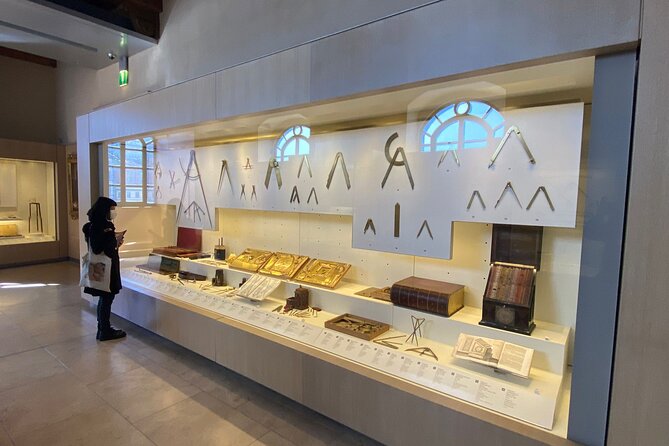
If you’re walking Florence like most people do, you’ll see art everywhere. This museum flips the script. At Museo Galileo, the main characters are not painters, they’re scientists and instrument makers. The tone is practical and physical: you look at tools people used, then you learn what those tools let them conclude.
That is exactly why I like this private format. Instead of rushing through rooms and hoping something clicks, you get a guide who can explain what you’re looking at in plain terms. And because the focus is astronomy and the development of cosmic understanding, it gives you a framework that connects Galileo’s era to the bigger questions that followed.
You also get a built-in “why this matters” from Florence itself. The museum’s scientific collection traces back to the Medici period, including the role of Cosimo I de’ Medici in the 16th century. Even if you don’t know much astronomy history, this background makes the displays feel less random and more like a long project carried out in a specific place.
You can also read our reviews of more private tours in Florence



Fast Track entry, headsets, and private pacing: how it feels
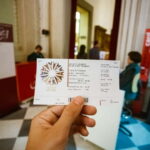
A lot of museum problems are time problems. You lose energy standing in lines, then you lose focus because you’re watching the clock. This experience handles that by including Fast Track entrance tickets, which is a real quality-of-life upgrade.
Then there’s the sound. The tour includes radios headsets, which may sound like a small detail until you’re standing near something important and you realize you can actually hear the guide clearly without leaning or interrupting people around you. It’s especially helpful with families or mixed-age groups, because everyone can stay engaged without playing the turn-taking game.
Most importantly, this is a private tour, so it’s not a scripted march. Your guide can adjust pace and focus to match your interests. If your group cares more about instruments and technique, you can spend more time on how the devices work. If your group is more interested in the ideas behind them, your guide can steer the conversation toward how scientific understanding evolved.
Stop 1: Museo Galileo and the Medici science roots you’ll hear
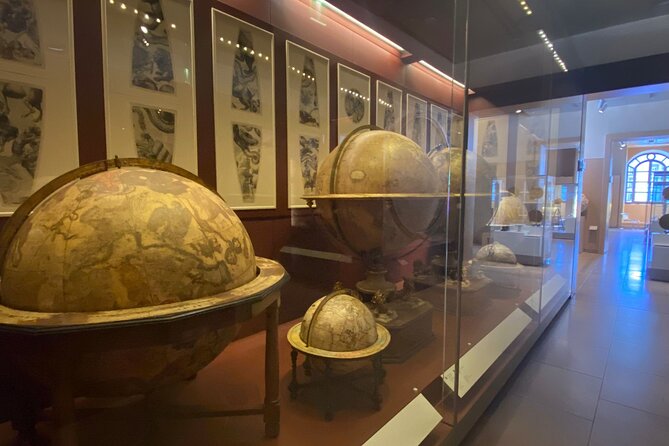
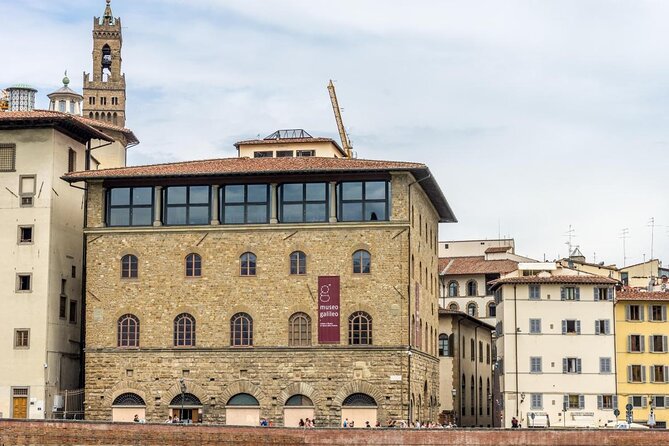
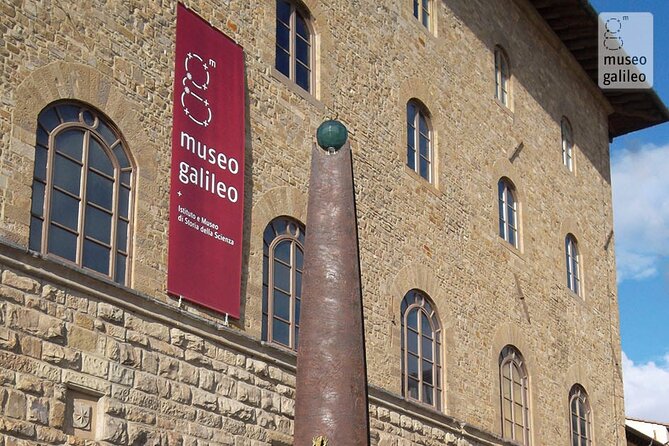
The whole itinerary is centered on one stop: Museo Galileo. That’s good news, because it keeps your attention where it belongs. You start at the museum with your private guide and spend about 1 hour 30 minutes inside the scientific exhibits with admission included.
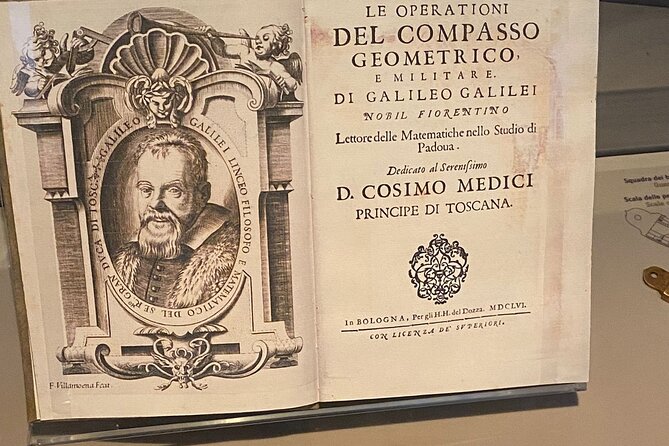
In the opening stretch, the guide frames the story. You’ll hear about a key Florentine figure tied to the museum and its namesake: Galileo, the mathematician and philosopher, and why Florence mattered for scientific thinking. The guide also brings in the bigger historical origin of the collection, including how Cosimo I de’ Medici helped set the stage in the 16th century.
Why this matters for you: once you have that context, the instruments stop being just cool objects. You start noticing the “why” behind them—what questions people were trying to answer, and what level of accuracy they could realistically achieve at the time. The tour doesn’t treat astronomy as a finished topic; it shows you it as a human process.
Historic instruments in your line of sight: what you’re actually there to see
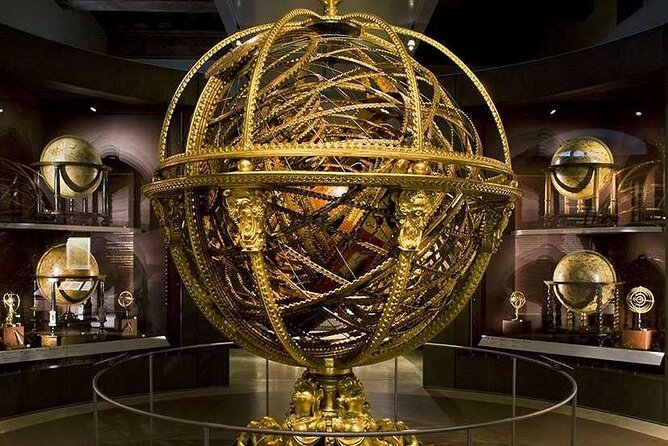
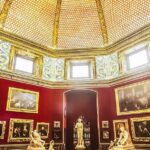
The main attraction here is the scientific collection: historic astronomical instruments used by Galileo and other scientists. When you’re looking at older tools, the details matter. You’re not just admiring design; you’re learning what these devices were built to measure and how that shaped conclusions.
A good private guide will point out what you might otherwise overlook: how an instrument helps refine observation, how measuring changes the argument, and why the ability to observe matters when new ideas are forming. This is the kind of museum where you’ll get more from asking questions than you would from reading labels at speed.
One helpful detail from experience-based feedback: there’s a real chance you’ll enjoy the museum with fewer crowds than some larger, more famous stops you might choose in Florence. That matters because these exhibits can reward slow looking. When you’re not fighting the flow of bodies, you can linger on the displays that catch your eye, and your guide can adapt to that interest instead of forcing a schedule.
Also, this isn’t just for adults. If you’re bringing a teen who likes science, this kind of museum tends to land well because it feels like a hands-on subject, even though you’re in a gallery. Your brain naturally wants to connect the instrument to a question.
Asking questions and lingering where your curiosity pulls you
This tour is set up to make questions part of the experience, not an afterthought. Your guide invites discussion, and you can focus on what interests your group most. That might mean staying longer with one instrument, or switching the angle from history to science explanation.
I like this structure because it works for different learning styles. Some people enjoy timelines and context. Others want the “how does this work” side. With a private guide, you’re not locked into one approach.
One guide name that’s come up with strong praise is Ivano. In the feedback you can see why he’s recommended: he’s described as someone who brings the history to life and ties it directly to what you’re seeing in the collection. When a guide can do that, the museum stops feeling like a lecture and turns into a guided conversation.
If your group is the type that asks lots of “why” questions, this tour is a good fit. If your group prefers quiet, you can still enjoy the exhibits, but the best value comes when you take advantage of the chance to ask things.
- The Best tour in Florence: Renaissance & Medici Tales – guided by a STORYTELLER
★ 5.0 · 12,316 reviews



The 1 hour 30 minutes plan: what to do before you walk in
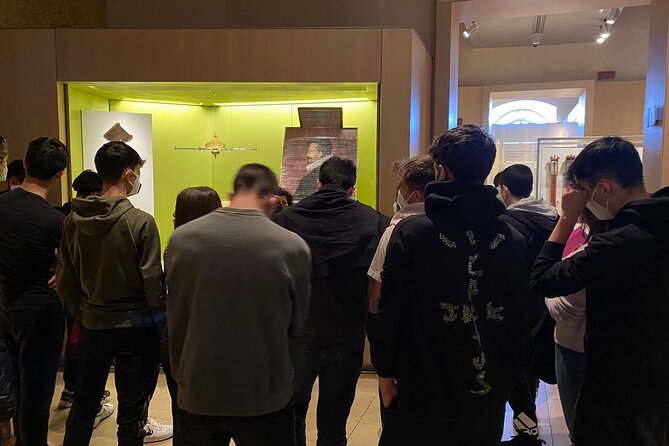
Because you only have about 90 minutes, you’ll get the most from the experience if you arrive with a little direction. You don’t need to study beforehand like a professor. Just pick what kind of astronomy history you care about.
Here are practical ways to set yourself up:
- If you’re astronomy-curious: think about questions like how telescopes changed observation, and what scientists could confirm before and after key advances.
- If you’re history-curious: think about how power, patronage, and culture influenced science—Florence is a strong place to connect those dots.
- If you’re traveling with mixed ages: decide in advance who gets the first “pick” of what to linger on. That prevents time stress later.
Once inside, trust the guide’s pacing. The radios headsets help, but you still need to manage your own attention. Stand back for a moment to take in the display, then move in for the details your guide points out.
Price and value: is $156.41 per person worth it?
At $156.41 per person, this private tour isn’t the cheapest way into a museum. But it is often worth it if you’re buying time, focus, and comfort—not just admission.
Here’s what you’re paying for, based on the included elements:
- Private tour guide (not shared)
- Fast Track entrance tickets (less waiting)
- Radios headsets (easier listening around exhibits)
- About 1 hour 30 minutes of guided attention
- Admission included
For many people, those trade-offs beat the cheaper option of self-guiding. Lines and crowd pressure cost you more energy than you think. A private guide also saves you from guessing which instruments matter most and how to interpret them without getting lost in labels.
You’ll also see that group discounts are available. If you’re traveling with friends or family, it can become better value fast.
One more factor: this tour is booked fairly ahead of time on average (about 27 days). That doesn’t mean it sells out instantly, but it does mean planning ahead helps you lock in the slot that fits your schedule.
Who should book this tour (and who might skip it)
This is a strong match for:
- Families with kids or teens who like science and questions
- Science enthusiasts who enjoy instruments and how observation changes ideas
- People who want a Florence activity that isn’t only art and architecture
It may be less satisfying if:
- Your group prefers minimal explanation and lots of casual roaming
- You only have a tiny window and can’t spare 90 minutes in a museum setting
- You want a hands-on workshop. (This is guided museum time with instruments, not a lab experience.)
If you’re unsure, think about how you react to museum labels. If you actually read them (or you like asking questions), this tour will feel worth it.
Practical logistics in Florence: getting to your meeting point
You’ll meet at City Florence Tours, Via dei Castellani 18 rosso, 50122 Firenze FI, Italy. The ticket redemption point is the same location, so you’re not bouncing between spots.
The meeting point is listed as near public transportation, which helps if you’re using buses or trams around central Florence. Since the museum visit is time-based, give yourself a few minutes buffer so you start the tour calmly, not late and frazzled.
Should you book this Private Astronomical Tour of the Museo Galileo?
I’d book it if your goal is to understand what you’re seeing, not just to check a museum off your list. The combination of Fast Track entry, radios headsets, and a private guide makes the experience feel focused and comfortable. It’s also the kind of tour where the guide’s ability to bring the subject to life matters, and Ivano is specifically mentioned as an example of that kind of guiding.
You might skip it if your group wants a quick art-style “see everything at a glance” approach. The museum is science-based, and the time is tight. Still, even then, you can make it work by prioritizing what you care about most before you arrive.
Overall, this is a smart choice for travelers who want authentic museum time with real context—Florence’s way of understanding the cosmos, through instruments that once helped people make sense of the sky.
FAQ
How long is the private astronomical tour at Museo Galileo?
The tour lasts about 1 hour 30 minutes.
What is the price per person?
The price is listed as $156.41 per person.
What’s included in the tour?
Included items are Fast Track entrance tickets, a tour guide, radios headsets, and the private tour guide.
Do I get admission included?
Yes. Admission Ticket Included is part of the experience.
Where do we meet for the tour?
You meet at City Florence Tours, Via dei Castellani 18 rosso, 50122 Firenze FI, Italy.
Is the ticket redemption point the same as the meeting point?
Yes. The City Florence Tours address is listed as both the meeting point and the ticket redemption point.
Is food and drinks included?
No. Food & Drinks are not included.
Is this tour private?
Yes. It’s a private tour/activity, and only your group participates.
How far in advance is this tour usually booked?
On average, it’s booked about 27 days in advance.
What is the cancellation policy?
You can cancel for a full refund up to 24 hours before the experience starts. Canceling less than 24 hours before the start time does not get a refund.
You Might Also Enjoy


More Private Tours in Florence


More Tours in Florence
- The Best tour in Florence: Renaissance & Medici Tales – guided by a STORYTELLER
★ 5.0 · 12,316 reviews


More Tour Reviews in Florence
- Tuscany Day Trip from Florence: Siena, San Gimignano, Pisa and Lunch at a Winery
★ 5.0 · 21,634 reviews - The Best tour in Florence: Renaissance & Medici Tales – guided by a STORYTELLER
★ 5.0 · 12,316 reviews