REVIEW · FLORENCE
LGBTQ + friendly Renaissance Gay life in Florence tour
Book on Viator →Operated by Mila Lavorini · Bookable on Viator
Florence has a queer map. This LGBTQ+ friendly Renaissance Gay life tour traces it through medieval laws, court stories, and real city corners you can still stand on today.
I love the small-group feel (max 10) because you can ask questions without feeling shoved along, and I like the included headsets that keep the guide’s voice clear during outdoor walking stretches. It’s also in English, with a mobile ticket, so you can show up and get started.
One consideration: the stories don’t sugarcoat history. You’ll hear about denunciations, penalties, and topics some people find intense, so if you want only light and romantic vibes, this won’t match that mood.
In This Review
- Key Takeaways Before You Go
- Why Renaissance Florence Has a Queer Side
- Price and Time: A Focused 2-Hour Walk
- Where You Meet (and Why It Matters)
- Small-Group Atmosphere with Mila Lavorini
- The Route Through Queer Renaissance Florence: What Each Stop Adds
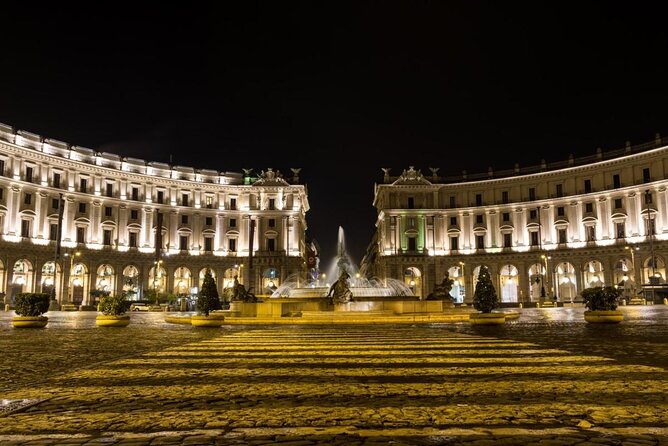
- Piazza della Repubblica: Starting the Story in a Public Square
- Palazzo Strozzi: Laws and Penalties in the Real World
- Piazza Santa Trinita: The Spini Family Palace and Power
- Gian Gastone de’ Medici: Forbidden Life and Court Drama
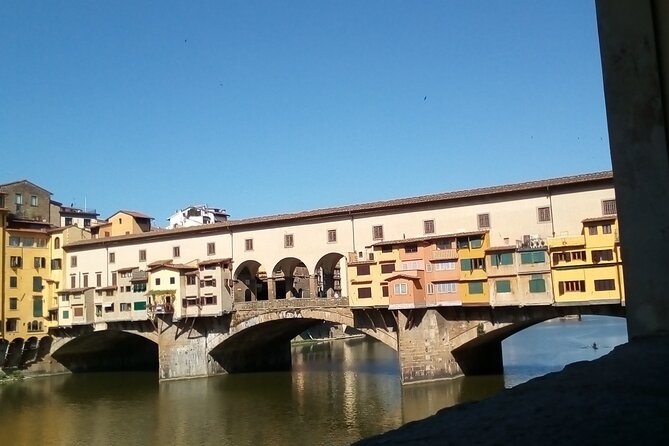
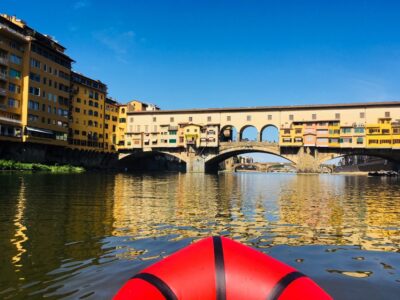
- Ponte Vecchio: The Court of Pleasure and Political Philosophy
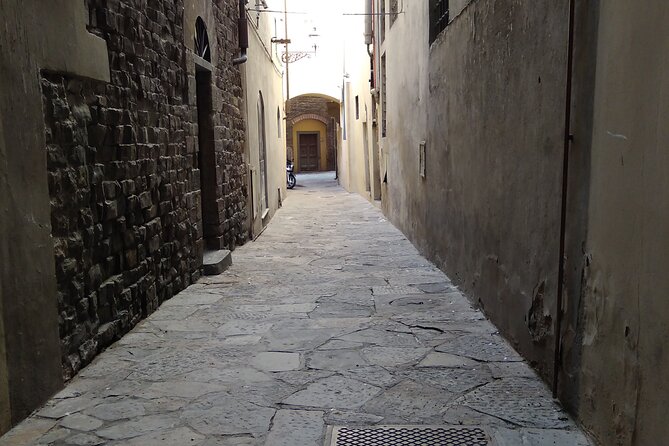
- Chiasso del Buco: Strolling a Medieval Gay Area
- Piazza della Signoria: A Pride Reference and Michelangelo’s David Copy
- Church and Museum of Orsanmichele: Leonardo, Denunciations, and Prostitution
- What Makes This Tour Worth It (Beyond the Stops)
- Who Should Book This One
- Should You Book LGBTQ+ Friendly Renaissance Gay Life in Florence?
- FAQ
- FAQ
- How long is the LGBTQ+ friendly Renaissance Gay life in Florence tour?
- What is the price per person?
- Is the tour in English?
- How big is the group?
- Are headsets included?
- Where does the tour start and end?
- Do I need admission tickets for the stops?
- Can I get a free cancellation?
- Are service animals allowed?
Key Takeaways Before You Go
- Small group (up to 10) keeps it conversational, not lecture-like
- Headsets included so you don’t miss details in busy squares
- Mila Lavorini’s approach mixes empathy and humor with hard facts
- Stop-by-stop queer map ties landmarks to what was happening socially and politically
- Two hours, focused route gives you city bearings fast, without exhausting you
Why Renaissance Florence Has a Queer Side
When most people think of Renaissance Florence, they picture art, palaces, and powerful families. This tour nudges you to look at the other side of the same streets: how sexuality was talked about, policed, and punished, and how queer people and court culture fit into the city’s power systems.
What makes this experience click is that it’s not just a list of famous names. You connect the dots between government, religion, and social control—then you see how those forces shaped real lives. Even when the content gets dark, it stays grounded in place: the square where a story happened, the building tied to laws, the bridge people crossed every day.
Also, you get something practical for your time in Florence. After two hours, you’ll have a stronger sense of the city’s layout—because the route walks you through key central areas while threading in queer history.
You can also read our reviews of more tours and experiences in Florence

Price and Time: A Focused 2-Hour Walk
This tour runs about 2 hours and costs $30.07 per person. For that price, you’re mostly paying for a guided interpretation—someone to connect the history to the specific streets and buildings you’re standing in.
The value feels fair because a few details make the experience smoother:
- The major stops are marked Admission Ticket Free in the tour flow
- Headsets are included, which is a big help for a guided walking tour
- The group stays small, so you’re not stuck repeating your question to a wall of strangers
It’s also offered in English and includes a mobile ticket, so setup is straightforward. If you like to plan ahead, note that it’s often booked about a month ahead on average—so grabbing a time that fits your schedule is smart.
Where You Meet (and Why It Matters)
You’ll start at the Hard Rock Cafe, Via dei Brunelleschi, 1 (50123 Firenze FI), Italy. The tour ends back at the same meeting point, so you’re not left navigating alone afterward.
That matters in Florence, where streets twist and rename themselves. Starting at a recognizable landmark helps you get your bearings quickly. Plus, the meeting point is listed as near public transportation, which makes it easier to fit the tour between museum time, dinner, and an evening walk.
And yes, the tour notes service animals are allowed, and it says most travelers can participate. If you’re someone who handles regular walking in central Florence, this should be a workable fit.
Small-Group Atmosphere with Mila Lavorini
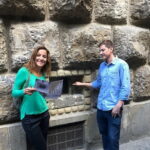
The guide for this experience is Mila Lavorini. The tone is warm and human, not robotic. The best part is the way she treats the subject: with respect, empathy, and a willingness to answer questions instead of moving on like the route is a script.
Because the group is limited to 10 travelers, it doesn’t feel like you’re being rushed through a checklist. You can ask follow-ups, and you’ll likely get more direct attention than you would on bigger city tours.
Also, you’ll be walking through areas where it’s easy to get distracted by architecture and crowds. Headsets help you stay tuned in, and the guide’s pacing is built around what you can absorb in real time.
The Route Through Queer Renaissance Florence: What Each Stop Adds
This tour is designed like a guided map. Each stop gives you one piece of the larger puzzle: the laws, the families, the court culture, and the social attitudes behind it.
- The Best tour in Florence: Renaissance & Medici Tales – guided by a STORYTELLER
★ 5.0 · 12,316 reviews




Piazza della Repubblica: Starting the Story in a Public Square
You begin at Piazza della Repubblica, where the tour frames what “gay life in Renaissance Florence” really means. It’s an opening act that sets expectations: you’re going to hear how sexuality was seen through the lens of power and punishment—not just personal romance.
This first stop is useful because it gives you context before you start seeing the more specific buildings. If you arrive with Florence-at-large knowledge, you’ll still leave with a clearer sense of what to watch for as the route tightens.
Palazzo Strozzi: Laws and Penalties in the Real World
Next comes Palazzo Strozzi, with a focus on laws and penalties. This is where the tour shifts from story to system. You’re not just learning that society had rules—you learn how those rules worked and what consequences were tied to them.
The practical takeaway for you: when you later hear court anecdotes, you’ll understand them better because you know the legal and political background behind the gossip.
Piazza Santa Trinita: The Spini Family Palace and Power
At Piazza Santa Trinita, the tour points you to the Spini family palace. This stop adds the “who held influence” layer, which is essential in Florence. In a city where families shaped politics, art patronage, and public reputation, sexuality never lived in a vacuum.
You’ll also get practice training your eye. Instead of just admiring facades, you’ll start noticing how buildings and neighborhoods connect to social rank and control.
Gian Gastone de’ Medici: Forbidden Life and Court Drama
At the tour’s midpoint, the narrative turns to the secret and forbidden life of Gian Gastone de’ Medici, the last Grand Duke. This is one of those segments that makes the entire experience feel sharper and more specific.
Even without drowning in dates, you get a sense of how the Medici world could be both glamorous and dangerous—full of court influence, but always exposed to moral judgment and political risk.
Ponte Vecchio: The Court of Pleasure and Political Philosophy
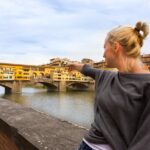
Now you reach Ponte Vecchio, where the tour connects the bridge experience to Lorenzo’s philosophy and his “court of pleasure.” This is where a famous Florence landmark becomes more than a postcard.
The value here is interpretation. You’re not just told to look at the bridge; you’re guided to understand it as part of an everyday power corridor—people moved here, news traveled here, and court culture shaped what people felt safe to show.
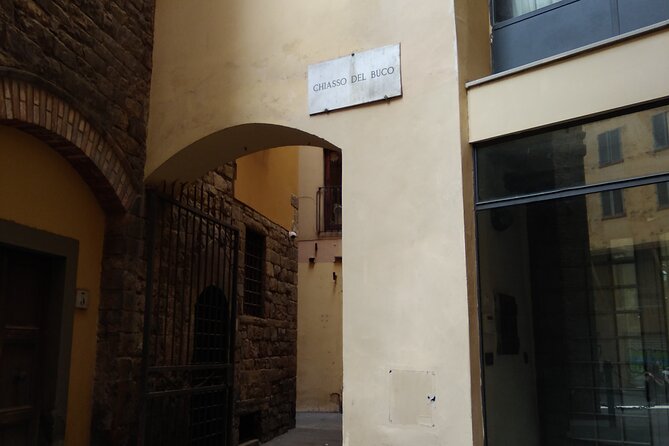
Chiasso del Buco: Strolling a Medieval Gay Area
Then you walk around Chiasso del Buco, described as a medieval gay area. This is a change of pace in a good way. The storytelling gets more grounded in street-level reality—less palace, more lived space.
It also helps you visualize how community could form in the shadows of the official narrative. When the tour names this area as a “medieval gay” pocket, the point isn’t to modernize the past. It’s to help you picture how people found each other despite surveillance and stigma.
Piazza della Signoria: A Pride Reference and Michelangelo’s David Copy
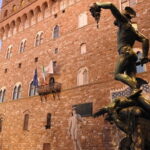
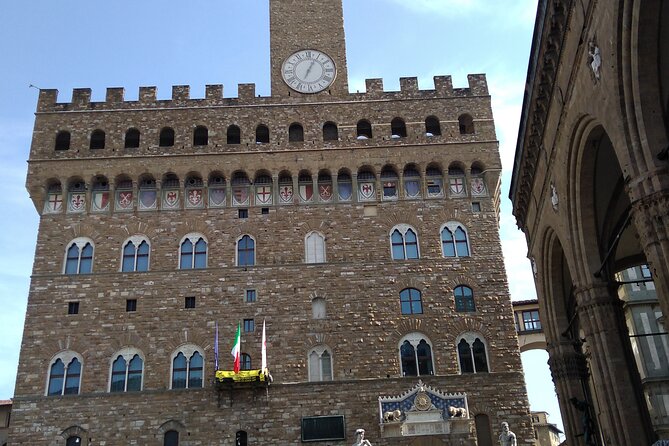
In Piazza della Signoria, the tour stops by a place associated with the seat of the first Pride in the 16th century, and you’ll also look at the copy of Michelangelo’s David.
I like this stop because it pushes you to think about public symbols and public space. Even if you’ve never heard that specific claim before, it gives you a reason to look at how bodies, statues, and crowds become part of political meaning.
And you’ll get that classic Florence “center of gravity” feeling: you can’t help but notice how power and performance lived side by side in this square.
Church and Museum of Orsanmichele: Leonardo, Denunciations, and Prostitution
The final stop is at the Church and Museum of Orsanmichele. Here, the tour tells stories including Leonardo da Vinci being denounced twice for sodomy, along with the importance of female prostitution in the broader social conversation.
This is the most emotionally heavy part of the experience. It also tends to be the most memorable, because it connects artistic genius and legal/moral condemnation in the same breath. You’ll walk away with a clearer sense of how institutions framed sexuality as something managed by rules, threats, and public examples.
If you’re the kind of traveler who likes your Florence with an edge, this is the finish that justifies choosing a themed tour in the first place.
What Makes This Tour Worth It (Beyond the Stops)
A lot of Florence tours point at buildings and call it history. This one feels more like learning how a city thinks. You get:
- A queer-focused angle on governance, through laws and penalties
- Context for court stories, like the Medici segment
- A sense of medieval attitudes toward sexuality, including denunciations and the way reputation functioned
I also appreciate that the tour is designed as a small-group discussion space. In practical terms, that means you’re not stuck with broad statements. You can ask what you’re actually wondering: how people navigated rules, what public institutions did, and why these spaces mattered.
And for a two-hour window, the pacing is strong. You cover enough ground to feel like you changed how you see the city, but not so long that you lose the thread.
Who Should Book This One
This is a great choice if you want:
- A LGBTQ+ friendly Florence experience that takes history seriously
- A walk that mixes big landmarks with lesser-known corners
- A guide who can handle sensitive topics with empathy and humor
You might reconsider if you:
- Prefer only celebratory stories with zero mention of punishment or denunciation
- Want a purely sightseeing-focused route with minimal moral/legal context
Should You Book LGBTQ+ Friendly Renaissance Gay Life in Florence?
Yes, if you want Florence with a point of view. The combination of small group size, headsets included, and Mila Lavorini’s ability to connect laws, families, and public spaces makes it feel like good value rather than a niche detour.
If you’re curious but unsure, think of it like this: you’ll see the same city either way, but this tour teaches you what the city was doing with sexuality—socially, politically, and publicly.
FAQ
FAQ
How long is the LGBTQ+ friendly Renaissance Gay life in Florence tour?
It runs for about 2 hours.
What is the price per person?
The price is $30.07 per person.
Is the tour in English?
Yes, the tour is offered in English.
How big is the group?
The tour has a maximum of 10 travelers.
Are headsets included?
Yes, headsets are included.
Where does the tour start and end?
It starts at the Hard Rock Cafe, Via dei Brunelleschi, 1, 50123 Firenze FI, Italy, and it ends back at the same meeting point.
Do I need admission tickets for the stops?
The tour information lists admission tickets as free for the stops mentioned.
Can I get a free cancellation?
Yes. You can cancel up to 24 hours in advance for a full refund.
Are service animals allowed?
Yes, service animals are allowed.
You Might Also Enjoy



More LGBTQ-Friendly in Florence
More Tours in Florence
- The Best tour in Florence: Renaissance & Medici Tales – guided by a STORYTELLER
★ 5.0 · 12,316 reviews


More Tour Reviews in Florence
- Tuscany Day Trip from Florence: Siena, San Gimignano, Pisa and Lunch at a Winery
★ 5.0 · 21,634 reviews - The Best tour in Florence: Renaissance & Medici Tales – guided by a STORYTELLER
★ 5.0 · 12,316 reviews