REVIEW · FLORENCE
Kickbike Adventure through Florence with locals
Book on Viator →Operated by FLORENCE TOURS - ENJOY BIKING · Bookable on Viator
Florence goes by fast, even on foot. A kickbike lets you cover ground without feeling rushed. You glide through busy streets and still have time to stop, look, and learn from a real local guide.
I especially love how the ride platform and larger front wheel make the trip smoother in the city center. I also like the route balance: big-name Florence sights like the Duomo and Ponte Vecchio, plus calmer neighborhoods like Santo Spirito across the Arno.
One consideration: some stops include major churches and monuments where entry tickets are not included. If you want to go inside, plan for extra time and pay separately.
In This Review
- Key points you’ll care about
- Kickbike Florence: what the ride feels like
- Meeting point on Via Camillo Cavour and getting oriented
- Stop 1: Piazza del Duomo and the Duomo complex from the ground
- Stop 2: Santa Maria Novella square and church area
- Fashion streets: a quick taste of the shopping lanes
- Ponte Santa Trinita: Renaissance elegance at street level
- Piazza Santo Spirito: the Oltrarno side with real neighborhood energy
- Palazzo Pitti: Medici power, later dynasties, and what you can see outside
- Ponte Vecchio: goldsmith history and the famous secret passageway
- Piazzale Michelangelo: the skyline stop you can’t fake
- Piazza Santa Croce: the square and church area
- Piazza della Signoria: political symbol and open-air sculpture gallery
- Returning to Piazza del Duomo: a second look with better context
- The guide: Julia’s flexible pacing makes the tour feel personal
- Price and value: $33.42 for 1 to 2 hours with key extras
- Who should book this kickbike tour
- Should you book it?
- FAQ
- FAQ
- How long is the Kickbike tour through Florence?
- What is included in the price?
- Where does the tour start?
- Where does the tour end?
- Is the tour group small?
- Do I need admission tickets for the monuments?
- Is the tour suitable for children?
- Can most people participate?
- What if I need to cancel?
Key points you’ll care about
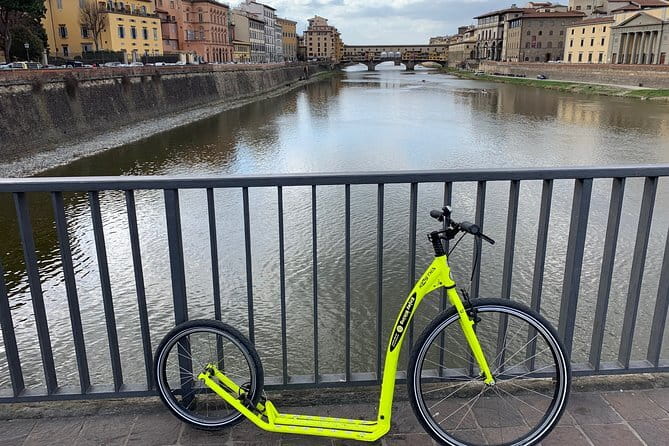
- Helmet and guide included, so you can focus on the ride and the stories
- 1 to 2 hour loop that hits major Florence highlights without a full-day commitment
- Designed for congested streets, thanks to the larger front wheel and platform style
- A local pace that adjusts to your interests, including more time at the stops you care about
- Arno River views at multiple points, including the classic bridge and the best skyline lookout
- Entry tickets vary by stop, with some free viewpoints and some paid sites
Kickbike Florence: what the ride feels like
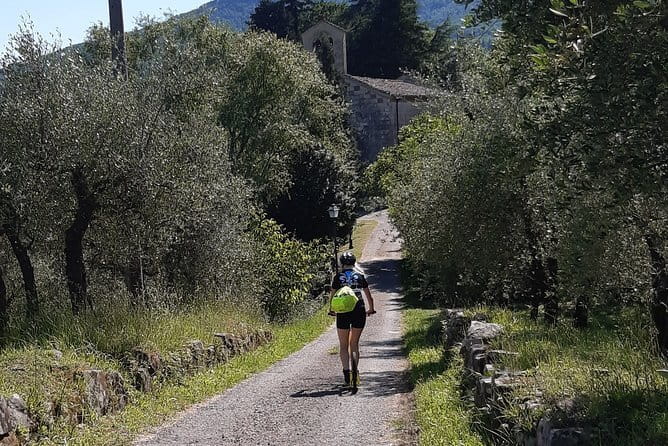
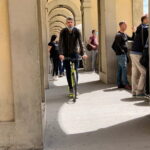
This is an outdoor, active way to see Florence. You’re not just standing in front of monuments. You’re moving, stopping, moving again. The kickbike format matters because Florence streets can be tight and busy, and you’ll want something stable and comfortable enough to stay focused on the sights.
The included helmet is a big plus. It keeps the experience practical, and it means you’re not hunting for gear before you meet up. And because the tour runs about 1 to 2 hours, you get motion and momentum without tiring out too fast.
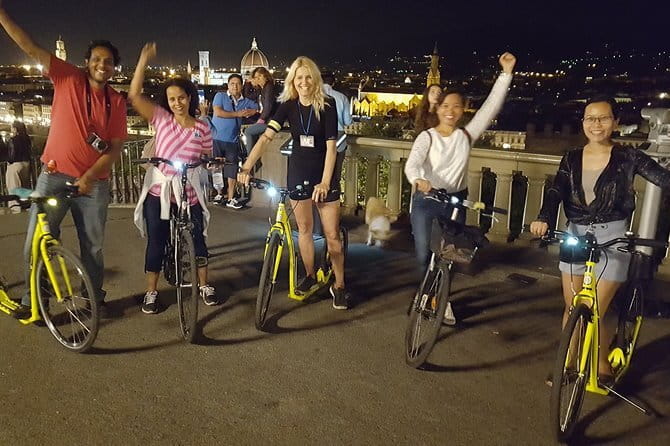
The tour is capped at 9 people, which helps in two ways. First, your guide can keep the group together through traffic patterns. Second, it’s easier to ask questions without feeling like your group is too large to manage.
You can also read our reviews of more tours and experiences in Florence.
- Tuscany Day Trip from Florence: Siena, San Gimignano, Pisa and Lunch at a Winery
★ 5.0 · 21,634 reviews
Meeting point on Via Camillo Cavour and getting oriented
You start at Via Camillo Cavour, 21R, 50129 Firenze FI, Italy. The end is back at the same meeting point. That round-trip setup is handy if you’re using public transit or if you want an easy handoff back to your day.
You’ll also get a mobile ticket, which keeps things simple. No searching for paper vouchers once you’re in the neighborhood. And since the meeting point is listed as near public transportation, you should be able to connect from other parts of Florence without a complicated logistics puzzle.
If you’re new to a kickbike, you’ll likely appreciate the short adjustment period early on. Even if you’ve used bikes before, Florence sidewalks and street crossings can feel different from other cities.
Stop 1: Piazza del Duomo and the Duomo complex from the ground
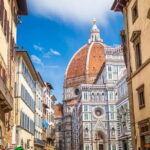
The tour opens at Piazza del Duomo, where you’re looking at the cathedral area that defines Florence’s skyline. The itinerary sets aside about 10 minutes here, and the key point is what you’re seeing: the main cathedral’s beauty and scale.
At this stop, admission is not included, so treat this as a strong orientation moment. You’ll get your bearings fast: where the buildings sit in the square, how crowds move, and how the complex relates to the rest of the city. If you decide you want to enter specific sites later in your trip, this gives you a map in your head before you spend money.
Practical tip: for photos, you’ll want to angle around the square rather than trying to shoot straight-on from where everyone pauses.
Stop 2: Santa Maria Novella square and church area
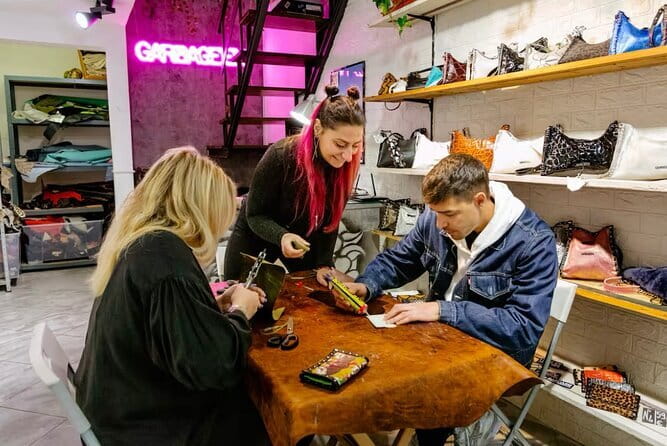
Next comes Santa Maria Novella, with about 20 minutes. This is one of those Florence stops where the street-level view is the point. The itinerary calls out the square and the Dominican church area, so you’ll get architecture you can actually experience from the street.
This stop is a good mental break after the Duomo area. Instead of only giant landmarks, you start seeing the way Florence’s historic buildings relate to daily street life—how the square functions, where people linger, and how the surrounding streets connect.
Again, admission is not included, so your best use of time is to look closely at facades and details from where you’re standing, and then ask your guide to point out what you might miss if you only skim photos later.
Fashion streets: a quick taste of the shopping lanes
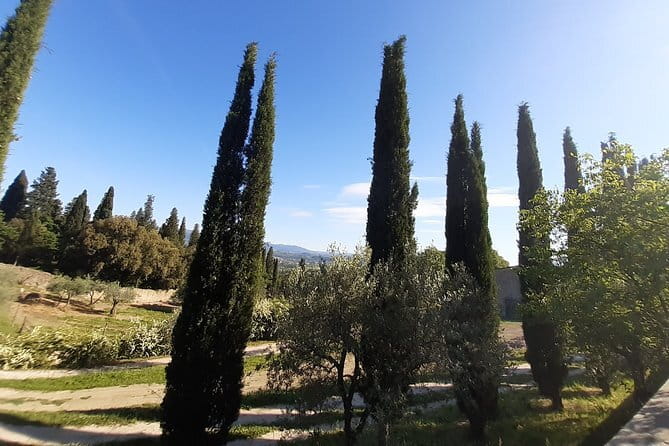
Between Santa Maria Novella and the river crossings, you’ll pass through the fashion streets in Florence area. The schedule doesn’t give a specific timing here, but that’s the value of it: it’s a change of pace from monuments.
For many people, this segment is where Florence starts feeling like a living city again rather than a checklist of sights. You see storefront streets, street rhythms, and the kinds of areas locals move through when they’re not focused on museum hours.
If you like shopping or simply people-watching, keep a little extra attention here. You can spot how the city transitions from major religious landmarks into everyday commercial streets.
- The Best tour in Florence: Renaissance & Medici Tales – guided by a STORYTELLER
★ 5.0 · 12,316 reviews
Ponte Santa Trinita: Renaissance elegance at street level
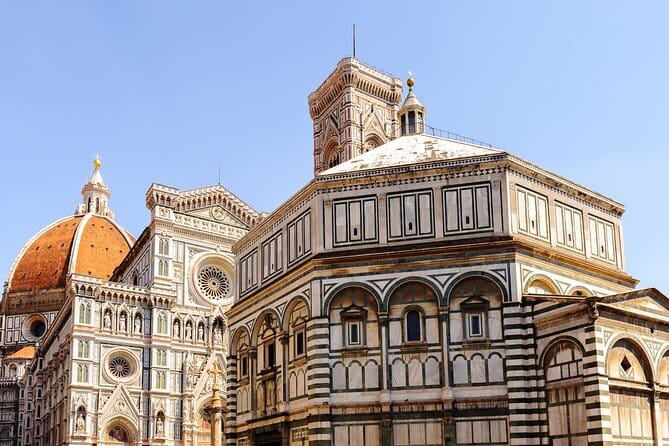
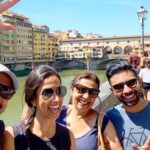
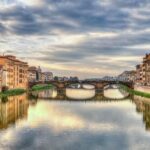
Then you reach Ponte Santa Trinita, with about 20 minutes and free admission. The itinerary calls it a Renaissance masterpiece and notes that it’s often considered one of the most beautiful bridges in the world.
This is one of the stops where the kickbike format really helps. Bridges are slow on foot if you want to keep moving, and driving through traffic can be stressful. Here, you can take in the bridge structure and the Arno River views without turning it into a long detour.
If your goal is to photograph Florence, this is a smart location. You’re near classic architecture angles and the river lines that show how the city grew around water.
Piazza Santo Spirito: the Oltrarno side with real neighborhood energy
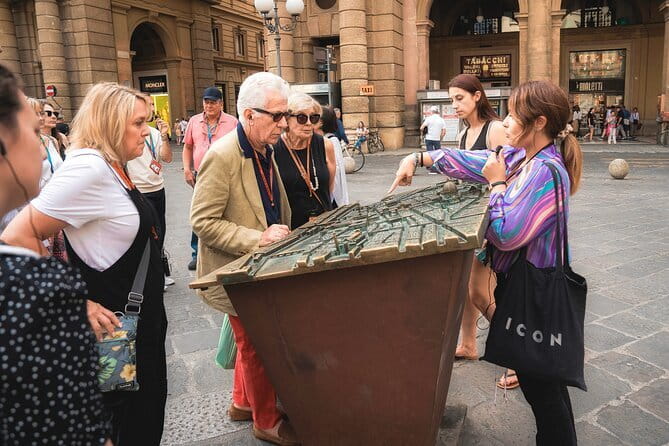
Crossing back toward the Santo Spirito district (Oltrarno), you’ll spend about 25 minutes. Admission is listed as free at this stop, so it’s mostly about being there: the look of the neighborhood and the feel of the area.
This is where Florence often becomes less about crowds and more about atmosphere. Oltrarno is known for a more local vibe than the most tour-heavy zones, and Santo Spirito is a central piece of that.
A practical way to use this stop: slow your pace a bit. Listen for the rhythm of the area. Look at how streets fan out from the square. When you’re on a kickbike, it’s tempting to keep rolling, but the best results come when you force yourself to stand still long enough to actually absorb the place.
Palazzo Pitti: Medici power, later dynasties, and what you can see outside
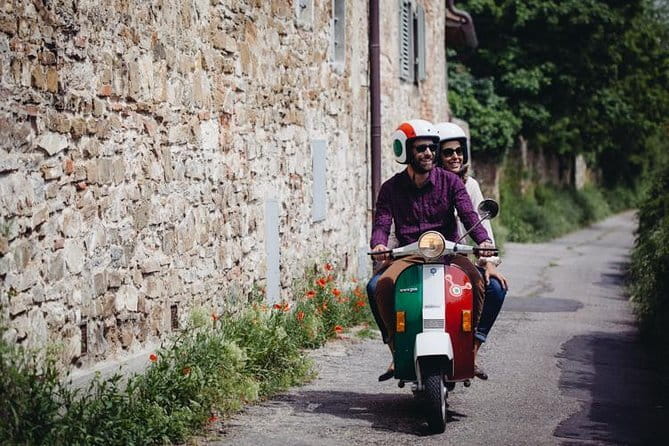
Next is Palazzo Pitti, with about 25 minutes. This stop is rich in names and eras—purchased in 1550, chosen by Cosimo I de’ Medici and Eleanor of Toledo as the grand ducal residence, and later associated with other ruling houses.
The itinerary notes how power shifted: the Habsburg-Lorraine dynasty succeeded the Medici, and the Savoy kings inhabited it from 1865. It also points out that the palace keeps the name of its first owner, the banker Luca Pitti, who started construction in the mid-1400s at the foot of the Boboli hill beyond the Arno.
Here’s the key value for you: even if you don’t enter, this stop helps you understand Florence as a political city, not only an art city. The building size and placement signal authority.
Admission is not included, so expect your time here to focus on exterior views and guide explanations rather than an inside visit.
Ponte Vecchio: goldsmith history and the famous secret passageway
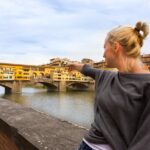
Then you roll into Ponte Vecchio, about 20 minutes and free admission. This is one of Florence’s most recognizable bridges, known for its goldsmith and silversmith shops and its secret Passageway.
The kickbike format is great for Ponte Vecchio because it’s narrow and scenic, but it can also be crowded. You get to experience the bridge’s identity without making the visit feel like a slow slog.
At this stop, look at two things:
1) the way the shops stack along the bridge,
2) how the river and bridge structure create a sense of depth.
If you care about craft history, your guide can likely connect what you see today to the bridge’s traditional role.
Piazzale Michelangelo: the skyline stop you can’t fake
Next is Piazzale Michelangelo for about 30 minutes, with free admission listed. This is the stop for the big Florence view, and it’s one of those places where even if you’ve seen pictures for years, seeing it in person hits different.
What you’ll notice is how the city layers. From this lookout, Florence looks like a planned collage: domes, church towers, and roofs stretching out beyond the river.
This is also a useful pause in the tour. By the time you reach Michelangelo, you’ve already seen the major monuments up close. Now you get scale and layout. It’s a strong way to connect the dots.
If you want photos, arrive ready to take a few tries. The best shots often come from slightly different angles, not from the first spot you reach.
Piazza Santa Croce: the square and church area
After the viewpoint, you move to Piazza Santa Croce, around 20 minutes, with admission not included. The tour notes the square and the Franciscan church of Florence.
This stop gives you another kind of Florence experience: a major public space tied to religious architecture, but also a place where people gather. Even if you don’t go inside, the facades and the open square area help you understand how Florence’s civic life and sacred spaces overlap.
Since entry is not included, use your time for street-level viewing and for questions about what you see. Your guide’s job here is to help the buildings make sense in a bigger story.
Piazza della Signoria: political symbol and open-air sculpture gallery
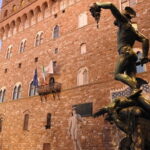
Then it’s Piazza della Signoria, with about 25 minutes and free admission. This is described as a political symbol of Florence and it includes the Palazzo Vecchio and the sculpture gallery of the Loggia dei Lanzi, which works like an open-air museum.
This is another stop where the kickbike route pays off. You get the sense of how power used to be displayed in public. On foot, you might wander too long between points. On kickbike, you arrive, get the context, and then you’re moving again.
If you’re the type who likes sculpture details, pace yourself. Look for the compositions and placements. The Loggia setting matters; sculptures aren’t just objects here, they’re part of a political and architectural frame.
Returning to Piazza del Duomo: a second look with better context
The itinerary returns to Piazza del Duomo for about 25 minutes. Admission is listed as not included, so think of this as a second, smarter pass—now that you’ve already seen other key locations like the bridges and major squares.
This final Duomo segment often feels more useful than the first. You tend to understand the city’s layout better by then, so what seemed overwhelming at the start becomes clearer. Even if you don’t enter buildings, you can connect how the cathedral complex relates to the river and to the core civic spaces.
If you want to add a self-guided moment after the tour, this is where you decide what to prioritize.
The guide: Julia’s flexible pacing makes the tour feel personal
One of the most praised parts of this experience is the guide’s flexibility. The tour is led by local experts, and in the feedback I’m seeing a consistent theme: Julia was especially good at guiding with clear explanations, and she would adjust the pace based on what the group wanted to focus on.
That matters because Florence can go one of two ways on a short tour: you either feel like you’re being rushed, or you get enough time to actually look. A guide who can move along when you want speed, or slow down when you want photos and questions, turns a simple route into a tour that fits you.
If you book this, come with at least one goal. Maybe it’s views of the Arno, maybe it’s architecture details, or maybe it’s understanding why the Medici mattered. Then you’ll get more out of the time on the kickbike.
Price and value: $33.42 for 1 to 2 hours with key extras
At $33.42 per person, this tour is priced in the range of an experience that’s meant to be accessible, not a splurge. The math gets better when you look at what’s included: a professional local guide plus helmet and the ride equipment.
You also get a lot of sight coverage for a short duration. In about 1 to 2 hours, you hit Duomo, Santa Maria Novella, multiple bridges across the Arno, Palazzo Pitti, Ponte Vecchio, Michelangelo, Santa Croce, Signoria, and then return to the Duomo zone. Even when entry tickets aren’t included, the route still gives you architecture context and multiple viewpoints that are hard to stitch together efficiently on your own.
Where you need to think ahead is admissions. Some stops clearly mark entry as not included. If you’re the type who wants to go inside museums or churches, set aside extra budget and time.
Also: you’re not paying extra for the most important part of your day—someone local helping you make sense of what you’re seeing.
Who should book this kickbike tour
This tour fits best if you want:
- a short, active Florence plan that avoids endless walking
- major highlights plus a more local neighborhood stop in Oltrarno
- a guide to help you connect monuments, bridges, and squares
- a group size that stays manageable (max 9)
It might be less perfect if you want long, sit-down museum time at one location. This is about movement and street-level seeing, not a deep museum day.
Should you book it?
If you’re trying to make Florence feel manageable in a day, I think this is a smart book. For the money, you get a guided route across the key historic zones, a ride setup that handles busy streets, and enough time at the best viewing points to leave with real memories.
Book it when you want variety in 1 to 2 hours: bridges, squares, skyline, and neighborhood feel. If you know you want to enter specific churches or monuments, plan to add those separately later. Free cancellation up to 24 hours before start time also makes it easier to take the leap if your schedule might shift.
FAQ
FAQ
How long is the Kickbike tour through Florence?
It runs about 1 to 2 hours.
What is included in the price?
The tour includes a professional local guide, helmet use, and the ride equipment. Food is not included.
Where does the tour start?
The meeting point is Via Camillo Cavour, 21R, 50129 Firenze FI, Italy.
Where does the tour end?
The activity ends back at the meeting point.
Is the tour group small?
Yes. The tour has a maximum of 9 travelers.
Do I need admission tickets for the monuments?
Some stops list admission tickets as not included, while others are free. You should expect to pay separately if you want to enter certain sites.
Is the tour suitable for children?
Children must be accompanied by an adult.
Can most people participate?
The tour notes that most people can participate.
What if I need to cancel?
You can cancel for a full refund if you cancel up to 24 hours before the experience’s start time.
You Might Also Enjoy
More Tour Reviews in Florence
- Tuscany Day Trip from Florence: Siena, San Gimignano, Pisa and Lunch at a Winery
★ 5.0 · 21,634 reviews - The Best tour in Florence: Renaissance & Medici Tales – guided by a STORYTELLER
★ 5.0 · 12,316 reviews