REVIEW · FLORENCE
From Florence: Small Group Chianti Wine Tour with Lunch
Book on GetYourGuide →Operated by Towns of Italy · Bookable on GetYourGuide
This trip turns a half day into a real education on Chianti Classico—not just pretty views. I like the small group pace and the way your sommelier-led tastings train your nose and palate, from acidity to aromas. You also get proper time in Greve for photos and browsing, plus an honest Tuscan lunch that doesn’t feel like filler.
The main drawback to plan for is the pace of a packed 6.5-hour day: you’ll be on the move most of the time, and the tastings can add up fast if you’re not used to wine days.
In This Review
- Key Highlights You’ll Notice
- Leaving Florence for Chianti Hills in a Mercedes Minivan
- Winery Stop 1: Contemporary Cellars and a Big-Producer Point of View
- Passing Chianti Hills Views and Hitting Greve in Chianti
- Winery Stop 2: Castle Towers, Olive Groves, and Another Style of Chianti
- Winery Stop 3: Boutique Estate, Gourmet Spread, and Tuscan Lunch
- Chianti vs Chianti Classico: The Lesson You’ll Use After This Trip
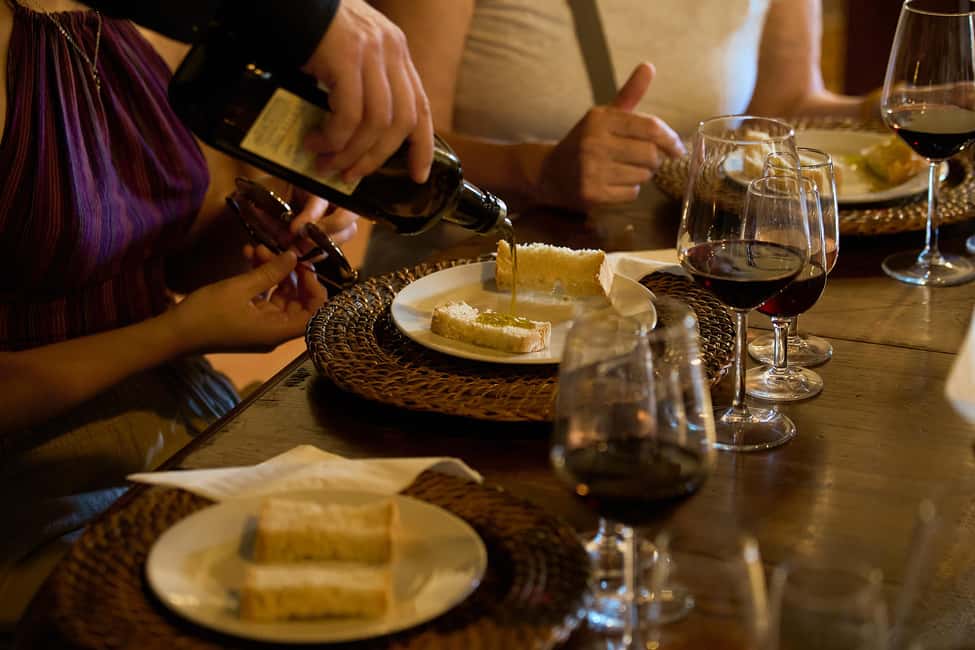
- What’s Included in the Lunch, Food Tastings, and Olive Oil Moment
- How Small-Group Size Changes the Day (Up to 8 People)
- Timing and Logistics: A 6.5-Hour Wine Day That Still Feels Full
- Price and Value: Is $237 Worth It?
- Who Should Book This Chianti Classico Tour
- A Few Tips to Make Your Tastings Better
- Should You Book? My Decision Guide
- FAQ
- How long is the Chianti wine tour from Florence?
- How many wineries are visited?
- What is the group size?
- Where do I meet the tour in Florence?
- Is the guide language English?
- What’s included with the wine tastings and lunch?
- Are alcoholic drinks served to minors?
- Is WiFi available on the trip?
- Is free cancellation available?
Key Highlights You’ll Notice
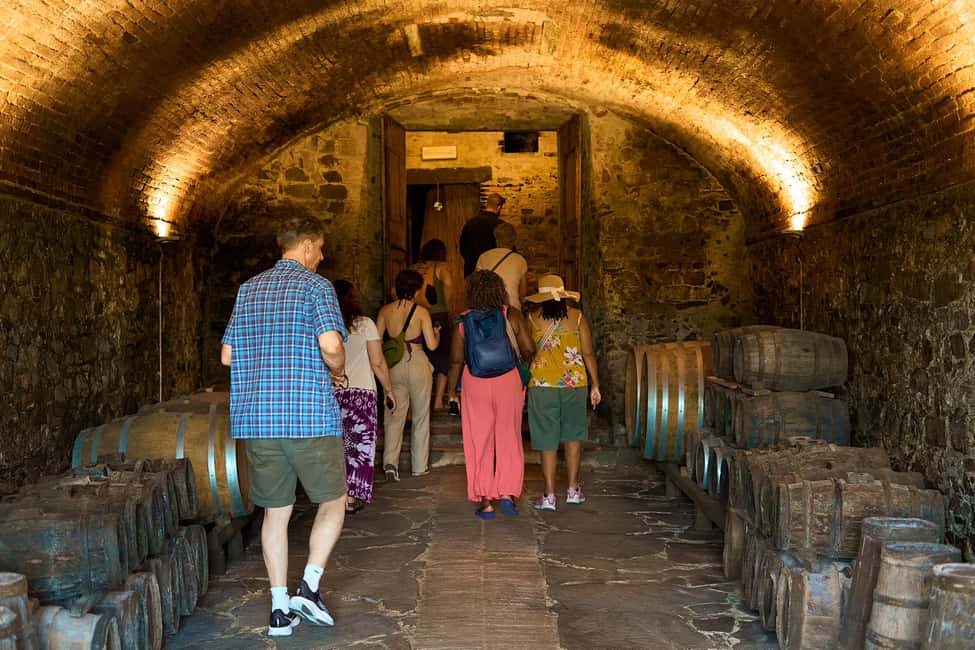
- 3 winery visits focused on Chianti Classico, including cellars and vineyards
- Sommelier guidance to help you recognize scents, flavors, and acidity in the glass
- Greve in Chianti stop for a photo moment and time to walk and shop
- Tuscan lunch + typical food tasting, including olive oil
- Small group (up to 8 people) for more questions and a calmer day
Leaving Florence for Chianti Hills in a Mercedes Minivan
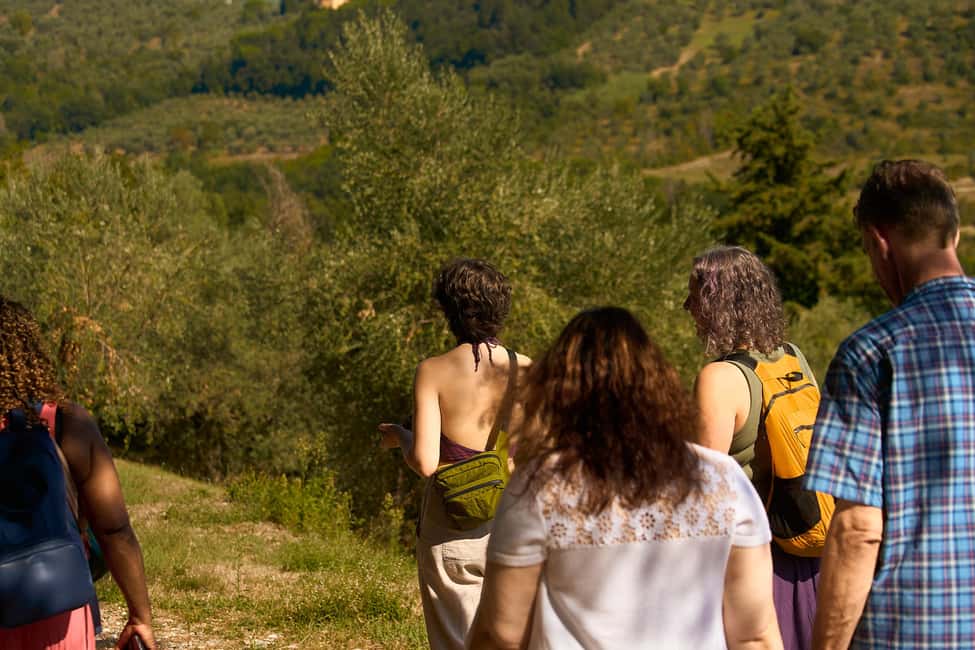
You start in central Florence, meeting at PIAZZA MENTANA | FLORENCE, on Via dei Vagellai 22 red, at the corner with Piazza Mentana across from the Arno River. From there, you’ll ride in a comfortable Mercedes minivan for the run out into the Chianti area. The drive matters more than you’d think: the route gives you that immediate sense of why these wines matter, because the region isn’t flat or generic. It’s built around hills, vineyards, and small towns that still feel Italian first.
One practical win: the van includes free WiFi, which helps if you want to upload photos or map the day without draining your phone battery. Your guide also starts setting expectations early, so by the time you reach the first winery, you’re not just waiting around for pours—you’re already learning what to watch for.
You can also read our reviews of more wine tours in Florence
- Tuscany Day Trip from Florence: Siena, San Gimignano, Pisa and Lunch at a Winery
★ 5.0 · 21,634 reviews
Winery Stop 1: Contemporary Cellars and a Big-Producer Point of View
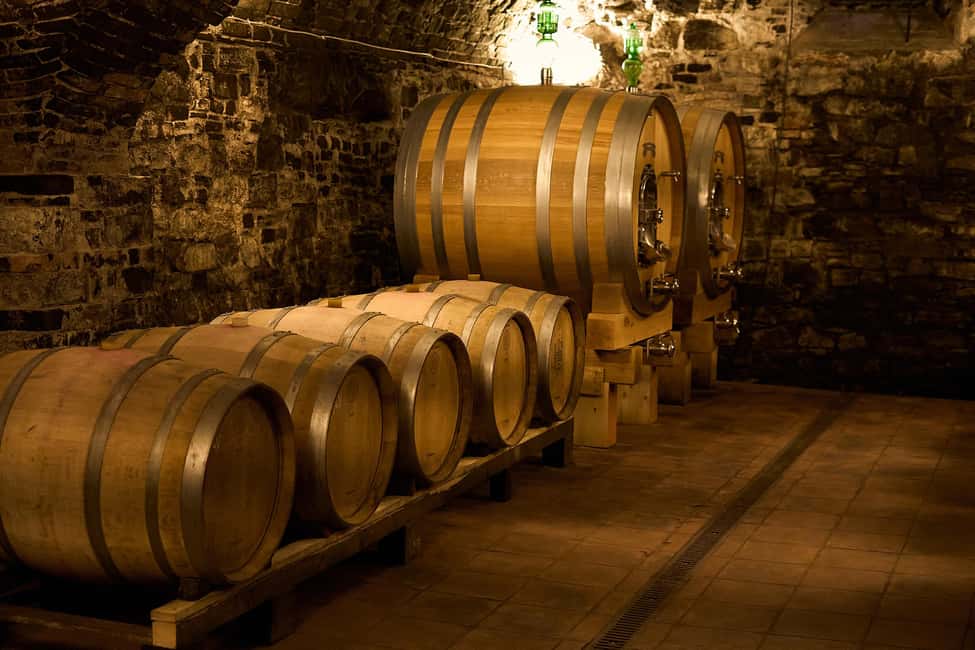
Your first winery visit starts with a guided look at cellars and vineyards, and you’ll likely notice architecture that’s meant to fit the area rather than fight it. The tour usually moves from the practical side—how the property is set up for production—to the personal side: the philosophy of one of Italy’s major wine producers. That contrast can be useful if you’re comparing regions and styles. A big producer can explain scale, consistency, and why certain methods stick around for decades.
Then comes the tasting. The aim isn’t to make you memorize labels. Instead, your sommelier helps you learn how to pick out differences in Chianti Classico profiles—think acidity, fruit character, and how the finish lands on your palate. You’ll also hear about production methods and why the local conditions matter, especially the role of soil and growing environment.
If you’re doing this as a first wine tour, this stop is a great foundation. You leave with a language for what you’re drinking, so the later tastings don’t feel like repeats.
Passing Chianti Hills Views and Hitting Greve in Chianti
Between wineries, you get scenic driving time through the Chianti Hills. It’s not a long hike. It’s more of a “look out the window, catch your bearings fast” moment. Then you reach Greve in Chianti, where the tour includes a photo stop and sightseeing, plus time to walk around and browse shops.
Greve is a small-town reset. The square and storefronts give you a chance to see how local life fits alongside wine production. Even if you don’t buy anything, you’ll come away with a better sense of what a Chianti town feels like at street level—quiet enough to wander, tourist-friendly enough to find your way without stress.
Practical tip: if you like taking photos, this is a good moment to do it. Later stops can be more timing-driven around tastings and lunch.
Winery Stop 2: Castle Towers, Olive Groves, and Another Style of Chianti
The second winery is described as a showpiece location: you can admire the massive towers of a 13th-century castle, with olive groves and vineyards around you. That’s the kind of setting that makes the wine feel like part of a place, not an activity you scheduled. The vibe here tends to be more “historic estate,” even when you’re learning about modern winemaking.
This stop also includes a cellar tour, then a tasting after you’ve seen the property firsthand. The sommelier will keep connecting what you see to what you taste—especially the way region-specific conditions shape the wine. You’ll likely hear more about why some Chianti wines lean brighter or more structured, and how those differences come through in your glass.
And this is where the educational part gets real. If you’ve been learning about how to recognize acidity, aromas, and flavors, this is where you start noticing it. The wines stop being “red wine” and start becoming distinct expressions of the same regional DNA.
Winery Stop 3: Boutique Estate, Gourmet Spread, and Tuscan Lunch
The third stop shifts gears to a boutique winery, and that change is part of the value. Instead of repeating the same production story three times, you end with a smaller, more intimate experience. Here, tastings come alongside a gourmet spread of traditional Tuscan food and your Tuscan lunch.
This is the portion of the day where you can slow down, talk, and actually eat like you’re in Italy—not like you’re surviving a tour timeline. The lunch is typically described as authentic Tuscan cuisine, and the tasting portion often includes additional glasses as part of the experience.
One detail worth noting: the tour includes typical products like olive oil, and that’s not just an add-on. Olive oil tasting is often a fast way to understand regional flavors, since it shows you how local agriculture affects what’s on your plate. In one case from the guides and guests’ reports, the operator also supported a gluten-sensitive guest with gluten-free bread and pasta when arranged in advance—so if you have dietary needs, tell the local supplier ahead of time so they can plan.
You can also read our reviews of more tours and experiences in Florence
- Tuscany Day Trip from Florence: Siena, San Gimignano, Pisa and Lunch at a Winery
★ 5.0 · 21,634 reviews - Cooking Class and Lunch at a Tuscan Farmhouse with Local Market Tour from Florence
★ 5.0 · 4,831 reviews - San Gimignano, Siena, Monteriggioni, Chianti Day Trip with Lunch & Wine Tasting
★ 4.5 · 4,432 reviews

Chianti vs Chianti Classico: The Lesson You’ll Use After This Trip
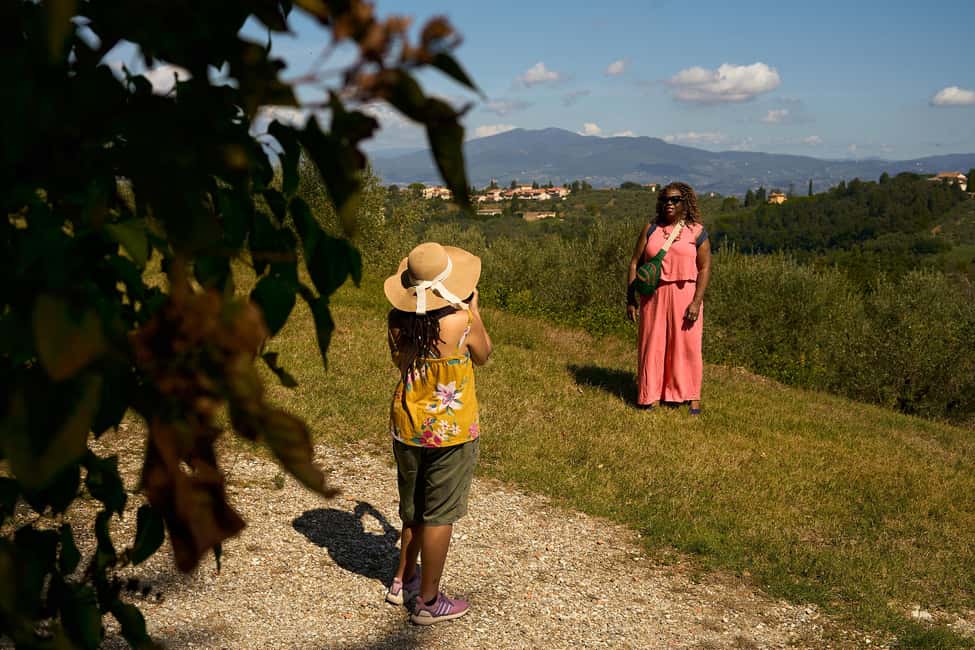
A good wine tour teaches you how to taste, not just what to drink. This one explicitly trains that skill. Your sommelier will explain the difference between Chianti and Chianti Classico, and then help you apply that knowledge in the glass.
Here’s what you can take away from the way the tour is designed:
- You learn what to look for beyond sweetness or tannins.
- You build a feel for acidity and how it affects food pairings.
- You practice recognizing aroma patterns, which makes restaurant ordering easier later.
The tour also nudges you toward pairing. Instead of generic advice, your guide helps match wines to foods you enjoy. That’s a big deal because it turns a one-day experience into a repeatable skill. After a day like this, you’re less likely to buy a bottle you can’t describe—and more likely to spot the style you actually like.
What’s Included in the Lunch, Food Tastings, and Olive Oil Moment
This experience is built around more than wine. You’ll get:
- Olive oil and typical product tasting
- A traditional Tuscan lunch
- Wine tastings across three winery stops
- Time connected to an iconic Tuscan village (Greve)
The food portion is where many wine tours feel either elegant or rushed. Here, the structure gives lunch a real place in the day. It’s also helpful that the lunch happens after you’ve already learned something about the wines. You’re eating while you’re still in learning mode, which makes the pairing lessons stick.
Also, since the tour includes both wine and olive oil, you get a more rounded taste of Tuscan agriculture. That matters if you’re the type who wants to understand the region, not just check off a tasting.
How Small-Group Size Changes the Day (Up to 8 People)
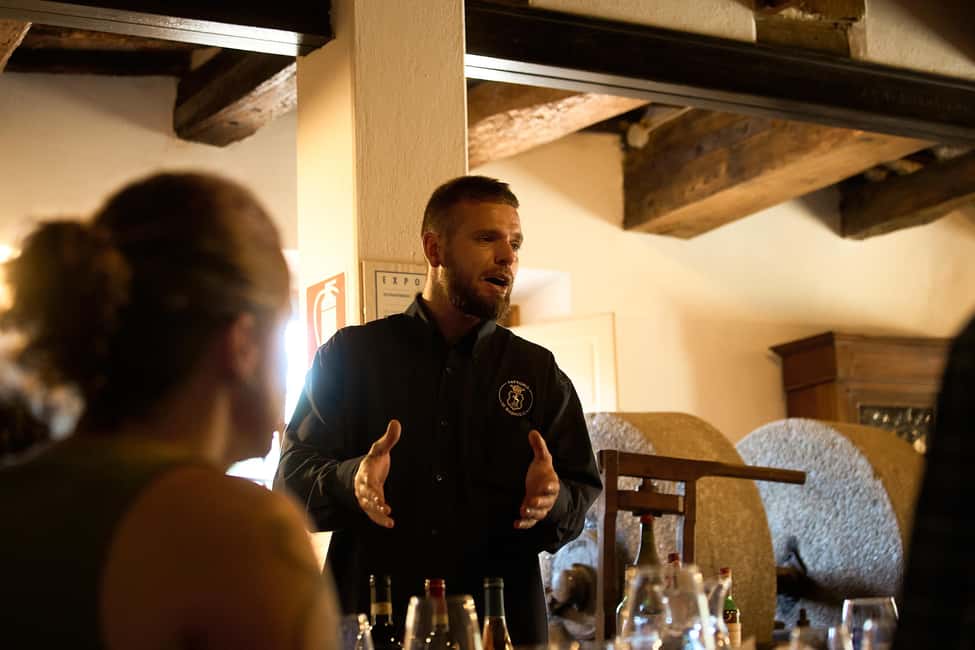
The group limit is 8 participants, which is one of the smartest parts of the offering. With fewer people, the day doesn’t turn into a script you’re stuck listening to from far away. You’re more likely to get direct answers and follow-up questions, especially since the tastings include instruction rather than just pouring.
This also helps if you want conversation. Several guide names show up across departures, including Carlotta, Grace, Christina, Antonetta, Gabriele, Grazia, Antonella, Brando, Lapo, Eleanora, and Matteo. That variety is a clue that the operator leans on individual personalities and sommelier training, not a factory-style audio guide.
One more small benefit: in a group this size, the guide can adjust pacing. Even if weather or timing shifts, the day can be rearranged without feeling chaotic—there are accounts of itinerary changes during heavy rain while still keeping the core stops on track.
Timing and Logistics: A 6.5-Hour Wine Day That Still Feels Full
The total duration is 6.5 hours, which is a sweet spot: long enough to visit three wineries and have lunch, but not so long you lose the rest of your Florence or Tuscan time.
You should expect:
- A morning drive from Florence into the Chianti area
- Pass-by scenic viewpoints
- Three winery visits with tastings and cellar/grounds tours
- Greve in Chianti for sightseeing and a photo stop
- Lunch and food tasting built into the day
Because it’s scheduled tightly, it’s smart to travel with comfort in mind. Wear shoes you’re happy to stand in, since winery grounds can vary from smooth paths to uneven terrain. If you’re sensitive to heat or sun, a hat helps too. And if you tend to get wine-tired, pace yourself at each stop so lunch tastes good and not like a chore.
Price and Value: Is $237 Worth It?
At $237 per person, you’re paying for a full guided experience: transportation from Florence in a Mercedes minivan, three winery visits, cellar and vineyard tours, a sommelier-led tasting structure, olive oil and typical food tasting, a Tuscan lunch, and a guided village stop in Greve.
Is it cheaper than buying a few tastings on your own? Usually, yes, you could do parts independently. But wine travel in Tuscany is less “just drive there” and more “find the right places, get the educational context, and line up timing.” This tour removes most of that stress.
So the value equation depends on you:
- If you want guided tastings with instruction and not just drinking, this price starts making sense fast.
- If you love architecture and the story of how estates work, cellar tours plus winery choice add real value.
- If you only want a single winery and a long lunch, you might find a lighter option fits better.
Who Should Book This Chianti Classico Tour
This tour is a strong match if you:
- Want to learn wine terms in a practical way, like how to notice acidity and aromas
- Like small-group days where you can ask questions
- Appreciate both classic and modern aspects of Italian winemaking (big producer story plus boutique finish)
- Want one day that mixes wine, food, and town atmosphere (Greve)
It’s also ideal for first-time Tuscany visitors who want structure. If you already know Chianti well and want lots of time in a single estate, you might prefer a longer, slower private format. But for most people in Florence, this is a high-impact day without feeling like a blur.
A Few Tips to Make Your Tastings Better
You’ll get more out of the day with a simple approach:
- Drink water between tastings if you want your senses to stay sharp
- Take a moment after each pour to note what you taste—then ask your guide why it makes sense
- If you’re picky about styles, tell your sommelier early what you like, so pairing advice is useful
- Bring sunglasses and plan for standing time near winery buildings
One last thought: this kind of tour rewards curiosity. The guide’s job is to help you hear the story behind the wine. Your job is to keep asking why it tastes the way it does.
Should You Book? My Decision Guide
Book this tour if you want a guided Chianti Classico day with real structure: three wineries, cellar tours, tastings that teach you how to notice differences, and a genuine Tuscan lunch with olive oil and typical products. The small-group size is a major quality marker, and the Greve stop adds a nice “Italy on the ground” feeling beyond the wineries.
Skip it (or consider something else) if you hate packed schedules, don’t drink wine, or want hours of free time in one place. Otherwise, it’s a smart, well-rounded way to spend a half day from Florence and leave with more than just bottles in your bag.
FAQ
How long is the Chianti wine tour from Florence?
The tour lasts about 6.5 hours.
How many wineries are visited?
You visit 3 wineries in the Chianti Classico area, with tastings at each stop.
What is the group size?
It’s a small group limited to 8 participants.
Where do I meet the tour in Florence?
You meet at Piazza Mentana | Florence, Via dei Vagellai 22 red, corner with Piazza Mentana (opposite the Arno River).
Is the guide language English?
Yes, the live tour guide speaks English.
What’s included with the wine tastings and lunch?
The tour includes 3 wine tastings (one at each winery), an olive oil and typical product tasting, and a typical Tuscan lunch, plus guided visits of wineries and cellars and a village stop in Greve.
Are alcoholic drinks served to minors?
Italian law prohibits the sale of alcoholic beverages to anyone under 18. Children under 18 will be served non-alcoholic beverages.
Is WiFi available on the trip?
Yes, the transportation includes free WiFi.
Is free cancellation available?
Yes, you can cancel up to 24 hours in advance for a full refund.
You Might Also Enjoy
More Wine Tours in Florence
- Tuscany Day Trip from Florence: Siena, San Gimignano, Pisa and Lunch at a Winery
★ 5.0 · 21,634 reviews

More Tours in Florence
- The Best tour in Florence: Renaissance & Medici Tales – guided by a STORYTELLER
★ 5.0 · 12,316 reviews

More Tour Reviews in Florence
- Tuscany Day Trip from Florence: Siena, San Gimignano, Pisa and Lunch at a Winery
★ 5.0 · 21,634 reviews - The Best tour in Florence: Renaissance & Medici Tales – guided by a STORYTELLER
★ 5.0 · 12,316 reviews