REVIEW · FLORENCE
From Florence: Olive Oil Mill Tour and Tasting in Fiesole
Book on GetYourGuide →Operated by Frantoio Cesare Buonamici · Bookable on GetYourGuide
Extra virgin oil, made with modern restraint. This Fiesole mill visit at Frantoio Cesare Buonamici is compelling because you see zero-emission extraction powered by self-produced biomass and taste monocultivar extra virgin olive oils straight from the source; the only heads-up is that the whole experience is fairly short, so plan to arrive on time.
I love that the tour is built for real understanding, not just “look, smell, done.” You learn how olives become oil, then you immediately connect that science to what you taste, helped along by a live guide in English or Italian.
One consideration: you’ll be outdoors for some of it (including terrace time), so comfortable shoes and sun protection matter more here than you might expect.
In This Review
- Key things you’ll notice right away
- Fiesole Mill Basics: Cesare Buonamici’s Olive Oil Story in Plain Terms
- Getting There From Florence: Meeting Points and Private Transfer
- Inside the New Mill in Fiesole: Modern Extraction You Can Actually See
- The Olive Groves Connection: Organic Fiesole With 1,200 Hectares of Context
- Terrace Time: Why the View Is Part of the Teaching
- Olive Oil Tasting: Learn What You’re Actually Eating
- Food Pairings and Local Wine: How the Mill Sets Up Your Taste Buds
- Price and Value: Is $56.94 Worth It?
- Who This Tour Suits Best (and Who Might Want a Different Plan)
- What to Bring and Wear so You’re Comfortable
- Should You Book This Olive Oil Mill Tour?
- FAQ
- FAQ
- How long is the olive oil mill tour in Fiesole?
- Where do I meet the guide in Florence?
- Is transportation included?
- What language is the live guide available in?
- Is the tour wheelchair accessible?
- What’s included in the tasting?
- Is olive picking included?
- What makes the mill “zero-emission”?
- Is parking available?
- What should I bring with me?
Key things you’ll notice right away
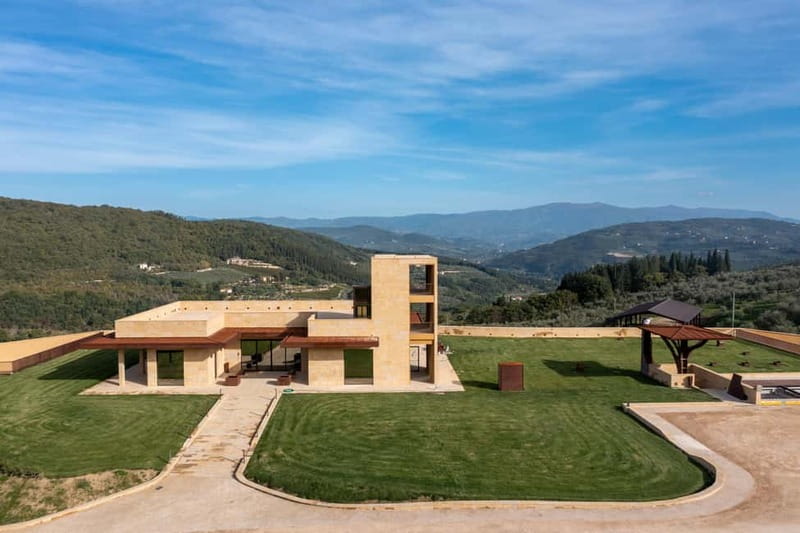
- A mill officially inaugurated in May 2023 means you’re seeing new production, not a museum setup.
- Zero-emission production uses heat from self-produced biomass instead of fossil fuels.
- Organic Fiesole olive groves stretch across 1,200 hectares, so the story stays tied to the land.
- Monocultivar extra virgin tastings help you notice how olive variety can change flavor.
- Terrace views give you a visual “why” behind the taste and the cultivation.
- Free parking + Wi‑Fi keep the day smooth once you’re outside Florence.
Fiesole Mill Basics: Cesare Buonamici’s Olive Oil Story in Plain Terms
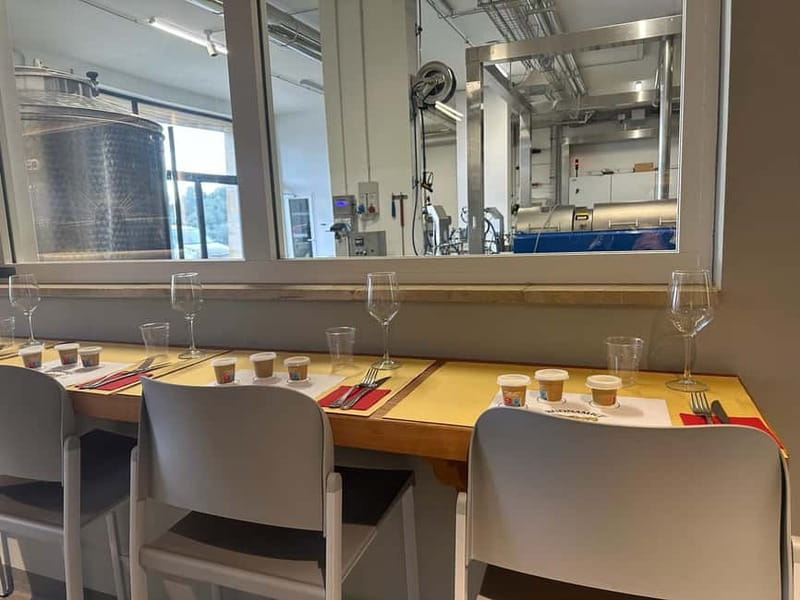
Fiesole is close enough to Florence to feel easy, but it still has that quieter hillside rhythm. This tour focuses on one thing: how extra virgin olive oil is produced at the Cesare Buonamici mill in Fiesole, near Florence.
What makes it interesting is the mix of tradition and modern engineering. You’ll hear the mill’s background and the Buonamici family, then you’ll move into the new facility to see current extraction technologies. That pairing matters because olive oil isn’t just a taste—it’s timing, method, and handling from grove to mill.
You also won’t be stuck only in talk. After you understand the process, you get to taste what the mill produces, including organic products. This is the kind of experience where the tasting actually has context, which is exactly what you want when you’re spending time (and money) on an olive oil visit.
You can also read our reviews of more food & drink experiences in Florence
Getting There From Florence: Meeting Points and Private Transfer
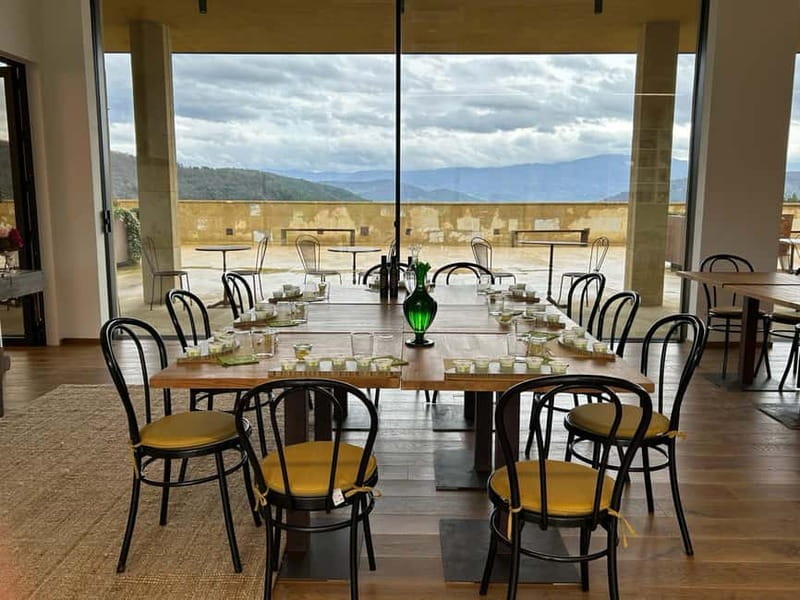
The tour uses a white private transfer, so it’s not the usual “find your way to a rural road and hope you guessed right” setup. You have two meeting options, depending on which side of Florence you’re coming from:
- Piazza Beccaria, in front of Pasticceria Serafini
- Porta Romana, in front of Banca Monte dei Paschi di Siena
Once you’re picked up, the day becomes simple: go to the mill, tour it, taste, then you return to the start point when it ends. The transfer detail may sound minor, but it’s a big quality-of-life improvement if you’re trying to keep Florence logistics painless.
If you’re driving, you’ll appreciate that free parking is included. And yes, Wi‑Fi is listed as included too, which is helpful if you’re coordinating dinner plans right after.
Inside the New Mill in Fiesole: Modern Extraction You Can Actually See
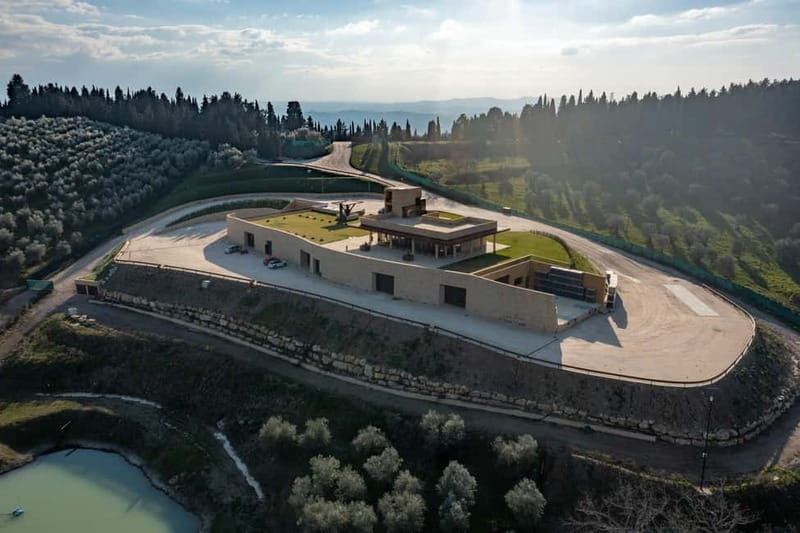
This isn’t a vague “we use state-of-the-art equipment” pitch. The tour calls out that you’ll see modern and innovative extraction technologies, including the new olive oil mill inaugurated in May 2023.
Here’s what that means in practical terms for your visit: you get a clear look at how the olives move through production and how the mill’s systems are designed for efficiency. If you’ve ever wondered why one extra virgin oil tastes fruity and peppery while another feels more mellow, the answer often starts with production choices—how the olives are processed and how the mill manages heat and timing.
Then comes the sustainability part, and it’s not just a buzzword. The mill is described as zero-emission and it doesn’t use fossil fuels. Instead, it uses heat sources from self-produced biomass. In other words, the facility is set up so the energy story is tied to what the operation produces, not something imported from the outside.
You’ll also hear that the mill received an eco-efficiency recognition from the Tuscan region. For you, that matters because it suggests the facility isn’t only claiming sustainability—it’s been evaluated in a regional context.
The Olive Groves Connection: Organic Fiesole With 1,200 Hectares of Context
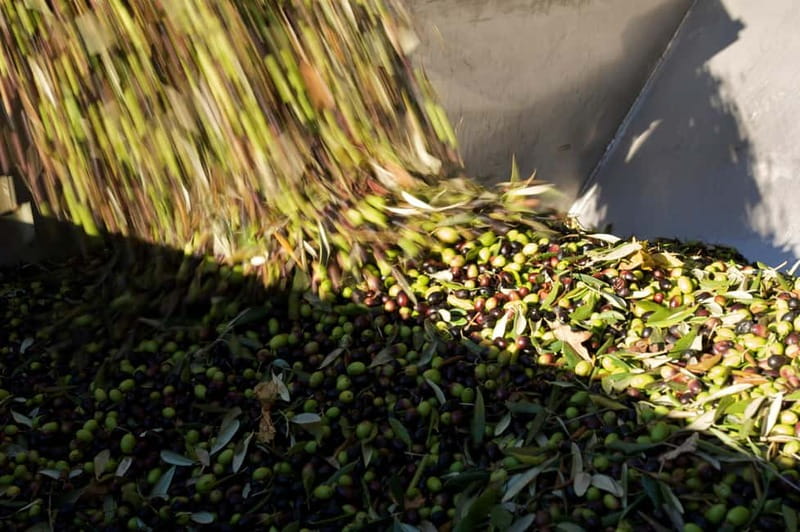
One of the best moments on this kind of tour is when the guide connects the taste back to where the olives come from. Here, that connection is clearly part of the experience: the mill produces olive oil from the organic district of Fiesole, described as covering 1200 hectares of olive groves.
That grove scale matters more than it sounds. It gives you a sense that you’re not tasting a one-off batch. The oils you try are tied to an organized, ongoing agricultural area, and the mill’s organic positioning stays consistent with the source.
The lesson you can take home is simple: olive oil flavor isn’t just “sun + olives.” It’s also about cultivation practices and how consistently the supply chain is handled up to extraction.
Terrace Time: Why the View Is Part of the Teaching
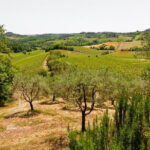
You’ll enjoy a beautiful view from the terrace as part of the experience. This isn’t just scenery. It’s a smart way to orient you after you’ve been learning about production.
When you can see the hillside setting, the olive-growing story clicks into place. You stop thinking of olive oil as a bottled product and start thinking of it as something made from an environment and a season. Even if you’re not a “nature photographer,” the terrace break helps you reset before the tasting portion.
Bring a camera. It’s listed as something to have, and you’ll likely use it.
- The Best tour in Florence: Renaissance & Medici Tales – guided by a STORYTELLER
★ 5.0 · 12,316 reviews

Olive Oil Tasting: Learn What You’re Actually Eating
Tasting is where many food tours lose people. Too many times, you get oil in small cups and no real framework. This tour is set up differently: tasting follows a production visit, and the guide explains what you’re looking for.
You’ll taste a selection of extra virgin olive oils produced in the mill, including organic products. The tour also highlights high quality monocultivar olive oils, which is a big deal for your understanding. Monocultivar means you’re tasting oils linked to specific olive varieties rather than a blended mystery. That makes comparison easier, and it trains your palate faster.
You can expect a learning-focused tasting flow: taste, compare, and start connecting flavor notes to production choices and olive type. Even if you’re new to olive oil, this is one of the tours that gives you enough structure to walk away with real confidence, not just opinions.
Food Pairings and Local Wine: How the Mill Sets Up Your Taste Buds
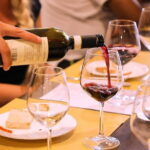
The experience is described as a visit of about 2 hours total, and that longer description includes food tasting plus some wine from a local farm. So beyond the olive oil tasting, you may also have food pairings designed to complement what you tasted.
Why that’s valuable: olive oil is often “trained” on bread, vegetables, or simple foods at home. Pairings help you interpret the oil in a real eating context instead of only as a standalone sample.
One note to keep your expectations aligned: the tour data also says alcohol and drugs are not allowed. That doesn’t conflict with the mention of wine from a local farm as part of the food tasting—just keep in mind you’re not meant to bring your own alcohol to the session.
If you’re someone who likes to eat well during sightseeing, this pairing style is a plus, because it turns the day from “science demo” into something you can actually savor.
Price and Value: Is $56.94 Worth It?
At $56.94 per person, this isn’t the cheapest thing you can do from Florence. But it also isn’t priced like a casual tasting stop. You’re paying for three main value drivers:
- The experience focus: a guided mill visit tied directly to extra virgin oil production, plus tasting.
- The facility: the mill is described as modern (inaugurated May 2023) with innovative extraction technology and zero-emission operation using biomass heat.
- The package touches: included olive oil tasting, organic products, terrace view, free parking, and Wi‑Fi—plus the convenience of private transfer.
If your goal is to buy a bottle of olive oil later, your money also goes toward learning enough to choose what you like. If your goal is simply to “try some oils,” there are cheaper tastings—but you’ll likely get less production context.
For me, the sweet spot is this: if you enjoy food education and want a credible tasting tied to real processing, the price feels reasonable. If you want a long, relaxed countryside afternoon, the shorter format may feel tight.
Who This Tour Suits Best (and Who Might Want a Different Plan)
This tour is a great match if you:
- want to understand how extra virgin oil is made, not just taste it
- like organic food stories tied to the source area (Fiesole’s 1,200-hectare grove zone)
- enjoy practical sustainability details—especially the zero-emission biomass heat concept
- want a day trip that’s easy to organize from Florence with a private transfer
It may be less ideal if you:
- want a very long outing (this is listed as about 1.5 hours, and also described as a ~2-hour visit, so either way it stays focused and short)
- aren’t interested in tasting comparisons (the value is in process + tasting together)
- expect olive picking to be part of the visit—picking isn’t included
What to Bring and Wear so You’re Comfortable
Plan for a mix of indoor production areas and outdoor terrace time. I’d keep it simple:
- Comfortable shoes (production visits typically mean some walking and standing)
- Sun hat and outdoor clothing, especially in warmer months
- Passport or ID card
- A camera (the terrace view is part of the experience)
- Credit card and/or cash, in case you want to purchase the organic products you taste
Long pants are listed too, so use that as a cue to dress for comfort around the mill setting.
Should You Book This Olive Oil Mill Tour?
I’d book it if you want an olive oil experience that’s genuinely about the process and the product, not only about sampling. The standout factor for me is the combination of new extraction technology and a tasting that comes with context—plus the zero-emission biomass heat approach, which makes the story feel modern and practical, not just marketing.
Skip it if you’re chasing a long scenic day or if you want something more hands-on than a tasting-based visit. And arrive on time, because the session is designed to move.
If you’re doing a Florence food itinerary and you want one solid, credible stop outside the city, this one earns a spot.
FAQ
FAQ
How long is the olive oil mill tour in Fiesole?
It’s listed as 1.5 hours, and it’s also described as about a 2-hour visit that includes the mill visit plus olive oil tasting and food tasting.
Where do I meet the guide in Florence?
You meet at either Piazza Beccaria in front of Pasticceria Serafini, or at Porta Romana in front of Banca Monte dei Paschi di Siena.
Is transportation included?
Yes. The tour notes that you’ll be picked up with a white private transfer, and it ends back at the meeting point.
What language is the live guide available in?
The live tour guide is available in English and Italian.
Is the tour wheelchair accessible?
Yes, wheelchair access is listed as available.
What’s included in the tasting?
You’ll have an olive oil tasting of extra virgin olive oils produced in the mill, including organic products. Food tasting is also mentioned, along with some wine from a local farm.
Is olive picking included?
No. Picking is listed as not included.
What makes the mill “zero-emission”?
The tour information says the mill is zero-emission and does not use fossil fuels. It uses heat sources from self-produced biomass.
Is parking available?
Yes, free parking is included.
What should I bring with me?
Bring a passport or ID card, comfortable shoes, sun hat, camera, and outdoor clothing. Credit card and cash are also listed. Long pants are mentioned along with shorts.
You Might Also Enjoy

More Food & Drink Experiences in Florence
- San Gimignano, Siena, Monteriggioni, Chianti Day Trip with Lunch & Wine Tasting
★ 4.5 · 4,432 reviews

More Tours in Florence
- The Best tour in Florence: Renaissance & Medici Tales – guided by a STORYTELLER
★ 5.0 · 12,316 reviews

More Tour Reviews in Florence
- Tuscany Day Trip from Florence: Siena, San Gimignano, Pisa and Lunch at a Winery
★ 5.0 · 21,634 reviews - The Best tour in Florence: Renaissance & Medici Tales – guided by a STORYTELLER
★ 5.0 · 12,316 reviews