REVIEW · FLORENCE
Florenz: most important Moments in 3 hours
Book on GetYourGuide →Operated by Kunstführung · Bookable on GetYourGuide
Florence in two hours? It can still feel like a full-course meal. This guided walk strings together the names you hear in Renaissance art and politics, turning palazzi, church facades, and street corners into a clear story you can actually remember. You’ll start at Santa Maria Novella and finish back there, with time to go see the Dominican pharmacy after the walk.
I especially love how the guide ties the city’s big families to the exact places you pass. You’ll hear about the Ruccelai, Ginori, Antinori, Strozzi, Medici, Vespucci, and Pazzi, with graves, churches, shops, street names, and palazzi acting like on-the-ground notes.
One thing to consider: this is a walking tour with about 2 km on foot, and there are no interior visits. If your energy is low or you want ticketed museum time, this won’t be the right fit.
In This Review
- Key things that make this Florence tour work
- Starting at Santa Maria Novella, then walking the Renaissance like a map
- Santa Maria Novella facade and the Dominican pharmacy payoff
- San Lorenzo: Medici burial place energy and a leather crafts market feel
- Palazzo Medici-Riccardi and the banking story behind the art
- Florence Cathedral area and Brunelleschi’s dome from the street
- Piazza della Signoria to Ponte Vecchio: the public stage of power
- The exact pacing: 2 km on foot, no interior tours, outdoors the whole way
- Price and value: $59 for a fast, focused Florence orientation
- Guide quality: why Monika gets named in German feedback
- Who should book this Florence walk (and who should skip it)
- Should you book Florenz: most important Moments in 3 hours?
- FAQ
- Where do we meet for this Florence tour?
- How long is the tour?
- How much walking is involved?
- Does this tour include interior visits or museum entry?
- What are the main highlights?
- Which languages are available for the live guide?
- What should I bring?
- What is not allowed during the tour?
- Is it okay for children or for accessibility needs?
- Is the price just for the tour, or are tickets and food included?
Key things that make this Florence tour work
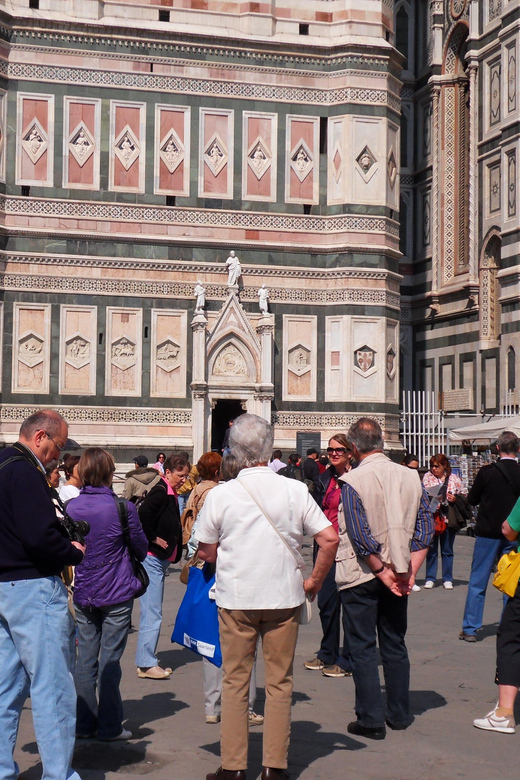
- Family-first storytelling: the Ruccelai, Ginori, Antinori, Strozzi, Medici, Vespucci, and Pazzi are placed into real streets and buildings
- Santa Maria Novella start: Alberti’s facade outside, then the chance to visit the Dominican pharmacy afterward
- Major stops without the museum slog: cathedral area, town hall area, and the old bridge (Ponte Vecchio) are covered on foot
- Guided context for the Medici power: San Lorenzo and Palazzo Medici-Riccardi get explained in plain language
- 2 km total walking: enough to feel like you did something, not so much you get swallowed by the city
Starting at Santa Maria Novella, then walking the Renaissance like a map
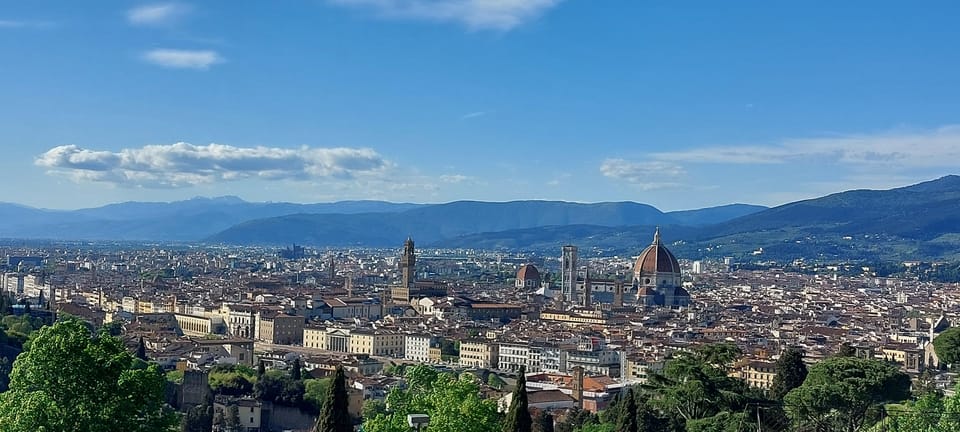
You meet at Piazza Santa Maria Novella, 29r, in the south of the square. The correct spot is opposite the church, under the loggia, at the entrance to Museo Novecento.
This matters because Santa Maria Novella is not just a landmark. It’s a natural launch pad: the Dominican complex and the surrounding center give you a starting frame for what the tour is really doing—reading Florence as a network of families, money, art, and power.
You should plan on good shoes and steady pace. The route covers about 2 km total, and you’ll be outside for the whole experience, so weather matters.
You can also read our reviews of more tours and experiences in Florence
Santa Maria Novella facade and the Dominican pharmacy payoff
The tour begins at the facade of Santa Maria Novella, where you’ll learn what you’re looking at and why it became famous. The highlights here include the well-known Alberti facade and the Dominican pharmacy connection.
What I like about this opening: it gives you a visual anchor immediately. Instead of starting with random streets, you begin with a building front people come to see, and your guide makes the surrounding story click.
After the walking portion ends back at Santa Maria Novella, you get a chance to finally visit the Dominican pharmacy. The tour doesn’t include tickets or inside-time for paid attractions, but this “finish where you started” structure is a practical bonus: you don’t feel like you’re sprinting past the place you most wanted.
San Lorenzo: Medici burial place energy and a leather crafts market feel
Next, you head toward San Lorenzo. This stop is built around two strong themes: it’s the burial place connected to the Medici, and it’s also tied to everyday local commerce, including the crafts market of leather.
Why that mix works: you get power plus practicality. One minute you’re absorbing why the Medici mattered; the next you’re in a zone where Florence life wasn’t just about art and politics—it was also about trades, goods, and the people who kept the city running.
Even if you’re not going inside anything, the names and landmarks give you a mental wayfinding system. You’ll start noticing how churches and workshops sit close together in the historic core, and how the city’s “Renaissance” identity isn’t trapped behind museum doors.
Palazzo Medici-Riccardi and the banking story behind the art
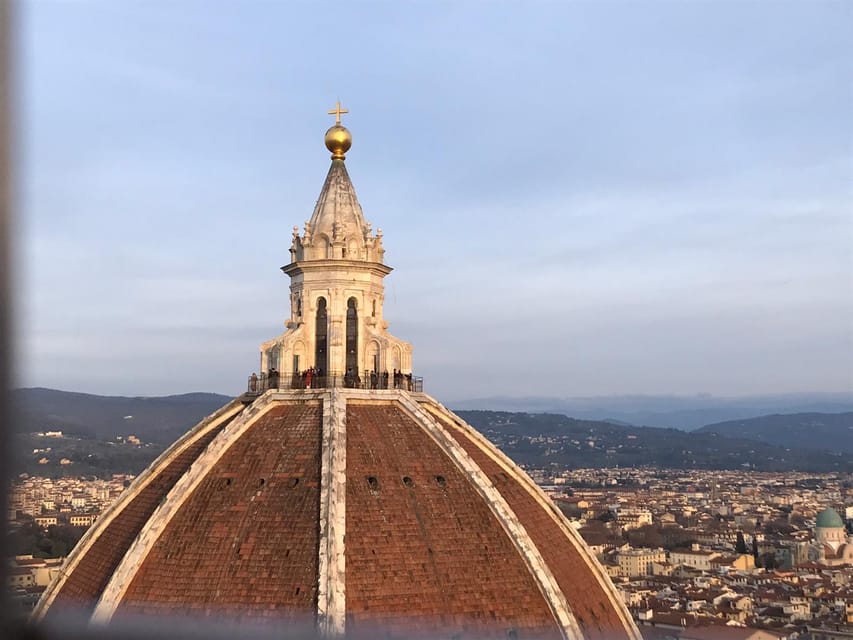
You’ll pass by and get context for Palazzo Medici-Riccardi, linked here to the idea of the Medici bank. This is one of those stops where the guide’s role matters most.
A lot of Florence sightseeing is just looking: dome, bridge, facade, photo. This one pushes you one step further by explaining how the wealth behind Renaissance patronage was tied to institutions—like banking—rather than magic.
Practical takeaway for you: when you’re later looking at paintings or architecture in Florence, you’ll have a clearer reason for why certain families were investing so hard in the city. The palazzo stop helps you connect money to monuments.
Florence Cathedral area and Brunelleschi’s dome from the street
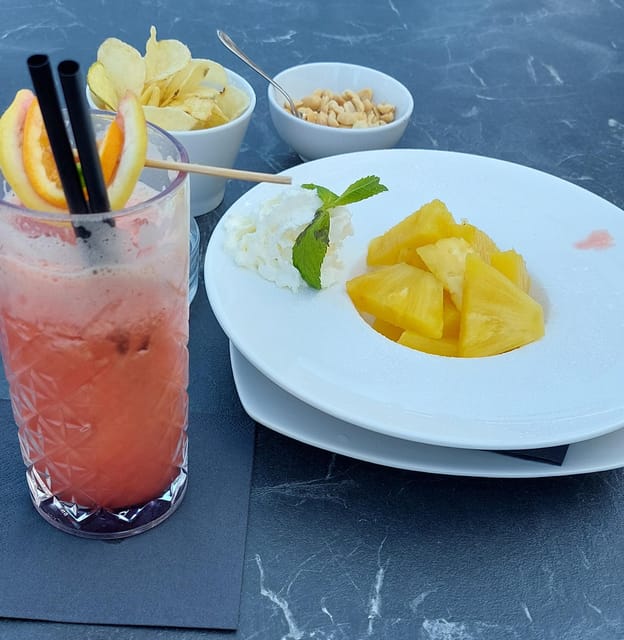
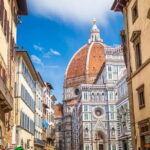
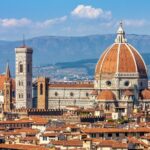
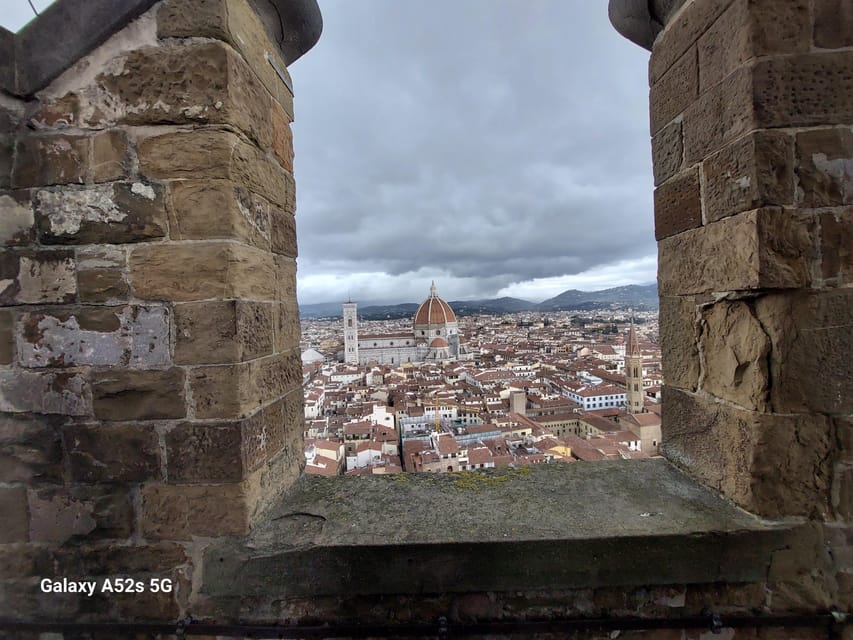
You’ll also see the Cathedral area with Brunelleschi’s dome. Since the tour does not include interior visits, think of this as a structured exterior orientation.
What you gain is direction. The cathedral zone can feel overwhelming if you arrive cold. With a guide talking through the setting, you’ll understand why the dome is such a big deal and how the area fits into the city’s public identity.
The tour also references other nearby civic markers, like the town hall area. That’s useful because it frames Florence as a place where art and governance were constantly side-by-side.
- The Best tour in Florence: Renaissance & Medici Tales – guided by a STORYTELLER
★ 5.0 · 12,316 reviews
Piazza della Signoria to Ponte Vecchio: the public stage of power
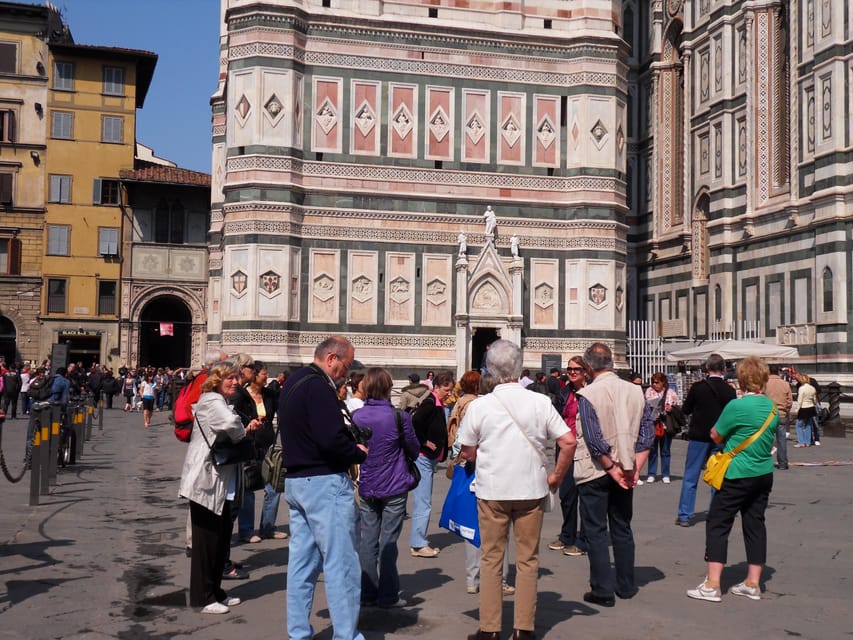
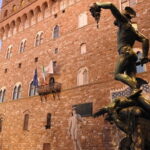
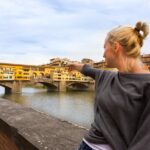
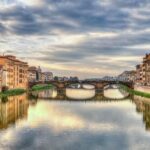
One of the best payoff sections of the walk is the shift into Piazza della Signoria and then across toward Ponte Vecchio. You’ll see both, with the old bridge (Ponte Vecchio) included as a key highlight.
Piazza della Signoria is all about public presence. This stop helps you understand that Florence’s big moments weren’t hidden in private rooms. They played out in squares where people gathered and decisions got made.
Then you move toward Ponte Vecchio, the older bridge that travelers and locals recognize instantly. Even from the outside, this is the kind of moment where you can connect visual Italy to the names your guide is explaining—power, wealth, and the way the city organizes itself around central crossings.
The exact pacing: 2 km on foot, no interior tours, outdoors the whole way
The tour is about 2 hours in duration, and the walking is roughly 2 km. One detail to watch: the tour description also uses wording about a 3-hour city tour, so check the exact time on your ticket and plan to be out for a short half-day.
Either way, the structure is clear: you’ll be walking from monument to monument while the guide explains what you’re seeing. Interior tours are not part of this experience, so you won’t be held in lines for churches or paid spaces.
What to wear matters. Bring weatherproof clothing for rain or sun, plus running shoes, a water bottle, and ideally a sun hat and umbrella. You’ll be in open air, and Florence weather can switch moods fast.
Also note the practical rules: pets and walking frames are not allowed, and you should expect a real walking pace. The experience is not suitable for wheelchair users, people with low fitness, visually impaired people, or hearing-impaired people.
Price and value: $59 for a fast, focused Florence orientation
At $59 per person, this tour isn’t a bargain in the “cheap” sense. It’s a value choice.
You’re paying for a live guide who connects multiple top sights in a compact loop, while explaining the city through families and power rather than just dates. You also get language options (German, Italian, English), and the route hits major names and places you’d otherwise piece together on your own.
What’s not included is just as important as what is included. There’s no tasting, no catering, and no tickets. So if you want museum time or food stops, budget separately. If you mainly want to understand Florence quickly and see the landmark sequence without interior commitments, the pricing makes sense.
Guide quality: why Monika gets named in German feedback
The guide is live, and multiple languages are supported: German, Italian, and English. In the German-language feedback I saw, the guide Monika gets specifically mentioned for being both informative and entertaining, with knowledge that’s easy to follow.
That’s a big deal for this kind of tour. When you’re covering several monuments in a short timeframe, the guide’s clarity determines whether you remember the story afterward or just collect photos.
If you’re deciding based on learning style, look for a tour where the guide does more than point. This one is designed to connect the city’s names—Ruccelai to Medici to Pazzi—to the places you pass.
Who should book this Florence walk (and who should skip it)
This tour is a strong fit if you want:
- A structured overview that links Renaissance families to specific sites
- Outdoor, street-level sightseeing with a guide doing the explanation work
- A loop that starts and ends at Santa Maria Novella, so you can add the Dominican pharmacy afterward
It’s not ideal if you:
- Need wheelchair access or have mobility limitations for about 2 km of walking
- Want interior tours, museum tickets, or a long pause-and-sit experience
- Are traveling with babies under 1 year, children under 7, or you need accommodations for specific accessibility needs (visually impaired or hearing-impaired)
If you’re the kind of person who likes Florence best when you understand why buildings were built and who paid for what, you’ll probably feel satisfied after the walk.
Should you book Florenz: most important Moments in 3 hours?
Yes—if your goal is a clear Florence story in a short, walkable format. The best reason to book is the structure: Santa Maria Novella at the start, then Medici power sites, then the Cathedral area, then Piazza della Signoria and Ponte Vecchio, all tied to specific family names.
Skip it if you’re looking for interior access, museum tickets, or long time inside major sights. Also skip if 2 km of outdoor walking is a stretch for you.
If you can handle a brisk urban walk and you like your history explained in plain terms, this is a smart way to get oriented fast.
FAQ
Where do we meet for this Florence tour?
You meet at Piazza Santa Maria Novella, 29r. It’s in the south of the piazza, opposite the church, under the loggia, at the entrance to Museo Novecento.
How long is the tour?
The duration is listed as about 2 hours. The experience description also refers to a 3-hour city tour, so check your specific time slot.
How much walking is involved?
You cover approximately 2 km on foot during the tour.
Does this tour include interior visits or museum entry?
No. The tour does not include interior tours.
What are the main highlights?
You’ll focus on Santa Maria Novella (including the Alberti facade and the Dominican pharmacy), San Lorenzo (Medici burial place and the leather crafts market), Palazzo Medici-Riccardi, the Cathedral area with Brunelleschi’s dome, and Piazza della Signoria plus Ponte Vecchio.
Which languages are available for the live guide?
The live tour guide is available in German, Italian, and English.
What should I bring?
Bring comfortable shoes, weatherproof clothing (rain and sun), a sun hat, an umbrella, and a water bottle. You’ll also need a passport or ID card (copy accepted) and a passport-sized photo.
What is not allowed during the tour?
Pets are not allowed. Walking frames are not allowed. The tour also lists rules such as not touching exhibits, no costume, and no bare feet.
Is it okay for children or for accessibility needs?
It’s not suitable for children under 7 and babies under 1 year. It’s also not suitable for wheelchair users and is not recommended for people with low fitness, visually impaired people, or hearing-impaired people.
Is the price just for the tour, or are tickets and food included?
The tour price is for the guided city tour. Tasting, catering, and tickets are not included.
You Might Also Enjoy
More 3-Hour Experiences in Florence
More Tour Reviews in Florence
- Tuscany Day Trip from Florence: Siena, San Gimignano, Pisa and Lunch at a Winery
★ 5.0 · 21,634 reviews - The Best tour in Florence: Renaissance & Medici Tales – guided by a STORYTELLER
★ 5.0 · 12,316 reviews