REVIEW · FLORENCE
Florence Unveiled: The Rivalry of Leonardo and Michelangelo
Book on GetYourGuide →Operated by Senza Meta/Out & About · Bookable on GetYourGuide
Leonardo and Michelangelo, in your face—on foot. This 3-hour walking tour in Florence turns the big Renaissance names into a street-level story, starting at the Neptune fountain and working toward Crocifisso ligneo with Leonardo vs Michelangelo drama. You’ll also track how the Medici shaped what got made, who got paid, and who got remembered.
I especially like the small-group feel and the way Antonio tells the story like he’s handing you a map, not a lecture. I also like the practical bonus: a photo of Antonio’s secret diary that points you to food, drinks, museums, gardens, and even wine tasting ideas.
The main thing to plan for is the walking and standing. You’re moving around Florence for a few hours, so comfortable shoes matter, and in summer you’ll want real water (at least 500 ml) and a hat.
In This Review
- Key things you’ll notice right away
- Florence on foot: why this 3-hour story walk works
- Starting at Piazza della Signoria: Neptune, Palazzo Vecchio, and the art-politics mix
- Piazza della Signoria to the river: why Ponte Vecchio changes the tone
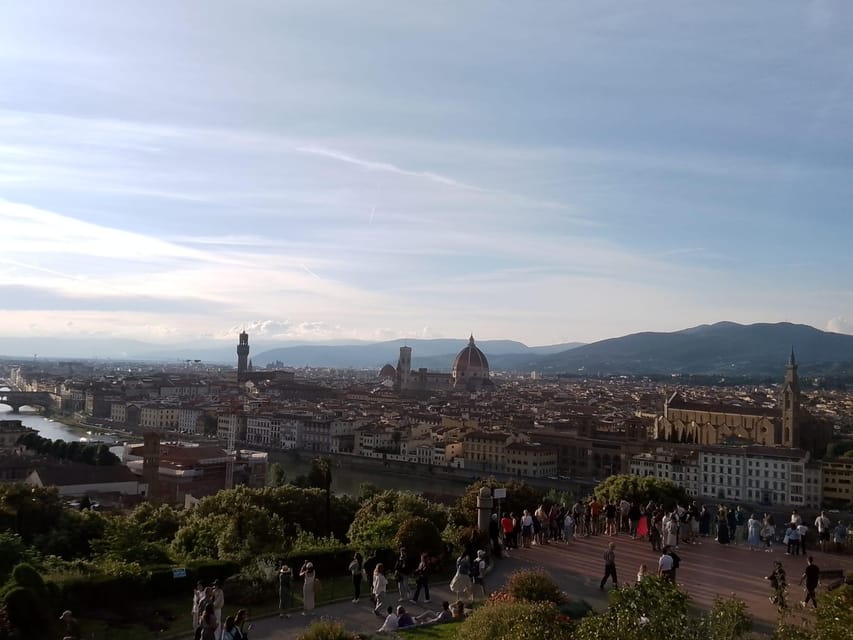
- Piazza della Repubblica and the Santa Maria del Fiore complex: getting your bearings fast
- The rivalry thread: how Medici commissions shaped what Leonardo and Michelangelo made
- Santo Spirito and Crocifisso ligneo: the finale that makes the story personal
- Food, drinks, photos, and Antonio’s secret diary: the part you’ll use later
- Price and value: what $53 buys you (and what it won’t)
- Optional add-ons: Medici Chapel and Leonardo interactive museum
- Who should book this tour, and who might want a different plan
- Should you book Florence Unveiled?
- FAQ
- How long is the Florence Unveiled tour?
- Where do I meet the guide?
- Where does the tour end?
- Is the tour offered in English?
- What’s included in the price?
- Can I add a Medici Chapel visit or Leonardo’s interactive museum?
- What should I bring for Florence summer heat?
- Is this tour suitable for children?
Key things you’ll notice right away
- Antonio’s storytelling makes the Leonardo–Michelangelo rivalry easy to picture as you walk.
- A local pace with photo breaks means you’re not just trying to keep up.
- Off-the-beaten-path stops help you see Florence beyond the obvious postcard spots.
- Food & drinks are included, so you don’t end the tour still starving.
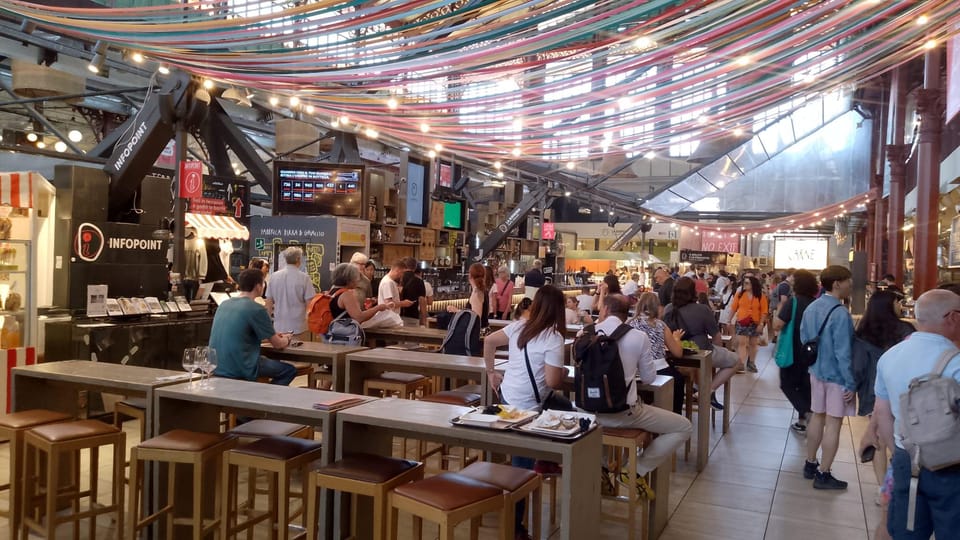
- You’ll finish at Mercato Centrale, a great launchpad for what comes next.
- Michelangelo’s Crocifisso ligneo is the intimate finale, tied to his early years.
Florence on foot: why this 3-hour story walk works
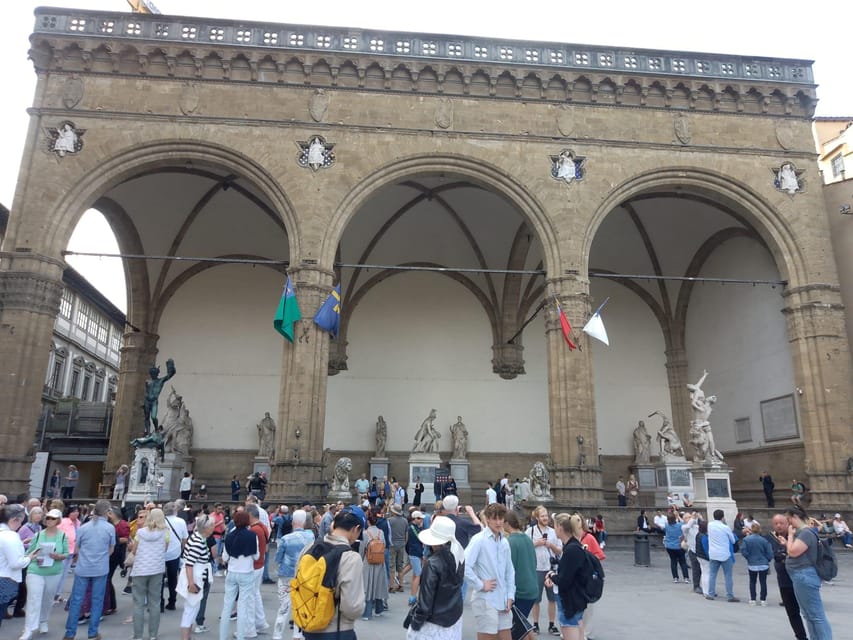
If Florence feels like too much at once, this is a smart fix. In just three hours, you get the famous buildings and also the human drama behind them: competition, patronage, ego, and art that was constantly being judged.
The tour is built around a clean narrative thread. You start near Palazzo Vecchio (with the Neptune fountain as your landmark), then you move through major squares and bridges, and you end where Michelangelo’s early genius is explained—inside Santo Spirito, with Crocifisso ligneo in view.
And yes, there’s real value in how the tour is paced. The experience includes breaks to stop for photos, plus food and drinks. That matters in Florence, where a “quick look” tour can turn into a long, sweaty shuffle.
You can also read our reviews of more tours and experiences in Florence.
- Tuscany Day Trip from Florence: Siena, San Gimignano, Pisa and Lunch at a Winery
★ 5.0 · 21,634 reviews
Starting at Piazza della Signoria: Neptune, Palazzo Vecchio, and the art-politics mix
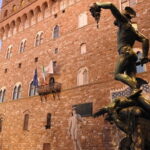
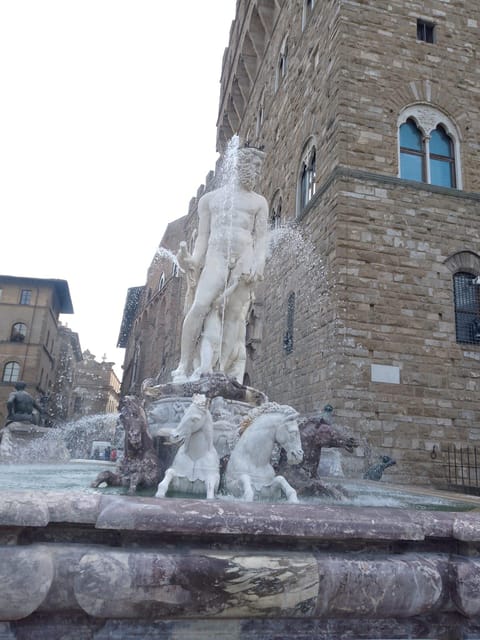
Your meeting point is the Neptune statue in Piazza della Signoria, right beside Palazzo Vecchio. This area is more than a pretty square. It’s one of the places where Florence’s public power and its art culture overlap.
From here, the tour connects the dots between Florence’s ruling class and its artists. The Medici family—merchants who became bankers and then de facto rulers—did what wealthy patrons in every era do: they put money behind ideas they wanted to see succeed. That’s the backdrop for the rivalry you’ll hear about throughout the walk.
You’ll also spend time in Piazza della Signoria itself, with a photo stop and guided time for orientation. This is one of those squares where it helps to have someone point out what you’re actually looking at and why it matters.
Piazza della Signoria to the river: why Ponte Vecchio changes the tone
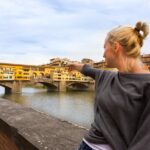
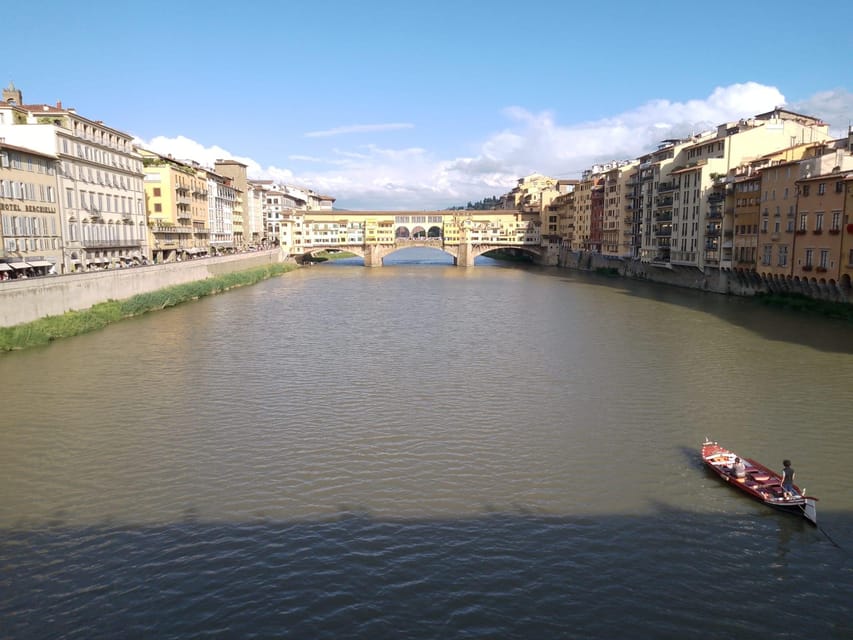
After Piazza della Signoria, you cross toward Ponte Vecchio, Florence’s oldest bridge. It’s famous for a reason: you’re walking a historic connector that has been lined with jewelry shops since the Medici era.
This segment works because it changes the feel. Piazza del Duomo-area Florence can feel like big-ticket sightseeing. Ponte Vecchio and the approach toward Oltrarno-area streets are more about texture—small details, craft, and the sense that daily life and art history are tangled together.
You’ll get a photo stop and guided time here, but the bigger point is the story shift. The rivalry isn’t just about two geniuses competing in a vacuum. It’s about commissions, politics, and patrons trying to win prestige through art.
Piazza della Repubblica and the Santa Maria del Fiore complex: getting your bearings fast
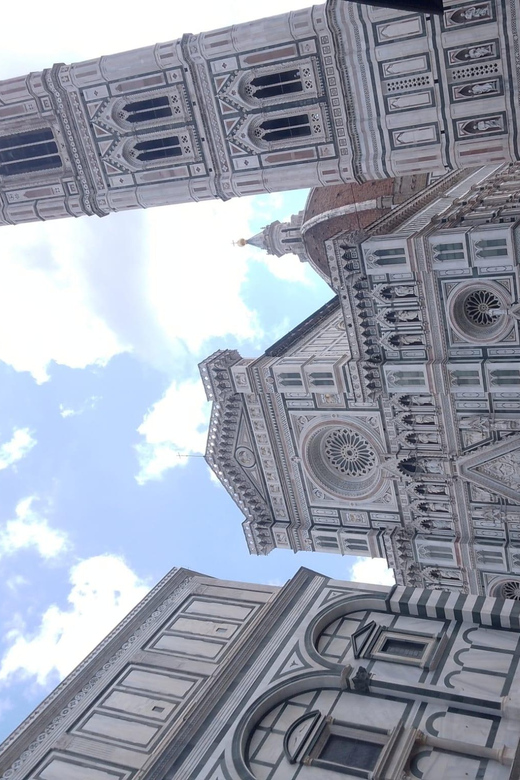
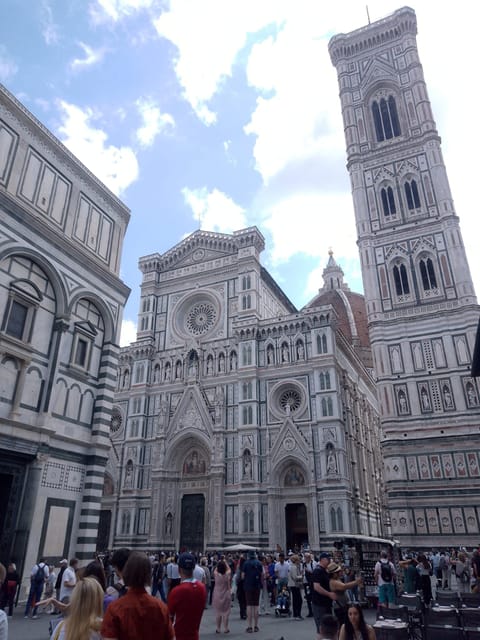
Next, you move through Piazza della Repubblica and toward Santa Maria del Fiore. This is the part of Florence where the city’s scale can hit you all at once—so having a guided “what to notice” flow is useful.
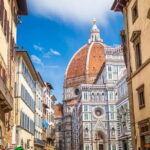
At the Cathedral of Santa Maria del Fiore, you’ll get guided time plus a photo stop. Then the tour continues around the dome zone, with time dedicated to Brunelleschi’s Dome and Giotto’s Bell Tower.
Here’s what I’d watch for as you go. Even if you know these names, the tour helps you see the architectural thinking behind them: how bold design and engineering choices became a kind of civic pride. In a city where art was a status tool, construction was also part of the message.
Practical note: this section involves more standing and looking up than you might expect. If you’re someone who dislikes crowds or sun, start hydrating early and wear shoes that handle uneven stone.
The rivalry thread: how Medici commissions shaped what Leonardo and Michelangelo made
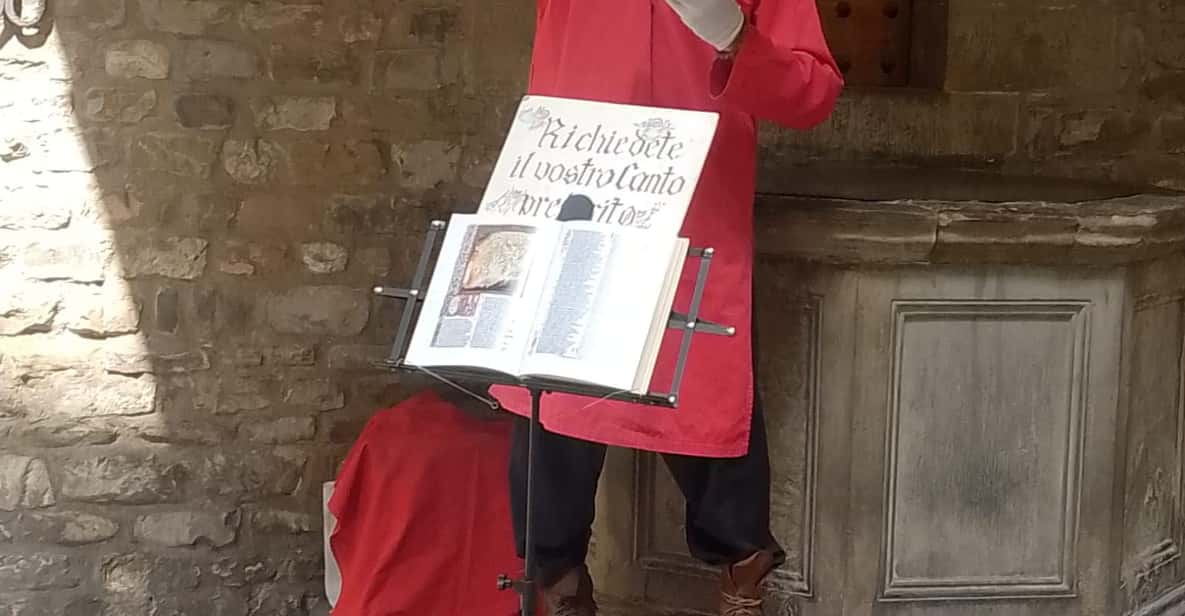
One of the strongest parts of the experience is how it connects the rivalry to commissions. You’re not just hearing that Leonardo and Michelangelo competed. You’re hearing why that competition mattered: the Medici-era system pushed artists into high-stakes projects with visible stakes.
The tour explains the Medici’s role in turning Florence into a center for humanism, science, and art. It also frames the rivalry around their dueling fresco commissions for the Palazzo Vecchio. The key detail here is the outcome: both murals remain unfinished, but their competition still defined an era.
You’ll also see how the art “pipeline” worked in real terms—artists tied to patrons, and patrons tied to the public story of Florence. That’s why a short, guided walking format can be better than trying to piece everything together alone. Someone gives you the cause-and-effect chain, and then you can walk it.
- The Best tour in Florence: Renaissance & Medici Tales – guided by a STORYTELLER
★ 5.0 · 12,316 reviews




Santo Spirito and Crocifisso ligneo: the finale that makes the story personal
The last major stop is Basilica di Santo Spirito, with guided time inside. This is where the tour earns its emotional punch.
You’ll hear that after the death of Lorenzo de’ Medici, young Michelangelo lived at the monastery here around 1492. The monks allowed him to study corpses from the hospital—an access that gave him unusual insight into human anatomy. That understanding shaped his lifelike, emotionally charged sculptures.
Then you get the centerpiece: inside the church is Crocifisso ligneo, a wooden crucifix carved by Michelangelo at just 17. It’s described as reflecting his early grasp of anatomy and proportion, plus his spiritual depth and sensitivity.
Why this ending works so well: the rivalry story stops being abstract. You go from “who won commissions” to “how did an early teenage genius think and work.” You leave with a sharper sense of where Michelangelo’s skill came from, not just what he later produced.
Food, drinks, photos, and Antonio’s secret diary: the part you’ll use later
A normal walking tour can end and you’re still stuck. You get the sightseeing, but not the local follow-up.
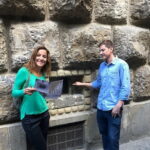
This experience adds real usefulness. Food and drinks are included, and the guide also shares a photo of Antonio’s secret diary with top spots for food, music, museums, gardens, wine tasting, and more. Even if you don’t follow every suggestion, it gives you a shortcut to choices that match your interests instead of forcing you into pure guesswork.
The tour also builds in breaks for good photos. That sounds small until you do Florence without pauses. Then you realize how often you miss the details because you’re rushing or sweating through the day.
And from the feedback, Antonio’s style is a big part of why people rate it so highly. The comments describe him as passionate, energetic, and clearly focused on storytelling, not just reciting dates.
Price and value: what $53 buys you (and what it won’t)
At $53 per person for a 3-hour tour, you’re paying for three things: a guided story, time saved by knowing where to look, and added extras like food and drinks.
Here’s my value take. This is a good price when you want orientation plus meaning in a short window. The guide isn’t just moving you between monuments; the tour connects Medici power, the Leonardo–Michelangelo rivalry, and Michelangelo’s early development to what you see on the street.
What it won’t be is a full museum day with hours inside major collections. If you’re the type who wants long, slow time in big-ticket indoor exhibits, you’ll probably want to add time elsewhere.
Optional add-ons: Medici Chapel and Leonardo interactive museum
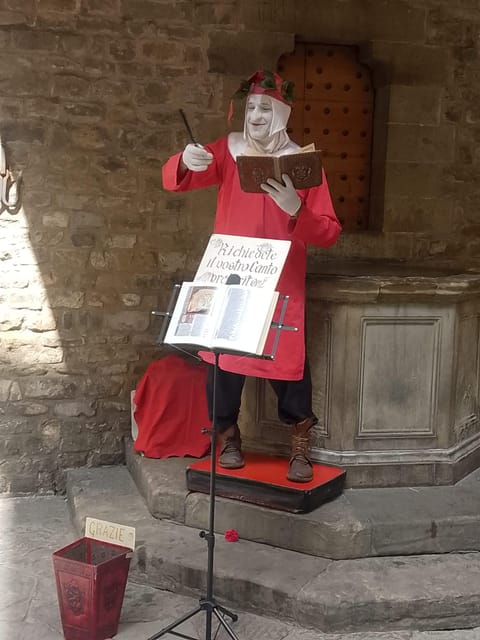
If you want to go further after the walk, the tour offers optional add-ons you can book online: a visit to the Medici Chapel for €19 and Leonardo’s interactive museum for €9.
This is a smart way to customize the experience. Keep the walking story as your backbone, then add museum time only if you’re hungry for more. It’s also a way to extend your Michelangelo-and-Leonardo theme without turning the day into a nonstop marathon.
Who should book this tour, and who might want a different plan
This works best if you:
- want a focused Renaissance theme that doesn’t require museum expertise
- like walking tours where the guide gives context as you go
- care about food and local ideas, not only architecture
- want a short first look at Florence with a strong narrative thread
It may not be ideal if you:
- dislike walking and standing for a few hours
- expect a long, inside-only museum schedule
- are traveling with very young kids (it’s not suitable for babies under 1 and children under 2)
Should you book Florence Unveiled?
I think it’s a great choice if you want Florence to make sense fast. The Leonardo–Michelangelo rivalry theme is memorable, and the ending at Santo Spirito with Crocifisso ligneo gives the story a grounded, human payoff. Add in food and drinks plus Antonio’s secret diary photo, and you get more than just sightseeing.
Book it if you like guided story tours that help you notice what matters. Skip it (or plan extra time on your own) if you’re hoping for a full-day museum deep dive.
FAQ
How long is the Florence Unveiled tour?
The tour lasts 3 hours.
Where do I meet the guide?
You meet at the Neptune statue beside Palazzo Vecchio, in Piazza della Signoria.
Where does the tour end?
The tour ends at Mercato Centrale.
Is the tour offered in English?
Yes, the live tour guide provides the tour in English.
What’s included in the price?
The tour includes a professional guide, breaks for photos, a photo of Antonio’s secret diary with recommended places for food, drinks, museums, gardens, and wine tasting, plus food and drinks.
Can I add a Medici Chapel visit or Leonardo’s interactive museum?
Yes. You can add a Medici Chapel visit (€19) and Leonardo’s interactive museum (€9) by booking online.
What should I bring for Florence summer heat?
Bring comfortable shoes. The tour also recommends wearing a hat and carrying at least 500 ml of water to handle scorching summer conditions.
Is this tour suitable for children?
No. It’s not suitable for babies under 1 year or children under 2 years.
You Might Also Enjoy

More Tour Reviews in Florence
- Tuscany Day Trip from Florence: Siena, San Gimignano, Pisa and Lunch at a Winery
★ 5.0 · 21,634 reviews - The Best tour in Florence: Renaissance & Medici Tales – guided by a STORYTELLER
★ 5.0 · 12,316 reviews