REVIEW · FLORENCE
Florence: Uffizi Gallery Entry Ticket
Book on GetYourGuide →Operated by StarFlorence · Bookable on GetYourGuide
Florence’s art rush is easier with reservations. This Uffizi Gallery entry ticket comes with a skip-the-ticket-line setup and a guided, time-ordered route through some of Italy’s most famous paintings and collections. It’s one of Europe’s older museum experiences, so the pacing and order matter more than you might think.
I like that you follow an actual sequence through major eras, rather than wandering and guessing which room comes next. You’ll also get specific anchors like Giotto’s Madonna di Ognissanti, Botticelli’s Birth of Venus, Leonardo’s Annunciation, Caravaggio’s Medusa, and Michelangelo’s only wood-based painting. One possible drawback: the price (from $59.22 per person) can feel steep if you expect more than a ticket-and-walkthrough format, especially since there’s at least one complaint about feeling overcharged for minimal added service.
In This Review
- Key things to know before you go
- Uffizi Gallery entry: what you’re really buying
- Meet your guide at the right spot (Leonardo da Vinci statue)
- How the visit flows: Byzantine roots to Renaissance peaks
- The early halls: Giotto, Cimabue, and Duccio
- Botticelli, Leonardo, and the Renaissance center stage
- Michelangelo’s wood painting: small, specific, memorable
- Caravaggio’s Medusa and the drama of later style
- Why the Medici collection matters here (Anna Maria Luisa included)
- Price and value: is $59.22 worth it?
- Logistics that affect your comfort (bags, ID, rules)
- Who this fits best (and who might prefer DIY)
- Should you book this Uffizi Gallery entry ticket tour?
- FAQ
- Where is the meeting point for the Uffizi Gallery entry experience?
- What is included in the ticket price?
- How long does the experience last?
- Does this include skipping the ticket line?
- Is the tour wheelchair accessible?
- What do I need to bring?
- Are pets or large bags allowed?
- Is food or drinks included?
- Is hotel pickup or drop-off included?
- What if my plans change?
Key things to know before you go
- Skip-the-ticket-line entry with reservation means you spend less time staring at the crowd machine and more time in the galleries.
- A chronological route (Byzantine to Renaissance) helps you understand what changed in Italian art and why.
- Medici collection context is built into the experience, including a look at Anna Maria Luisa de’ Medici in the museum.
- Big-name artworks are grouped by theme and era, so you’re not hunting alone through dozens of rooms.
- Clear meeting point at Uffizi Gallery Square near Leonardo da Vinci’s statue makes it easier to regroup.
- Museum rules are strict: no pets and no large bags, so plan light.
Uffizi Gallery entry: what you’re really buying
This experience is focused and simple: you get a ticket and reservation for the Uffizi Gallery, plus a guided meet-up that helps you get in smoothly. The total time you’ll plan for is listed as 1 day, with starting times depending on availability.
For many people, the Uffizi is a “must-see” in Florence. The trick is that the museum is huge, and without a plan you can lose an hour just figuring out where to go next. This tour format leans into that problem by guiding you through an order that takes you back in time, starting with earlier styles and moving forward.
Also, the Uffizi experience here is described as more than just a highlight reel. You’ll move through major developments in Italian painting from the Middle Ages into the Italian Renaissance, and you’ll see key works connected to the famous Medici collection.
You can also read our reviews of more tours and experiences in Florence


Meet your guide at the right spot (Leonardo da Vinci statue)
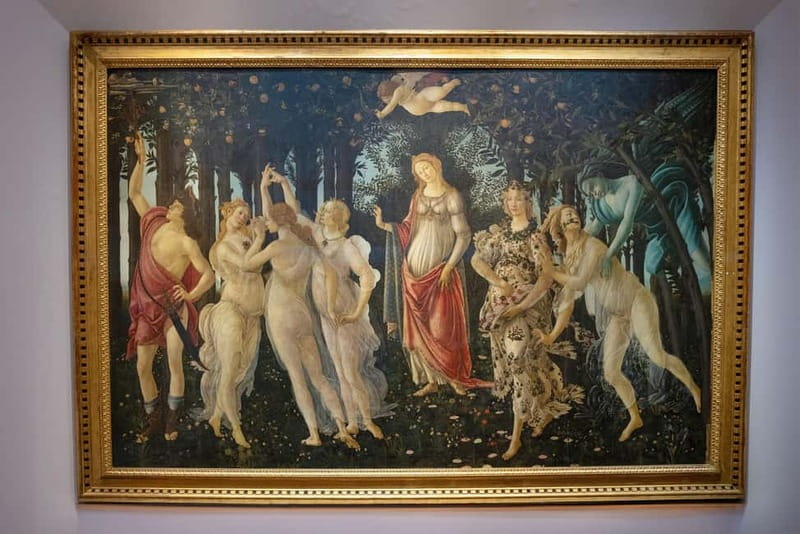
The start is set at Uffizi Gallery Square, at Leonardo da Vinci’s statue. That’s a practical detail worth respecting, because when you’re in a busy tourist zone, “near the entrance” can mean five different corners.
You’ll meet the guide, then the tour ends back at that same meeting point. That round-trip setup is useful if you’re planning to continue on to another stop afterward (like a café or a church nearby) without worrying about transportation or where your group gets dropped.
Tip: arrive a little early so you’re not rushing. You’re bringing ID anyway, and a calm start makes the whole museum feel less chaotic.
How the visit flows: Byzantine roots to Renaissance peaks
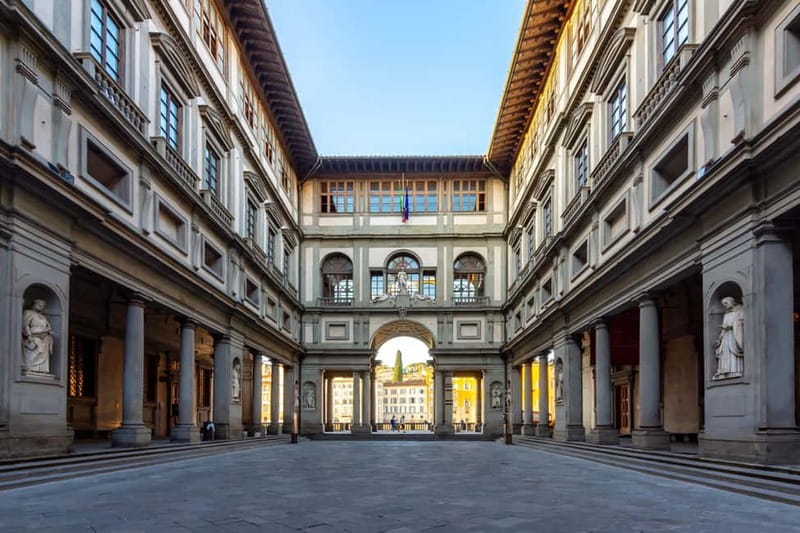
One of the most helpful parts of this experience is the way it’s described as sequential. You start with earlier art—Byzantine and Middle Ages—and then you move gradually toward Renaissance masterpieces. That order matters because many visitors stare at early works and think they’re all the same. With the right framework, you start noticing changes: technique, style, emotion, and even what artists chose to emphasize.
The experience also builds in some flexibility: you’re encouraged to look around on your own while following the overall timeline. That’s smart, because the Uffizi rewards slow looking. A guided route gives you direction, and independent time lets you pause where you personally connect.
What this means for you in real terms:
- You’re less likely to miss a “must-know” room by accident.
- You’ll spend more time understanding relationships between artists and eras.
- You’ll feel less like you’re sprinting through a checklist.
The early halls: Giotto, Cimabue, and Duccio
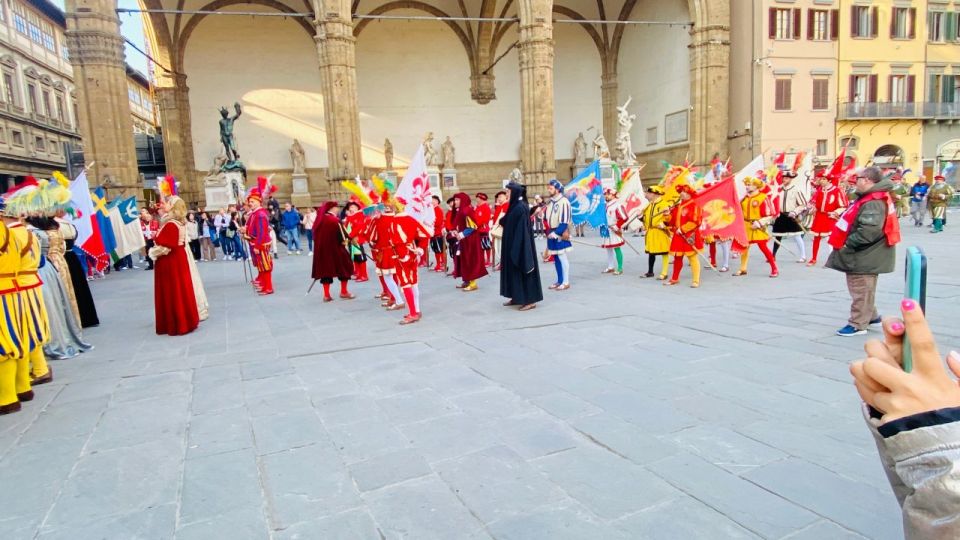
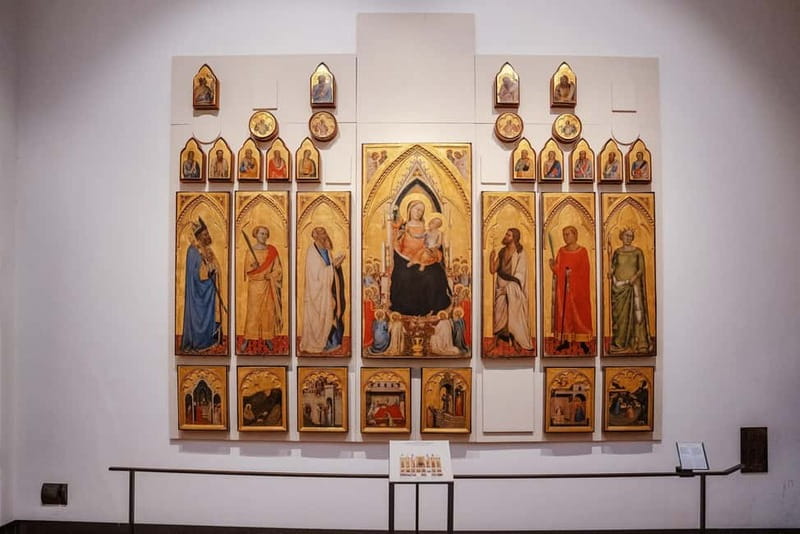
The first hall is highlighted for early Italian painting, with works by Giotto, Cimabue, and Duccio di Buoninsegna. If you care about how Renaissance art was built, this is where you start seeing the foundation.
These early artists don’t always look like what people expect from the word Renaissance. But that’s the point. You’ll be looking at a time when painting was evolving rapidly—moving away from older Byzantine influence and toward more natural forms and narrative clarity.
A specific standout called out here is Giotto’s Madonna di Ognissanti. When you see an icon-like subject treated with the era’s growing sense of presence and weight, it helps explain why later artists were able to push further. You’re not just looking at pretty art; you’re tracking the development of a visual language.
Botticelli, Leonardo, and the Renaissance center stage
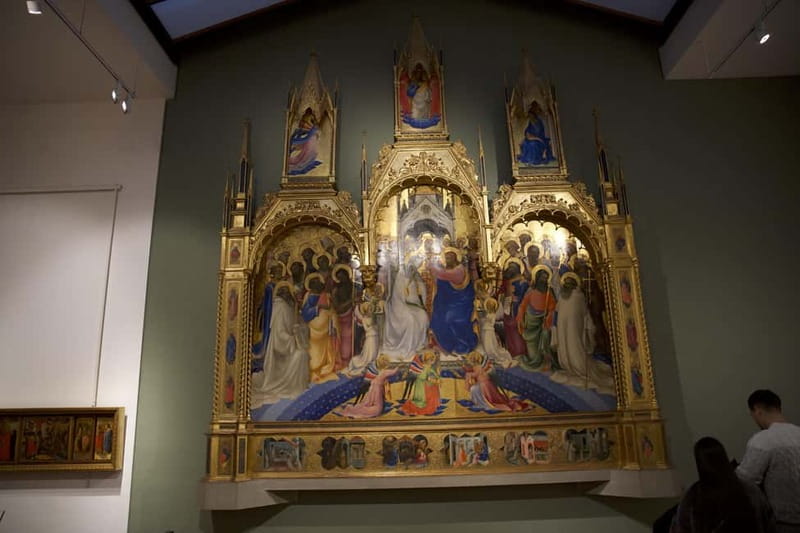
As the route moves into the Renaissance, the highlights get famously dramatic. This experience specifically names:
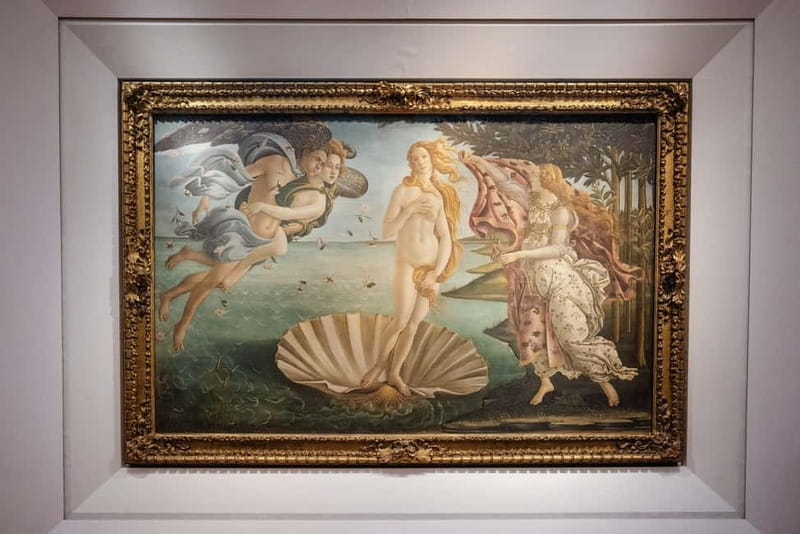
- Botticelli’s Birth of Venus
- Leonardo’s Annunciation
- The museum route that includes Venus-themed works linked to Botticelli
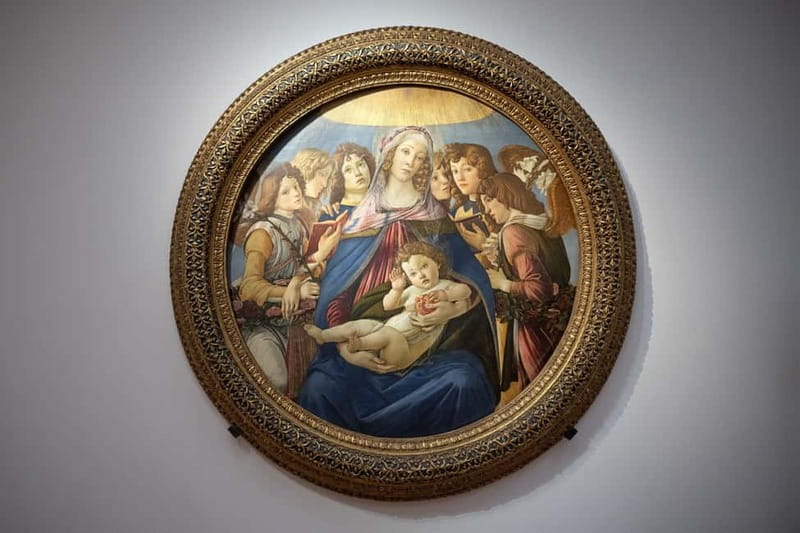
Even if you’ve heard of these paintings already, seeing them in context is different. The museum’s layout and the way the experience is paced push you to notice connections rather than just stare at one iconic artwork and move on.
Leonardo’s Annunciation is called out directly. That’s a good anchor because it’s both recognizable and complex—full of gesture and atmosphere. If you’ve ever wondered why Leonardo became a bigger deal than his peers, paying attention to how he organizes the scene is one of the fastest ways to understand.
Botticelli’s Birth of Venus is another named must-see. This is the kind of painting that can feel iconic in posters, but in person it tends to hit differently because you can actually study details instead of just the famous silhouette.
You can also read our reviews of more museum experiences in Florence




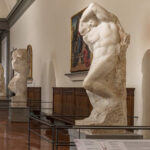
Michelangelo’s wood painting: small, specific, memorable
One highlight that’s easy to overlook if you’re thinking only of large fresco-like works is Michelangelo’s only wood-based painting, which is specifically mentioned as part of the experience.
That detail is valuable because it tells you something important about the museum’s collection: it isn’t only about the most famous ceiling-to-floor masterpieces. It’s also about how artists worked across mediums, and how the Uffizi preserves items that are unusual for Michelangelo in particular.
If you’re the type who likes a museum to surprise you, put extra attention on this one. A single, specific work can be easier to remember later than ten “general great paintings.”
Caravaggio’s Medusa and the drama of later style
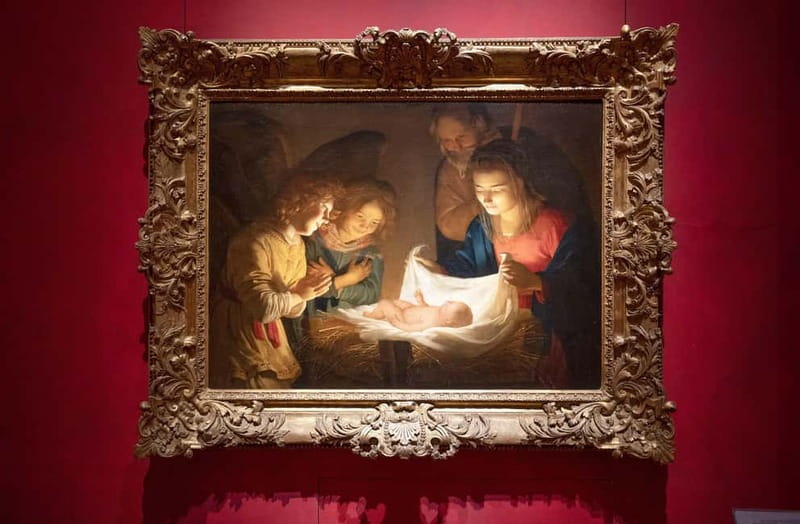
Caravaggio’s Medusa is also named as a highlight. Caravaggio is a different energy from the Renaissance ideal of polished perfection. His work is associated with stronger realism and dramatic lighting effects, and that makes him a great late-stage stop on a route like this.
Even without getting too technical, you’ll likely feel a shift when you reach the paintings associated with Caravaggio and other later masters. The tone changes. The art doesn’t just look different; it reads different.
In a visit built around “move forward in time,” Caravaggio is a good stress test for whether your brain stayed engaged. If you’re feeling museum-fatigued by then, this is one of the works that can reset your attention.
Why the Medici collection matters here (Anna Maria Luisa included)
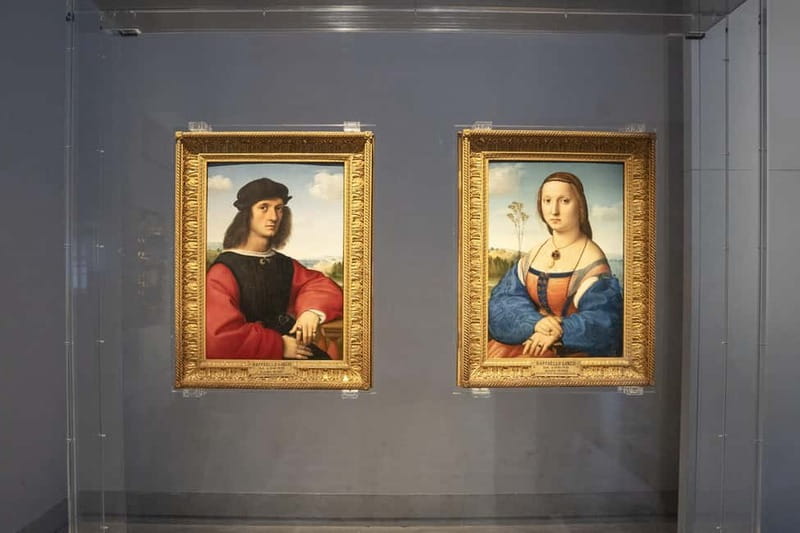
A big part of what you’re paying for is not just the paintings themselves, but the way the experience explains why the Uffizi feels like more than a public museum. The Medici family backed artists for generations and owned a lot of the masterpieces in Florence. That collection—including ancient statues and busts—forms a core part of what you’re walking through.
The experience also mentions that the museum holds ancient Roman copies of extinct Greek sculptures. That detail can change how you look at “antique” objects: you start thinking about how Renaissance collectors shaped what later audiences would consider classic beauty.
After entering, you’ll see the portrait of Anna Maria Luisa de’ Medici, described as the last surviving Medici responsible for donating the family’s collections to the city. Even if you don’t read every label in the museum, this moment gives the visit a narrative backbone. You’re not just browsing; you’re seeing how power, taste, and patronage shaped what survives today.
Price and value: is $59.22 worth it?
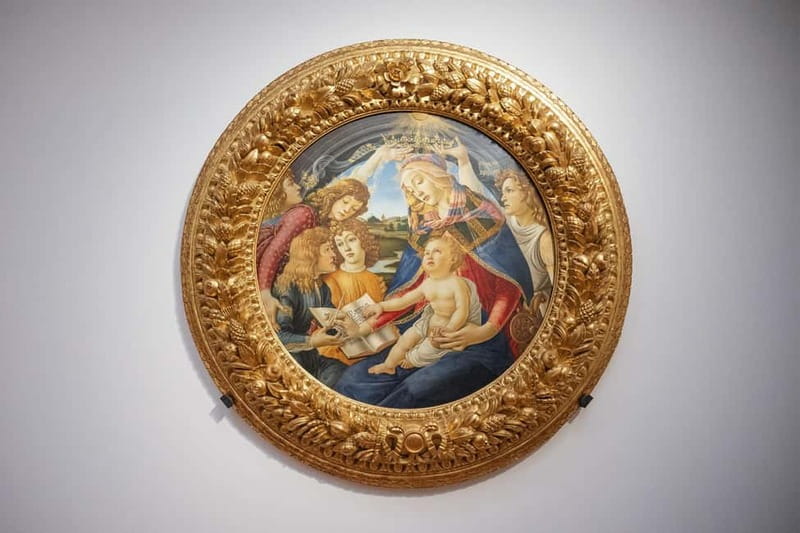
At $59.22 per person, this isn’t a bargain ticket. So I think it’s smart to judge value by what’s actually included: a ticket and reservation, plus a skip-the-ticket-line experience and a guided route.
Here’s when it tends to feel worth it:
- You want a guided, chronological flow that covers named highlights across eras.
- You’re visiting during busy times and want the entry friction reduced.
- You’d rather spend your energy looking at art than planning your own room-by-room route.
Here’s when you should pause:
- If you expect a lot of personalized explanation at length, you might feel disappointed.
- If what you want is maximum freedom to wander without any structure, a self-guided ticket can be easier and sometimes cheaper.
There’s a caution in the available feedback: one complaint notes paying what felt like double the entrance price and questions what service was really added beyond ticket handoff at the entrance. I can’t confirm what your guide’s level of involvement will be from this alone, but it’s a real reminder to set expectations. This is a museum entry + guided route format, not a private lecture.
Logistics that affect your comfort (bags, ID, rules)
This is where small details can save you stress.
Bring a passport or ID card. The museum also restricts pets and disallows oversize luggage or luggage/large bags. So think “small daypack only.”
If you’re traveling light anyway, you’ll likely be fine. If you’re carrying camera gear, snacks, or shopping bags, plan ahead so you don’t end up dealing with storage rules on-site.
Good news: wheelchair accessibility is listed, so the experience is intended to be accessible for people who need it.
Who this fits best (and who might prefer DIY)
This works especially well for:
- First-timers who want the Uffizi highlights tied to an art-history timeline.
- Visitors who hate line logistics and want a reserved entry plan.
- People who like structured museum visits but still want time to look independently.
You might prefer a DIY approach if:
- You already know the Uffizi well and want total freedom without any guided flow.
- You’re sensitive to paying extra for what feels like a simple ticket-and-walkthrough service.
The sweet spot is someone who wants fewer decisions and more good art time.
Should you book this Uffizi Gallery entry ticket tour?
If your priority is a smooth, skip-the-line entry plus a guided route that helps you understand what you’re seeing, I’d say it’s a solid choice. The named highlights and the emphasis on moving chronologically through Byzantine-to-Renaissance development make it more than a random museum pass.
Just book with eyes open on value. At $59.22, you’re paying for reserved entry and guided flow. If you’re expecting long, deep, one-on-one interpretation, this may not meet that bar based on the service model described. If you want structure, timing help, and iconic works in a sensible order, you’ll likely leave with a much clearer picture of how this collection developed and why the Medici impact still shows up everywhere.
FAQ
Where is the meeting point for the Uffizi Gallery entry experience?
Meet the guide in Uffizi Gallery Square at Leonardo Da Vinci’s statue.
What is included in the ticket price?
It includes the ticket and reservation to the Uffizi Gallery.
How long does the experience last?
The duration is listed as 1 day. Starting times depend on availability.
Does this include skipping the ticket line?
Yes, it’s described as a skip-the-ticket-line entry.
Is the tour wheelchair accessible?
Wheelchair accessible is listed for this activity.
What do I need to bring?
You should bring a passport or ID card.
Are pets or large bags allowed?
No pets are allowed. Oversize luggage and luggage or large bags are not allowed.
Is food or drinks included?
No, food and drinks are not included.
Is hotel pickup or drop-off included?
No, hotel pickup and drop-off are not included.
What if my plans change?
Free cancellation is available up to 24 hours in advance for a full refund.
You Might Also Enjoy



More Museum Experiences in Florence
More Tickets in Florence


More Tour Reviews in Florence
- Tuscany Day Trip from Florence: Siena, San Gimignano, Pisa and Lunch at a Winery
★ 5.0 · 21,634 reviews - The Best tour in Florence: Renaissance & Medici Tales – guided by a STORYTELLER
★ 5.0 · 12,316 reviews