REVIEW · FLORENCE
Florence: Palatina Gallery and Pitti Palace Guided Tour
Book on GetYourGuide →Operated by StarFlorence · Bookable on GetYourGuide
Medici rooms teach you how to look fast. This guided tour threads together the Palatine Gallery and the Pitti Palace so you see Renaissance paintings in the exact rooms they were meant for, with skip-the-line access and time to linger. You’ll move from Medici power-culture to royal splendor without getting lost in museum chaos.
I really like the guided pacing and the small-group feel that keeps the conversation moving. I also love having a radio system so you can stay close to the art instead of craning your neck to catch every word.
One thing to keep in mind: the tour uses an audio system, and if it ever hiccups, you could miss a portion of what the guide is saying.
In This Review
- Key Things to Know Before You Go
- Why This Florence Combo Tour Works So Well
- Palatine Gallery: Renaissance Paintings in a Private-Collection Setting
- The Planetary Rooms: Frescoes and Stucco Designed for Maximum Drama
- Palazzo Pitti Royal Apartments: From Medici Residence to Italian Royal Life
- Timing That Keeps You From Rushing or Wandering
- Skip-the-Line Access and the Radio System: Small Comfort, Big Impact
- Optional Wine Tasting and Tuscan Pairings: A Good Upgrade If You Like Food Breaks
- What Makes the Guide Matter Here (Elena and Martina as Examples)
- Price and Value: Is $72.50 Worth It?
- Comfort, Rules, and Practical Tips That Save Hassle
- Who This Tour Is Best For
- Should You Book This Florence Palatine Gallery and Pitti Palace Tour?
Key Things to Know Before You Go
- Skip-the-line entry means more time inside the galleries instead of waiting outside.
- Medici residence context helps the paintings and rooms make sense together.
- Planetary Rooms by Pietro da Cortona give you fresco-and-stucco drama around the collection.
- Royal Apartments of the Pitti Palace add a second layer after the Renaissance main residence story.
- Optional wine and Tuscan bites can be a nice way to end the art focus without extending the day too much.
Why This Florence Combo Tour Works So Well
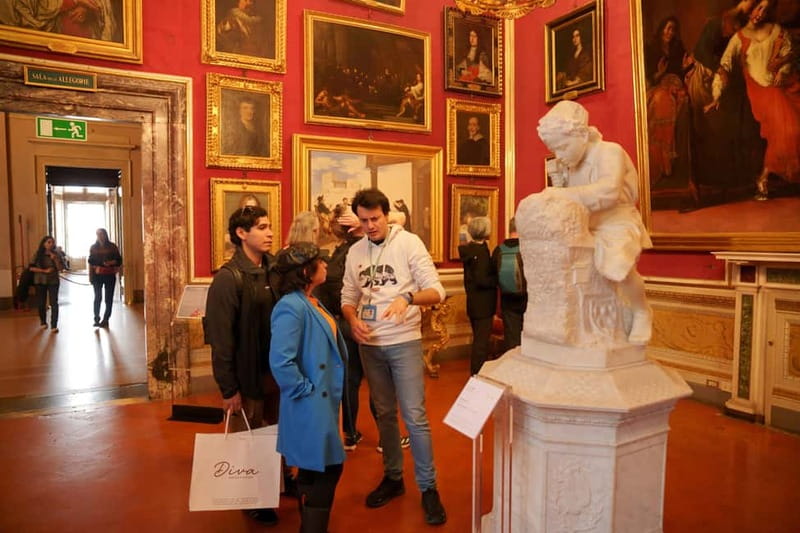
Florence can feel like a game of hide-and-seek with masterpieces. This tour avoids that by pairing two places that complement each other: the Medici’s art collection home at the Palatine Gallery, and the royal-era rooms of Palazzo Pitti. You get the “who lived here, what they collected, and how they staged it” story in one smooth arc.
The biggest value is how the guide helps you read the rooms as much as the paintings. In a palace like this, the setting is part of the artwork. When you’re told what to look for—how frames, frescoes, and room design work together—you stop seeing it as random pretty walls.
You can also read our reviews of more guided tours in Florence
- The Best tour in Florence: Renaissance & Medici Tales – guided by a STORYTELLER
★ 5.0 · 12,316 reviews
Palatine Gallery: Renaissance Paintings in a Private-Collection Setting
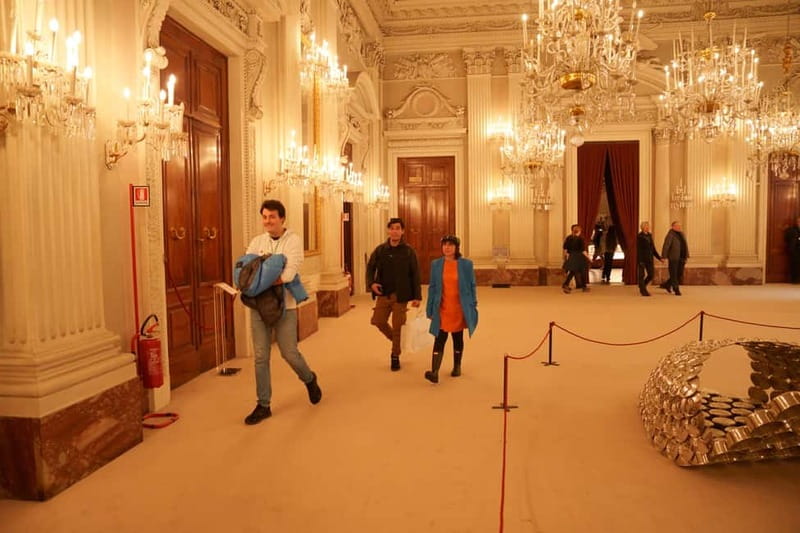
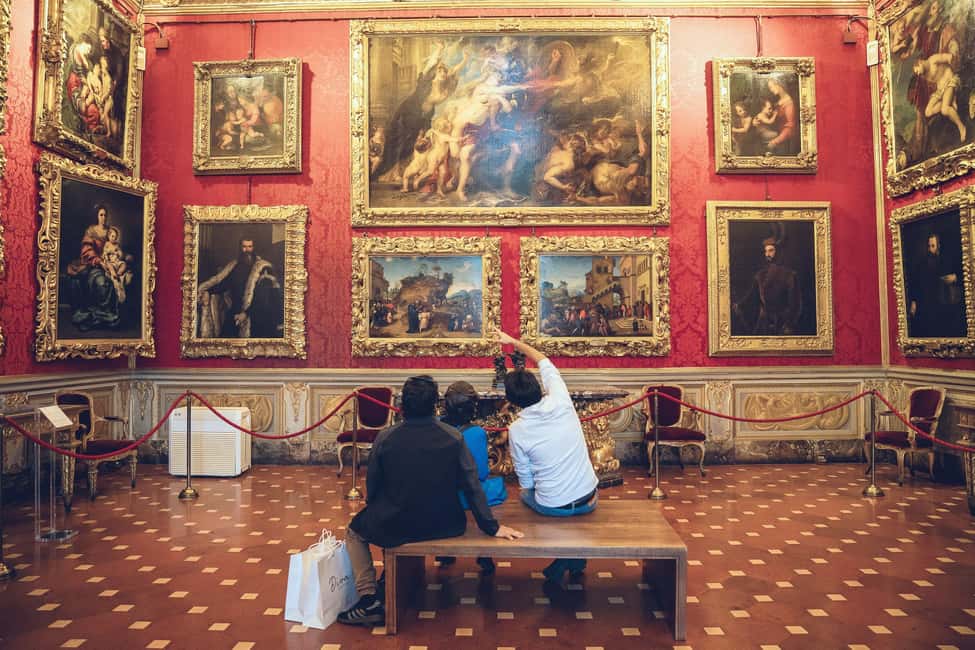
Your tour starts in the Palatine Gallery, a 15th-century Renaissance palace that became the Medici family’s main residence. The collection is presented like a private hoard—many works arranged in rooms that feel lived-in, not just displayed. That matters, because it changes how you experience the art.
You’ll spend time with dozens of Renaissance paintings from the 15th to 17th centuries. The highlights include major names like Botticelli and Titian, plus European heavyweights such as Rubens. The guide’s job here is to connect artists, themes, and the look of the period, so the works don’t blur together after the first few rooms.
Look closely at the way the works are housed and framed. The palace layout places paintings in ornate architectural “boxes,” often with period frames that make the whole room feel theatrical. If you’re the type who gets overwhelmed by galleries, this helps: you’re not just scrolling through art on walls—you’re learning what each space is trying to do.
The Planetary Rooms: Frescoes and Stucco Designed for Maximum Drama
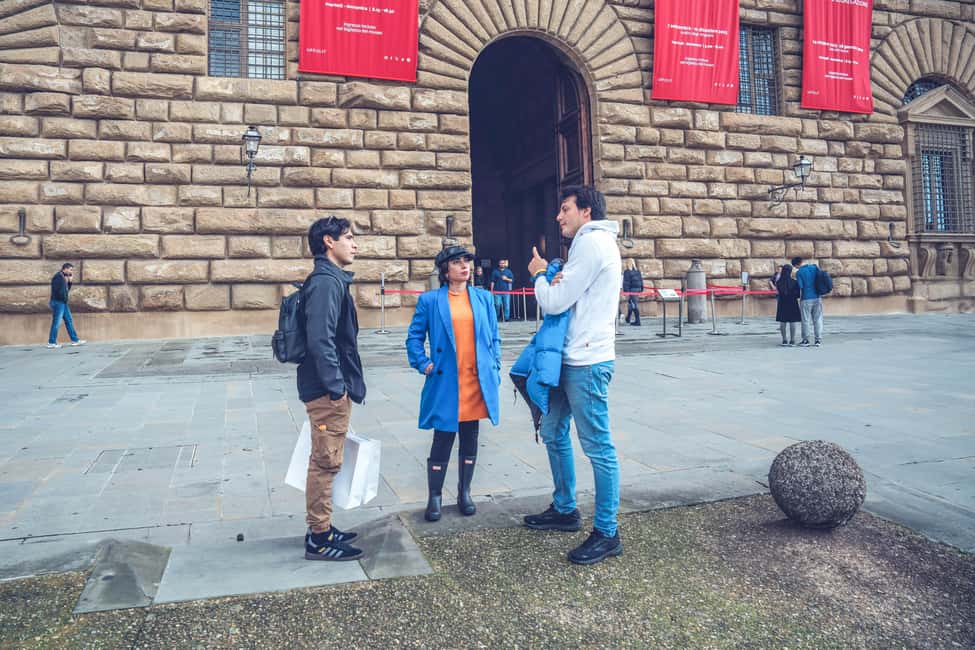
Next comes one of the most memorable parts: the Planetary Rooms. These rooms were designed by Pietro da Cortona, a Baroque painter, to create a stunning backdrop of frescoes and stucco for the Medici collection. Even if Baroque isn’t your favorite style, the design logic here is easy to appreciate.
Think of it like stage scenery. The frescoes and stucco aren’t there only to decorate; they’re meant to heighten the paintings around them. When you stand inside, you can feel why collectors cared about room design as much as they cared about the canvases.
If you tend to miss details when you’re moving fast, this is where a guided tour earns its keep. The guide points out what to notice in the room and what it means for how the painting reads. It’s a good reminder that in Florence, “art history” is not just dates—it’s also setting, symbolism, and taste.
Palazzo Pitti Royal Apartments: From Medici Residence to Italian Royal Life
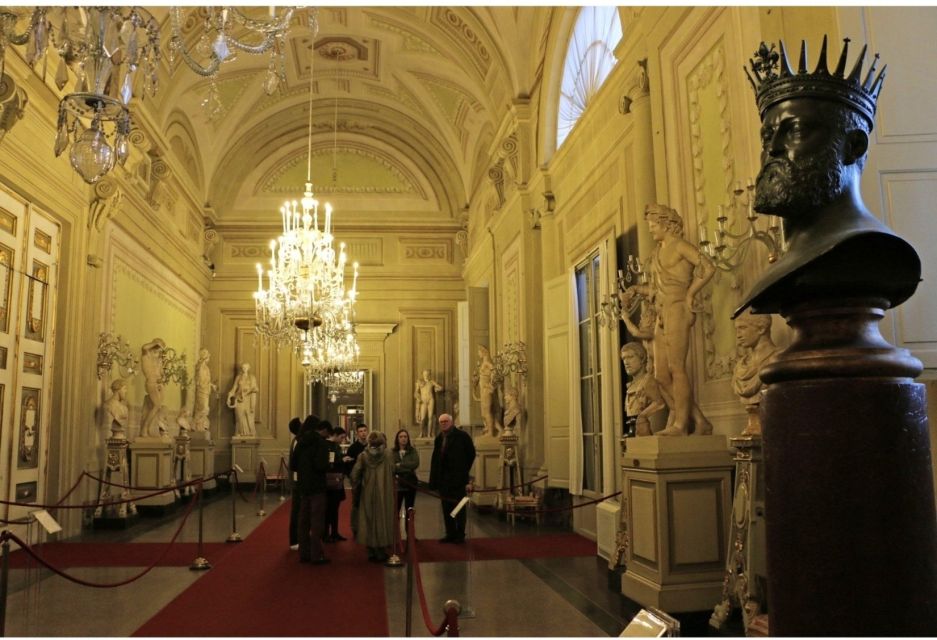
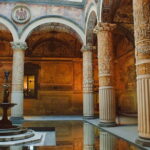
After you’ve spent time in the Medici-focused spaces, the tour shifts to the royal apartments of Palazzo Pitti. This is where you see the palace as power made visible—rooms once inhabited by the King of Italy. Even if you’re not a monarchy fan, the practical effect is the same: you’re stepping into an environment designed to impress.
This portion is less about the specific named paintings and more about the overall atmosphere of the palace. You’ll walk through the rooms as a sequence, which is helpful because the scale of Palazzo Pitti can make it hard to choose where to focus on your own. A guide helps you hit the right beats without turning your visit into a checklist.
Also, this is a nice emotional rhythm shift. After the Medici gallery rooms—often intense, ornate, and art-centered—you get that palace feel: grand, composed, and royal. It’s a different mode of seeing, and it keeps the tour from feeling repetitive.
Timing That Keeps You From Rushing or Wandering
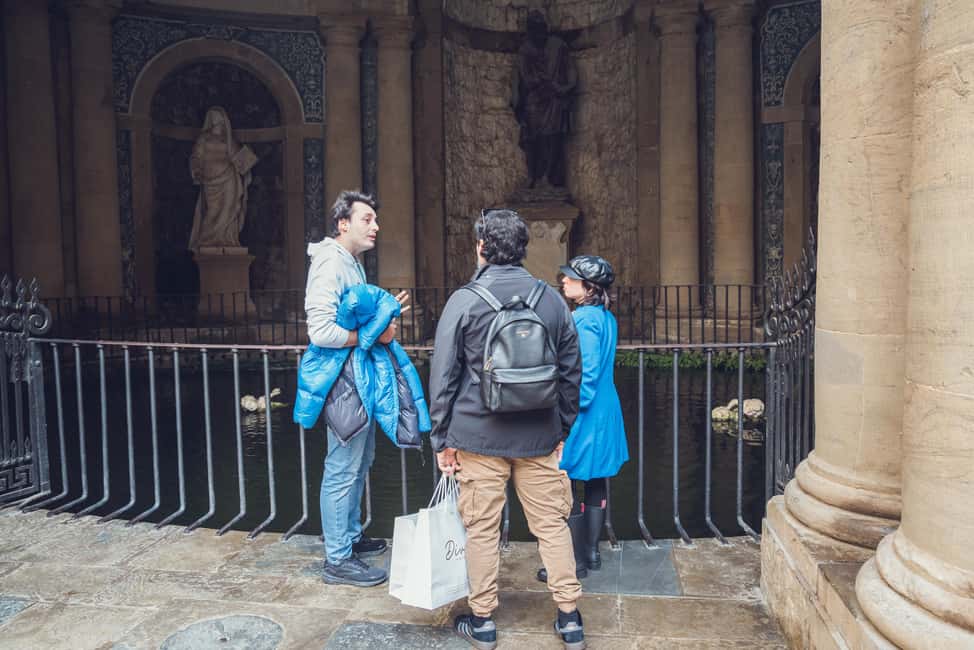
The tour runs about 1.5 to 2.5 hours, depending on the slot you book. After the guided portion, you get free time to return to any rooms or paintings you want to see more closely. For many people, that “choose your own second look” time is the best part, because it lets you turn one great painting into a deeper focus.
Here’s my practical take on how to use that free time well. Don’t try to re-see everything the guide showed you. Instead, pick one section you liked most—maybe a painter you want to compare, or the room where the frescoes made the paintings pop—and slow down. If you rush your second look, you lose the point of having it.
One more logistics note: if you arrive after the tour start time, you won’t be able to join and there’s no refund or reschedule. I’d treat that as a “be early and calm” situation. Florence traffic and crowd timing can be sneaky.
You can also read our reviews of more museum experiences in Florence


Skip-the-Line Access and the Radio System: Small Comfort, Big Impact
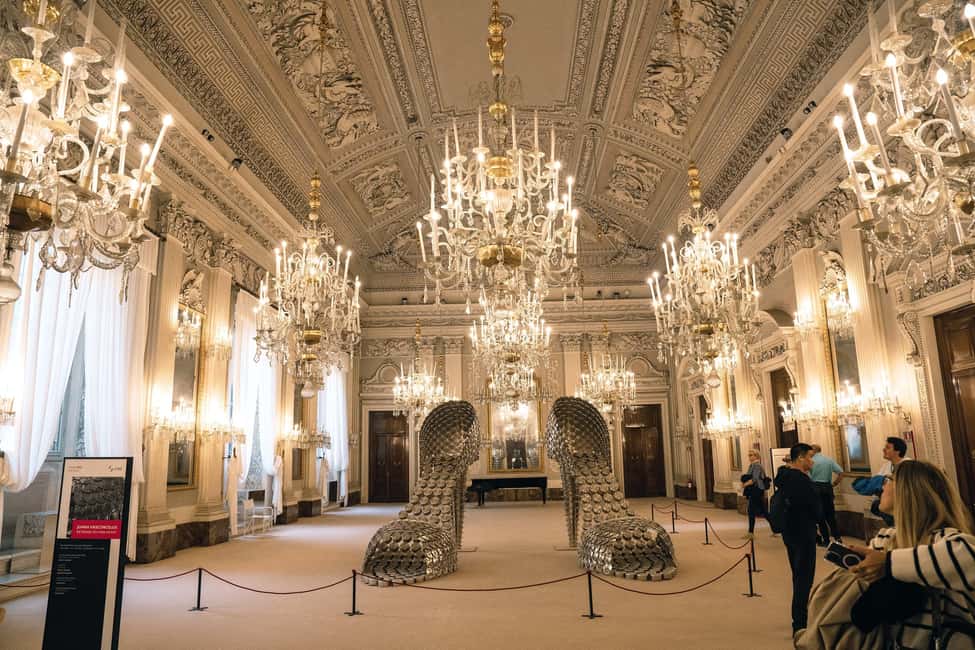
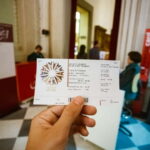
The tour includes entrance tickets with reservation and skip-the-line entry. That’s not just convenience; in Florence, it’s how you protect your energy. Waiting outside can eat up the time you’d rather spend standing close to paintings, where the brushwork and details become visible.
The radio system is another quality-of-life upgrade. It lets you follow the guide without constantly stepping back into your own personal map chaos. In a palace with lots of corners and crowd flow, being able to hear clearly makes the tour feel more like a conversation than a lecture.
Still, keep one thought in your back pocket: if the audio system ever stops working, you could miss parts of the explanation. If that happens, ask the guide right away so you can keep up with the key points.
Optional Wine Tasting and Tuscan Pairings: A Good Upgrade If You Like Food Breaks
There’s an option to add a wine-tasting and appetizer pairing with Tuscan products. If you pick it, you’ll get that included as part of the experience, timed with the tour rather than making you hunt down a separate tasting elsewhere.
I like this upgrade for two reasons. First, it gives you a sensory break after paintings and rooms, which can feel visually heavy. Second, Tuscan products tend to be straightforward and satisfying, not a complicated food performance you have to decode.
If you’re not into wine, don’t force it. The base tour already gives you the core value: art, architecture, and context. But if you want a small celebration at the end of a museum-focused morning or afternoon, this option fits nicely.
What Makes the Guide Matter Here (Elena and Martina as Examples)
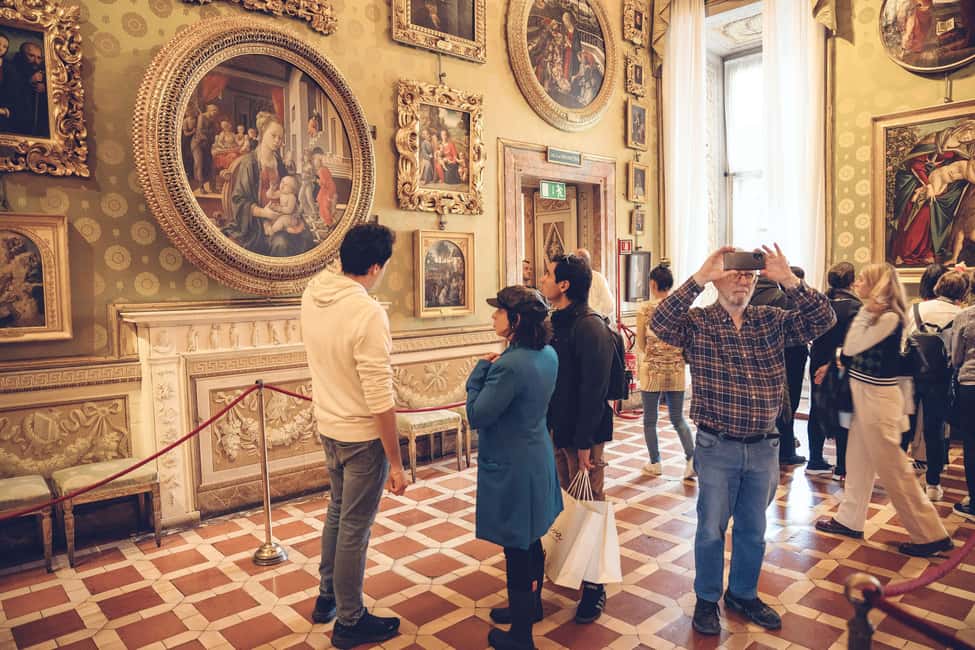
A tour in Florence lives or dies by the guide. In this one, the guide’s job is unusually important because the buildings and collections are ornate and dense. A strong guide helps you separate what’s decorative from what’s meaningful, and it makes the past feel less like a textbook.
I’ve seen the difference in real time with specific guides such as Elena and Martina, who were praised for being gentle, prepared, and able to answer questions in a way that deepened the experience. That kind of responsiveness is a big deal when you’re trying to connect art details with the people who lived in these spaces.
If you like asking questions as you go, you’ll likely appreciate the format. It’s also a helpful fit if you’re traveling with a mix of art fans and history-curious folks, because a good guide can shift emphasis without losing the thread.
Price and Value: Is $72.50 Worth It?
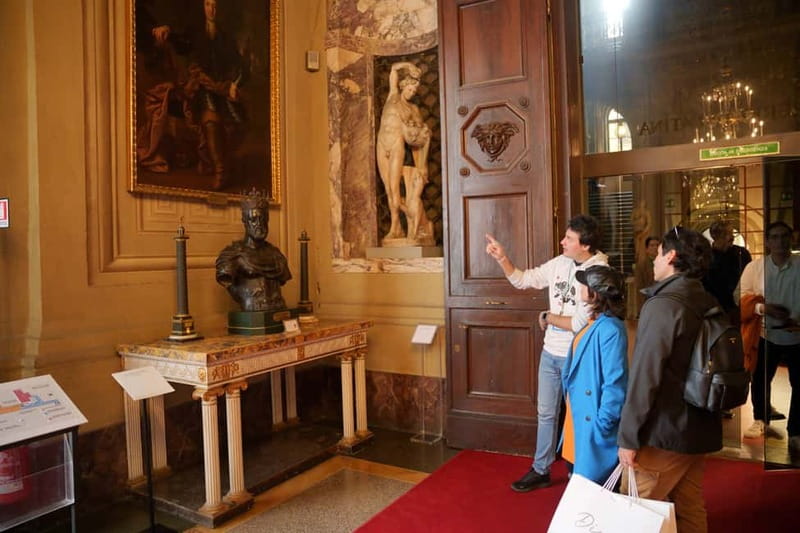
At $72.50 per person, this isn’t the cheapest thing in Florence—but it’s also not priced like an extravagantly private affair. You’re paying for several practical pieces that usually cost extra when you try to DIY: a certified official guide, reserved entrance, skip-the-line access, and a radio system.
When you add up the “time savings” and “hearing/understanding” value, the price starts to make sense. The guided experience doesn’t just point at paintings; it teaches you how the rooms work as part of the collection. That reduces the frustration of spending a full visit feeling like you’re rushing through beautiful but unrelated rooms.
If you’re the type who likes learning while you walk—especially in museums—you’ll probably feel the value fast. If you’d rather wander quietly at your own pace, you might decide to do the sites independently with a self-guided plan. But for most people, this guided structure is the sweet spot.
Comfort, Rules, and Practical Tips That Save Hassle
A few basics can make your visit smoother:
- Wear comfortable shoes. Palatine Gallery and Palazzo Pitti involve steady walking inside.
- Bring an ID or passport (useful for check-in and reservation systems).
- The tour is wheelchair accessible, which is a big plus for travelers who need it.
- Pets and oversize luggage are not allowed, and large bags won’t fit the experience.
- The tour requires a minimum of two guests, so it can be canceled if that threshold isn’t met, with an alternative or a refund offered.
Also, languages include English, Spanish, German, French, and Italian. If you care about clarity, pick the language you’re most comfortable with—these rooms reward attention, and your comfort level matters.
Who This Tour Is Best For
This tour is a strong match if you love Renaissance art and want it explained in the context of Medici collecting. It’s also ideal if you want the best parts of Palazzo Pitti without building a complicated plan yourself.
You’ll likely enjoy it most if you:
- like guided pacing over aimless wandering
- want skip-the-line convenience
- care about how art and architecture interact
- might add the optional wine tasting if that’s your style
If you’re traveling with very young kids or anyone who needs frequent breaks, consider the pace and choose a start time when everyone’s energy is good. The tour is short enough to be manageable, but it’s still a guided march through detailed spaces.
Should You Book This Florence Palatine Gallery and Pitti Palace Tour?
If you want a smart, time-efficient way to see some of Florence’s most important interiors—while still understanding what you’re looking at—this is an easy yes. Skip-the-line entry, reserved access, and a radio system remove the usual hassles that turn art visits stressful.
I’d book it if you’re an art-and-context person and you appreciate a guide who can connect the dots between paintings, rooms, and power. I’d think twice if you prefer total quiet, independent exploration, or if audio problems would ruin your enjoyment.
Overall, it’s a solid value play for a Florence trip where your time is limited and the art is the point.
You Might Also Enjoy



More Guided Tours in Florence
- The Best tour in Florence: Renaissance & Medici Tales – guided by a STORYTELLER
★ 5.0 · 12,316 reviews
More Tours in Florence
- The Best tour in Florence: Renaissance & Medici Tales – guided by a STORYTELLER
★ 5.0 · 12,316 reviews



More Tour Reviews in Florence
- Tuscany Day Trip from Florence: Siena, San Gimignano, Pisa and Lunch at a Winery
★ 5.0 · 21,634 reviews - The Best tour in Florence: Renaissance & Medici Tales – guided by a STORYTELLER
★ 5.0 · 12,316 reviews