REVIEW · FLORENCE
Florence: Architectural walk with urban sketching
Book on GetYourGuide →Operated by Francesca Serri · Bookable on GetYourGuide
Florence can feel like a giant sketchbook. This small group walk pairs Renaissance streetscapes with hands-on urban sketching instruction, so you’re not just looking—you’re making your own drawing of what you admire. You start with easy, practical perspective ideas, then you stop often to draw architectural details as you move through one of the city’s most dramatic sightlines.
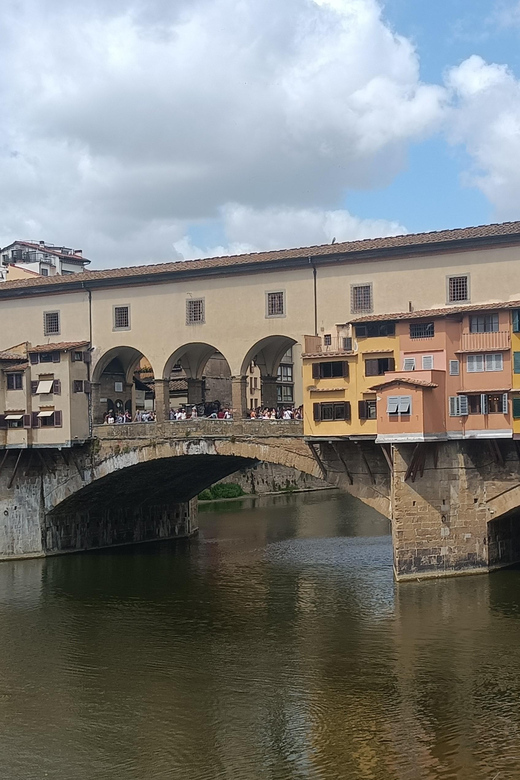
What I especially like is the focus on simple rules that help you get perspective right without turning your holiday into a math class. I also like that the route is built around landmarks you’ll recognize immediately, from Piazza della Signoria toward the line of the Vasari Corridor and along the Arno, so your drawing practice stays rooted in real views.
One thing to consider: reliability looks questionable. There are reports of the guide not showing up and being unreachable, so I’d treat this as something to confirm close to departure rather than assuming it will run no matter what.
In This Review
- Key Things to Know Before You Go
- The Big Idea: Sketch Florence Like an Architect (Without the Pressure)
- Where You Meet and How the Walk Works
- Piazza della Signoria: Start With Structure, Not Details
- Along the Vasari Corridor Line: Draw the Story of the Buildings
- The Arno River Stretch: Put Emotion Into Perspective
- Materials and What’s Included (So You Don’t Travel With a Studio)
- How Long It Takes, and Why the Timing Matters for Sketching
- Who This Works Best For (And Who Might Want a Different Tour)
- Price and Value: Is $32 Worth It?
- Reliability Check: What to Do Before You Hand Over Your Time
- Practical Tips to Get Better Sketches Immediately
- Should You Book This Urban Sketching Walk?
- FAQ
- How long is the Florence architectural walk with urban sketching?
- What is the price per person?
- Where is the meeting point?
- Where does the tour end?
- Who leads the experience?
- What languages are offered?
- Is it a private group?
- Are art supplies included?
- Is food or drinks included?
- Is it suitable for children?
- Are pets or mobility scooters allowed?
Key Things to Know Before You Go
- Intuitive perspective training that’s meant to be easy to apply on the street
- Architectural details first, not generic sightseeing stops
- Frequent sketch breaks so you can actually finish usable parts of a drawing
- Route follows the Vasari Corridor line, with a clear connection to Florence landmarks
- City-center pacing makes it easy to step aside if you need a break
- Supplies are included, plus the instructor brings materials suited to the style
The Big Idea: Sketch Florence Like an Architect (Without the Pressure)
This experience is built around a simple truth: the fastest way to understand Florence’s architecture is to draw it. You’re not trying to copy every stone. You’re trying to capture the moment—the feeling of scale, the way lines meet, and the emotional impact of seeing Renaissance design in real life.
The workshop mindset is creative first, technical second. You start with the idea that imagination drives the drawing. Then the instructor gives you easy rules so you can translate what you see into something that looks like it belongs in the scene. If you’ve ever stared at a sketch and thought, That’s not how I see it, this is the fix—one concept at a time.
The other practical win: you’ll be outdoors and moving. That matters because Florence is constantly changing with light and footsteps. An indoor lesson won’t do that for you. Here, your eyes and your hand are working together.
You can also read our reviews of more tours and experiences in Florence.
- Tuscany Day Trip from Florence: Siena, San Gimignano, Pisa and Lunch at a Winery
★ 5.0 · 21,634 reviews
Where You Meet and How the Walk Works
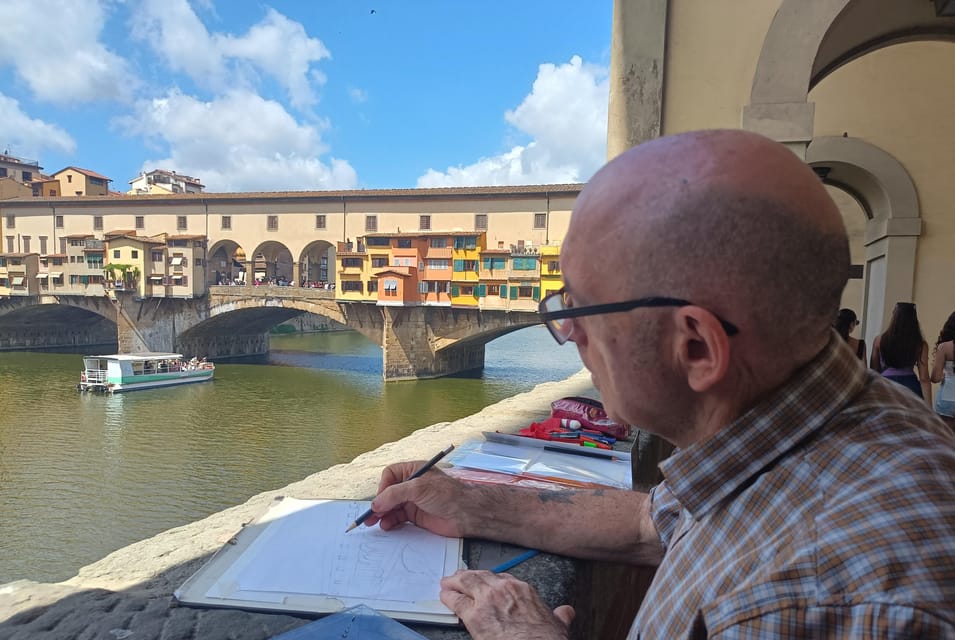
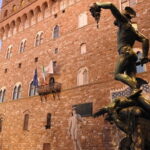
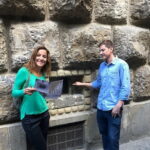
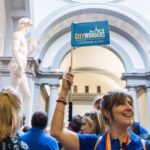
You meet at the Beyond the Neptune Fountain area, closer to the refilling water point set into the wall of Palazzo Vecchio, just behind the fountain. The instructor, Francesca Serri, will be holding a drawing square and a sheet of paper with the experience name, so it’s meant to be easy to spot the group.
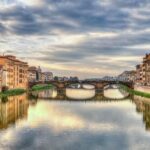
From there, the walk is about staying on a meaningful visual line. You’ll start near Piazza della Signoria, then move along the path that takes you along the architectural line of the Vasari Corridor. The description also emphasizes walking through architectural beauties along the Arno river, with stops for sketching along the way.
The pace is designed for stopping. That means you’ll get multiple chances to lay down lines, adjust, and “finish enough” to feel satisfied. Urban sketching isn’t just drawing fast. It’s drawing often so you don’t lose the scene while you’re still figuring out your composition.
Piazza della Signoria: Start With Structure, Not Details
Your first real anchor point is Piazza della Signoria. This is one of the best places in Florence to begin because the space has strong geometry—buildings, open areas, and dramatic angles that show you what “perspective” actually looks like at street level.
In the early part of the walk, you get a brief introduction to composition—how to set up what you’re drawing so the page doesn’t turn into random shapes. This is where you’ll learn the core of the method: how to use an intuitive perspective approach rather than trying to force exact measurements.
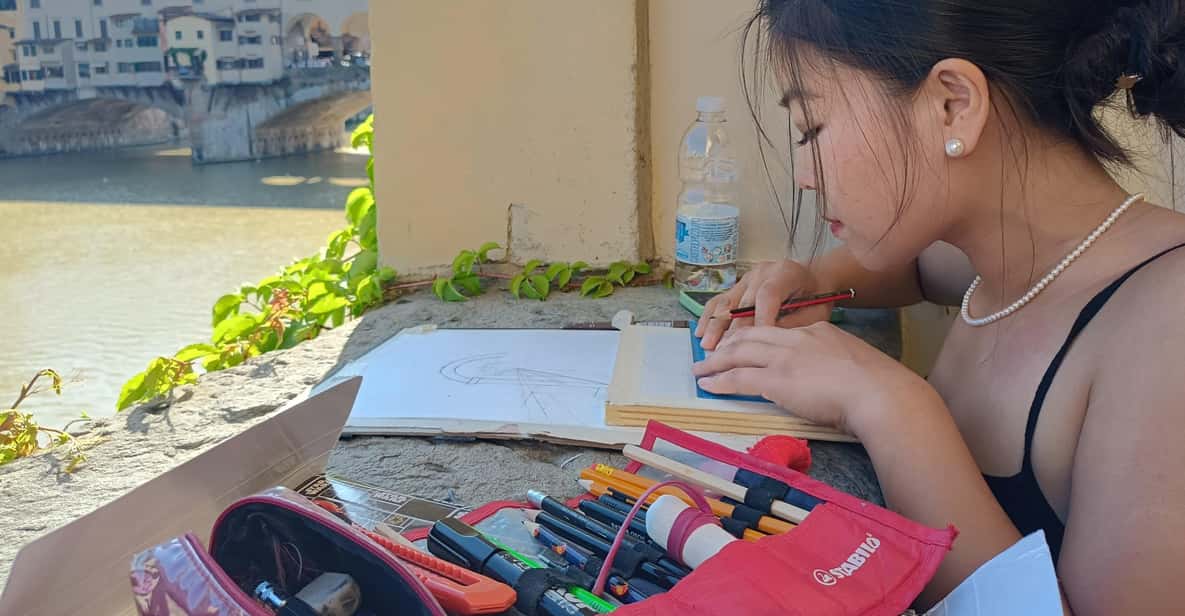
Then you’ll focus on architectural details and begin drawing. Expect to start with simpler forms—building edges, repeating patterns, and key lines that define the view. It’s a smart way to build confidence quickly.
Along the Vasari Corridor Line: Draw the Story of the Buildings
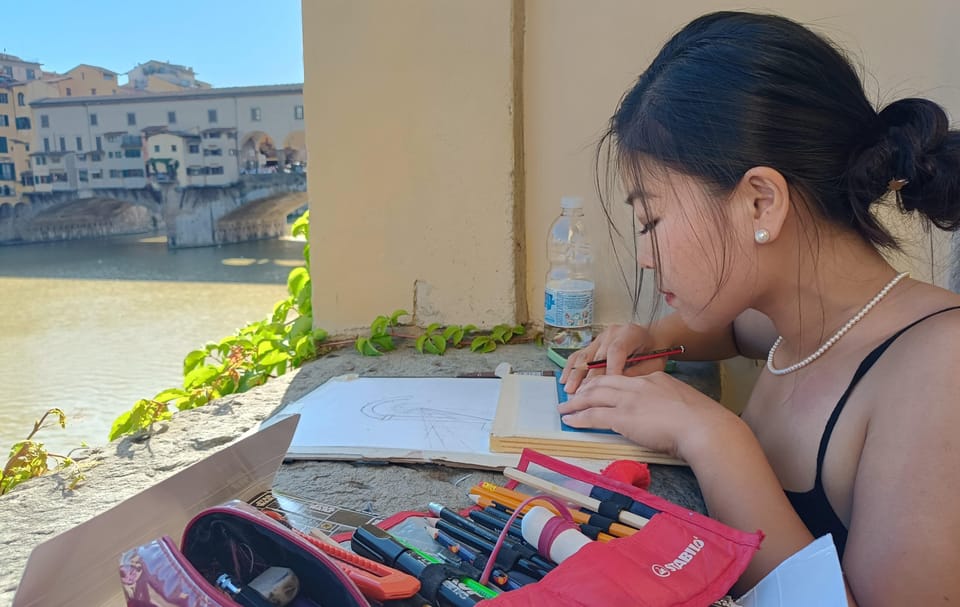
As you walk from Piazza della Signoria toward the Vasari Corridor direction, you’re essentially drawing with a guide who knows what to point out. The Vasari Corridor is described here as something that will be accessible in the future as part of the museum system, but for now you’re following its architectural line through the streetscape.
That’s a valuable angle. Even if you’ve seen photos of Florence landmarks, walking the connecting lines gives you a different sense of how the city is put together. You’ll notice how buildings align, how openings frame views, and how the river path changes your sightlines.
The instructor will help you stop at the right moments so your drawings reflect what you’re seeing now—not what you imagined five minutes ago. You’ll likely do a mix of quick sketches and slightly more detailed “embellish” work, depending on how your hand and eye are keeping up.
The Arno River Stretch: Put Emotion Into Perspective
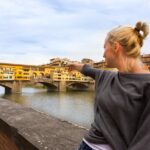
Once you move into the Arno river area along the architectural route, the views feel more flowing. The river affects everything: distances, reflections, and how lines converge as you look down the corridor of streets.
Urban sketching on a river day is excellent practice because there’s often more open space in the composition. That means your perspective has to hold up even when you include wider angles. If intuitive perspective is your main takeaway, this is where it becomes real: you can test whether your lines still make sense when there’s more sky and more depth.
The description also emphasizes that you can stop longer to embellish the drawings you made along the route. That’s a subtle but important detail. Too many sketch tours rush to the next stop. Here, you have permission to spend time making your drawing feel like it belongs to you.
- The Best tour in Florence: Renaissance & Medici Tales – guided by a STORYTELLER
★ 5.0 · 12,316 reviews
Materials and What’s Included (So You Don’t Travel With a Studio)
You don’t have to show up with a full art kit. The experience includes art supplies, and the instructor brings materials suited to this kind of architectural urban drawing.
Practically, this lowers the barrier to entry. It also means you can pack lighter for Florence, which is a real win because you’ll be walking. Just bring comfortable shoes—this is a city-center walk with time at the curb and on sidewalks.
One thing to expect: drinks or food are not included. Since the route is in the center of town, it’s easy to step aside if you need a break, but you should plan on handling your own water or snacks.
How Long It Takes, and Why the Timing Matters for Sketching
The experience runs for about 1.5 hours. That duration is long enough to learn a technique, try it in the field, and produce at least one drawing you can be proud of.
The description also notes you can continue for another hour or more if you want extra time, and the instructor accepts a free offer for that extra time request. Translation: the format is flexible enough that you’re not forced to stop exactly when you’re getting into the flow.
Even with that flexibility, you should treat it as a focused session, not a casual stroll where you sketch whenever. If you want the best results, show up ready to draw from the first stops.
Who This Works Best For (And Who Might Want a Different Tour)
This is best for you if you like architecture and you want something hands-on, not just photos and audio narration. The workshop is especially good if you want to practice easy to learn perspective techniques and you’re the type who enjoys making sense of a place with your eyes and your hand.
It’s also a solid fit if you’ve never drawn much. The lesson is structured around intuitive rules, and the pacing includes stops so you’re not expected to produce a masterpiece instantly.
It’s not a great fit if you need a fully seated experience or if your drawing attention span is extremely short. Also, it’s not suitable for children under 12, and pets aren’t allowed (assistance dogs are allowed). Mobility scooters aren’t allowed, and the rules also prohibit large luggage and intoxication.
Price and Value: Is $32 Worth It?
At $32 per person for roughly 1.5 hours, the value depends on what you want out of Florence.
If you want a typical sightseeing walk, it might feel expensive compared with free walking routes. But if you want structured coaching—plus supplies—$32 can be reasonable. You’re paying for guidance from Francesca Serri, plus the time spent helping you apply perspective concepts where they matter: on real streets, with real buildings.
The biggest value lever is this: urban sketching gets better through repetition, and this tour builds in multiple stops. You’re not just being told where to look. You’re practicing while you’re there.
The other value question is reliability. Because there are reports of a no-show and unreachable contact, you should weigh the risk. If you book, confirm details close to start time so you don’t lose your sketch window in Florence.
Reliability Check: What to Do Before You Hand Over Your Time
I’ll be blunt: no-show reports are a dealbreaker for some people. If you’re counting on this as your one creative session, you should do two smart things:
- Confirm the start details shortly before you go.
- Have a backup plan for that 1.5-hour window—another sketch route or a museum stop you can pivot to quickly.
This doesn’t mean the experience is doomed. It means you should protect your schedule like a local would: by not assuming everything will work out perfectly.
Practical Tips to Get Better Sketches Immediately
You’ll get the most out of the session if you approach it like a technique workshop, not a test.
First, focus on major lines before minor texture. If your perspective is right, the rest can be lighter. Second, draw with your whole arm more than your fingers. It helps keep lines confident when you’re standing outdoors.
Also, expect to adjust. Urban sketching is messy at first. Your first view might look off until you reframe your composition. That’s normal. Use the stops to correct as you go.
Finally, wear shoes you trust. Sitting and stopping is part of it, but the walking between viewpoints is steady enough that comfort matters.
Should You Book This Urban Sketching Walk?
Book it if you want an architectural-focused Florence experience and you genuinely want to learn how to draw city views using intuitive perspective. The route—Piazza della Signoria, the Vasari Corridor line, and the Arno—gives your sketches a strong sense of place, and the fact that art supplies are included lowers the barrier.
Skip it or be cautious if your schedule is tight and you can’t absorb a potential hiccup. Given the no-show reports and unreachable contact described in the feedback you provided, I’d confirm close to the start time and keep a backup option.
If you do book, you’ll likely come away with more than a drawing. You’ll come away with a new way to see Florence—one line at a time.
FAQ
How long is the Florence architectural walk with urban sketching?
It lasts about 1.5 hours.
What is the price per person?
The price is $32 per person.
Where is the meeting point?
You meet Beyond the Neptune Fountain, closer to the refilling water point in the wall of Palazzo Vecchio, just behind the fountain.
Where does the tour end?
It ends back at the meeting point.
Who leads the experience?
The instructor is Francesca Serri.
What languages are offered?
The experience is led in English and Italian.
Is it a private group?
Yes, it’s a private group.
Are art supplies included?
Yes. Art supplies are included, and the instructor brings specific materials for this type of drawing.
Is food or drinks included?
No. Drinks or food are not included, and you can step away if needed since it’s in the city center.
Is it suitable for children?
No, it’s not suitable for children under 12.
Are pets or mobility scooters allowed?
Pets are not allowed (assistance dogs are allowed). Mobility scooters are not allowed.
You Might Also Enjoy

More Tour Reviews in Florence
- Tuscany Day Trip from Florence: Siena, San Gimignano, Pisa and Lunch at a Winery
★ 5.0 · 21,634 reviews - The Best tour in Florence: Renaissance & Medici Tales – guided by a STORYTELLER
★ 5.0 · 12,316 reviews