REVIEW · FLORENCE
Florence: Access to the Brancacci Chapel
Book on GetYourGuide →Operated by Associazione MUS.E - Palazzo Vecchio · Bookable on GetYourGuide
One chapel, and suddenly Renaissance art feels physical. With special access to the Brancacci Chapel, you get up close to frescoes by Masaccio and the team that followed his revolution.
I especially like the way the visit is organized around the Stories of Saint Peter, so you’re not just looking at paintings—you’re tracking ideas and changes in style. I also like that the guide is a live English cultural mediator, pointing out what makes these works so structurally new.
The main consideration is the short time. At 50 minutes, explanations can feel rushed, and if the guide’s voice doesn’t carry for you, you’ll want to position yourself well and stay focused on the frescoes while you can.
In This Review
- Key highlights to look for
- Why the Brancacci Chapel is worth a dedicated visit
- 50 minutes inside the chapel: how the timing works
- Meeting at Piazza del Carmine 14 and the chapel entrance you need
- What special access changes (and what it doesn’t)
- Masaccio, Masolino, and Filippino Lippi: the fresco lineup you’ll meet
- Stories of Saint Peter: how the scenes guide your understanding
- The guide experience: what you’ll want to do with the talk
- Price and value: is $36 for 50 minutes fair?
- Who this Brancacci Chapel tour suits best
- Should you book the Brancacci Chapel access tour?
- FAQ
- How long is the Brancacci Chapel access tour?
- Where do I meet for the tour?
- Is the tour guided, and what language is it in?
- What’s included in the ticket price?
- Are backpacks allowed?
- What should I bring?
- Can I cancel and get a refund?
- Is there an option to book now and pay later?
Key highlights to look for
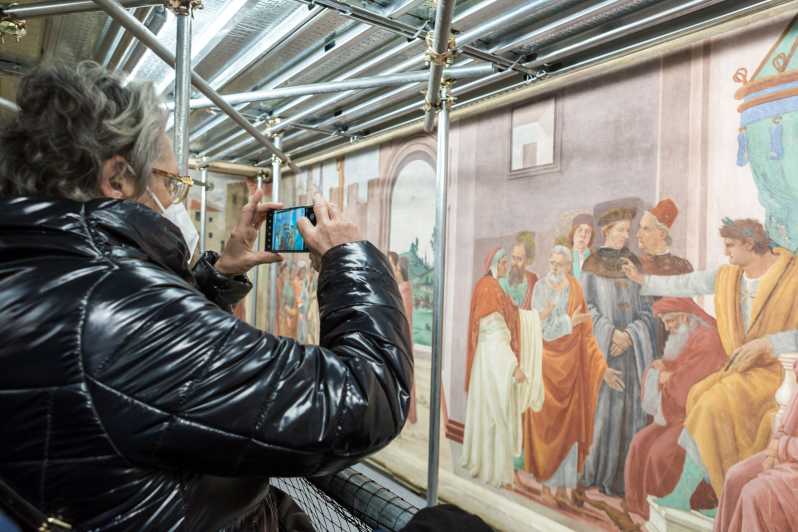
- Special access to the Brancacci Chapel, which is the point of the whole outing
- Close-distance fresco viewing, so details that usually feel abstract become clear
- Stories of Saint Peter focus, helping you connect scenes to the bigger artistic story
- Renaissance master lineup: Masolino, Masaccio, Filippino Lippi
- Tommaso’s innovations (Masaccio) explained through the scenes you see
- Live English explanations from cultural mediators to guide what matters most
Why the Brancacci Chapel is worth a dedicated visit
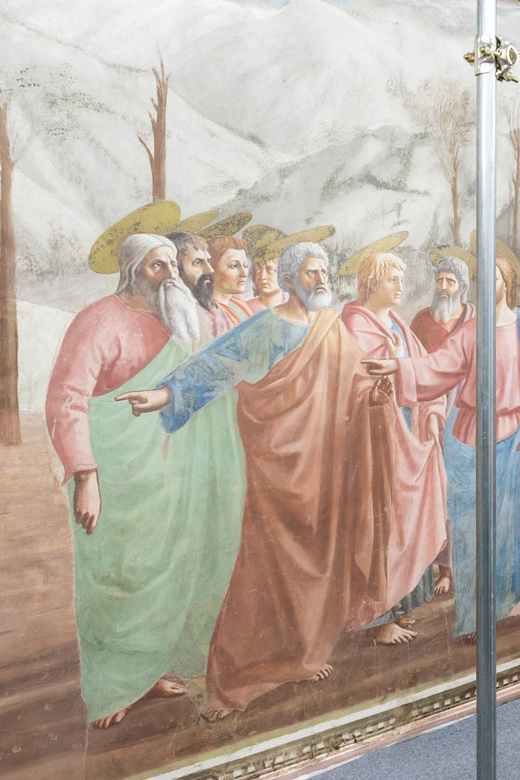
Florence has a lot of famous churches and a lot of famous art. What makes the Brancacci Chapel different is that it’s not just “important”—it’s useful. Seeing the frescoes up close helps you understand what artists changed, and how those changes spread.
The chapel sits inside the convent of Santa Maria del Carmine, where Felice Brancacci commissioned the work and the fresco program was carried out by major Renaissance masters: Masolino da Panicale, Masaccio, and later Filippino Lippi. When you’re standing there, the art feels like a set of breakthroughs lined up in sequence rather than a museum display.
This tour is built around that idea. You’re not asked to wander without direction. Instead, you focus on the scenes from the Stories of Saint Peter, which is exactly where you’ll notice stylistic and structural innovations. It’s a fast route into “why this chapel matters,” especially if you only have a day or two in Florence.
You can also read our reviews of more tours and experiences in Florence.
- Tuscany Day Trip from Florence: Siena, San Gimignano, Pisa and Lunch at a Winery
★ 5.0 · 21,634 reviews
50 minutes inside the chapel: how the timing works
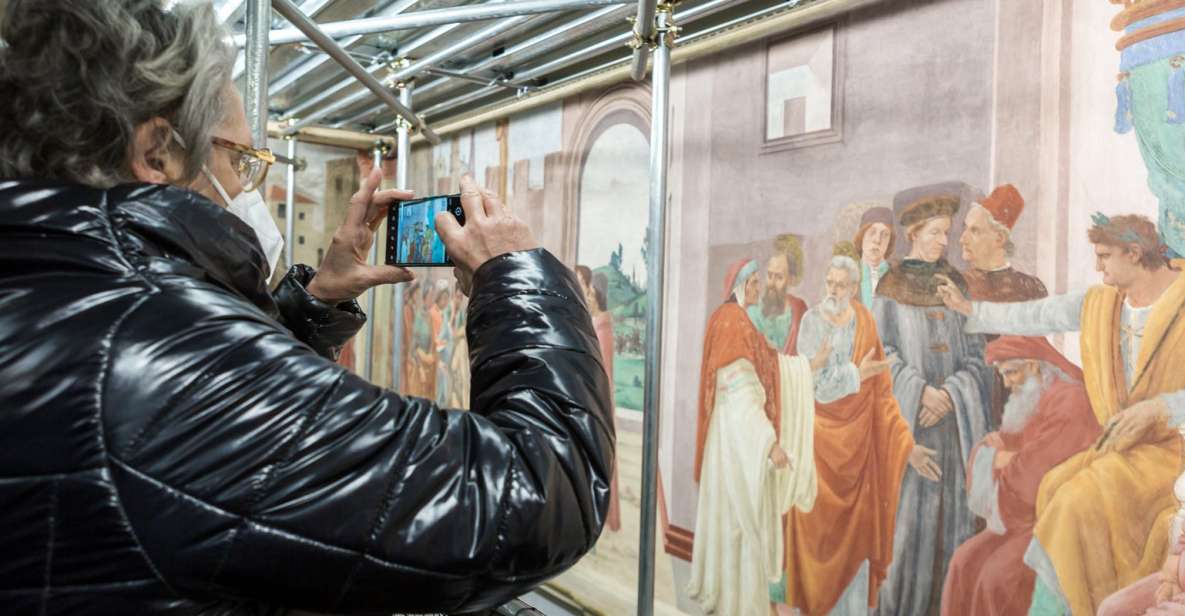
A 50-minute visit is short enough to stay energized, but long enough to actually connect what you see with what the guide explains. That balance is why I think this kind of access is good value: you’re paying for time with the art, not for a long walking circuit.
In practice, expect a concentrated experience: you’ll spend the bulk of the time in the chapel space itself. You’ll look closely, then hear explanations that help you interpret what you’re seeing—especially how the scenes are built and how the artists handle form, space, and narrative clarity.
The one drawback is that short tours can be unforgiving if you get stuck reading slowly or drifting off to take photos. Keep your eyes moving. If you want to process everything, use the explanations as signposts, not as the full story. Let the frescoes do the heavy lifting.
Meeting at Piazza del Carmine 14 and the chapel entrance you need
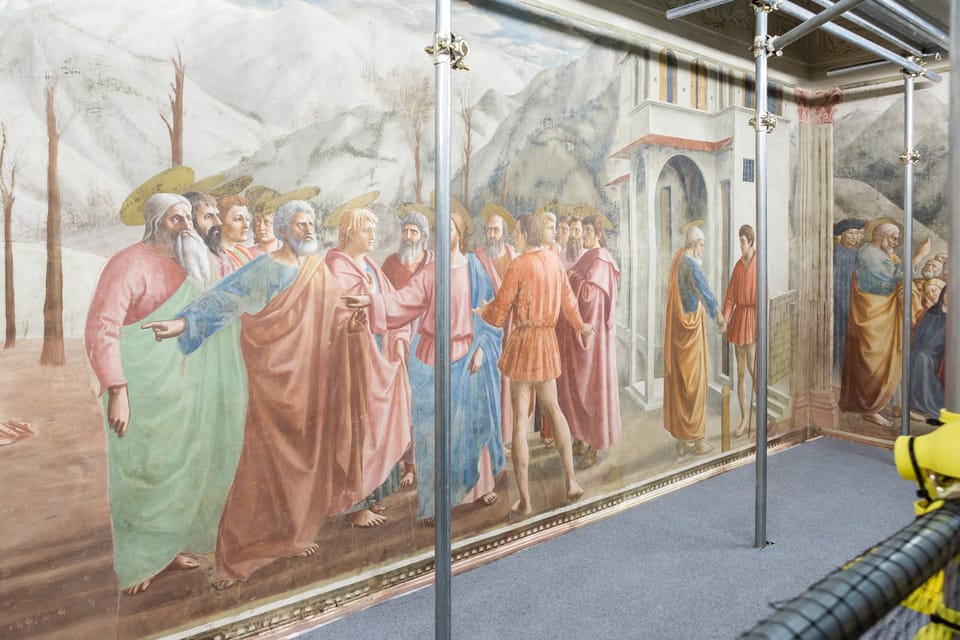
Your meeting point is Piazza del Carmine 14. From there, access to the Brancacci Chapel is via an entrance that leads you toward the cloister of the Church of Santa Maria del Carmine.
That last detail matters more than it sounds. Churches in Florence can be easy to approach the “wrong” way if you’re only thinking about the street view or the main façade. Here, the key is to follow the assigned entrance path, because that’s the access route tied to the special entry.
Also plan for basic on-site rules. You’ll want comfortable shoes, because even with a short outing you’re still moving through a real church complex. And backpacks aren’t allowed, so travel light. If you’re bringing a camera bag, check whether it counts as a backpack in practice and be ready to simplify.
What special access changes (and what it doesn’t)
Special access is the headline here: you’re paying specifically for entry to the Brancacci Chapel in a guided format. That usually means you get the chance to see the frescoes at a moment when your viewing will be practical—close, guided, and focused.
What it doesn’t automatically do is turn the chapel into a private viewing. You’re still in a space with other people, so your strategy matters. Go in with two goals: (1) learn the “big idea” the guide is pointing toward, and (2) catch a few details so you leave with real memories, not just impressions.
The value is in the combination. Without access, you might end up with a less direct visit or a viewing experience that’s more limited. With access, you’re positioned to actually study the frescoes, which is what lets this tour become more than a quick photo stop.
Masaccio, Masolino, and Filippino Lippi: the fresco lineup you’ll meet
This chapel is famous for the master artists attached to the fresco program. The tour brings you face-to-face with that lineup, and the guide’s job is to make the differences legible while you’re still looking at the actual scenes.
You’re looking at work by:
- Masolino da Panicale
- Masaccio (Tommaso, nicknamed Masaccio as Giorgio Vasari reports, tied to his carelessness)
- Filippino Lippi
The way the story is explained matters: it’s not a lecture that lists names. It’s meant to help you notice what changes from one part of the fresco program to another—especially the innovations associated with Masaccio. That’s where the “why” comes alive. Standing in front of the scenes, you can start to connect stylistic shifts to how the narrative is structured.
A practical tip: don’t try to memorize the entire fresco cycle in 50 minutes. Instead, pick a few focal areas the guide points out, then compare what you see there to nearby scenes. That comparison is what turns art history into something you can actually remember.
- The Best tour in Florence: Renaissance & Medici Tales – guided by a STORYTELLER
★ 5.0 · 12,316 reviews


Stories of Saint Peter: how the scenes guide your understanding
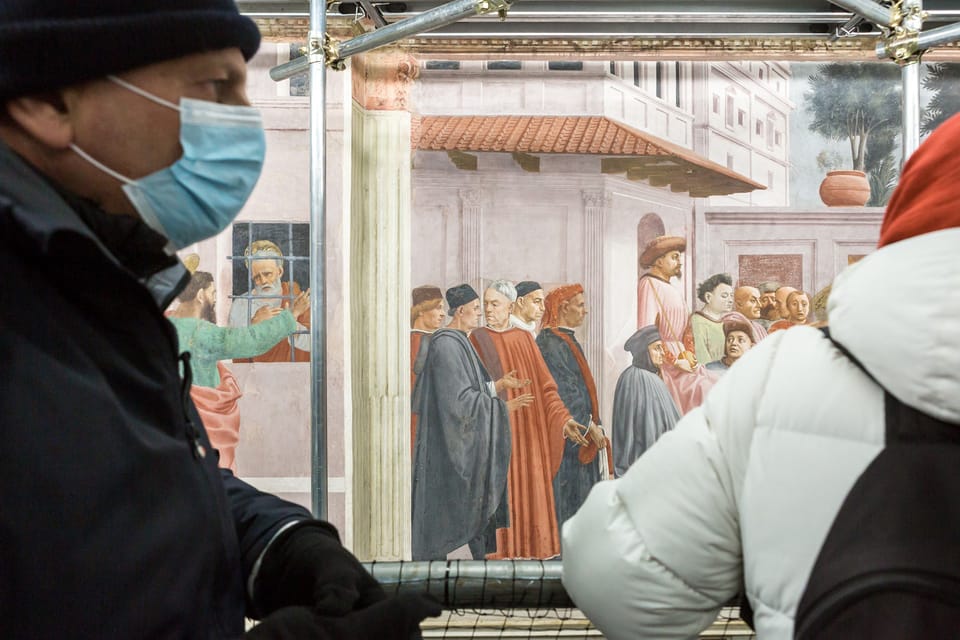
The centerpiece of the visit is the Stories of Saint Peter. That focus isn’t random. These scenes let you track how artists build storytelling in paint—how they structure episodes, how figures relate to space, and how attention is directed across a wall.
On this tour, the guide helps you analyze the scenes with a lens on stylistic and structural innovation. In other words, you’re not just asked to admire. You’re guided to look for specific forms of change—how the frescoes handle movement, expression, and the logic of the narrative.
The “Masaccio factor” also shows up here. You’ll hear about Tommaso’s breakthrough approach and why he became known for revolutionary art. The chapel’s fame comes partly from the fact that you’re seeing a moment when the Renaissance moves from general ideals into more convincing, structured representation.
If you’ve only seen Renaissance art in books, this part is especially useful. Fresco scale changes your sense of proportion, and the guide helps you interpret that scale so it doesn’t just feel like “big paintings.” It becomes a set of decisions by real artists.
The guide experience: what you’ll want to do with the talk
A live guide is included, in English. That’s helpful because the chapel can be visually dense. When someone is pointing you toward the most meaningful details, you save time and you’re less likely to miss the “point” of what you’re seeing.
There’s also a real-world consideration from past experiences: some visitors have found the explanations overly long for the time available, and that sound can be tricky in the chapel space. If you’re the type who follows better by hearing every word, don’t hide at the back. Choose a spot where you can see the guide and the frescoes with minimal turning.
If the guide’s pacing feels chatty, you can still make the tour work for you by doing this: listen for keywords tied to what you’re looking at, then confirm with your eyes. The frescos will always be there. The spoken explanations are brief by design, so focus on what helps you look smarter.
Price and value: is $36 for 50 minutes fair?
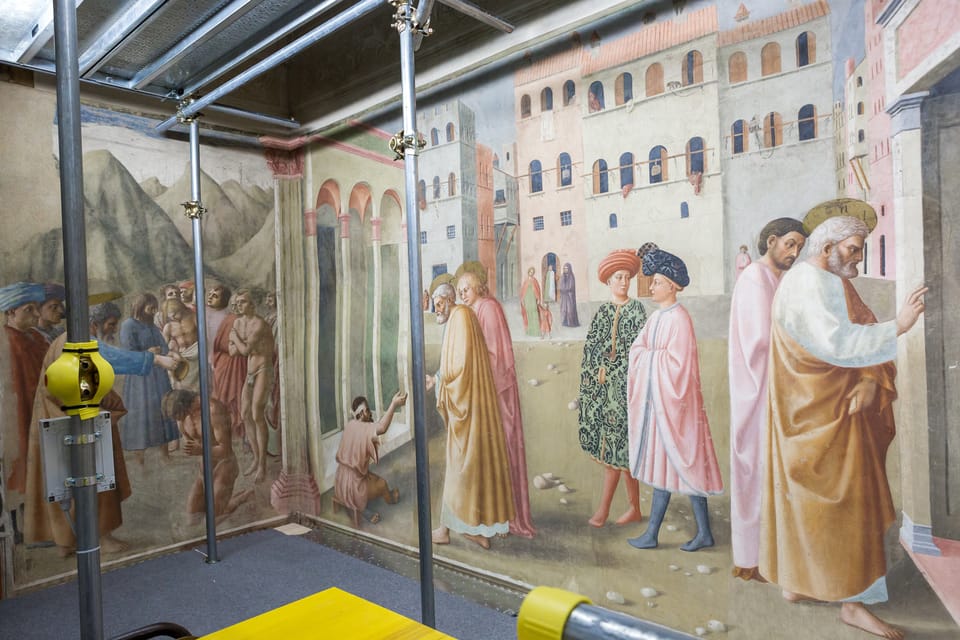
At $36 per person for a 50-minute, special-access visit, the price makes sense if you think of it as buying access to a specific viewing opportunity plus interpretation. You’re not paying for a long tour. You’re paying for prioritized entry to the Brancacci Chapel and for a guide to help you read the fresco program quickly.
So where’s the value? It’s in two places:
- You get close to the frescoes and spend real time seeing details.
- You get a guided lens so you don’t leave with generic impressions.
If you’re the kind of traveler who can enjoy churches at a slow pace with no coaching, you might wonder whether the cost is too high. But if you’re even slightly curious about how Renaissance art changed—especially why Masaccio is treated like a turning point—this format saves you effort and guesswork.
I also like the short duration. For Florence, time matters. A visit like this is the kind you can fit without sacrificing your whole day to ticket lines and wandering.
Who this Brancacci Chapel tour suits best
This experience fits travelers who want a focused Renaissance art moment with guidance. It’s also a good pick if you’re short on time or you want to understand what you’re seeing without needing a full self-guided art history curriculum.
You’ll likely enjoy it if:
- you want to see Masaccio-era innovations in context
- you like guided explanation tied to specific scenes
- you prefer a concise visit that still gives you something to think about after
You might want to reconsider if:
- you rely heavily on hearing every spoken word and you know you struggle in echoey spaces
- you prefer very long, unhurried museum-style viewing
And one note if English isn’t your comfort zone: the tour is offered in English. The content is clearly centered on visual analysis, but you’ll still get more from it when you’re fluent enough to catch the key points.
Should you book the Brancacci Chapel access tour?
I’d book it if your Florence plan includes enough time to do one truly art-focused stop. The combination of special access, close viewing, and a live guide centered on the Stories of Saint Peter is a strong use of a limited afternoon or morning.
Skip it only if you’re determined to do art entirely on your own, at your own pace, and you’re okay not having the quick framework for what makes the frescoes groundbreaking. In a city full of options, this one is practical: it targets a specific masterpiece with a clear goal.
If you’re excited to see the Renaissance as something that evolved in real time, this chapel visit is one of the better bets in Florence. Just show up ready to look closely, move a bit faster than you think, and let the frescoes guide you.
FAQ
How long is the Brancacci Chapel access tour?
The tour lasts 50 minutes.
Where do I meet for the tour?
Meet at Piazza del Carmine 14. Access to the Brancacci Chapel is via the entrance leading to the cloister of the Church of Santa Maria del Carmine.
Is the tour guided, and what language is it in?
Yes. It includes a live tour guide speaking English.
What’s included in the ticket price?
The main included feature is special access to the Brancacci Chapel, with guided explanations.
Are backpacks allowed?
No, backpacks are not allowed.
What should I bring?
Bring comfortable shoes.
Can I cancel and get a refund?
Yes. Free cancellation is available up to 24 hours in advance for a full refund.
Is there an option to book now and pay later?
Yes. You can reserve now and pay later.
You Might Also Enjoy



More Tour Reviews in Florence
- Tuscany Day Trip from Florence: Siena, San Gimignano, Pisa and Lunch at a Winery
★ 5.0 · 21,634 reviews - The Best tour in Florence: Renaissance & Medici Tales – guided by a STORYTELLER
★ 5.0 · 12,316 reviews