REVIEW · FLORENCE
Florence: Accademia, Uffizi, and City Center Walking Tour
Book on GetYourGuide →Operated by Keys of Italy · Bookable on GetYourGuide
One word: timing. This tour bundles fast-track entry for the Uffizi and Accademia with a city walk so you connect Florence’s streets to its art. I especially like the way the day starts early, which helps you get into the Uffizi with less stress.
I also love the follow-through: you get a guided highlight walk in the Uffizi, then you spend time in the Accademia after the tour. That combo is great if you want the big-ticket hits—like Michelangelo’s David—without feeling rushed out the door.
One thing to consider: it’s a condensed half-day, so if you normally prefer to linger on every room and every side chapel, you may wish you had more time in just one museum.
In This Review
- Key highlights that matter
- Why This Uffizi and Accademia Combo Works in 4 Hours
- Early Morning Uffizi: Fast-Track Entry and the Masters You Came For
- The Florence City Walk Between Museums: Stories You Can Actually Use
- Accademia and Michelangelo’s David: Guided First, Then Your Own Pace
- The Guide Factor: Passion, Focus, and Keeping It From Feeling Like Too Much
- What to Bring, What Not to Bring, and Simple Comfort Wins
- Price and Value: A Half-Day That Actually Maximizes Your Florence Time
- Should You Book This Florence Uffizi, Accademia, and City Walk?
- FAQ
- How long is the tour?
- Does the tour include skip-the-line entry?
- Which galleries and sights are included?
- What language are the guides available in?
- What should I bring, and what is not allowed?
- Is it possible to visit for free on the first Sunday?
Key highlights that matter
- Early morning Uffizi access to beat the worst of the crowds
- Skip-the-line ticket handling so you spend time looking, not waiting
- Accademia with extra free time after the guided portion
- Real Florence art hits: Botticelli, Leonardo da Vinci, and David
- Stradivarius (1690) and the first modern piano are part of the Accademia experience
- Small group pacing that keeps the walk and gallery time manageable
Why This Uffizi and Accademia Combo Works in 4 Hours

Florence can swallow a day whole. One museum alone can eat your time, and two museums can feel like sprinting—unless someone plans the flow. This tour is built around a practical idea: start with one museum while you’re fresh, then use a short walking segment to reset your brain before you go back indoors.
I like that the morning is anchored by the Uffizi, where you get guided context before you hit the room walls. The art in the Uffizi is famous, but it lands better when you understand why those works mattered to Florentines. Your guide’s commentary also turns the visit from a checklist into a story you can follow.
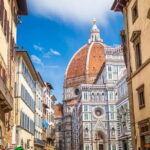
Then the day keeps moving with a city walking tour between the galleries. That matters more than it sounds. You’ll pass through key sights and hear entertaining stories tied to Florentine history, so the city itself feels like part of the museum. It’s not just about seeing masterpieces; it’s about learning how Florence produced them.
Finally, the Accademia portion is structured so you don’t lose everything to crowd flow. You get a guided visit that focuses on the must-sees, and after that you can stay longer in the Accademia if you want. That freedom is a big quality-of-life feature when you’re trying to balance photos, slow looking, and bathroom breaks.
You can also read our reviews of more walking tours in Florence
Early Morning Uffizi: Fast-Track Entry and the Masters You Came For
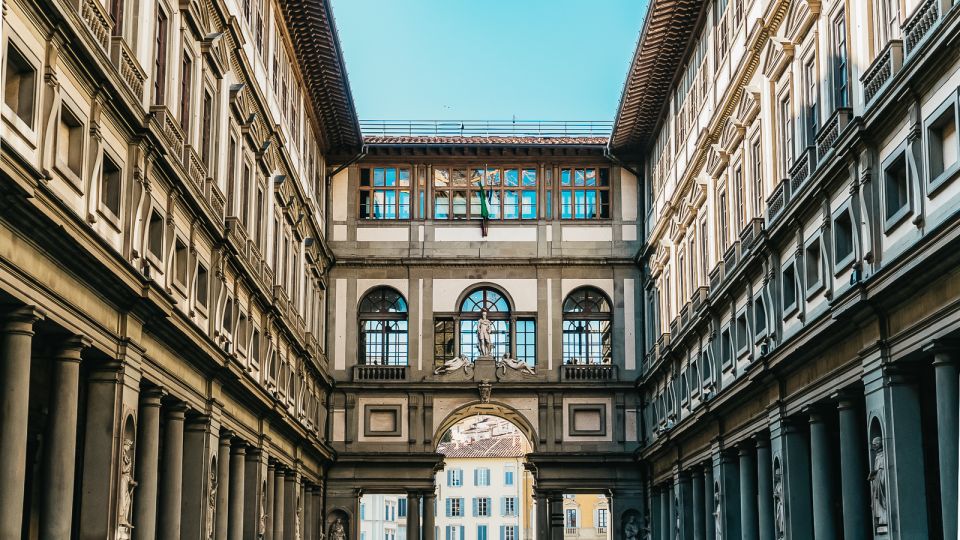
The heart of the tour begins at the Uffizi Gallery with early access and fast-track ticketing. That means you’re not spending your best museum hours in a line watching other people go in.
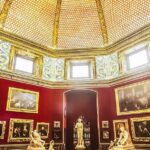
Once inside, the guide leads you through key highlights with commentary that gives you something to hold onto while you look. You’ll see works by major Renaissance names, including Botticelli and Leonardo da Vinci. Those artists can feel like textbook material until someone ties the pieces to the culture that commissioned, collected, and debated them.
This is also where you get the most value from a guided route. The Uffizi is big, and it can be easy to wander and miss what you actually came to see. A good guide helps you prioritize: what to look at first, what to notice in details, and what comparisons make the pieces click.
And yes, the David effect starts here too, in a way. Even before you reach the Accademia, knowing what you’re aiming for changes how you look at everything else. It’s like setting a frame: Renaissance art starts to feel connected, not random.
One practical tip: wear comfortable shoes. The Uffizi walk can include some standing time at different stops. You’ll want your feet ready for a morning that includes both gallery time and walking segments later.
The Florence City Walk Between Museums: Stories You Can Actually Use
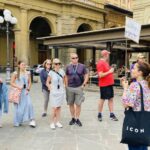
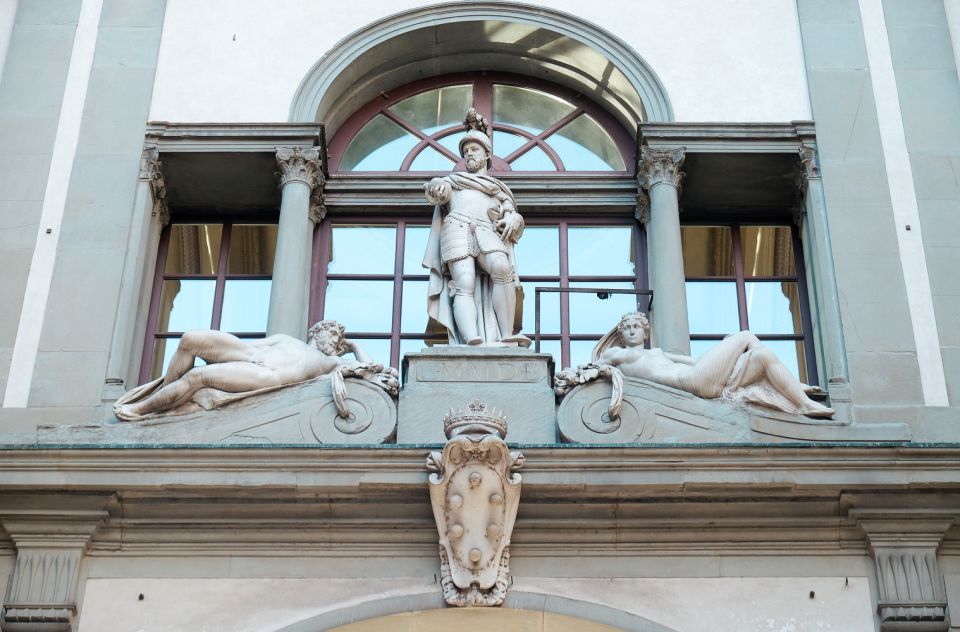
The in-between part is where this tour earns its keep. You’re not just moving from one building to another—you’re walking Florence with a guide who points out main sights along the way and shares secrets and entertaining stories of Florentine history.
This is the difference between a tour that feels like transportation and one that feels like a day. The walking segment helps you translate what you just saw. If the Uffizi taught you how Renaissance power and beauty worked, the city walk gives it a place to live: in streets, architecture, and civic identity.
It’s also useful for first-timers. Florence’s center can feel like a maze if you’re trying to read it on your own. A guide-led route helps you get your bearings fast, so you leave with a mental map rather than just photos.
The pacing also matters. Because the walk happens between two museum visits, it breaks up the long indoor stretch. That keeps the second half—from the Accademia into the final look—more enjoyable and less tiring.
What you should expect here: the guide will comment on the sights you see while you walk, but the exact stops can vary depending on where the group is at that moment. Meeting point may vary depending on the option booked, but the provided coordinates place you in central Florence near the gallery area (43.76827621459961, 11.255611419677734). Plan for a meeting time that keeps you on track for the early Uffizi access.
Accademia and Michelangelo’s David: Guided First, Then Your Own Pace
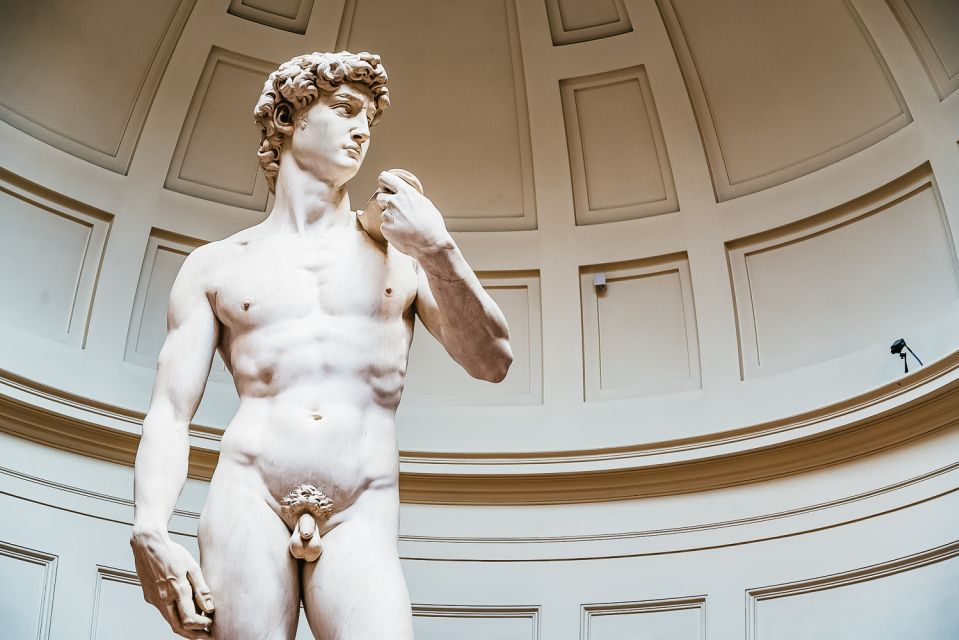
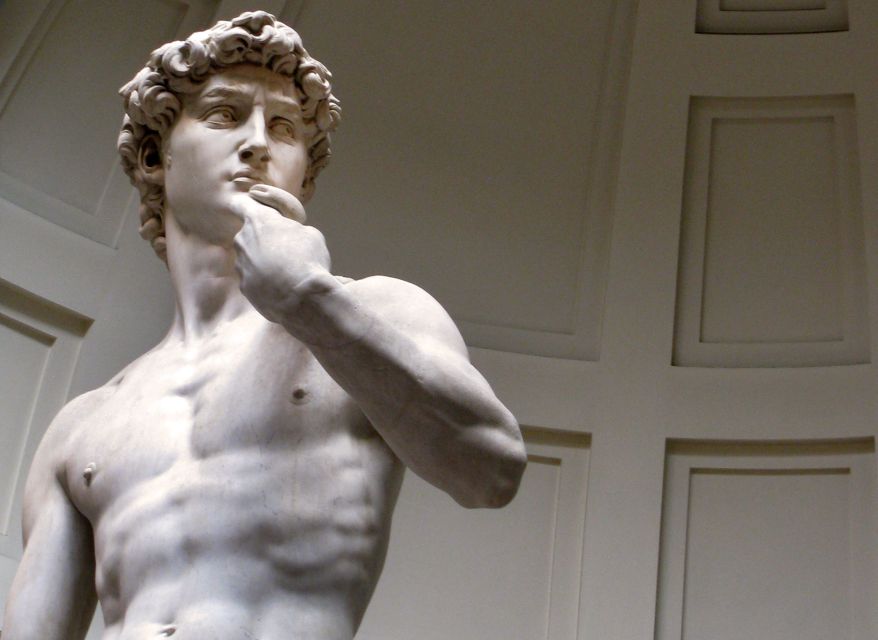
If you’re coming to Florence for one iconic moment, it’s almost certainly Michelangelo’s David. This tour delivers that moment in a guided-first format, which is smart.
The Accademia guided portion focuses on the big works, and your guide helps you understand what you’re looking at—why it became such a symbol, and how it fits into the broader Renaissance narrative. You’ll also see other masterpieces, and the guide typically keeps the pacing controlled so you don’t feel overloaded.
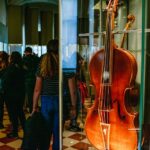
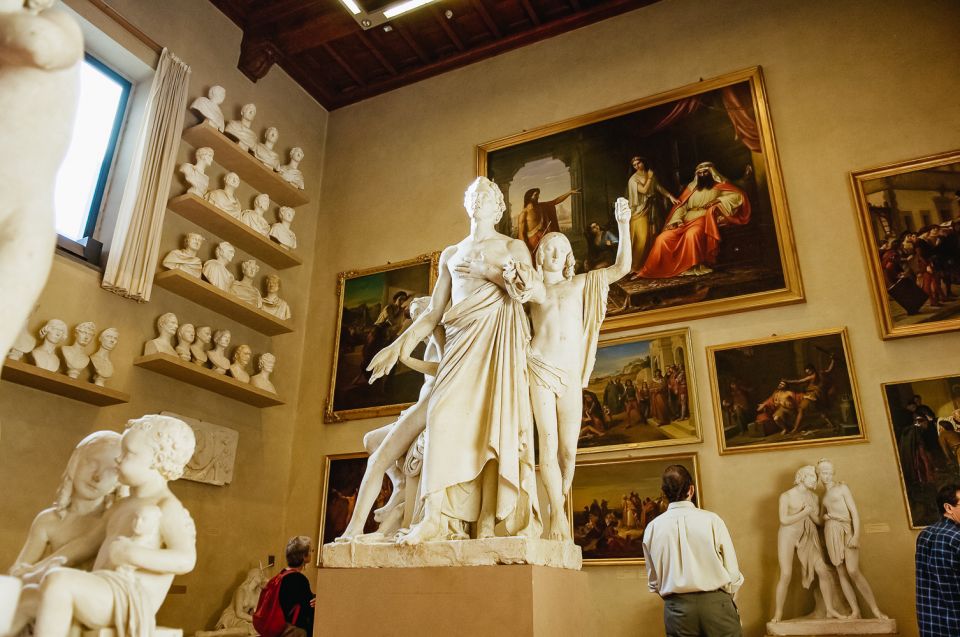
Here’s a standout Accademia detail that you don’t always see highlighted on casual tours: the collection includes an original Stradivarius from 1690 and the first modern piano, which was invented in Florence. That’s a fascinating twist because it reminds you the Accademia isn’t only sculpture and paintings. It’s also a place where Florence’s creativity stretches beyond one art form.
Then comes the best part for many people: once the guided portion ends, you can stay longer in the Accademia if you’d like. That means you can return to David, look again at angles you didn’t catch earlier, or spend more time with other rooms without a guide calling you back every few minutes.
A practical consideration: because the tour fits everything into 3.5 to 4 hours, you’ll likely have a lot of moments, not unlimited time. The built-in extra free time helps, but it’s still a half-day plan. If you’re the kind of person who wants to sit with a masterpiece for 45 minutes, you might want a separate museum day too.
The Guide Factor: Passion, Focus, and Keeping It From Feeling Like Too Much
The guides are one of the biggest reasons this kind of tour works. Names come up in feedback like Giana, Christiano, Alessandra, and Martina—each described as knowledgeable and engaging, with a strong ability to connect art to meaning.
What matters for you isn’t the label. It’s the method: a good guide prevents the classic museum problem—standing in front of a masterpiece while thinking, I don’t know what I’m supposed to notice.
You’ll see that the best guides in this format do a few things well:
- They pick the important pieces so you don’t feel like you’re missing everything.
- They explain significance without drowning you in facts.
- They manage pacing so the group stays together.
This tour also supports small-group formats, which usually means you get more of that personal attention. If you’re traveling in English or Italian, you’ll also appreciate that live guiding is offered in English and Italian, so you’re not relying on an audio app to interpret everything.
I’d treat the guide as part of the attraction. If you’re excited by art, you’ll likely leave with a new mental framework for Florence. If you’re not usually an art person, the pacing and highlight focus can still work because it gives you the main story beats without requiring you to already know everything.
You can also read our reviews of more city tours in Florence



What to Bring, What Not to Bring, and Simple Comfort Wins
This tour is straightforward, but a few details make your day smoother.
Bring:
- Your passport or ID card
- Comfortable shoes
Not allowed:
- Pets
- Smoking
- Luggage or large bags
That luggage rule matters in Florence. Even if your hotel can store a bag, confirm it ahead of time, especially if you’re doing this as part of a longer day trip. Large items can slow down entrances or get you turned around before you even start.
Also plan for the fact that it’s a guided walking experience plus museum time. Even if the museums are indoors, you’ll still be standing and moving. Comfort is your best friend.
And if you care about pace: the duration is listed as 3.5 to 4 hours. That’s short enough to fit into a visit schedule, but long enough that your feet will feel the difference between sensible shoes and not-so-sensible shoes.
Price and Value: A Half-Day That Actually Maximizes Your Florence Time
There’s no price listed here, so I’ll judge value by structure, not by a number.
This tour bundles:
- Early access to a major museum (the Uffizi)
- Fast-track entry so you don’t lose your morning to lines
- A guided route with meaningful context
- A city walking segment that adds Florence flavor between galleries
- Another guided museum visit (Accademia), plus the option for extra time inside
Most “two museum” plans fail because they treat both buildings like one long queue. Here, the time-saving ticket approach is the core idea. That early Uffizi access plus skip-the-line handling is what makes the schedule realistic.
The walking tour is also part of the value equation. Florence can look like a postcard even when you don’t know anything. But when a guide ties sight lines and stories to the art, you get more than pictures—you get understanding. That’s the difference between visiting and learning.
Small group pacing supports that value too. In a big crowd, a guided tour can turn into you trying to hear around elbows. In a smaller group format, you’re more likely to follow the explanation and keep the day from feeling chaotic.
If you only have one half-day in Florence and you want the big names, this kind of guided combo is often the best fit.
Should You Book This Florence Uffizi, Accademia, and City Walk?
I’d book this tour if:
- You want Michelangelo’s David plus major Renaissance art in one efficient plan
- You appreciate guides who explain meaning and keep a tight, sensible focus
- You prefer a half-day itinerary that still includes a city walk for context
- You want some extra freedom at the end in the Accademia
I’d think twice if:
- You want to spend lots of time drifting room to room without structure
- You’re traveling on a day with unusual free-entry conditions, since first Sunday entries can be tricky to guarantee (tickets can’t be reserved ahead of time)
One final practical note: the first Sunday of each month has free entrance, but because tickets can’t be reserved ahead of time, entry isn’t guaranteed. If that matters to you, you’ll want to plan around it.
FAQ
How long is the tour?
The duration is listed as 3.5 to 4 hours.
Does the tour include skip-the-line entry?
Yes. The tour includes skip-the-ticket-line access and fast-track entry for the museums.
Which galleries and sights are included?
The experience includes a guided visit at the Uffizi Gallery and the Accademia Gallery, plus a guided walking tour through Florence’s city center between the two.
What language are the guides available in?
The live tour guide is available in English and Italian.
What should I bring, and what is not allowed?
Bring a passport or ID card and wear comfortable shoes. Pets, smoking, and luggage or large bags are not allowed.
Is it possible to visit for free on the first Sunday?
Entrance is free on the first Sunday of each month, but because tickets can’t be reserved ahead of time, entry is not guaranteed.
You Might Also Enjoy


More Walking Tours in Florence
More Tours in Florence
- The Best tour in Florence: Renaissance & Medici Tales – guided by a STORYTELLER
★ 5.0 · 12,316 reviews




More Tour Reviews in Florence
- Tuscany Day Trip from Florence: Siena, San Gimignano, Pisa and Lunch at a Winery
★ 5.0 · 21,634 reviews - The Best tour in Florence: Renaissance & Medici Tales – guided by a STORYTELLER
★ 5.0 · 12,316 reviews