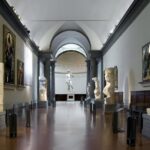
REVIEW · FLORENCE
Florence: Accademia Gallery Guided Tour with an Art Expert
Book on GetYourGuide →Operated by Towns of Italy · Bookable on GetYourGuide
The Accademia feels like a world-famous name with a real human-size advantage: early entry that helps you spend time with the art instead of standing in line. I love that this experience is built around skip-the-line access and getting you inside before the main crush. You’re also paired with an English-speaking art expert who gives you context so the sculptures click faster.
One thing to plan for: even with the priority entrance, there’s still a compulsory security check, so you might see a short delay right at the start. Also, you’ll need to travel light since luggage/large bags and umbrellas aren’t allowed.
In This Review
- Key highlights worth your time
- Early entrance at Accademia: how it changes the whole David moment
- Meeting the guide and getting inside smoothly (without overpacking)
- Your guided tour start: what the first 30 minutes is really for
- Michelangelo’s David up close: the big moment, plus what to notice
- Unfinished Michelangelo: Prigioni and San Matteo aren’t just side quests
- After the guide: turning your self-paced time into real looking
- Price and value: what you’re paying for (and why it can be worth it)
- Timing tips that make the day feel smoother
- Rules, accessibility, and practical constraints to know up front
- Who should book this Accademia David guided tour
- Should you book this early-entry Accademia Gallery tour?
- FAQ
- How long is the Florence Accademia Gallery guided tour?
- Is this tour really skip-the-line?
- Will I still go through security even with skip-the-line tickets?
- What languages are the guided tours offered in?
- Are luggage bags and umbrellas allowed?
- Is the Accademia free on the first Sunday of the month?
Key highlights worth your time
- Small group (max 15) keeps the experience personal and easy to follow
- Skip-the-line entry means you can arrive hungry for art, not trapped in a queue
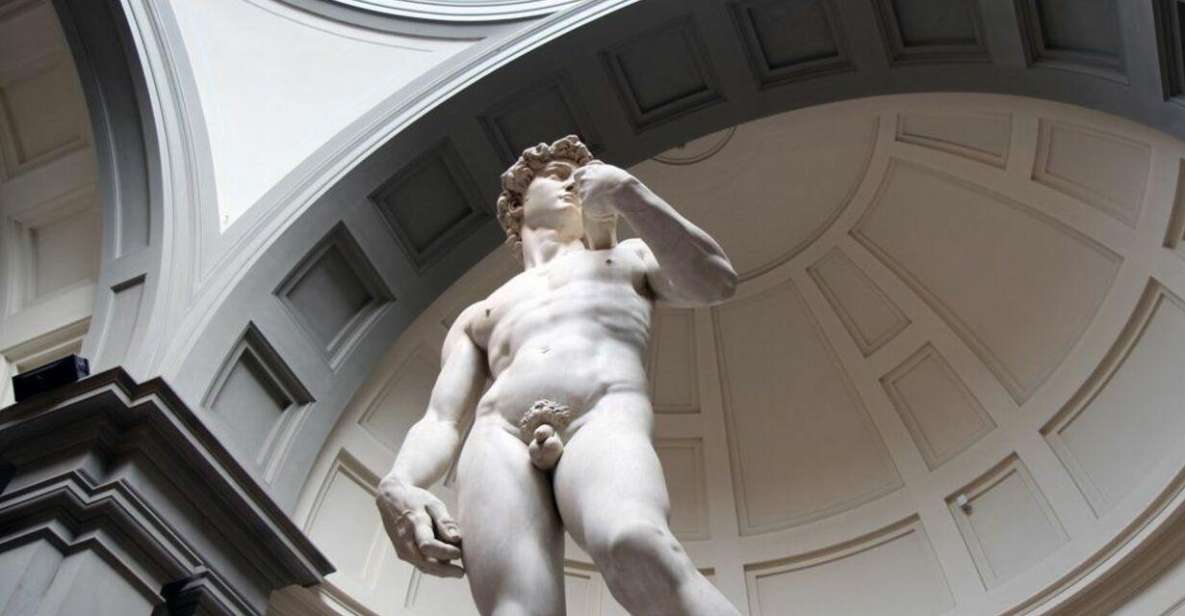
- Michelangelo’s David gets real context: marble, symbolism, and why it mattered in 1504
- Unfinished sculptures like Prigioni and San Matteo show a different side of Michelangelo
- Self-guided time after your tour lets you linger at Botticelli, Uccello, and more at your pace
- English or Spanish interpretation with an art historian style of explanation (including guides like Laura and Vanessa)
Early entrance at Accademia: how it changes the whole David moment
If you’re going to Florence, you’ll hear the word David everywhere. The problem is that Florence also has lines everywhere. This tour tackles both issues by getting you among the very first to enter, using skip-the-line tickets so you’re not spending hours just waiting for the doors.
That matters because the Accademia is one of those museums where timing controls your mood. Early entry helps you see Michelangelo’s David with less noise bouncing around your head and fewer shoulders turning into a human wall in front of the statue. You still have to share the space—this is a top attraction—but the experience feels calmer and more focused, especially during that first viewing.
The small-group format (max 15) is also a quiet win. When you have a tight group, you don’t feel like you’re being moved like luggage from one photo spot to another. Instead, the guide can slow down when something is worth noticing.
You can also read our reviews of more guided tours in Florence
- The Best tour in Florence: Renaissance & Medici Tales – guided by a STORYTELLER
★ 5.0 · 12,316 reviews
Meeting the guide and getting inside smoothly (without overpacking)
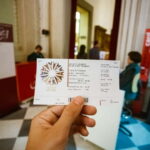
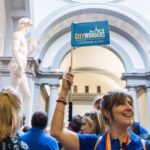
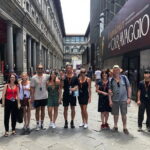
Meet at the Accademia Ticket Office, Via Ricasoli 58/60, Florence. Look for the Towns of Italy tour guide in front of civic number 58. It’s simple, but do yourself a favor and arrive a bit early—being on time here helps you avoid the added stress that comes with security lines and museum entry rhythm.
Then comes the one “not so skip-the-line” part: there’s still a security check when you enter the museum. The skip-the-line ticket helps you bypass the main ticket bottleneck, but it doesn’t delete the museum’s safety process. Plan your expectations accordingly, and you’ll feel smarter than rushed.
Also, be mindful of the on-site rules. No luggage or large bags, and no umbrellas. If you tend to travel with a big daypack, consider keeping it manageable so you don’t end up juggling things while others glide through.
Your guided tour start: what the first 30 minutes is really for
Your guided time is structured, but it’s not just for ticking off David and moving on. The tour begins with a guided visit around the Accademia for about 30 minutes, and this first segment helps you get oriented fast.
Why does this matter? Because the Accademia can look like a list of famous names until someone ties them together. With an art expert guiding you, you’ll understand what kind of works you’re seeing—paintings and sculptures, from the Middle Ages through the Renaissance—and you’ll learn how Michelangelo fits into that broader story.
This part also sets you up for the main event. Once you know what you’re looking at and why it’s important, David stops being a postcard and becomes a sculpture you can actually read.
And yes, your guide will be explaining in English (and Spanish is offered too). In the feedback you provided, guides like Laura and Vanessa show up repeatedly with the same theme: they connect the facts to what you’re actually seeing in front of you.
Michelangelo’s David up close: the big moment, plus what to notice
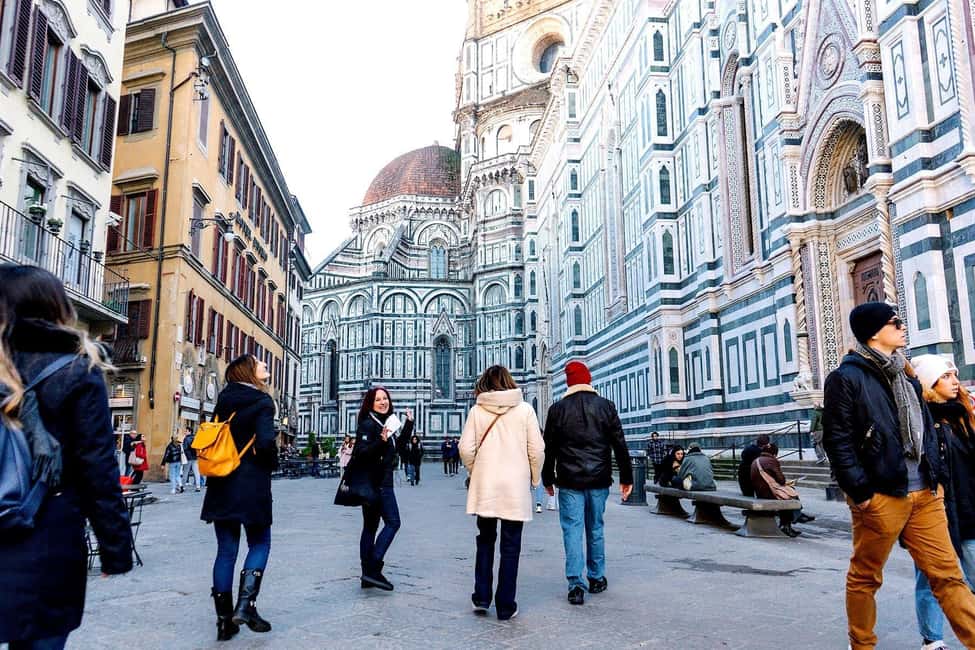
The highlight is, obviously, Michelangelo’s David. Your guided segment there runs about 1 hour, which is a good amount of time for something this famous. At most museums, you get a quick glance and a photo. Here, you get time to understand what the statue is doing.
A few anchor facts make the sculpture click:
- Michelangelo was in his twenties when he created it.
- It was carved from a single block of local Carrara marble.
- David represents the biblical hero who kills Goliath.
- When it was unveiled in 1504, it quickly became a symbol tied to the Florentine Republic’s defense of civil liberties.
That last point is the one people often miss. David isn’t only a religious story made stone. It also became a political symbol for Florence when it was unveiled. When your guide connects David to that civic meaning, the statue reads differently—less like a generic hero and more like a statement made in marble.
During your viewing time, you’ll get “what to look for” guidance, not just a fact dump. The goal is to help you notice how the sculpture feels at different angles and how the expression and stance support the whole idea of David as a chosen figure rather than just a body.
Unfinished Michelangelo: Prigioni and San Matteo aren’t just side quests
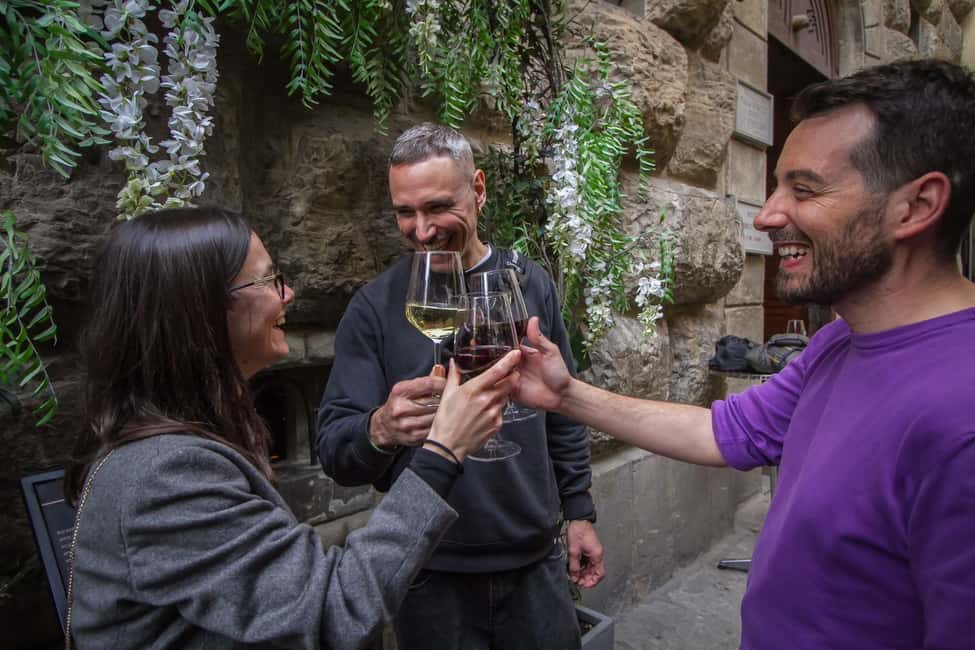
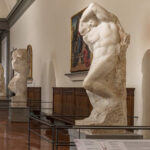
One of the smartest parts of this experience is that it doesn’t treat David as a one-stop show. While you’re in the Accademia, your guide also points out Michelangelo’s famously unfinished sculptures—especially Prigioni and San Matteo.
Why unfinished matters: it changes your understanding of how Michelangelo worked. Finished masterpieces can feel like they arrived fully formed. Unfinished pieces show the process—how forms emerge, how ideas take shape, and how the artist’s decisions are still visible.
Even if you’re not a sculpture expert, this is one of those moments where you suddenly feel like you’re seeing the artist’s thinking in real time. And because these works are tied to the same overall genius as David, it’s a satisfying contrast rather than a random extra room.
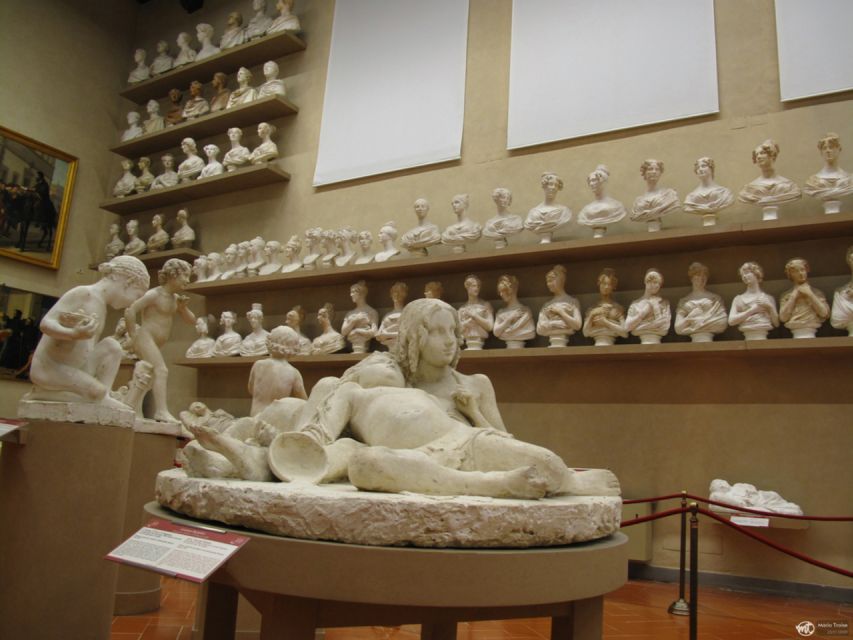
Your tour also doesn’t limit you to Michelangelo. The Accademia holds paintings and sculptures spanning centuries, and you’ll encounter major names like Botticelli, Paolo Uccello, and Andrea del Sarto. The guide helps connect those works to the museum’s bigger timeline—Middle Ages to Renaissance—so you don’t feel lost when you start wandering on your own.
You can also read our reviews of more museum experiences in Florence

After the guide: turning your self-paced time into real looking
When your guided portion wraps, you’re free to continue at your own pace. This is a great feature because the Accademia is compact enough that you can keep moving, but it also has enough masterpieces that you’ll want to linger.
You can choose to exit the museum after the tour, or stay inside and explore as long as you want. That flexibility is more valuable than it sounds. Some people want another pass at David for comparison angles. Others want to follow the art expert’s clues to specific details they didn’t fully absorb the first time.
Since your guided time already gave you the story behind David and the significance of the unfinished works, your independent exploring becomes less random. You start looking on purpose—at styles, at how artists solved visual problems, and at what fits within the Renaissance story the museum is telling.
Price and value: what you’re paying for (and why it can be worth it)
At $44.41 per person, you’re paying for three things that don’t show up on the standard ticket price:
- Skip-the-line access, which can turn a painful entry day into a manageable one.
- A masterclass-style guided explanation from an English-speaking art expert.
- The structure and pacing of a small group—so you’re not trying to do museum navigation while also staring at your phone.
Is it expensive compared to just buying a museum ticket? Sure. But museum time is rarely “just time.” It’s also waiting time. If you’ve ever lost an afternoon to a line, you already know why early access can be the best money you spend in a major attraction.
Also, the guide isn’t limited to repeating famous facts. With the focus on David’s origins (single-block Carrara marble, Michelangelo’s young age, the 1504 unveiling) and the inclusion of unfinished works like Prigioni and San Matteo, the guided portion adds meaning. You’re not only seeing the statue. You’re learning how to see it.
If you’re the type who wants to go beyond the photo, the value usually lands well at this price point—especially with early entry.
Timing tips that make the day feel smoother
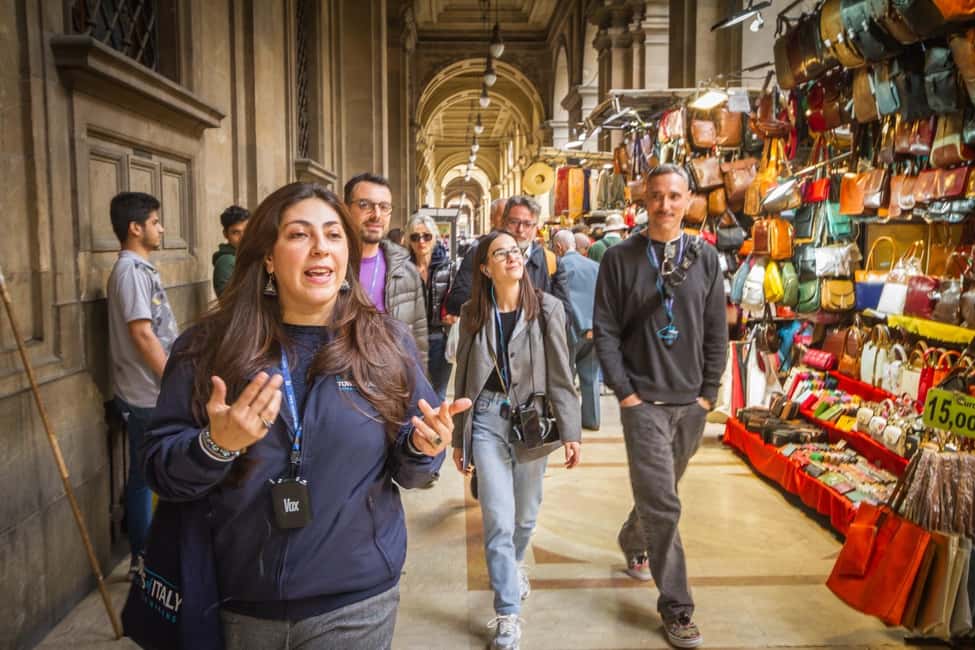
You’ll get a 1.5-hour experience total. Starting times vary, so check availability for the slot that matches your day.
Here’s how I’d think about timing in practical terms:
- Go earlier if David is your main goal. Early entrance options tend to be the best way to reduce crowd pressure.
- If your schedule is tight, at least choose a time where you won’t be rushing from another must-see. The museum’s security check means you want breathing room, not a sprint.
- Keep your belongings small and umbrella-free. That way you don’t lose time at check-in points inside the building.
And if you care about quieter viewing, early entrance matters because it’s when you’re most likely to experience the art without shoulder-to-shoulder friction.
Rules, accessibility, and practical constraints to know up front
This tour is wheelchair accessible, which is great. But you should still plan around the museum’s logistics. The big constraint is what you bring:
- No luggage or large bags
- No umbrellas
If you’re carrying something large, you may find yourself needing to manage it during the entry process. Better to travel with fewer items and keep your daypack light.
Languages are English and Spanish, and the guide is there to explain art in a way that helps you understand what you’re seeing, not just recite names.
Who should book this Accademia David guided tour
Book it if:
- You want David without spending half your day in a line.
- You prefer guided context over staring at famous works with zero connection.
- You enjoy sculpture details and want to see the unfinished side of Michelangelo (Prigioni and San Matteo).
- You’d like a small group start and then freedom to linger afterward.
Consider skipping it if:
- You’re happy with self-guided museum wandering and don’t care about interpretive context.
- You’re traveling with items that are likely to violate the baggage rules (big bags, umbrella).
- You expect absolutely zero waiting. The security check is still there.
Should you book this early-entry Accademia Gallery tour?
For me, the decision is pretty straightforward. If your Florence plan includes seeing Michelangelo’s David, paying for early access plus an art expert is often the best way to make that moment feel meaningful instead of chaotic.
This tour adds value through timing (first entry), context (why David mattered and how Michelangelo made it), and variety (unfinished works and other Renaissance highlights you can explore afterward). You’ll still walk through the museum at your own pace after the guide, so you get the best of both worlds: explanation upfront, freedom afterward.
If you want a Florence highlight that feels organized, not rushed, this is a strong pick.
FAQ
How long is the Florence Accademia Gallery guided tour?
The tour lasts about 1.5 hours total. The guided portion includes a start visit of about 30 minutes, followed by about 1 hour focusing on Michelangelo’s David.
Is this tour really skip-the-line?
Yes. It includes skip-the-line Accademia Gallery tickets so you can enter without waiting in the long public ticket line.
Will I still go through security even with skip-the-line tickets?
Yes. Even with skip-the-line entrance, there is still a compulsory security check when entering the museum.
What languages are the guided tours offered in?
The tour is offered with an English-speaking art expert, and Spanish is also available.
Are luggage bags and umbrellas allowed?
No. Luggage or large bags aren’t allowed, and umbrellas aren’t allowed.
Is the Accademia free on the first Sunday of the month?
Entrance is free on the first Sunday of each month, but tickets can’t be reserved in advance. Entry isn’t guaranteed on that day.
You Might Also Enjoy



More Guided Tours in Florence
- The Best tour in Florence: Renaissance & Medici Tales – guided by a STORYTELLER
★ 5.0 · 12,316 reviews
More Tours in Florence
- The Best tour in Florence: Renaissance & Medici Tales – guided by a STORYTELLER
★ 5.0 · 12,316 reviews



More Tour Reviews in Florence
- Tuscany Day Trip from Florence: Siena, San Gimignano, Pisa and Lunch at a Winery
★ 5.0 · 21,634 reviews - The Best tour in Florence: Renaissance & Medici Tales – guided by a STORYTELLER
★ 5.0 · 12,316 reviews