REVIEW · FLORENCE
Best of Florence Electric Bike Tour
Book on Viator →Operated by Fat Tire Tours Holdings LLC - Italy · Bookable on Viator
Florence goes fast. On this electric bike tour, you get a smoother pace through the city’s most important corners, without losing the chance to ask questions or stop for photos. I like that it mixes the big-name sights with calmer viewpoints on the edges of the center. I also really appreciate the headset setup, so you can actually catch what the guide says even when the streets get busy.
The ride is easy enough for most people (at least the tour says most travelers can participate), and the e-bikes help you handle Florence’s hills with less strain. One thing to think about: traffic and crowds can feel intense in central areas, so this is best if you’re comfortable sharing narrow streets with pedestrians and bikes.
In This Review
- Quick reasons this e-bike tour works
- Electric bikes plus headsets: the secret sauce in crowded Florence
- Piazza della Signoria: Renaissance politics on an open-air stage
- Santa Maria del Fiore (Duomo): hearing construction stories without rushing
- Medici power trail: Palazzo Medici Riccardi and San Lorenzo
- Santa Maria Novella and Santa Maria Soprarno: calmer moments near big sights
- Piazza Santo Spirito: local life across the Arno
- Pitti and the Boboli gardens backdrop: power, competition, and scale
- Santa Croce: the biggest square and the Franciscan church feel
- The ride itself: timing, pacing, and how long you actually stop
- Price and value: what $72.10 buys you in practice
- Who this tour is best for (and who should think twice)
- Booking mindset: how far ahead you should plan
- Should you book the Best of Florence Electric Bike Tour?
- FAQ
- How long is the Best of Florence Electric Bike Tour?
- What does the tour cost?
- Is the tour offered in English?
- Where does the tour start?
- What are the age requirements?
- Do I need to bring an ID?
- Are tickets included for the sights?
- Are pregnant women allowed to join?
- Is there a limit on group size?
- Can kids ride with child seats or tag-alongs?
Quick reasons this e-bike tour works
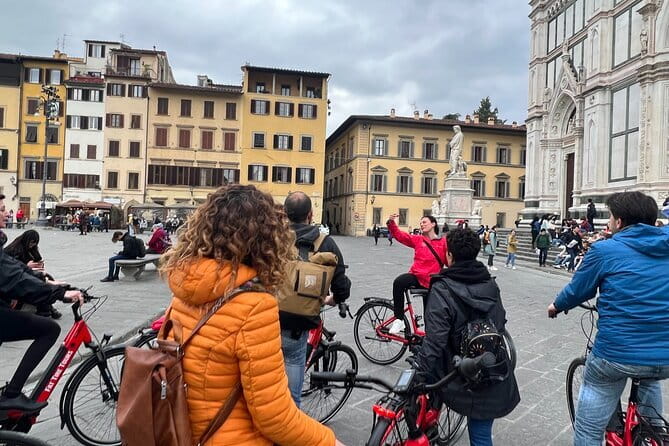
- Headsets that help you hear clearly while you’re moving through loud, crowded streets
- A small group size (max 14) that makes it easier to stay together and navigate
- Covering major Florence landmarks plus quieter vantage points rather than just one highlight loop
- Electric assist that helps on hills so you can enjoy the stops without biking fatigue
- Stop-and-chat timing built in, so you’re not rushed through each piazza or church area
Electric bikes plus headsets: the secret sauce in crowded Florence
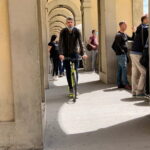
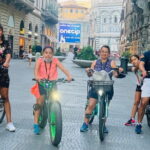
If you’ve ever tried to do Florence by foot, you know the math: you either walk a lot, or you skip the best conversations. This tour solves that with an electric bike plus a headset for the guide’s voice. That combination matters more than it sounds. On a moving ride, street noise usually wins. Here, the audio system helps you follow the story without sprinting your attention from landmark to landmark.
The other practical win is comfort. You’re not fighting every incline. One review notes the terrain is mostly flat, but also that the e-bike makes the ride comfortable even on hills. So you can spend your energy on questions and photos, not on leg burn.
And yes, Florence traffic can feel intense, especially when you’re threading through people. That’s why group management matters. In particular, guides were praised for handling the crowd flow and keeping the route safe and organized. If you tend to get stressed in busy streets, that kind of structure can make the difference between a fun ride and a chore.
You can also read our reviews of more cycling tours in Florence

Piazza della Signoria: Renaissance politics on an open-air stage
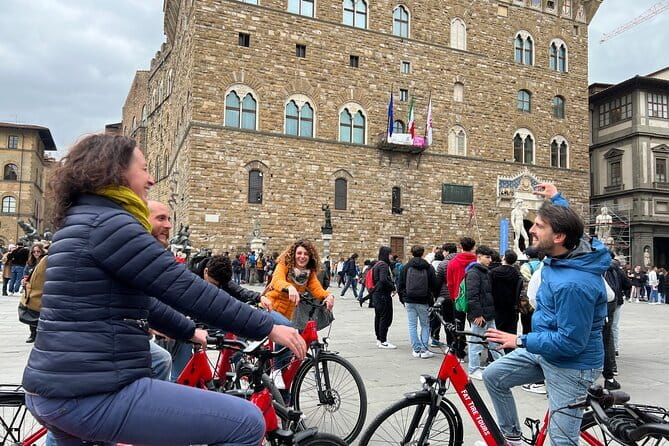
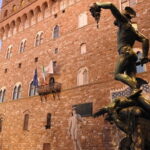
You start at Piazza della Signoria, which is basically Florence’s public square with power built into it. The tour frames it as a political center and an open-air museum because of the original Renaissance statues you can see there. This is a good first stop. It sets the tone fast: Florence isn’t just pretty buildings, it’s also where art, authority, and public life overlap.
You’ll have time to pause, look around, and ask questions. That matters here because the statues and symbolism can be easy to miss if you just snap a picture and move on. Even if you don’t know much going in, the guide’s framing helps you notice patterns—what’s displayed, why it’s displayed, and what kind of messages a Renaissance city wanted to send.
The only mild drawback: if you arrive when crowds are thick, the square can be full of motion. It’s still worth it, but you’ll likely want to slow your pace and pick one or two directions to focus on rather than trying to see everything at once.
Santa Maria del Fiore (Duomo): hearing construction stories without rushing
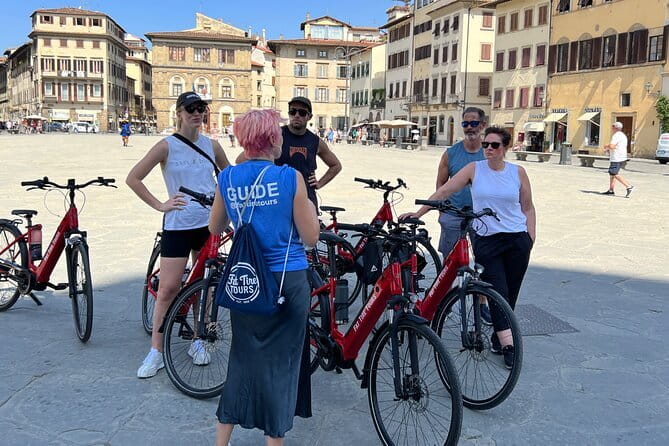
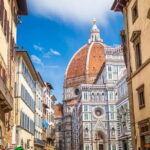
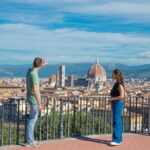
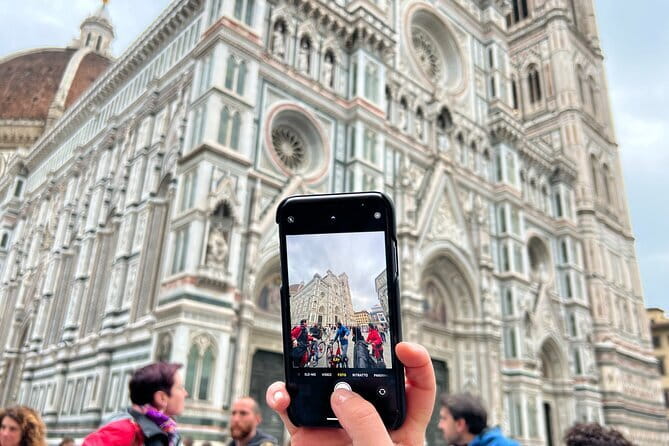
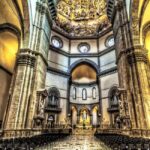
Next comes the Cathedral of Santa Maria del Fiore, Florence’s most important church. The structure is the star, but what makes the stop more interesting is how the guide connects the construction to legends and curiosities. You don’t need to be a history buff to get value here. When a guide explains what to look for, the building stops being just a massive facade and starts becoming a puzzle you understand.
This is also where the headset pays off. On busy days, you might not be able to hear from a distance. On the tour, you’re close enough to follow the explanation, and you’re not stuck trying to compete with street noise.
A practical tip for this stop: wear your comfy walking shoes even if you’re on an e-bike. You’ll be up close, standing, looking up, and doing a bit of circling to see details. The good part is that you’re doing it at a relaxed pace, not as a stop-and-run photo stop.
Medici power trail: Palazzo Medici Riccardi and San Lorenzo
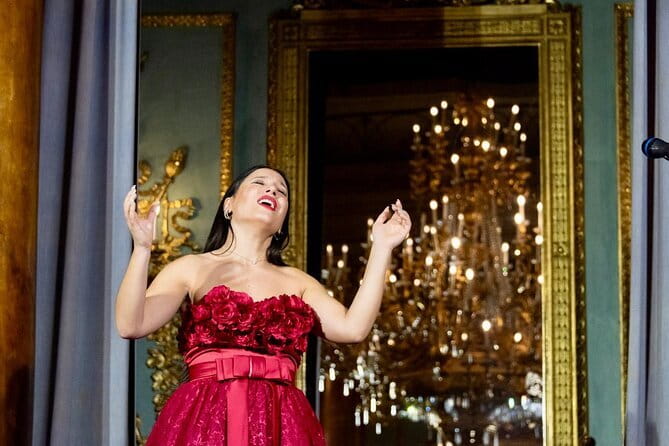
Then the tour shifts into the Medici story. First is Palazzo Medici Riccardi, tied to the famous Medici family’s residence. Even with a short stop, this kind of setting helps you connect the dots. If you only ever see the Medici name on museums and plaques, you might not grasp how “home” and “power” were linked in Renaissance Florence. This stop gives you that context quickly.
After that comes Basilica di San Lorenzo, described as the Medici’s private church. Here, the tour highlights connections to Michelangelo and Brunelleschi in the construction. That’s a strong combo for anyone who likes art and architecture but doesn’t want to read a textbook on the street. The headset also helps here because churches have their own echo and sound quirks, and walking in crowds can make regular conversation tough.
What I like about this Medici segment is that it’s not only about big names. It’s about why they mattered in the city’s life. You get the sense that Florence’s religious buildings and political influence were braided together. It’s the kind of understanding that makes later sights click.
Santa Maria Novella and Santa Maria Soprarno: calmer moments near big sights
Not every stop is a giant, must-see cathedral moment. Santa Maria Novella is framed as a peaceful square where the Dominican friars built their church. That “peaceful” quality is important for your energy level. After the intensity of the Duomo area, this feels like a reset: you get a quieter pause, and the guide still keeps the story moving.
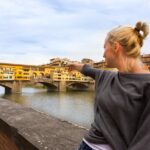
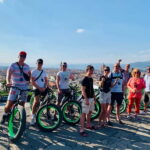
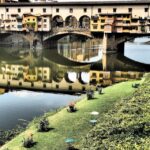
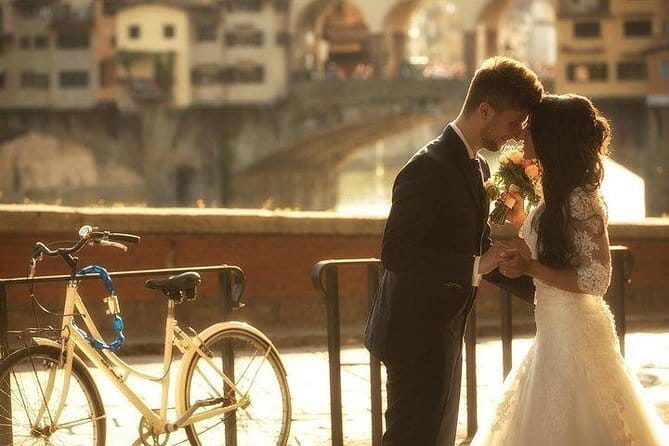
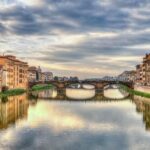
Then you head to Santa Maria Soprarno for one of the best “pay attention to location” moments: the oldest bridge of Florence. The tour points out that this bridge survived the II World War and frequent Arno floods. That kind of detail changes how you look at a bridge. It stops being a simple crossing and becomes a witness to the city’s changes and shocks.
Here’s the practical consideration: you’ll want to time your photos well, because bridges and river viewpoints can fill up fast when people notice the same angle you’re after. The upside is that the tour sets up these stops so you’re not just standing there guessing what you should look at.
You can also read our reviews of more tours and experiences in Florence
Piazza Santo Spirito: local life across the Arno
Crossing to Piazza Santo Spirito on the other side of the Arno shifts the mood. The tour describes it as the more “Florentine” living side, where people still spend summer evenings. Even if you visit outside peak summer, you’ll likely feel the difference. This is less about monuments and more about everyday life.
I like how this stop gives you a break from the classic sightseeing loop. It helps you understand the city isn’t only a stage for famous landmarks. It’s a home for people who care about where they walk, meet, and relax.
If you like photos, this is the kind of place where you can get images that feel more lived-in than postcard-perfect. And if crowds are heavy earlier, this side can feel more human-scaled—though it will still be busy during popular hours.
Pitti and the Boboli gardens backdrop: power, competition, and scale
Next you reach Pitti, described as the biggest palace of Florence, with the magnificent Boboli gardens behind it. The guide also explains competition among the richest families in Florence. That angle is smart. Pitti isn’t just large. It’s a statement—about wealth, influence, and who could build the biggest, most impressive claim on the city.
This stop can be brief, but it works because your brain has already built the context. Earlier you learned about Medici residence and the political center of Florence. Now you get the sense of how status turned into architecture and land.
One caution: scale can overwhelm quickly. When you’re looking at a palace complex, you might lose your place and focus on random details. The best way to enjoy this stop is to follow the guide’s direction for what to notice, then take a step back to see the bigger picture once.
Santa Croce: the biggest square and the Franciscan church feel
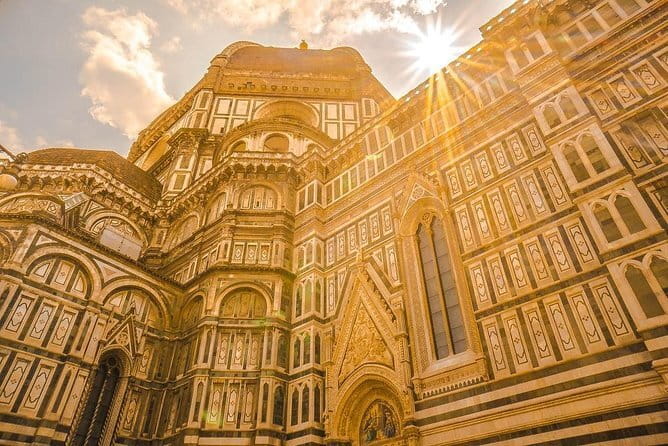
You end at Piazza Santa Croce, described as the biggest square in Florence, with a beautiful Franciscan church. This is a strong closing note because it’s broad, open, and instantly readable from a distance. Even if the details take longer, the overall feeling of the square gives you a good sense of where the city “lands” after you’ve been moving through tight streets and landmark clusters.
A square like this is also a natural place to reflect on what you’ve just learned. You’ve seen political symbolism, major religious architecture, Medici connections, and riverfront endurance. Santa Croce ties it together as part of the larger urban fabric—more than just a single building, it’s a civic setting.
The ride itself: timing, pacing, and how long you actually stop
The tour runs about 3 hours. That length is a sweet spot. Long enough to cover multiple areas without making each stop feel rushed, and short enough that you can still do other Florence plans after.
Each stop includes time built in for photos and questions, which keeps the tour from feeling like a guided slideshow. Reviews specifically praised the guide’s ability to manage the group and keep things safe while moving through crowds. That matters because Florence can be tricky when everyone is trying to see the same thing from the same place.
Also, the tour uses a headset system so you hear every word. That means you’re not stuck figuring things out from snippets or body language. You can treat the tour like a walking conversation with scenery.
Price and value: what $72.10 buys you in practice
At $72.10 per person, you’re paying for more than transportation. You’re buying a guided route, e-bike access, and a headset system. In Florence, that package can be a solid value because it replaces multiple decisions: where to go, which streets to navigate, and how to connect the sites into a single story.
You also gain time. The tour strings together major sights plus additional viewpoints in one morning/afternoon-sized block. If you’ve only got a day or two in Florence, that matters. It’s not just about seeing famous places. It’s about reducing wasted time figuring out logistics and spending that energy on understanding.
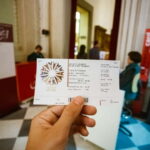
One more value point: it’s offered in English and uses a mobile ticket. That combination is handy if you prefer less paper juggling while you’re already sorting out shoes, water, and photo gear.
Who this tour is best for (and who should think twice)
This is a great fit if you want an overview of Florence’s most important areas without pushing yourself into a long, punishing walk. It also fits well if you like the idea of learning while you travel, because the headset helps you actually hear the guide’s explanations.
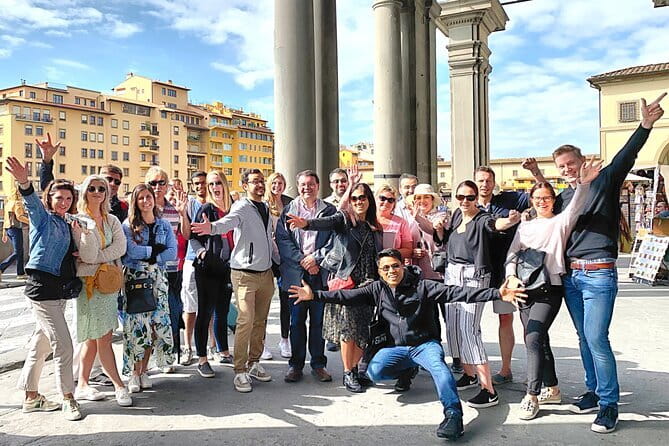
It’s also a good pick for couples or friends who want to move at a shared pace. The small group size (max 14) helps keep everyone together without turning it into a school bus feel.
Think twice if busy streets make you nervous, or if you need a super quiet, slow experience. Reviews note that traffic and people can be intense. The tour manages it well, but the setting is still Florence.
And if you have specific constraints, check the rules carefully: riders must be at least 14. Pregnant women are not allowed on these e-bike tours, and the e-bikes aren’t set up to carry child seats or tag-alongs.
Booking mindset: how far ahead you should plan
This tour is commonly booked about 34 days in advance on average. That doesn’t mean you must book months ahead, but it does suggest it’s a popular way to see Florence efficiently. If your travel dates are tight or you’re aiming for a specific day, I’d treat it as something you plan early rather than last-minute.
Should you book the Best of Florence Electric Bike Tour?
Book it if you want a fast, comfortable Florence overview with headsets that let you hear the story clearly while you’re moving. The route makes sense because it balances the big sights with quieter vantage points, and the Medici segment gives you real context for what you’ll see later.
Skip it or rethink your timing if crowds and street intensity tend to stress you out. Also, if your travel group needs kid seats or tag-alongs, this tour can’t accommodate that setup. For everyone else, it’s an efficient way to get bearings fast, see the key landmarks, and still have time for questions and photos.
FAQ
How long is the Best of Florence Electric Bike Tour?
It runs about 3 hours.
What does the tour cost?
The price is $72.10 per person.
Is the tour offered in English?
Yes, it’s offered in English.
Where does the tour start?
The meeting point is Via dei Cimatori, 9R, 50122 Firenze FI, Italy.
What are the age requirements?
All riders must be at least 14 years old, and anyone under 18 must be accompanied by a parent or guardian who is 18 or older.
Do I need to bring an ID?
Yes, a valid ID document is required on the date of travel.
Are tickets included for the sights?
The listed stops show admission ticket free for the areas included on the tour.
Are pregnant women allowed to join?
No. Pregnant women are not allowed on these e-bike tours.
Is there a limit on group size?
Yes. The tour has a maximum of 14 travelers.
Can kids ride with child seats or tag-alongs?
No. The e-bikes are not compatible to carry child seats or tag-alongs.
You Might Also Enjoy
More Cycling Tours in Florence
More Tours in Florence
- The Best tour in Florence: Renaissance & Medici Tales – guided by a STORYTELLER
★ 5.0 · 12,316 reviews

More Tour Reviews in Florence
- Tuscany Day Trip from Florence: Siena, San Gimignano, Pisa and Lunch at a Winery
★ 5.0 · 21,634 reviews - The Best tour in Florence: Renaissance & Medici Tales – guided by a STORYTELLER
★ 5.0 · 12,316 reviews