REVIEW · FLORENCE
5 Mornings Still Life Painting Guided Workshop in Florence
Book on Viator →Operated by The Florence Studio · Bookable on Viator
Florence is where your brush gets serious. This 5-morning oil painting workshop takes place in a light-filled palazzo and turns you loose on a real still life. I especially liked the small group size and how the teacher leads you through still life painting in a calm, hands-on way.
Two things I really loved: the structure (you always know what comes next) and the coaching from Laura and Frank, who made the basics feel doable even when oil paint looked intimidating. One possible drawback to think about up front: this is a morning course, so it takes up about 15 hours total of your trip time, starting at 10:00 am.
In This Review
- Key things to know before you go
- Entering the Florence Studio at Borgo Santi Apostoli (10:00 am start)
- Five mornings of still-life painting: what your class actually covers
- Sight Size in Florence: how the Sargent-style approach makes drawing easier
- Tonal underpainting: the step that saves your colors
- Color mixing and materials: learning what tools are for
- Small group coaching with Laura and Frank: what personalized help feels like
- Taking your painting home: packing matters more than you think
- Pick your start day: how the weekday options work
- Price and value: does $789.39 make sense for this 15-hour course?
- Who should book 5 Mornings Still Life Painting in Florence?
- Should you book this still life workshop in Florence?
- FAQ
- How long is the 5 Mornings Still Life Painting Guided Workshop?
- What time does the workshop start?
- Where is the meeting point in Florence?
- How many people are in the group?
- Do I need any prior painting experience?
- What will I learn during the course?
- Can I choose which weekday to start?
- How does it work if I need to cancel?
Key things to know before you go
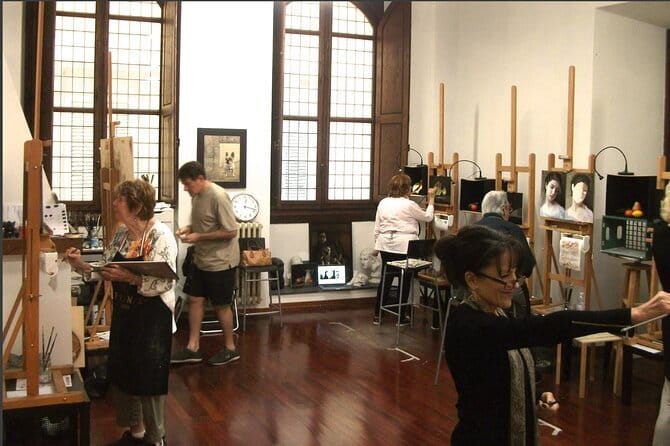
- Ten people max means you get real eyes on your work as you paint.
- 15 hours across five mornings keeps the learning tight and progressive.
- Sight Size drawing (the same approach tied to John Singer Sargent) helps you get proportions right fast.
- Oil primed linen panel workflow takes you from sketch to underpainting to full color.
- You finish with a unique painting that gets packed for easier transport home.
- Pick your weekday start and the course will run Mon–Fri logic, ending the following Monday if needed.
Entering the Florence Studio at Borgo Santi Apostoli (10:00 am start)
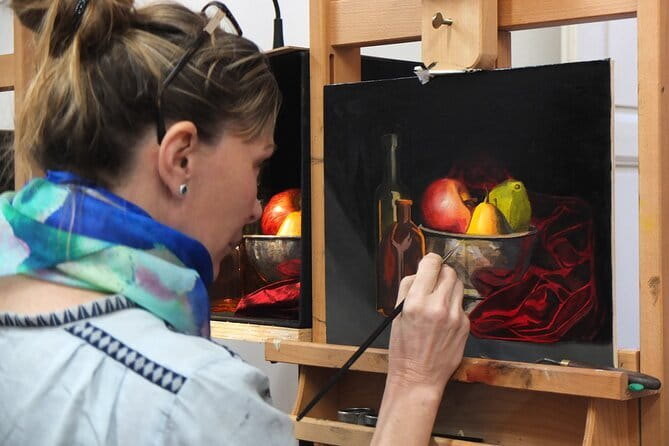
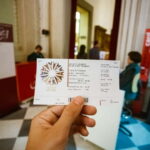
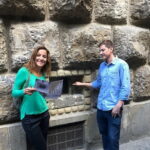
The meeting point is Borgo Santi Apostoli, 18, right in Florence’s historic center. The start time is 10:00 am, so you’re not dragging yourself out at dawn, but you will be on the clock. You’ll also use a mobile ticket, which is one less thing to lose in a city famous for stairs and distractions.
The studio is near public transportation. That matters in Florence because it’s easy to think walking is always the answer—then you hit a stretch of uphill cobblestones and your schedule gets grumpy. I’d plan to give yourself an extra 10–15 minutes to arrive, settle in, and get comfortable before painting starts.
One small travel reality: you’re working in oils. That usually means your day can get paint-scented, and your clothes can get paint-risky. Wear something you’re okay with. You’ll enjoy the experience more when you’re not mentally protecting your favorite outfit.
You can also read our reviews of more guided tours in Florence
- The Best tour in Florence: Renaissance & Medici Tales – guided by a STORYTELLER
★ 5.0 · 12,316 reviews
Five mornings of still-life painting: what your class actually covers
This is a 5-day, 3-hours-per-morning course (about 15 hours total). You’ll learn how to paint an oil still life from start to finish, with demos plus practice. The course is designed so beginners can feel confident, while more advanced students still get instruction personalized to them.
Here’s the progression you’ll follow, in the same order the workshop teaches you to paint:
- Materials and methods + color mixing lecture/demonstration
You learn what the supplies do, not just what to buy. This is where a lot of people either get stuck or get unstuck, and this class aims for the unstuck version.
- Setting up your still life using available objects/props
You don’t just copy a photo. You set up a simple arrangement in the studio, which is the whole point of still life—light, shape, and color changes right in front of you.
- Drawing with Sight Size
This is a specific method the workshop uses (not a vague sketch exercise). It’s built to help you see proportions and placement more accurately.
- Transferring the drawing to an oil primed linen panel
That transfer step matters. It bridges your drawing work and your oil painting work so you’re not starting over once paint hits the canvas.
- Tonal underpainting to establish values
You work on light and dark first. If you’ve ever struggled with muddy color, this step is a big reason oil painting can finally make sense.
- Painting in full colour
Once the values are set, you build color with less guesswork.
- Finishing details
This is where your painting starts looking like a painting instead of a study. You’ll refine edges, accents, and small transitions.
Even though it’s five mornings, you’re not stuck in “sit and listen” territory. You’re actively doing each phase, which is why the time feels productive.
Sight Size in Florence: how the Sargent-style approach makes drawing easier
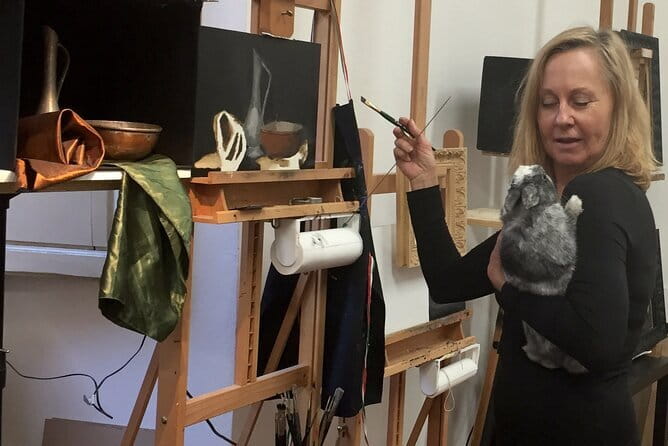
Sight Size is the drawing method in the workshop, and it’s worth paying attention to because it’s not the same as drawing from imagination. In Sight Size, you measure what you see with your body and your viewpoint rather than trying to translate what you think a cup or fruit should look like.
This is taught in a workshop setting, so you can correct quickly. You’ll draw your still life and then transfer that drawing to your oil primed linen panel. That workflow is important: the more accurate your drawing, the less you fight the paint stage.
Why this matters for you in Florence: you’re surrounded by art culture, but this workshop keeps the focus on the fundamentals you can use anywhere. If you go home and want to paint again, you won’t only remember Florence. You’ll remember a method.
Also, it helps reduce the common beginner anxiety: the worry that you can’t draw. Sight Size is basically a confidence system. It asks you to look carefully and work systematically, not to be born with an artist’s eye.
Tonal underpainting: the step that saves your colors
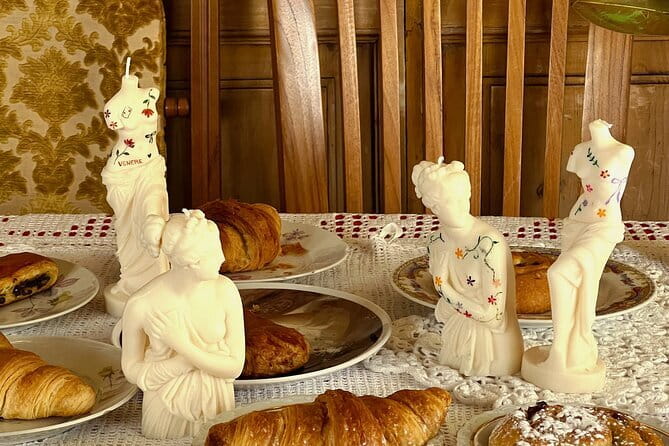
The workshop has a clear middle stage: a tonal underpainting to set values, meaning the contrast between light and dark shapes. This is one of those “sounds simple, changes everything” ideas.
Here’s what you’ll likely experience: when you jump straight into full color, your painting can look flat or off. Tonal underpainting solves that by giving you structure before color. You’re building the map, then adding the paint.
This also makes the rest of the course smoother. Once your values are organized, color mixing becomes more intentional. You’re not just hunting for the right shade. You’re placing it where it belongs in the value structure.
If you’re more advanced, you’ll still benefit because tonal work is where most people tighten their control. Even experienced painters can over-focus on color and forget the value backbone. This workshop forces that backbone early, with guidance.
Color mixing and materials: learning what tools are for

The workshop includes a lecture and demonstration specifically on materials and methods and colour mixing. That might sound like “shop talk,” but it’s actually practical. Oil painting can be unforgiving when you don’t understand the role of each component.
This class teaches you the fundamentals, plus how to make the paint behave based on your choices. That includes understanding how color changes in context, not just in isolation.
What I like about this teaching style is the balance: you’re shown how things work, then you immediately apply it to your own still life. You’re not collecting information for later. You’re using it while it matters.
And yes, it’s beginner-friendly. The course says no experience is needed. But it’s also not dumbed down. If you’ve painted before, you’ll still get personalized direction, which is a big deal in small-group teaching.
You can also read our reviews of more tours and experiences in Florence
- Cooking Class and Lunch at a Tuscan Farmhouse with Local Market Tour from Florence
★ 5.0 · 4,831 reviews





Small group coaching with Laura and Frank: what personalized help feels like
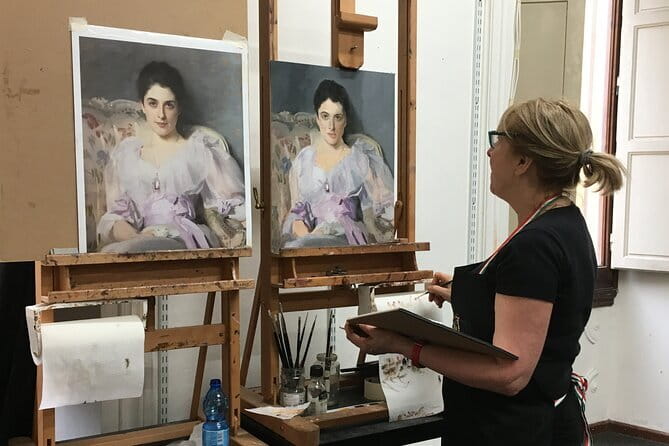
This workshop caps the group at maximum 10 travelers. That number matters more than you might think. In larger classes, you can feel invisible, especially when paint dries slowly and every adjustment takes time. In a group of 10, it’s easier to get corrections before you cement a mistake into the underpainting.
From the experience notes, Laura is a key instructor, and Frank is also part of the team. What stood out is how comfortable the studio felt and how supported the teaching was. One student even described the place as dream-like, and that reaction makes sense: when you’re learning a skill, the room matters. Light helps you see values. Calm helps you focus.
Here’s what personalized instruction can do for you:
- If you’re brand-new, you’ll get step-by-step direction and clarity when something feels confusing.
- If you’re more experienced, you can refine technique rather than sit through basics you already know.
That combination is rare. Many workshops either aim only at beginners or only at people who already paint. This one tries to meet you where you are.
Taking your painting home: packing matters more than you think
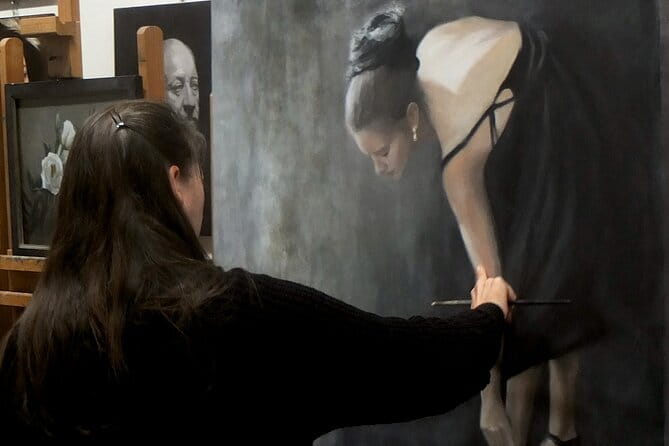
The workshop ends with you leaving with your own unique artwork. That alone is a great souvenir. But the more practical win is that they pack your painting for easy transport home with you.
In Florence, travel logistics can be tricky. Even if you’re careful, paintings are fragile and awkward to move through train stations or airports. Packing assistance reduces that stress. It also makes it more likely your painting arrives looking the way you intended.
One thing to do when you’re there: take a moment and inspect your finished piece before you leave the studio. Confirm you understand how it’s packed and what to expect on arrival. It’ll help you plan your carry and storage.
Pick your start day: how the weekday options work
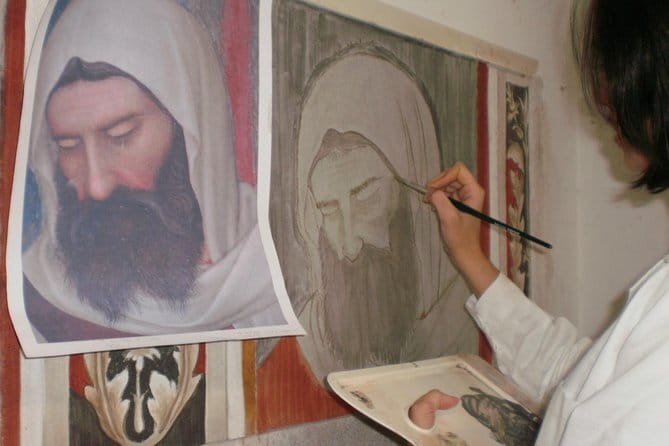
You can choose to start on any weekday. The teaching runs Mondays to Fridays. If you pick a Tuesday start, your last day would be the following Monday.
This is helpful if you’re juggling museum days, day trips, or reservations in the historic center. It also means you’re not stuck with one fixed departure time for your course.
The start time stays 10:00 am, but the calendar flexibility can make the workshop easier to fit into a Florence itinerary.
Price and value: does $789.39 make sense for this 15-hour course?
The price is $789.39 per person. It’s not a casual add-on. But you’re paying for something that’s hard to replicate with just YouTube videos: guided oil painting, structured phases, and a real small-group setting.
Here’s the value breakdown that matters:
- 15 hours of instruction over five mornings
That’s enough time to move from drawing to underpainting to full color, not just taste a technique.
- Professional-led workflow
You’re not guessing how to transfer a drawing to an oil primed linen panel or how to approach tonal underpainting. You’re taught.
- Maximum group size of 10
Small numbers turn “help” into actual correction. That’s where results improve.
- You take home a finished painting
And it gets packed for transport.
- Personalization for different experience levels
Beginners won’t get left behind, and more advanced painters aren’t stuck watching basics.
Also, the workshop is booked in advance by many people. On average, it’s booked 42 days in advance. That doesn’t mean you should panic, but it does mean you’ll want to lock your date sooner rather than later if you’re traveling during a popular window.
If you’re the type who likes skills you can keep using after the trip, this cost can feel more reasonable than a one-day experience. You’re investing in a method, not only a memory.
Who should book 5 Mornings Still Life Painting in Florence?
This is a great fit if you want a guided art experience that stays practical. The course is explicitly no experience necessary, and it’s also suitable for seasoned painters because the instruction is personalized.
You’ll likely enjoy it if:
- You want to learn oil painting fundamentals with a clear structure
- You like hands-on lessons more than lectures
- You want a take-home piece that reflects your effort
- You’d rather work in a small group than a big class
You might reconsider if:
- You don’t want your mornings tied up for five consecutive days
- You prefer a more open-ended art experience where you choose every aspect without a guided sequence
- You’re looking for a quick souvenir. This is skill-building time.
Either way, it’s not just for artists. Still life painting is actually a calm way to look closely, and Florence is a pretty good place to practice that kind of focus.
Should you book this still life workshop in Florence?
I’d book it if you want a serious but friendly learning path. The combination of Sight Size drawing, tonal underpainting, and full-color painting gives you a complete framework. Add a small group of 10, plus instruction from Laura and Frank, and you’re not stuck figuring things out alone.
It’s also a strong choice if you value leaving with something you made—especially because the painting gets packed for travel. That turns the course from a fun morning into a long-lasting keepsake.
On the decision side, the main “think first” item is your schedule. Five mornings is real time. If your trip plan is already packed, you’ll need to protect those mornings.
If you can fit it in, this is the kind of workshop that makes Florence feel personal in a way photos can’t.
FAQ
How long is the 5 Mornings Still Life Painting Guided Workshop?
It runs for 5 days and includes 15 hours total, with about 3 hours per morning.
What time does the workshop start?
The workshop start time is 10:00 am.
Where is the meeting point in Florence?
The meeting point is Borgo Santi Apostoli, 18, 50123 Firenze FI, Italy.
How many people are in the group?
The workshop has a maximum group size of 10 travelers.
Do I need any prior painting experience?
No. The workshop says no experience is necessary, and it is suitable for both beginners and more advanced students.
What will I learn during the course?
You’ll learn materials and methods, colour mixing, how to set up a still life, draw it using Sight Size, transfer the drawing to an oil primed linen panel, paint a tonal underpainting, paint in full colour, and finish details.
Can I choose which weekday to start?
Yes. You can start on any weekday, and teaching runs Monday to Friday. If you start on a Tuesday, the course ends on the following Monday.
How does it work if I need to cancel?
There is free cancellation. You can cancel up to 24 hours in advance for a full refund.
You Might Also Enjoy
More Workshops & Classes in Florence
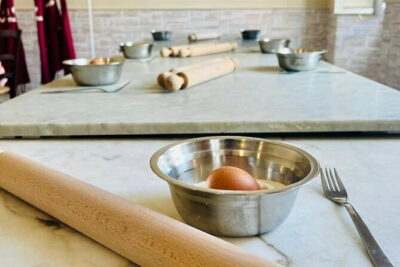
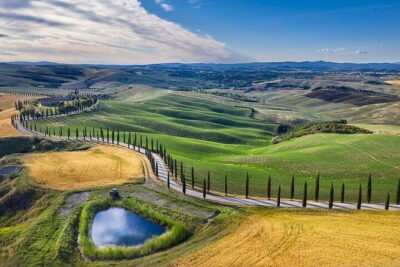
- Cooking Class and Lunch at a Tuscan Farmhouse with Local Market Tour from Florence
★ 5.0 · 4,831 reviews


More Guided Tours in Florence
- The Best tour in Florence: Renaissance & Medici Tales – guided by a STORYTELLER
★ 5.0 · 12,316 reviews
More Tour Reviews in Florence
- Tuscany Day Trip from Florence: Siena, San Gimignano, Pisa and Lunch at a Winery
★ 5.0 · 21,634 reviews - The Best tour in Florence: Renaissance & Medici Tales – guided by a STORYTELLER
★ 5.0 · 12,316 reviews