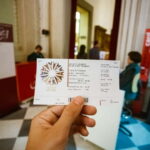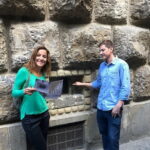
REVIEW · FLORENCE
3-Hour Historic WhoDunIt Tour in Florence
Book on GetYourGuide →Operated by ACCORD Italy Smart Tours · Bookable on GetYourGuide
Florence is great for mysteries—stone, statues, and motives everywhere. This 3-hour Historic WhoDunIt walk turns that into a game, with you following clue prompts through Renaissance-era Florence. I really liked the hands-on clue solving style (you’re reading and observing, not just listening), and I enjoyed the way it sends you to both big-name sights and less-visited corners. One caution: at $27, it only feels like a smart value if you’re comfortable doing a lot of walking and answering questions on your own.
This is a self-guided experience, not a classic guided tour, so you won’t be paired with an on-the-street detective. The upside is freedom—you can slow down where the clues are interesting. The tradeoff is that you’re relying on the game booklet, which means you should come with patience for a walking-first format.
You start at 2nd floor – Piazza Madonna degli Aldobrandini 8, join a small group limited to 10, and then you work through the murder case at your own pace for about 3 hours. Just know the route can feel longer in practice if you read carefully, stop often, or enjoy lingering over the details.
In This Review
- Key points to know before you go
- How the WhoDunIt game works in Florence
- Meeting at Piazza Madonna degli Aldobrandini 8: start smart
- The 3-hour route: clues through Florence’s squares and monuments
- What makes the stops feel worth it
- A practical drawback: the pace can stretch
- What you’ll actually be doing at each clue stop
- The Loggia dei Lanzi moment
- The value question: is $27 a good deal?
- This is good value if you…
- It may disappoint if you…
- Walking in Florence: what the tour teaches your feet
- Group size and teamwork: why it’s capped at 10
- Accessibility: can you do it comfortably?
- Winner’s gift: the small incentive that changes your mindset
- Tips to solve faster (without rushing)
- Should you book this WhoDunIt tour?
Key points to know before you go

- Self-guided mystery format: you follow booklet clues and suspect list without a live guide
- Renaissance murder storyline: an actual historical murder case drives the questions
- Clues across well-known and quieter spots: you’re encouraged to look closely at what you see
- Small group (up to 10): easier to coordinate than big-group tours
- Winner gets a gift: a simple incentive that adds energy
- Walking is the main activity: expect city-strolling more than museum time
How the WhoDunIt game works in Florence
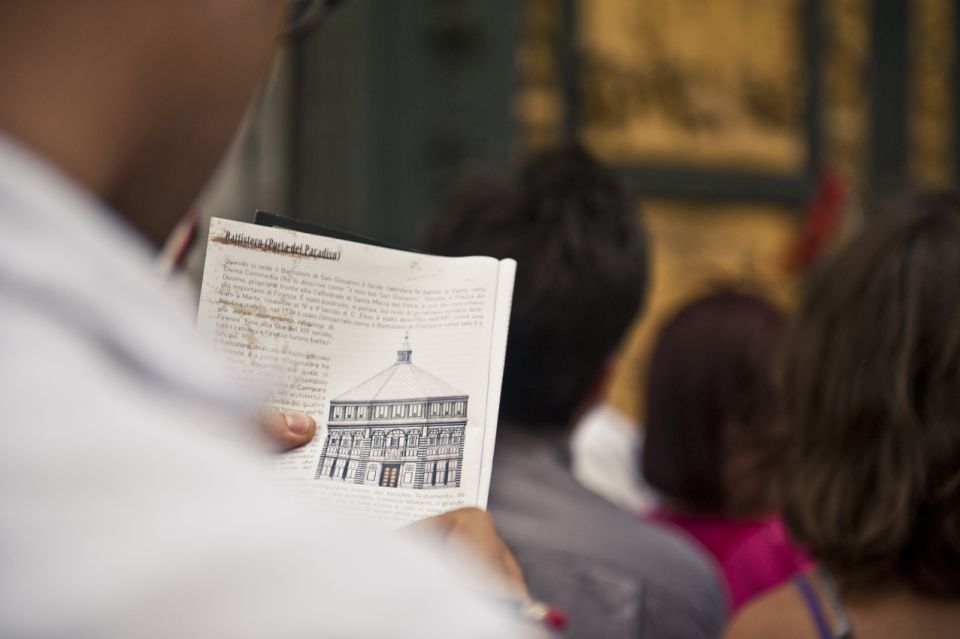
The heart of this experience is the game booklet. You get a booklet and then you solve the crime by working through clue-based questions you can answer by observing what’s in front of you. It’s set up as a Renaissance murder you’re meant to treat like a real case: identify the right suspect from the list, based on what the clues tell you.
A few details matter because they affect how you’ll enjoy it:
- You’re the investigator. There’s no included guide to explain each stop or walk you through the logic. If you like figuring things out yourself, this fits perfectly. If you want a storyteller guiding your attention minute by minute, you might feel under-served.
- Take the clue seriously at each site. The prompts aren’t just trivia. They’re built to push you to notice specific features—often in the art and architecture you’d otherwise skim past.
- Magnifying glass and deerstalker hat are optional. You’re free to play along, but the real requirement is staying alert and looking carefully.
The experience also includes a gift for the winner. That’s a small thing, but it changes the vibe from casual wandering into teamwork and competition—especially if you’re solving in pairs or as a small group.
You can also read our reviews of more historical tours in Florence



Meeting at Piazza Madonna degli Aldobrandini 8: start smart
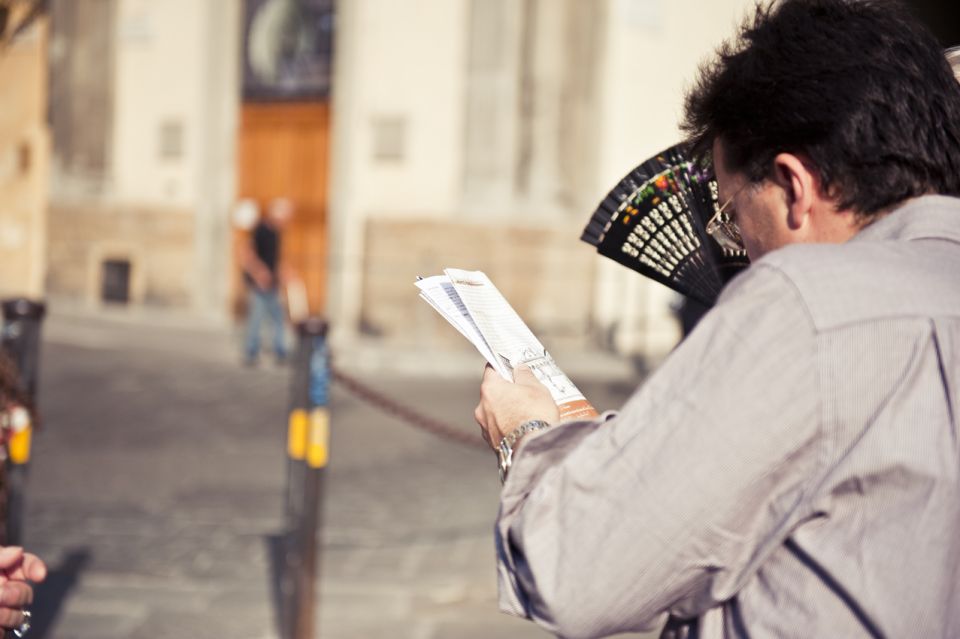
Your meeting point is on the 2nd floor of Piazza Madonna degli Aldobrandini 8. That matters because meeting points on stairs and upper levels can be easy to miss in Florence’s tight streets.
I recommend you:
- Arrive a few minutes early so you can get oriented before the game begins.
- Confirm you’re at the 2nd floor, not just the street-level address.
- Bring whatever you’ll need to write answers in the booklet, because the experience is booklet-driven.
Once you’re checked in and have your booklet, you’re ready to move. The whole model assumes you’ll keep going—stopping to troubleshoot the instructions will eat into your time.
The 3-hour route: clues through Florence’s squares and monuments
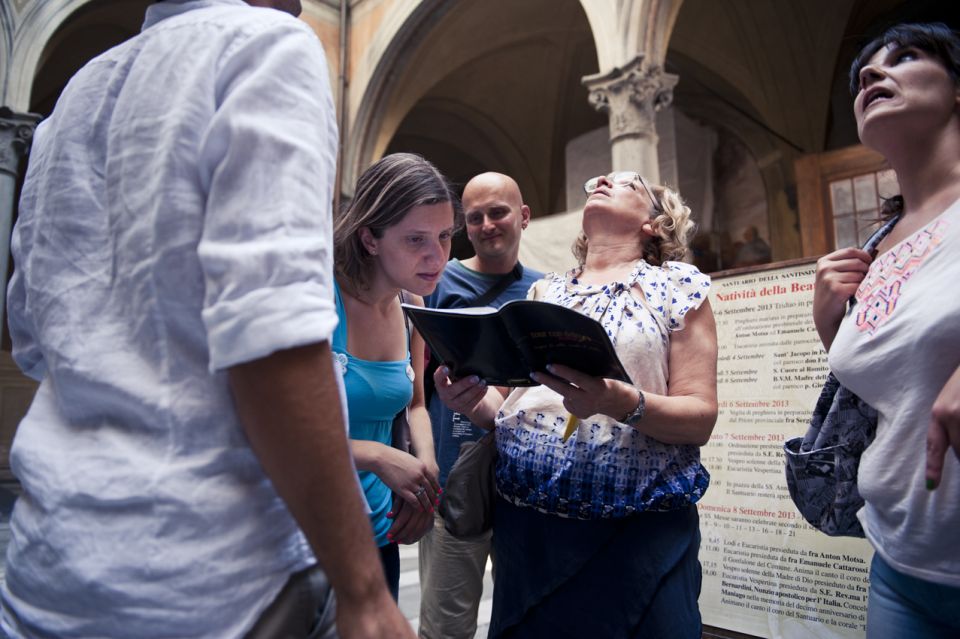
This is where the experience lives: you move through Florence with the city acting like your evidence board. You’ll visit some of Florence’s best-known sights and some lesser-known stops too. The clue prompts are spread out, so you can’t just do one big photo moment and call it a day.
One very useful example: you may encounter a clue connected to Loggia dei Lanzi, including a question that involves counting female statues there. That’s the type of task this tour uses—observe a specific detail on-site, answer, and carry that result forward.
What makes the stops feel worth it
Even when the sights are familiar, the game pushes you to look at them in a different way:
- You notice sculptures and decorative details instead of only the main façade.
- You pay attention to placement and design choices, because those are often what the clue questions are based on.
- You learn how much information is visible just by slowing down for a few minutes.
A practical drawback: the pace can stretch
This is advertised as 3 hours, and for many people that will be close. But if you’re methodical—reading, comparing, and taking your time—you may find it runs longer. The walking back-and-forth feeling is something you can reduce by staying focused: if a clue is taking too long, move on, and come back later if your booklet allows it.
You can also read our reviews of more tours and experiences in Florence






What you’ll actually be doing at each clue stop
Most clue-based tours fail when the questions feel detached from what you can see. This one is designed around the idea that you can find what you need while you’re looking at the landmarks in your path.
In practical terms, you’ll be:
- Scanning scenes on façades, sculpture groupings, and public monuments for the detail the booklet asks about.
- Answering short questions that connect what you observed to the murder case outcome.
- Narrowing suspects based on clue logic from your answers.
A big plus for planning: many of the clues are answerable without needing attraction entry tickets. That means you can stay in the outdoor city atmosphere and keep the mystery moving without detours.
The Loggia dei Lanzi moment
That Loggia prompt I mentioned is a perfect example of why this format can work. Counting figures forces you to zoom in on the group rather than snapping a quick wide shot and moving on. It’s also the sort of task that’s easy for groups to share: one person counts while another verifies.
The value question: is $27 a good deal?
Let’s talk money. At $27 per person for a 3-hour self-guided experience, you’re paying for:
- The game booklet
- A gift for the winner
- A ready-made route and murder storyline framework
You’re not paying for a live guide, and you’re not paying for timed entry to attractions. So the real value depends on your travel style.
This is good value if you…
- Like self-guided activities where you actively look for details.
- Enjoy puzzles and answering questions while walking.
- Want a break from constant museum queues and prefer streets-and-squares time.
- Are traveling with kids or teens who do better when there’s a game goal.
It may disappoint if you…
- Expect a guide-led story with explanations at every stop.
- Want a pure murder-mystery experience with constant narrative guidance.
- Dislike walking-heavy formats.
One more note: because it’s booklet-focused, you’ll want to come prepared to write. If you’re the kind of traveler who never brings a pen, fix that before you start.
Walking in Florence: what the tour teaches your feet
This isn’t a sit-and-stroll with frequent breaks. It’s more like a city walk with frequent “pause and look” moments. That’s not a flaw—it’s the mechanism that makes the clues work.
So wear:
- Comfortable walking shoes you trust for long stretches.
- Layers, because Florence weather can swing.
If you’re sensitive to pace, plan your energy. The easiest way to get through is to maintain a steady rhythm: answer the clue, take a quick look around that site from different angles, then move on. If you fall into the habit of treating each stop like a mini museum visit, the time expands.
Group size and teamwork: why it’s capped at 10
The group is small, limited to 10 participants. That size matters because it keeps the experience manageable. In a small group, you can naturally compare answers and debate suspects without the chaos of larger tours.
In my view, this format works especially well when you:
- Solve as pairs, each person taking a different clue step.
- Share photos of the relevant detail if you’re verifying something tricky (like counting statues).
- Split roles: one reads the clue, one observes, and one writes.
Even though it’s self-guided, small-group limits help keep the atmosphere lively instead of feeling like 10 independent people awkwardly doing the same booklet.
Accessibility: can you do it comfortably?
This tour is listed as wheelchair accessible. Because the clues are tied to outdoor sites and walking routes, the practical experience will still depend on street conditions, where you’re able to stop, and how easily you can move along the route.
If you’re using a wheelchair or mobility aid, plan on:
- Taking your time with clue stops.
- Moving at a pace that works for you, since the “answer by observing” model benefits from slow, careful viewing.
Winner’s gift: the small incentive that changes your mindset
A gift for the winner might sound trivial, but it’s a clever motivator in a puzzle tour. It makes you do the last step: confirm your suspect choice instead of leaving the mystery half-finished.
If you care about the outcome, here’s how to maximize your odds:
- Don’t ignore a clue just because it feels small. Those “minor” answers often anchor the correct suspect logic.
- Recheck any clue you were unsure about. A single wrong observation can throw off the conclusion.
- Work consistently through the booklet. Skipping ahead can lead to a mismatch between your answers and what the final clue expects.
Tips to solve faster (without rushing)
These are simple, practical choices that keep the experience fun rather than stressful:
- Bring a pen even if you think the booklet will supply writing. Clue missions grind to a halt when you have nothing to mark answers.
- When you reach a clue site, take 60 seconds to look from at least two angles. Many details are easier to spot from a slightly different viewpoint.
- If you’re counting figures (like at the Loggia dei Lanzi), count once, then count again for verification.
- Don’t worry if you miss one clue early. If the booklet allows, circle back. If it doesn’t, still keep moving. A steady pace usually beats perfection.
Most importantly, treat it as an excuse to look closer. Florence is full of details that are easy to overlook when you’re just moving from highlight to highlight.
Should you book this WhoDunIt tour?
Book it if you want a playful way to see Florence beyond photo stops, and you enjoy solving clue questions on the street. The small group size, the Renaissance murder theme, and the fact that you can often find answers without attraction tickets make it a solid option for curious travelers who like interactive time outdoors.
Skip it (or choose something else) if you want a classic guided tour with explanations, or if you strongly dislike walking and self-guided work. At $27, the experience has to click with your style—because you’re doing the detective part yourself.
If your idea of fun is turning Florence into an evidence board, this one can be a memorable 3 hours with a satisfying finish.
You Might Also Enjoy



More Historical Tours in Florence



More Tours in Florence
- The Best tour in Florence: Renaissance & Medici Tales – guided by a STORYTELLER
★ 5.0 · 12,316 reviews





More Tour Reviews in Florence
- Tuscany Day Trip from Florence: Siena, San Gimignano, Pisa and Lunch at a Winery
★ 5.0 · 21,634 reviews - The Best tour in Florence: Renaissance & Medici Tales – guided by a STORYTELLER
★ 5.0 · 12,316 reviews