REVIEW · FLORENCE
Wine Tasting Experience with Seven Types of Tuscan Wine
Book on GetYourGuide →Operated by Vino Tasting · Bookable on GetYourGuide
Seven pours in ninety minutes—then it clicks. This Florence tasting is a fast, friendly way to learn what makes Tuscany tick, with seven wines and local bites matched to each pour. It’s run in an air-conditioned tasting room near the center, so you skip the long drive and still get a real wine lesson.
I particularly liked the Vernaccia-to-Brunello lineup and how the menu moves from lighter to deeper styles. I also loved the pairing setup, including Italian olives plus bruschetta and cured meats like salami and prosciutto (and yes, there’s olive oil in the mix). One consideration: this is a sit-down tasting, not a vineyard tour—so if you’re chasing big countryside views, you’ll need to manage expectations.
In This Review
- Key details that matter before you go
- A 90-Minute Tuscan Wine Crash Course in Florence
- Meeting at Vino Tasting Global Srl and Getting Comfortable
- The Wine Lineup: Vernaccia to Miraia, in a smart order
- Vernaccia: crisp and mineral to reset your palate
- Bolgheri Rosso: bold and opulent
- Chianti Classico: the cherry-and-earth baseline
- Nobile di Montepulciano: smooth tannins and dark fruit
- Chianti Classico Riserva: aged nuance
- Brunello di Montalcino: powerful structure, complex flavors
- Miraia: elegant and age-worthy to close
- Pairing bites the Tuscan way: olives, bruschetta, cured meats
- The olive oil note is worth paying attention to
- If you’re picky, you’re not stuck
- Non-alcohol options for kids
- The guide, the pace, and how personal it feels
- Pace matters for value
- Price and value: what $65 buys you (and what it doesn’t)
- Who should book this tasting (and who should skip)
- Practical tips to get more from the glass
- Should you book this Florence wine tasting?
- FAQ
- Where is the meeting point?
- How long is the wine tasting?
- How many wines are included?
- What languages are offered?
- Are gluten-free or vegetarian options available?
- Is hotel pickup and drop-off included?
- What is the minimum drinking age for alcoholic beverages?
Key details that matter before you go
- Vernaccia starts it crisp, then the reds build step by step.
- Brunello di Montalcino anchors the experience with serious structure and complexity.
- Food pairing isn’t an afterthought, with bruschetta, olives, and cured meats.
- The guide adjusts to you when preferences come up, instead of forcing you through.
- You get a guided tasting class with explanations in English or Italian.
- It’s 90 minutes, which is great for a Florence day but not for a full Tuscany daydream.
A 90-Minute Tuscan Wine Crash Course in Florence
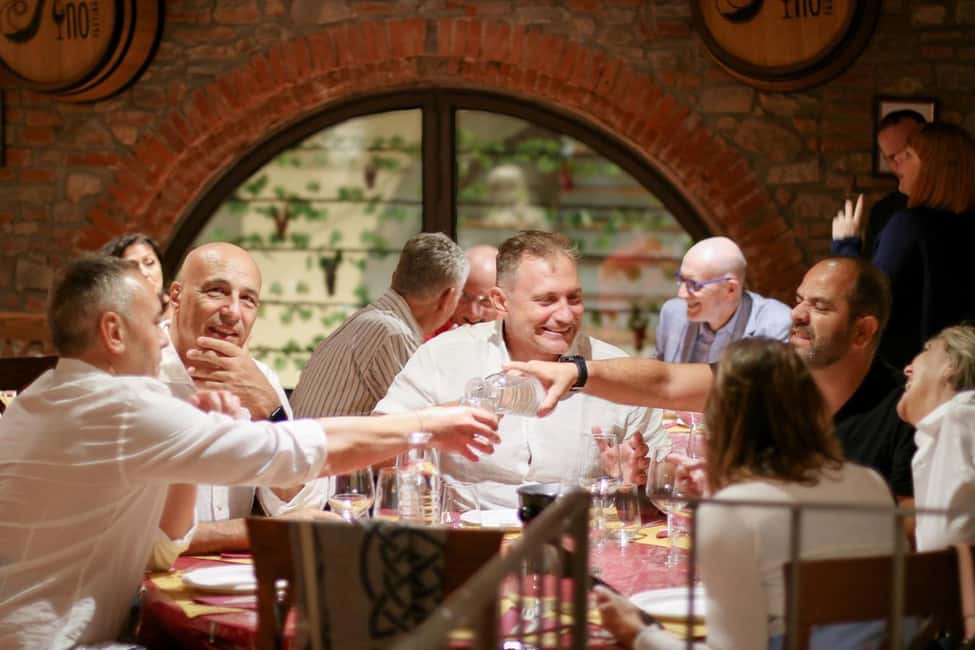
This is the kind of tasting that makes Tuscany feel less intimidating. You’re not handed a random flight of wines; you’re taught a pattern—how regions and styles create flavor, and how to read what’s in your glass. With seven pours in about 1.5 hours, you’ll have enough variety to form real opinions without getting worn out.
The price is $65 per person. That sounds steep until you translate it into what you’re actually getting: seven distinct Tuscan wines plus paired bites, led by an official certified guide. For Florence, where even a simple tasting can add up quickly, this is a straightforward way to spend money on flavor rather than just time.
You can also read our reviews of more food & drink experiences in Florence
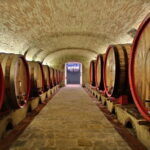
Meeting at Vino Tasting Global Srl and Getting Comfortable
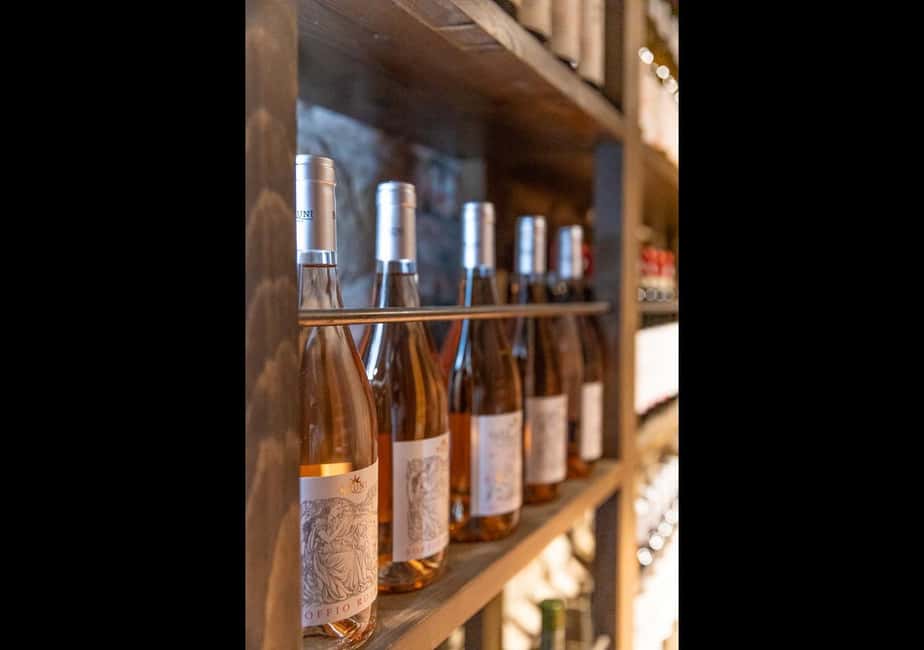
You meet at Vino Tasting Global Srl at Via del Gomitolo dell’Oro, 11r, 50123 Firenze FI. There’s no hotel pickup included, so plan to arrive on your own and factor in a short walk depending on where you’re staying.
Once you’re inside, it’s built for staying put: wheelchair accessible, air conditioned, and with WiFi available. That matters more than you’d think when you’re drinking—heat and long waits can make wine feel harsher and the whole event less enjoyable.
The Wine Lineup: Vernaccia to Miraia, in a smart order
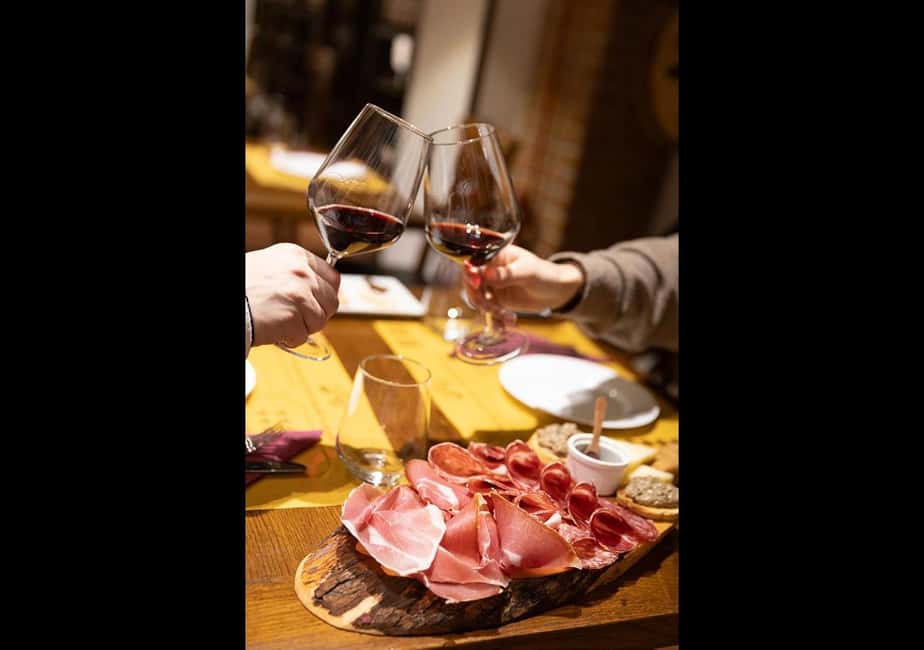
The best part of this tasting is the order. It starts with a crisp white—then moves through progressively deeper reds—so your palate has training wheels. By the time you reach the heavier bottles, you’re already warmed up and paying attention to the right things: acidity, tannins, fruit, and how the finish hangs around.
Vernaccia: crisp and mineral to reset your palate
The first pour is Vernaccia, described as crisp and mineral. Starting with a white like this does two jobs: it wakes up your taste buds, and it helps you notice acidity before the reds start adding weight. If you normally think you only like dry wine, this opening is a nice reality check.
Bolgheri Rosso: bold and opulent
Next comes Bolgheri Rosso, a shift toward bold and opulent flavors. This is where you start feeling the difference between crisp brightness and the richer, more plush side of Tuscan reds. It’s also a good checkpoint: if a fuller red style excites you, you’re in the right place.
You can also read our reviews of more wine tours in Florence
- Tuscany Day Trip from Florence: Siena, San Gimignano, Pisa and Lunch at a Winery
★ 5.0 · 21,634 reviews

Chianti Classico: the cherry-and-earth baseline
After that, you get the Chianti Classico base, known for cherry and earth notes. This isn’t just a crowd-pleaser—it’s an anchor. Once you taste the base style, the later riserva (aged version) makes much more sense, because you can compare how aging changes flavor and texture.
Nobile di Montepulciano: smooth tannins and dark fruit
Then you move to Nobile di Montepulciano, with smooth tannins and dark fruit. This is a nice mid-course stop because it bridges the gap between bright red fruit and deeper, more structured flavors. If you’ve ever found high-tannin wines a bit aggressive, this step can feel more comfortable and drinkable.
Chianti Classico Riserva: aged nuance
Now comes Chianti Classico Riserva, the aged, more nuanced expression. The lesson here is simple: aging doesn’t just change “taste,” it changes the whole rhythm—how the fruit shows up, how the tannins feel, and how long flavors linger. This is often where people start talking about what they actually like, not just what they’re tasting.
Brunello di Montalcino: powerful structure, complex flavors
The centerpiece is Brunello di Montalcino. It’s described as majestic, with powerful structure and complex flavors—and you can expect it to feel weightier than the earlier reds. If you’re hunting a classic Tuscan “wow” moment, this is the likely candidate, and it’s a smart choice to place it before the final bottle so it lands with impact.
Miraia: elegant and age-worthy to close
The tasting ends with Miraia, described as elegant and age-worthy. Closing with something that leans refined is a good palate-management move. It also gives you a chance to reflect: did you enjoy the big structure, or were you ready for something smoother and more poised?
Pairing bites the Tuscan way: olives, bruschetta, cured meats
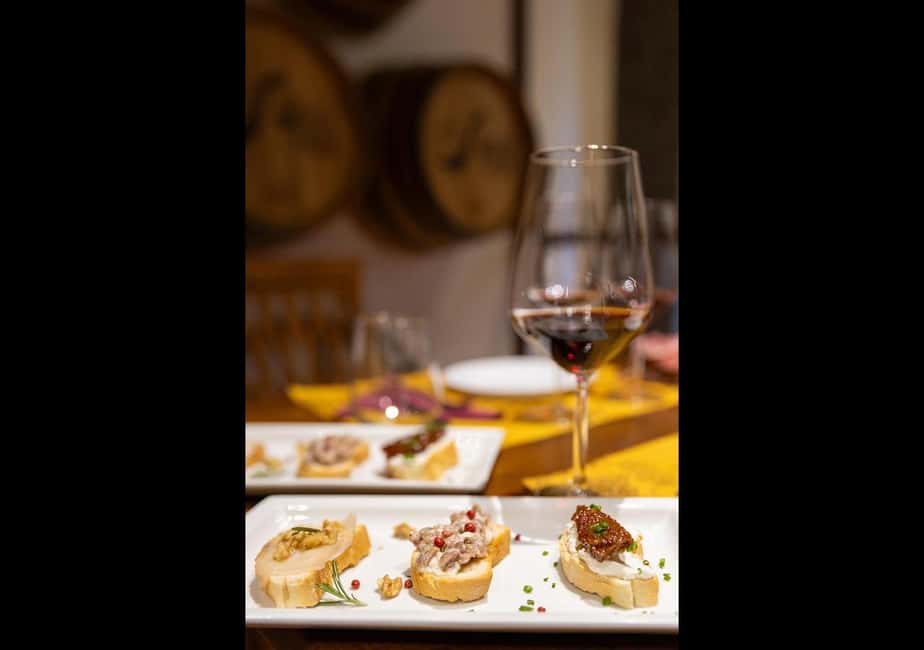
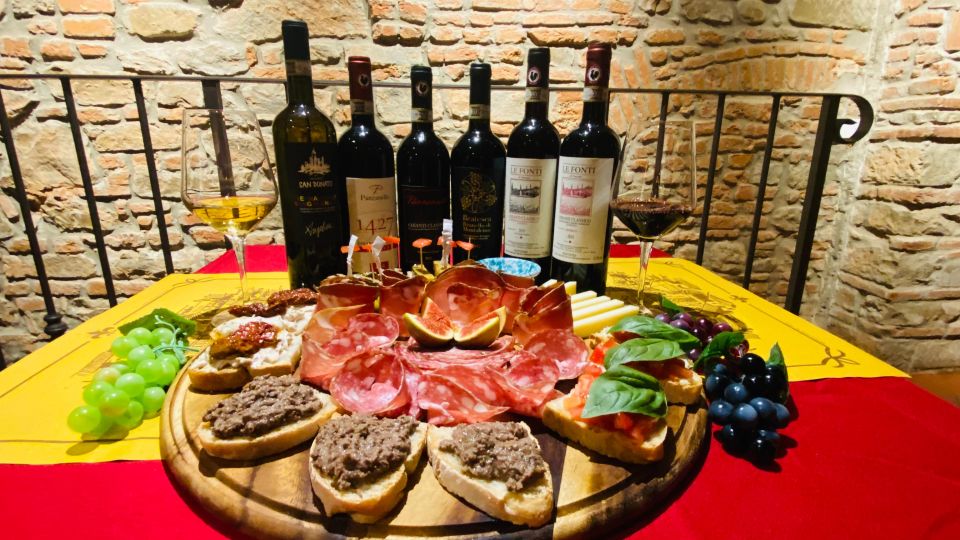
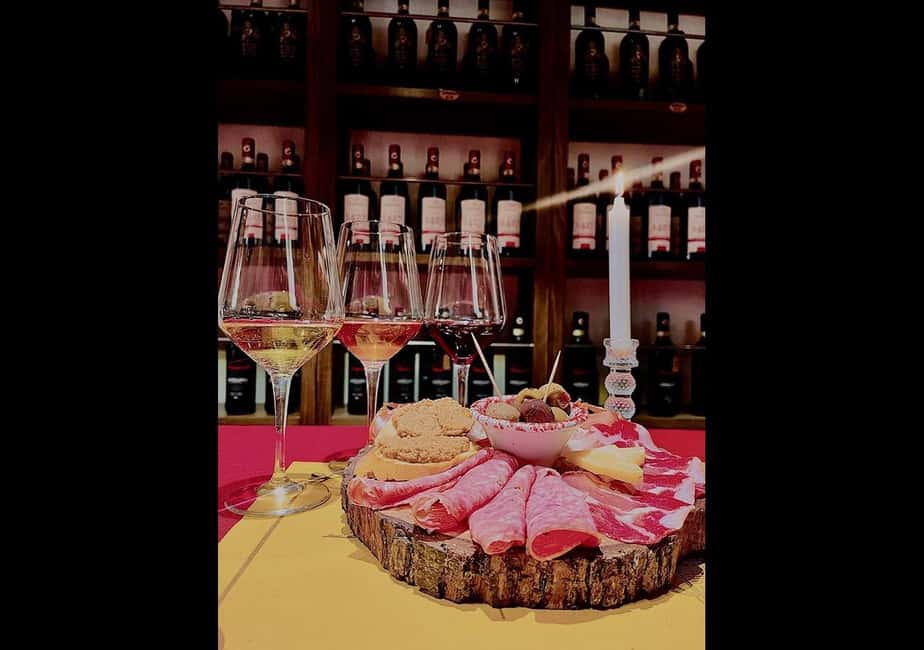
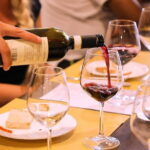
Wine is only half the show here. The other half is food pairing, and it’s not handled like a token snack. You’re served a platter that includes Italian olives, bruschetta, salami, and prosciutto, with additional pairing items like cheeses appearing in the tasting experience as well.
Here’s why that matters: Tuscan wines often show clearer character when they meet salty, fatty, and acidic foods. Olives and cured meats help bring out fruit and smooth tannins, while bruschetta’s brightness can keep the tasting from feeling heavy. In short, the bites are working as tools, not just filler.
The olive oil note is worth paying attention to
One theme that shows up is the olive oil. When olive oil is part of the setup, it’s an extra tasting reference point. It helps you understand how fat interacts with wine flavors, and it’s a very practical Tuscany skill—because you’ll likely be eating with olive oil throughout your trip.
If you’re picky, you’re not stuck
A solid advantage of this format is the flexibility. If you don’t like a specific wine, the guide can provide an alternative or a similar option. That’s a big deal for people who feel unsure about their preferences, or who want to learn without getting trapped in a pour they hate.
Non-alcohol options for kids
If you’re traveling with children, the included options for them are Coca Cola, Fanta, or Sprite. That keeps the tasting experience from becoming awkward when families are involved, since everyone has something in hand.
The guide, the pace, and how personal it feels
You’ll have an official certified guide, speaking English or Italian. The tone is relaxed and you’re not rushed—one of the best ways to learn wine is to slow down enough to ask questions and compare notes in your own head.
Several people highlighted the depth of wine explanation and the guide’s ability to tailor the tasting to what they already like. Names that came up in past sessions include Vince/Vinci and Jessica, both associated with strong wine teaching and an easygoing manner. You can walk in curious, and you’ll leave with clearer vocabulary for what you tasted: acidity vs. fruit vs. tannin vs. aging effects.
Pace matters for value
This is only 1.5 hours. That’s fast, yes, but it’s also efficient. You’re paying for the time to understand what’s in the glass, not for a long waiting game. And because you’re not forced to finish every pour, you can taste thoughtfully instead of just drinking to get it over with.
Price and value: what $65 buys you (and what it doesn’t)
Let’s talk about value like an adult. $65 gets you:
- Seven types of Tuscan wine
- A guided wine tasting and wine pairing class
- A platter of Tuscan appetizers (olives, bruschetta, salami, prosciutto, plus pairing items like cheeses)
- Alcoholic beverages included
- Official certified guide
What it doesn’t include: anything beyond the tasting itself, and there’s no hotel pickup or drop-off. You’ll need to get yourself to the meeting point.
So is it worth it? If you want a short, concentrated Tuscany intro in Florence, yes. If you’re looking for a full-day countryside outing with long transportation and vineyard stops, this won’t replace that. It’s a classroom-style tasting, designed for learning fast and enjoying more than you expected in a short window.
Who should book this tasting (and who should skip)
This tour fits best if you’re:
- New to Italian wine and want an organized introduction
- Short on time in Florence but still want serious variety
- The type who likes learning the “why” behind flavors
- Traveling with friends and want a relaxed, social activity
It may not be a great fit if you:
- Want actual vineyard touring or scenic countryside stops (this is a sit-down experience)
- Are pregnant, since it’s not recommended for pregnant travelers
- Have very specific dietary needs beyond what’s available on request (gluten free or vegetarian options can be requested, but it’s still smart to inform the provider ahead of time)
Also, alcohol access has a minimum drinking age of 17+ for alcoholic beverages. Bring a passport or ID card, since a valid identification document is required.
Practical tips to get more from the glass
A tasting like this goes smoother when you plan for your own comfort.
First, eat lightly beforehand. You’ll have snacks paired with wine, but starting ravenous (or starting completely empty) can distort how you perceive acidity, bitterness, and tannins.
Second, pay attention to the “transition” wines. The movement from one style to another is where the lesson lives. For example, noticing how Brunello feels compared to earlier reds helps you learn what “structure” means in real life, not just as a wine label.
Finally, if you have preferences—dry vs. fruity, high vs. low tannin—tell the guide early. The experience is set up to be responsive to preferences, and that can turn a good tasting into a great one.
Should you book this Florence wine tasting?
Book it if you want a smart Florence-based wine class that covers the key Tuscany styles in just 90 minutes. The lineup is well paced, the pairing includes actual Italian staples like olives and bruschetta, and the $65 price makes sense because you’re getting seven wines plus instruction rather than paying for a quick pour-and-go.
Skip it if your main goal is vineyards, views, and long countryside travel. This is about tasting and learning in a comfortable enoteca setting, not about driving the back roads.
If you’re deciding today, my take is simple: if Tuscany is on your mind and you have limited time in Florence, this is one of the most efficient ways to understand the region—one glass at a time.
FAQ
Where is the meeting point?
You meet at Vino Tasting Global Srl, Via del Gomitolo dell’Oro, 11r, 50123 Firenze FI, Italy.
How long is the wine tasting?
The experience lasts about 1.5 hours (90 minutes).
How many wines are included?
You’ll taste seven types of Tuscan wine, along with paired local appetizers.
What languages are offered?
The tour guide provides live commentary in English and Italian.
Are gluten-free or vegetarian options available?
Yes. Gluten free or vegetarian menus are available on request.
Is hotel pickup and drop-off included?
No, hotel pickup and drop-off are not included.
What is the minimum drinking age for alcoholic beverages?
The minimum drinking age is 17 years and above for alcoholic beverages. Children’s drinks (Coca Cola, Fanta, or Sprite) are included.
You Might Also Enjoy

More Wine Tours in Florence
- Tuscany Day Trip from Florence: Siena, San Gimignano, Pisa and Lunch at a Winery
★ 5.0 · 21,634 reviews
More Food & Drink Experiences in Florence
- San Gimignano, Siena, Monteriggioni, Chianti Day Trip with Lunch & Wine Tasting
★ 4.5 · 4,432 reviews
More Tour Reviews in Florence
- Tuscany Day Trip from Florence: Siena, San Gimignano, Pisa and Lunch at a Winery
★ 5.0 · 21,634 reviews - The Best tour in Florence: Renaissance & Medici Tales – guided by a STORYTELLER
★ 5.0 · 12,316 reviews