REVIEW · FLORENCE
The places of the Medici family: the Palace and the Chapels
Book on GetYourGuide →Operated by Florence Tours by Made of Tuscany · Bookable on GetYourGuide
Medici power is carved into Florence’s walls. I love how this tour connects the Palazzo Medici Riccardi to the way the Medici ran Florence in real life, not just as a name in a textbook. I also love the jump from politics to pure art, especially the Chapel of the Magi, which has that instant wow factor.
One possible drawback: language comfort can make or break the experience. The tour offers many languages, but I’d plan on the fact that a heavy accent can sometimes make details harder to follow.
In This Review
- Key highlights you’ll feel right away
- Start at Riccardi Medici Palace: the Medici story begins with control
- Palazzo Medici Riccardi rooms: political power dressed as noble life
- The Chapel of the Magi: why this stop hits like a plot twist
- Piazza San Lorenzo: a quick pause that helps your bearings
- Medici Chapels: from family prestige to a sculpted legacy
- What the New Sacristy and mosaic communicate to you
- Your guide matters: languages, pacing, and the human touch
- Timing and movement: a tight 3-hour circuit with big payoffs
- Price and value: what you’re paying for beyond tickets
- Who this tour suits best
- Should you book the Medici Palace and Chapels tour?
- FAQ
- Where does the tour start and end?
- How long is the tour?
- Does the tour include skip-the-line access?
- What languages are available?
- What do I need to bring for entry?
- Is the tour wheelchair accessible and are group sizes private?
Key highlights you’ll feel right away
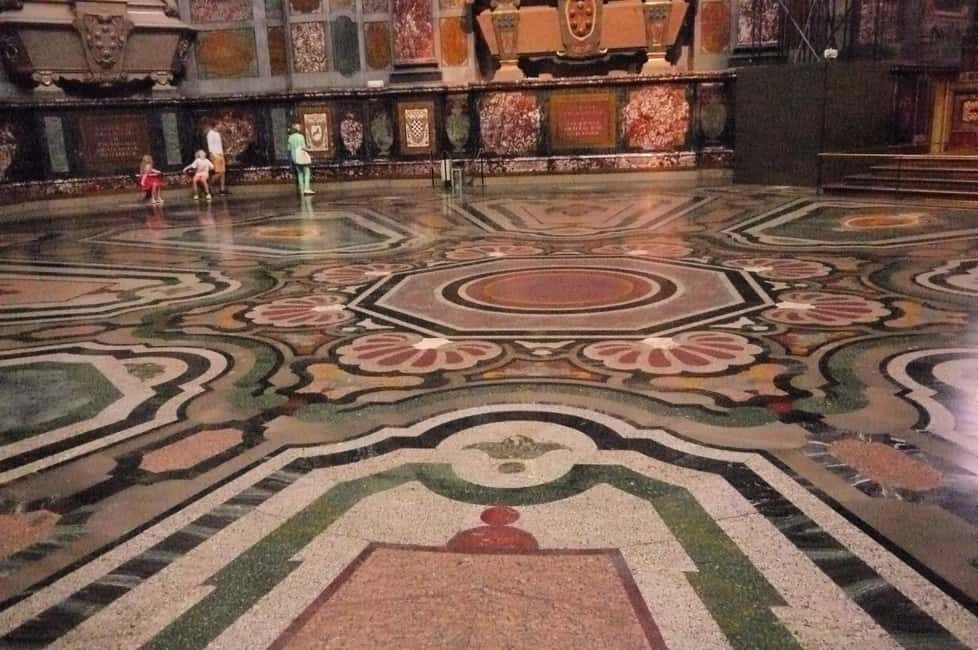
- The Palazzo Medici Riccardi rooms help you picture power, wealth, and daily influence in Renaissance Florence
- The Chapel of the Magi delivers a quick visual shock in a small space
- Piazza San Lorenzo gets you a quick orientation moment and a solid photo stop
- The Medici Chapels take you from family story to major Renaissance sculpture and design
- Michelangelo’s New Sacristy adds the weight of a giant name, not just a “pretty chapel” stop
- The Princes Chapel and Crypt show how status, faith, and memory were built into stone and decoration
Start at Riccardi Medici Palace: the Medici story begins with control
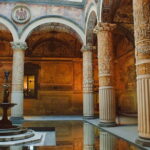
The tour starts at the Riccardi Medici Palace, and that choice matters. This isn’t just a stroll past monuments. You’re stepping into a place built for people who held influence, negotiated power, and sponsored the artists who shaped what Florence became.
Your guide sets the tone with the big picture: the Medici family governed Florence for almost three hundred years. They weren’t only rulers in the political sense. They were bankers and patrons, and they helped make the Renaissance happen by paying for art, learning, and big cultural projects.
If you like history that has texture, you’ll probably appreciate how the story stays grounded in real spaces. The palace’s enormous rooms are designed for presence—gatherings, display, authority. Even if you only catch a few details, the architecture supports the argument fast: this family wasn’t borrowing fame. They were manufacturing it.
You can also read our reviews of more tours and experiences in Florence.
- Tuscany Day Trip from Florence: Siena, San Gimignano, Pisa and Lunch at a Winery
★ 5.0 · 21,634 reviews
Palazzo Medici Riccardi rooms: political power dressed as noble life
The Palazzo Medici Riccardi stop lasts about an hour on a guided visit. That’s a smart time window. It’s long enough to understand the themes your guide is building, but not so long that you lose the plot or start tuning out.
Here’s what I think works best in this section: the tour treats the palace as a political machine. You’re shown how the Medici’s cultural power and political power were basically the same system. They supported major artists—names like Botticelli, Brunelleschi, and Michelangelo show up in the narrative—and they used that support to reinforce their place in Florence.
You also get a sense of how status played out inside these walls. Renaissance power wasn’t always about shouting decrees. It was about controlling taste, controlling access, and controlling the stories that survived.
One small practical note: since this is a guided interior visit, wear comfortable shoes. You’ll move through rooms at a normal walking pace, and the stops between explanations can add up.
The Chapel of the Magi: why this stop hits like a plot twist
Then comes the part people talk about for a reason—the Chapel of the Magi inside the palace. The tour sets it up as a surprise, and the design delivers.
I like that this isn’t presented as a “check the box” chapel. Your guide uses the chapel to connect symbolism to power. The Medici weren’t only funding artists; they were also curating meaning. A chapel like this becomes a statement you can’t ignore.
Also, this is the sort of place where a good guide can really upgrade what you see. One guide name I’ve seen associated with strong tour quality is Christina, praised for clear answers and for connecting old Florence to today. Names like Rossana and Susanna also come up in this tour’s background as guides known for enthusiasm and keeping attention.
If you enjoy art that rewards close looking, you’ll probably want an extra minute or two when the guide pauses. Even one quiet glance helps you catch what makes the chapel memorable.
Piazza San Lorenzo: a quick pause that helps your bearings
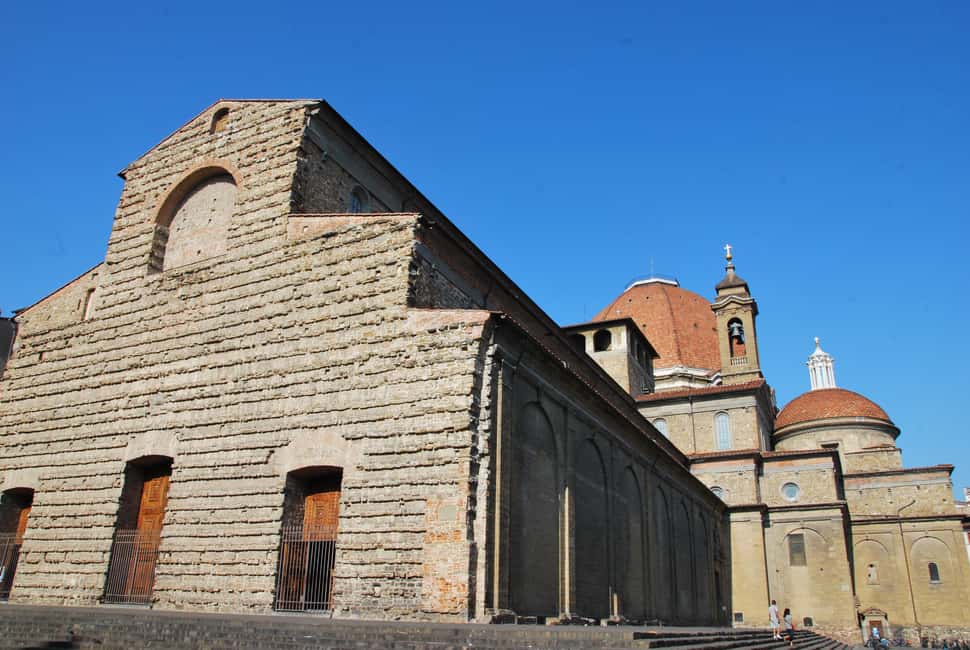
Next, there’s a short visit at Piazza San Lorenzo—about fifteen minutes including a photo stop. This is a small break, but it’s not random.
Think of it as a mental reset. After the palace’s interiors and focused explanations, this open-air moment helps you reconnect the geography of central Florence. It also gives you room to take a few photos without feeling rushed.
If you’re the kind of person who likes knowing where you are in a city, this pause earns its keep. Even if you don’t do much sightseeing there beyond pictures, it helps you track the day as the tour moves toward the Medici’s burial spaces.
Medici Chapels: from family prestige to a sculpted legacy
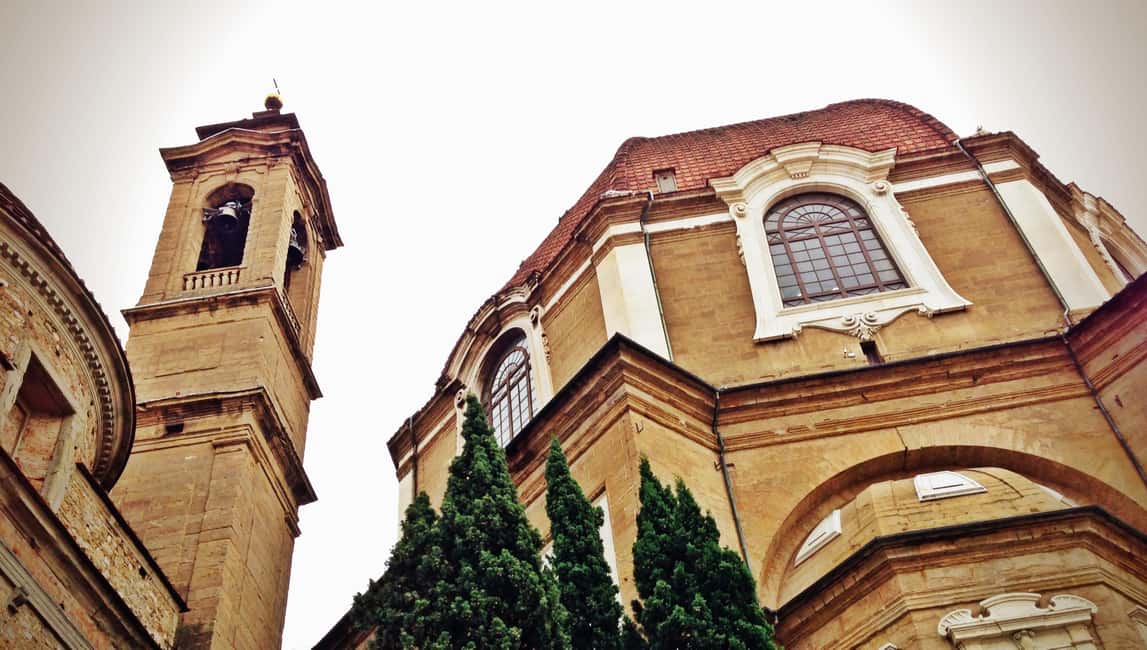
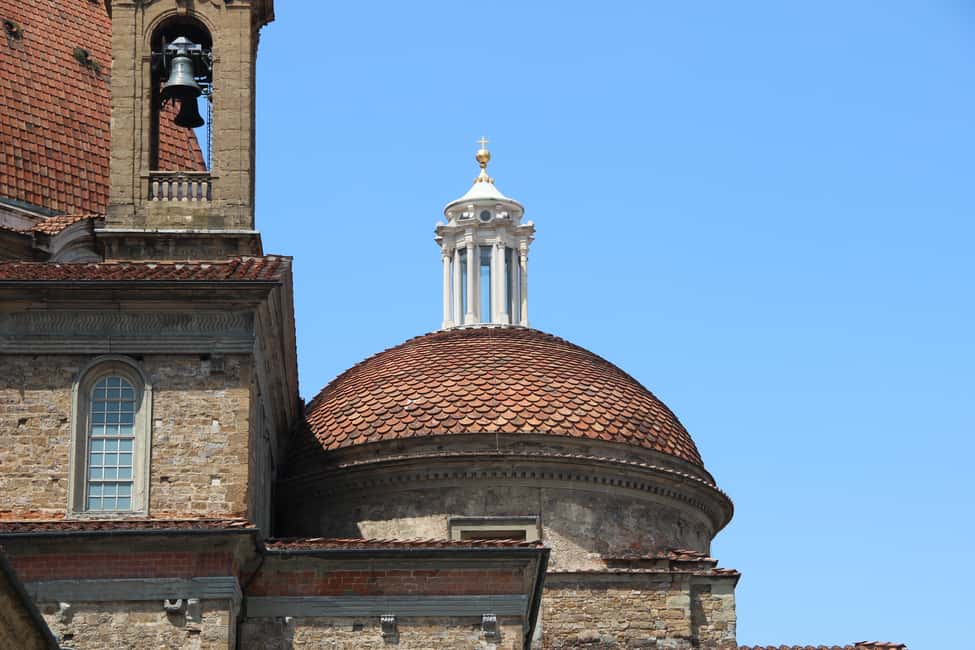
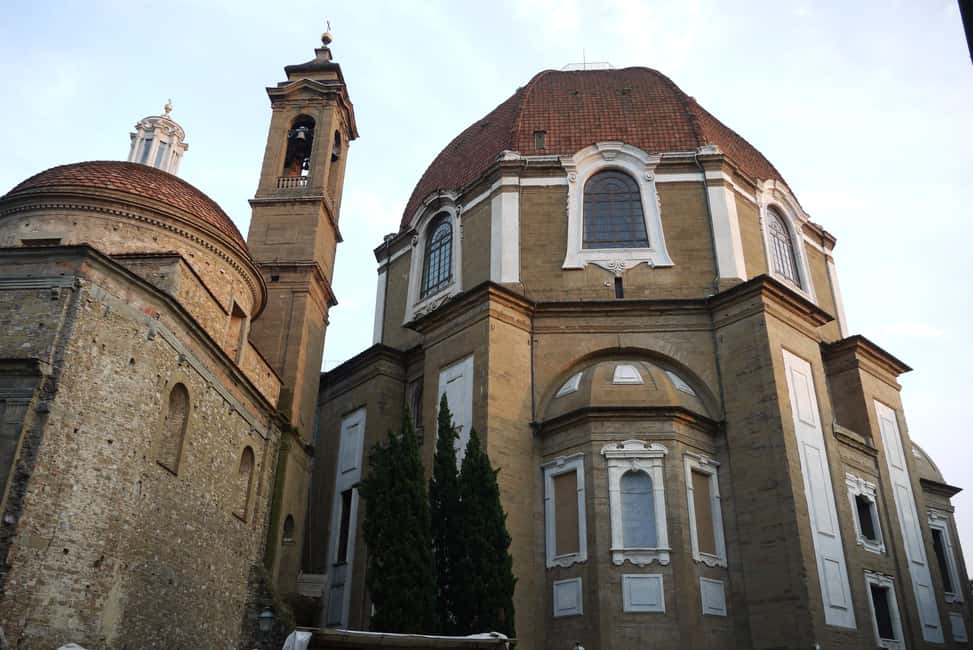
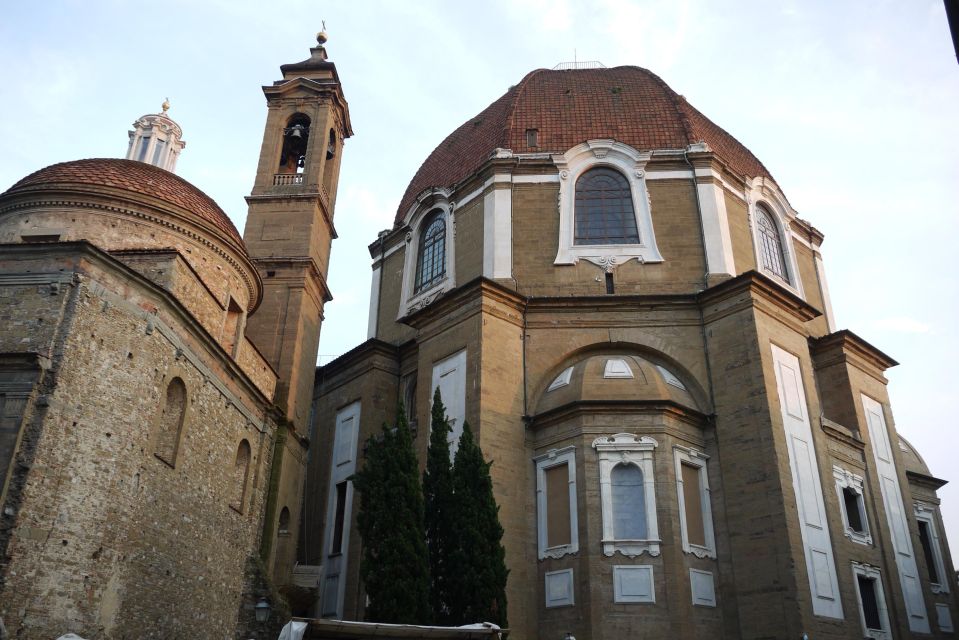
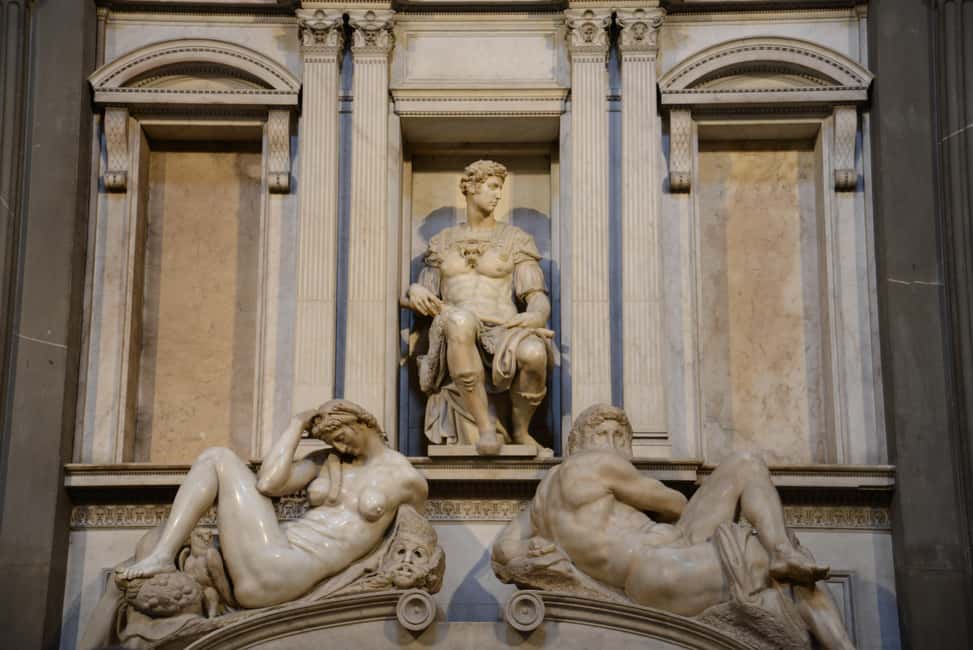
The last big chapter is the Medici Chapels, and this part runs about an hour on guided time. If you want to understand how Renaissance power treated death as part of the story, this is where it clicks.
You’ll see the main components your guide highlights:
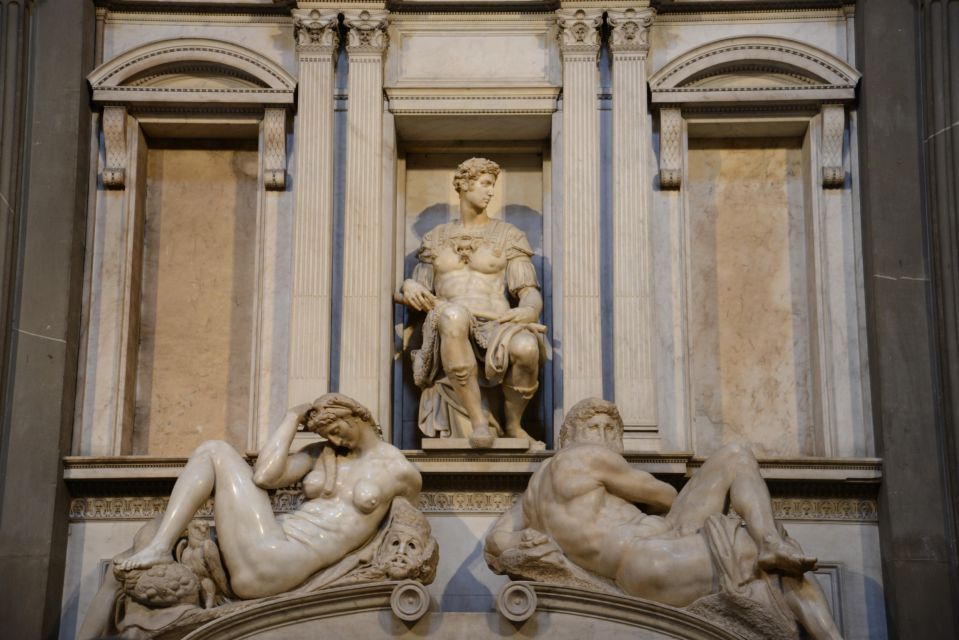
- the New Sacristy by Michelangelo
- the Chapel of the Princes, decorated with Florentine mosaic in semi-precious stones
- the Crypt, where members of the Medici family are buried
That lineup is the value. You’re not just visiting one impressive room. You’re moving through a design program built around memory, legitimacy, and identity.
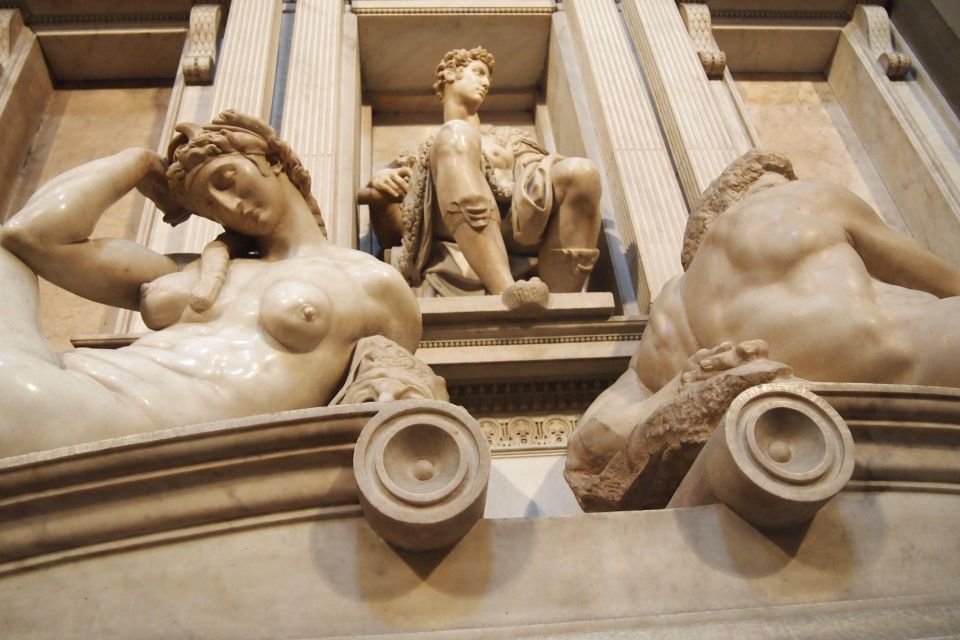
Michelangelo’s New Sacristy matters because it anchors the tour in the scale of genius. It’s not a generic “famous sculptor visited here” fact. The space is meant to carry emotional weight. Your guide’s explanations help you see it as more than marble.
The Chapel of the Princes adds a different texture. The Florentine mosaic work—set in semi-precious stones—is visual language. It says wealth, control of materials, and a taste level that was meant to last.
Then the Crypt brings the story down to the most literal level: bodies, burial, and the permanence of family power.
- The Best tour in Florence: Renaissance & Medici Tales – guided by a STORYTELLER
★ 5.0 · 12,316 reviews

What the New Sacristy and mosaic communicate to you
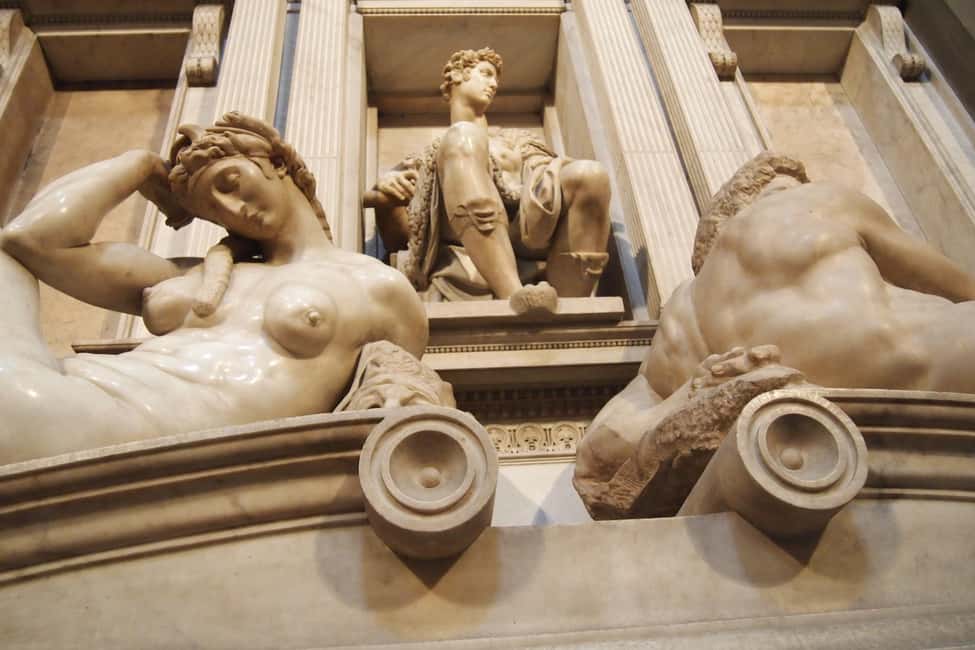
This tour does a good job of making the chapels feel connected, not like separate museum rooms. The New Sacristy communicates theology and human drama through Michelangelo’s sculptural approach. The Princes Chapel communicates status through craft—especially through the careful use of stone and color.
Put together, you start to understand a key Medici idea: the family brand wasn’t only political. It was cultural, artistic, and spiritual. The Medici were sponsoring artists while also shaping how their own legacy would be remembered.
If you enjoy symbolism, you’ll likely walk away with more than “I saw famous art.” You’ll have a framework for why the art looks the way it does and why it was commissioned in the first place.
Your guide matters: languages, pacing, and the human touch
This is a private group tour, and that’s a big deal for a site like this. Private means the pace can stay comfortable. It also means your guide can adjust when questions come up, instead of cutting you off to keep a group moving.
One of the most praised aspects of this experience is guide energy and clarity. I’ve seen multiple guide names linked with standout performances on this tour, including Rossana, Adriana, Christina, Catherina, and Susanna. The recurring theme is simple: the best guides make complicated Medici power politics feel logical, not overwhelming.
You should also note the guide language options. The tour runs in English, Italian, Spanish, German, French, and Portuguese. If you’re choosing among languages, pick the one you’ll understand comfortably at speed. One reported hiccup on this tour involved an accent that made some explanations harder to catch. It’s not the tour in general that’s the risk—it’s your ability to follow the guide in your chosen language.
Practical tip: if you’re even slightly sensitive to accents, don’t pick a language just because you can speak it. Pick the one you can listen to for three hours.
Timing and movement: a tight 3-hour circuit with big payoffs
The whole tour runs about three hours. That can feel short until you realize what’s packed in:
- a major palace interior
- a major chapel stop inside the palace
- an outdoor orientation/photo moment
- a major chapel complex focused on burial and major Renaissance art
Because it’s structured, you won’t spend your day hunting around or guessing which rooms to prioritize. The tour also includes a skip-the-line approach, which is worth it at busy sites. You get more time for explanations, not waiting.
In terms of walking, expect a normal sightseeing pace. If you’re prone to tiring quickly indoors, plan a slower day after. But for most people, this is manageable because the itinerary keeps moving while still giving you guided time at each stop.
Price and value: what you’re paying for beyond tickets
I can’t see pricing in your details, so I won’t guess the number. But I can tell you what drives value here.
You’re paying for three things that add up:
- A real guide narrative that ties political power to the art and spaces
- Skip-the-line entry, so time goes into the experience rather than queues
- Two major site types: a palace of influence and chapels of legacy
For many people, the biggest value comes from learning how the Medici family used patronage to shape Florence’s cultural identity. If you already know the names Botticelli, Brunelleschi, and Michelangelo, this tour helps you connect those names to the Medici system that made their careers and works possible.
If you don’t care about art history, you might still enjoy the story of Florence’s rulers. But you’ll get the most if you like the Renaissance as a cause-and-effect story.
Who this tour suits best
This is a great match if you:
- want the Medici story in a readable order
- care about how politics and art sponsorship connect
- like big names, but also want context for why they matter
- prefer guided time in fewer places instead of a loose self-guided day
If you’re the type who hates crowds and wants direct answers, private groups are often more your speed.
If you want only exterior sights, this might feel too interior-heavy. But the chapel complex is a major reason to be there, so don’t skip the guided sections.
Should you book the Medici Palace and Chapels tour?
I’d book it if you want to understand Florence through one of its most powerful families—and you like seeing how art, faith, and power were designed to last.
If you’re on the fence, here’s the decision shortcut: if the idea of visiting Michelangelo’s New Sacristy plus the mosaic-and-crypt Medici Chapels sounds exciting, this tour fits your interests. If those parts don’t interest you, you might be better off with a lighter architecture or exterior-focused day.
Also, do yourself a favor and choose your language carefully. A strong guide can turn “famous places” into a story you remember.
FAQ
Where does the tour start and end?
The tour starts at Riccardi Medici Palace and finishes at Cappelle Medicee (the Medici Chapels).
How long is the tour?
The experience runs for about 3 hours.
Does the tour include skip-the-line access?
Yes, it includes skip the ticket line.
What languages are available?
The live guide is available in English, Italian, Spanish, German, French, and Portuguese.
What do I need to bring for entry?
Bring a passport or ID card. A copy is accepted.
Is the tour wheelchair accessible and are group sizes private?
Yes, it’s listed as wheelchair accessible and it’s a private group.
If you tell me your travel month and preferred language, I can suggest the best way to plan your day around this 3-hour circuit.
You Might Also Enjoy
More Tour Reviews in Florence
- Tuscany Day Trip from Florence: Siena, San Gimignano, Pisa and Lunch at a Winery
★ 5.0 · 21,634 reviews - The Best tour in Florence: Renaissance & Medici Tales – guided by a STORYTELLER
★ 5.0 · 12,316 reviews