REVIEW · FLORENCE
The Medici family and the Renaissance with a local art historian
Book on Viator →Operated by Flora's walk · Bookable on Viator
Medici stories make Florence make sense. This walk is a story-driven way to connect major Renaissance sites with the people who paid for art, made policy, and argued over ideas. I like the local art historian angle because you get more than photo stops. You also get people-centered storytelling that turns famous buildings into real-world power moves and creative choices.
I also like how the route covers the big Florence hits without turning into a rushed checklist. You’ll move from religious symbols to Medici political muscle, then land at the river for the classic Ponte Vecchio finish. One consideration: it’s only about 2 hours, so some spots feel fast, and a few major buildings list admission as not included.
In This Review
- Key things to know before you go
- Why a Medici-focused walk makes Florence click
- What you get for $100: a 2-hour story-led route
- Stop 1: Basilica di San Lorenzo and Florence’s symbols
- Stop 2: Palazzo Medici Riccardi, where power meets art
- Stop 3: The Duomo’s scale and what to watch for
- Stop 4: Piazza della Signoria and Medici connections in public space
- Stop 5: Palazzo Vecchio, Florence’s political heart in color
- Stop 6: Ponte Vecchio finish by the river
- Tips for a smoother afternoon: shoes, water, and good weather
- Who should book this Renaissance with a local art historian
- Should you book Flora’s Walk?
- FAQ
- How long is the tour?
- Where does the tour start and end?
- What is the price?
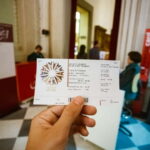
- Is the ticket mobile?
- Are admission tickets included for the stops?
- How big is the group?
Key things to know before you go
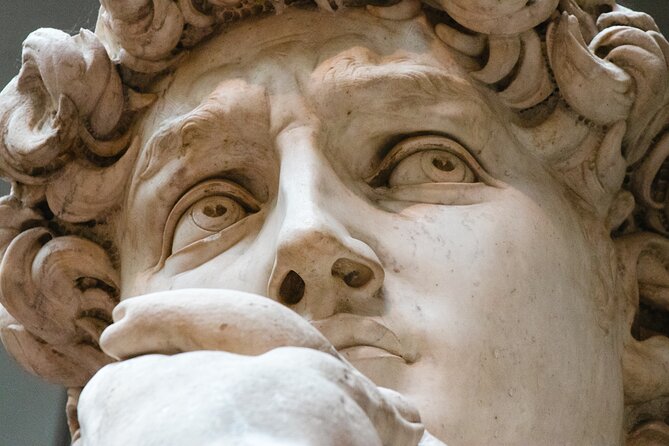
- A compact Renaissance route: Basilica di San Lorenzo to Ponte Vecchio in roughly 2 hours.
- Two kinds of value: guided interpretation plus several stops marked free (Duomo, Piazza della Signoria, Ponte Vecchio).
- Medici power explained through real places: you’ll see how culture and control overlap in Florence.
- Detail-spotting training: you’ll get pointers for what to notice on buildings, including why Florence has so many towers.
- Small group size: maximum of 15 travelers, so it’s easier to ask questions.
- End near the Uffizi and Ponte Vecchio: convenient for continuing your day on foot.
Why a Medici-focused walk makes Florence click
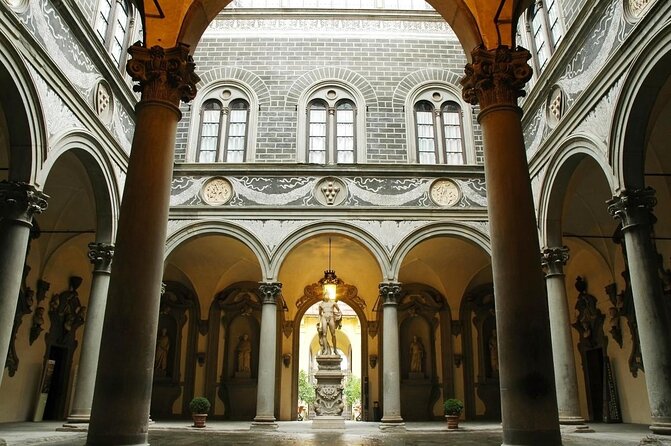
Florence can feel like a museum with bad signage. You see a church. You see a palace. You snap a photo. Then you move on, still wondering what any of it really means. This experience tries to fix that by turning the Renaissance into a human story.
The Medici weren’t just “nice patrons.” They were shrewd, complicated, and very good at using culture as influence. The best part of this tour style is that you don’t just learn dates. You connect the dots between who had power, where they showed it, and how art became their language.
And because the guide’s focus is art history, you’ll be thinking about buildings as creative tools, not just stone backdrops. You might also find yourself noticing the city’s vertical ambition—Florence’s towers, for example—through the lens of politics, wealth, and competition, not just architecture.
You can also read our reviews of more tours and experiences in Florence.
- Tuscany Day Trip from Florence: Siena, San Gimignano, Pisa and Lunch at a Winery
★ 5.0 · 21,634 reviews
What you get for $100: a 2-hour story-led route
At $100 for about 2 hours, this is not the cheapest thing in Florence. The value is that you’re paying for interpretation: someone who can take you from one “great name” to the next and explain why those names mattered right there, on those streets.
The schedule is tight but smart. You’re not jumping randomly across town. You’re moving through a sequence that matches the Renaissance story arc: symbols and spirituality, Medici rise and reputation, civic power, and then the famous river finale.
A practical note: tickets aren’t included for every stop. The tour lists admission not included for Basilica di San Lorenzo, Palazzo Medici Riccardi, and Palazzo Vecchio. It lists the Duomo, Piazza della Signoria, and Ponte Vecchio as free. So you should expect you may pay extra to enter certain buildings, depending on what you want to see closely.
Also, a small group helps. With a maximum of 15 travelers, you should get a more interactive feel than on big bus-style tours.
Stop 1: Basilica di San Lorenzo and Florence’s symbols
You start at Piazza di San Lorenzo, 13, and the walk opens with a short grounding in Florence—its symbols and why the city is full of visual “messages.” The Basilica di San Lorenzo is a strong first stop because it sets the tone: Florence’s Renaissance isn’t floating in space. It grows out of religious life, civic identity, and long-running traditions.
This is the kind of beginning that helps you read later stops. When you understand what a religious space signals—status, faith, community memory—you’re better equipped to notice how power later shows up in palaces and public squares.
The one drawback here is simply pacing. The first stop is listed for about 15 minutes and doesn’t include the time you might want for a slow, detailed visit. If you enjoy lingering, you’ll probably want to come back later on your own.
Stop 2: Palazzo Medici Riccardi, where power meets art
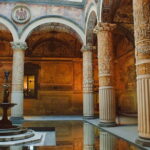
Next you head to Palazzo Medici Riccardi, and this is where the Medici story takes center stage. The itinerary frames the visit around meeting Lorenzo the Magnificent (and other major Renaissance figures) through the tour’s storytelling approach.
Why this matters: the Medici weren’t only collectors. They were image-makers. They helped define what “good taste” and “serious culture” looked like in a city where politics and prestige were always intertwined. Seeing a palace tied to that dynasty gives you a concrete sense of how Renaissance patronage could feel like a public brand.
This stop is also useful for your eyes. A good art historian guide often trains you to read façades and details—what’s meant to impress, what’s meant to signal authority, and what’s meant to last. If you tend to skip over building exteriors, this part can change that habit fast.
Admission is listed as not included here, so keep in mind you might need to plan for entrance fees if you want to go inside or see specific interior areas.
Stop 3: The Duomo’s scale and what to watch for
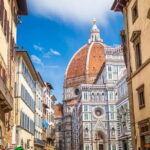
After the Medici focus, the tour swings to the Duomo, Florence’s major statement piece. The itinerary calls it the huge, majestic giant of the city, and that’s accurate in the plainest way: it’s hard to understand Florence’s ambitions until you stand near this scale.
This stop is free on the tour listing and lasts about 20 minutes, which is enough time to get oriented. You’ll also want to watch for how the Duomo’s presence reshapes the whole street rhythm around it. Even if you’ve seen photos, the trick here is learning what to pay attention to when you’re standing close—angles, mass, and the feeling of the building dominating the city fabric.
One consideration: with limited time, this won’t replace a deep Duomo day trip. Think of it as getting your bearings and learning how to “see” the cathedral area with more intention.
- The Best tour in Florence: Renaissance & Medici Tales – guided by a STORYTELLER
★ 5.0 · 12,316 reviews
Stop 4: Piazza della Signoria and Medici connections in public space
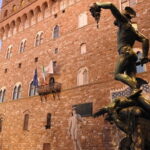
Then you step into Piazza della Signoria, one of Florence’s most important outdoor stages for civic life. The tour positions this as another Medici-family meeting point, which is exactly the right framing. In Renaissance Florence, politics didn’t hide indoors all the time. It lived in squares, statues, and public spectacle.
This is also a good place to connect your earlier stops to what comes next. If Palazzo Medici Riccardi represents private power and image-building, Piazza della Signoria shows power performed in public—where reputation and influence become visible to everyone walking by.
The good news: this stop is listed as free and lasts about 15 minutes. You can enjoy the scene without feeling like you must buy an add-on ticket to justify the visit.
Stop 5: Palazzo Vecchio, Florence’s political heart in color
Next is Palazzo Vecchio, described as Florence’s political heart and the most colorful one. That description is spot-on in spirit. This building isn’t about gentle beauty. It’s about governance, authority, and the city’s willingness to put its power on display.
This stop is listed for about 15 minutes, with admission not included. So treat it as a guided orientation stop. Even if you decide not to pay for entry, you can still benefit from the story: why Florence built a system that looked impressive, why public architecture mattered, and how a family like the Medici could operate in the space between culture and control.
A detail-focused guide helps here. In strong city tours, you’re taught what to look for—corners, symbols, and the “why” behind architectural choices. If you’re the type who usually walks past façades without thinking, this is where you’ll start catching things.
Stop 6: Ponte Vecchio finish by the river
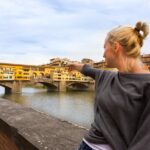
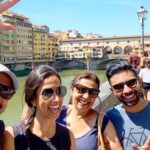
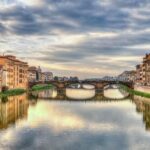
If you have time, you conclude at Ponte Vecchio, about 10 minutes, and it’s listed as free. This is the payoff moment, because by the time you reach the river you’re ready to exhale. The tour ends in the Renaissance zone by the river—specifically near Lungarno Anna Maria Luisa de’ Medici, 8, close to the Uffizi and right in front of Ponte Vecchio.
Ponte Vecchio is famous for a reason: it’s one of those places where you can see layers of history without needing a script. The bridge is visually busy, but the river helps slow your brain down. You can stand there and think about everything you just learned—how patronage, politics, and artistic ambition all fed the same city identity.
The only catch is timing. If your tour ends right on schedule, you’ll want to be ready to move with the group. If the light is good, you’ll probably want to linger after, on your own.
Tips for a smoother afternoon: shoes, water, and good weather
This experience gives you clear “do this” advice, and it’s worth taking seriously.
Bring water. Florence can feel deceptively intense, even when the forecast looks mild. Wear comfortable shoes. The stops are famous, but the walk between them still means you’ll be on your feet. And bring good vibes—because this kind of storytelling tour works best when you’re open to listening.
Weather matters too. The tour notes it requires good weather. If Florence decides to rain, your plan shifts, so have a flexible mindset.
Finally, small-group tours can still move at a pace. Aim to show up a little early at Piazza di San Lorenzo so you’re not rushing at the start. It’s the best way to feel relaxed enough to actually take in the story.
Who should book this Renaissance with a local art historian
This is a great fit if you like understanding the big names through place and context. If you’re the type who wants to know why a dynasty like the Medici mattered and how their choices shaped what you see today, you’ll probably love this approach.
It’s also a smart choice for first-timers who feel overwhelmed by Florence’s sheer volume of art and landmarks. You won’t try to do everything. You’ll do a focused route, and you’ll leave with a clearer mental map.
If you want a slow, museum-style experience where you spend long minutes inside buildings, this probably won’t satisfy that craving by itself. But as an orientation tour that makes later exploring easier, it’s very useful.
And if you enjoy details—the kind that change how you look at towers, façades, and architectural features—this style of guide tends to pay off. Even the “small stuff” becomes part of the big story.
Should you book Flora’s Walk?
I’d book this if you want Florence to feel connected, not random. The focus on the Medici family, the art-historian lens, and the route through key Renaissance-adjacent spaces make this a strong value for your time.
You should skip or at least temper expectations if:
- you need long entry time inside major buildings (admission is not included for several stops),
- you prefer very slow pacing,
- or you’re sensitive to short, fast segments during the day.
Otherwise, this is the kind of tour that helps you walk through Florence with a sharper eye. You’ll see the same buildings you’d see anyway, but you’ll know why they mattered—and that makes the city feel a lot more alive.
FAQ
How long is the tour?
The tour lasts about 2 hours.
Where does the tour start and end?
It starts at Piazza di San Lorenzo, 13, 50123 Firenze FI, Italy and ends at Lungarno Anna Maria Luisa de’ Medici, 8, 038983 Firenze FI, Italy near Ponte Vecchio.
What is the price?
The price is $100.
Is the ticket mobile?
Yes, the tour uses a mobile ticket.
Are admission tickets included for the stops?
Admission is listed as not included for Basilica di San Lorenzo, Palazzo Medici Riccardi, and Palazzo Vecchio. The Duomo, Piazza della Signoria, and Ponte Vecchio are listed as free.
How big is the group?
The tour has a maximum of 15 travelers.
You Might Also Enjoy

More Tour Reviews in Florence
- Tuscany Day Trip from Florence: Siena, San Gimignano, Pisa and Lunch at a Winery
★ 5.0 · 21,634 reviews - The Best tour in Florence: Renaissance & Medici Tales – guided by a STORYTELLER
★ 5.0 · 12,316 reviews