REVIEW · FLORENCE
The Best tour in Florence: Renaissance and Medici Tales
Book on GetYourGuide →Operated by All Around Florence · Bookable on GetYourGuide
A stroll through Florence’s big names starts with a story. This tour puts Medici tales and Renaissance intrigue right into your walk, using a passionate local guide to connect the famous sights to the people and moments that shaped the city. I love the pacing: you cover major landmarks without feeling rushed, and you still get time for the lesser-seen sides of the center. I also like that the guide is doing the heavy lifting—explaining what you’re looking at in a way that sticks.
One possible drawback: you’ll be on your feet for about 2 hours, including guided time at several stops, so plan comfortable shoes and don’t book this if you’re already wiped out from a long day of walking.
In This Review
- Key Highlights You’ll Actually Feel
- Why the Medici Tales Tour Works in 2 Hours
- Meeting at Piazza San Lorenzo: Find the Red Flags
- San Lorenzo and the Medici Story Begins
- Palazzo Medici Riccardi: Power, Intrigue, and Art
- Florence Duomo Complex, Giotto’s Bell Tower, Brunelleschi’s Dome
- House of Dante: Where Story Meets Place
- Palazzo Vecchio and the Shift to Civic Florence
- Uffizi Gallery: Art Through the Guide’s Lens
- Piazza della Signoria and Ponte Vecchio: Closing the Loop
- Price and Value: Why $1.13 Can Still Be Worth It
- Who This Tour Fits Best (and Who Might Prefer Something Else)
- Should You Book the Best Tour in Florence? My Take
- FAQ
- Where does the tour start?
- How long is the tour?
- What stops are included?
- What languages are available?
- Is the tour wheelchair accessible?
- Do I need to pay a donation to the guide?
- What is the cancellation policy?
- Can I reserve without paying immediately?
Key Highlights You’ll Actually Feel
- Story-first guiding that turns landmarks into scenes, not just photos
- Medici and Renaissance focus across the most recognizable center highlights
- A walkable route that keeps you moving through Florence’s core
- Multiple guided stops including San Lorenzo, Palazzo Vecchio, Uffizi area, and Ponte Vecchio
- Friendly group vibe built around an easy, conversational pace
Why the Medici Tales Tour Works in 2 Hours
Florence can feel like a museum trail—big façade, quick glance, next stop. This experience flips that. Instead of treating each monument like a separate checklist item, the guide links them through Medici stories and the Renaissance themes you’ll see all around town.
That matters because Florence looks the way it does for a reason. When you hear how the Medici family influenced the city and why Renaissance art mattered here, the places stop being random stops and start being chapters. You’ll leave with a sense of cause and effect, not just a set of pretty buildings.
Two more reasons this tour fits real travel days. First, it’s short. Two hours is long enough to feel like you got something meaningful, but short enough to keep the rest of your day flexible. Second, the atmosphere is described as relaxed and friendly, so it doesn’t feel like you’re marching through history like a field trip.
The route also gives you a smart mix of famous and less-expected moments. Even with the major stops, you’ll be shown corners and context that help you understand what you’re seeing—exactly what you want in a first or second day in Florence.
You can also read our reviews of more tours and experiences in Florence.
- Tuscany Day Trip from Florence: Siena, San Gimignano, Pisa and Lunch at a Winery
★ 5.0 · 21,634 reviews
Meeting at Piazza San Lorenzo: Find the Red Flags
Plan to start where you can orient fast: Piazza di San Lorenzo. The meeting point is in front of the church façade, and the key detail is this—not the Medici Chapels. If you’re coming in from the wrong side, it can be easy to lose time.
Look for guides with RED FLAGS. This is one of those small instructions that saves stress later, especially if you arrive slightly early and don’t want to wander around the square guessing.
The tour starts on time, and the guide won’t be able to take calls or messages during the walk. That means you should arrive about 15 minutes early so the group can collect and move without delays. If you’re the kind of person who likes a buffer, you’ll appreciate how clearly this is handled.
Language is another practical plus. The guide can work in English, Italian, or Spanish, so you’re not forced into a one-size-fits-all explanation.
San Lorenzo and the Medici Story Begins
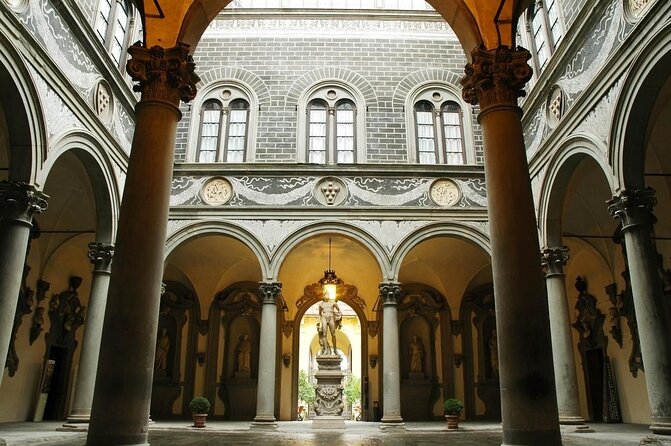
Your first major stop is the Basilica of San Lorenzo, with a guided tour. This is a strong first anchor because it sets the Medici connection early. You’re not waiting until later in the walk to learn why the family matters to Florence—you’re starting with the kind of place where their influence fits naturally into the story.
What I like about a first-stop basilica visit is that it gives you an instant visual reference point. Once you understand the Medici thread from the beginning, the later palaces and civic spaces feel more connected, and you notice details more easily.
You should also expect this part to include guided time, not just a quick look at the doorway. So if you’re planning to squeeze in photos for social media, give yourself permission to slow down for the guide’s pacing here.
Possible downside? If you’re the type who only wants outdoor views, you may find this stop leans more guided and interior-focused. The listing calls it a guided tour, so it’s best to come with curiosity rather than a strict photo-first mindset.
Palazzo Medici Riccardi: Power, Intrigue, and Art
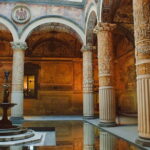
Next you head to Palazzo Medici Riccardi for another guided tour. This is where the Medici theme becomes more literal. You’re moving from a major religious space into a building that connects to the city’s political and cultural energy—exactly what you want when you’re trying to understand influence instead of just admiring architecture.
The tour is described as featuring thrilling Medici stories about power, intrigue, and art. That framing is useful because it changes how you watch people in these places. You stop seeing only surfaces and start seeing relationships: who had influence, and how that influence showed up in Florence.
If you’re worried this will become overly academic, don’t. The tour’s tone is described as storytelling with a friendly atmosphere. That’s the sweet spot—clear explanation, human pace.
One thing to keep in mind: palaces like this often reward attentive listening. If you tune out for a few minutes, you’ll miss the link the guide is making to what you’ll see later. So keep your eyes up and actually listen—you’ll get more out of the walk.
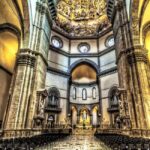
Florence Duomo Complex, Giotto’s Bell Tower, Brunelleschi’s Dome
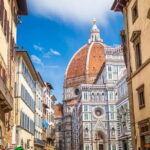
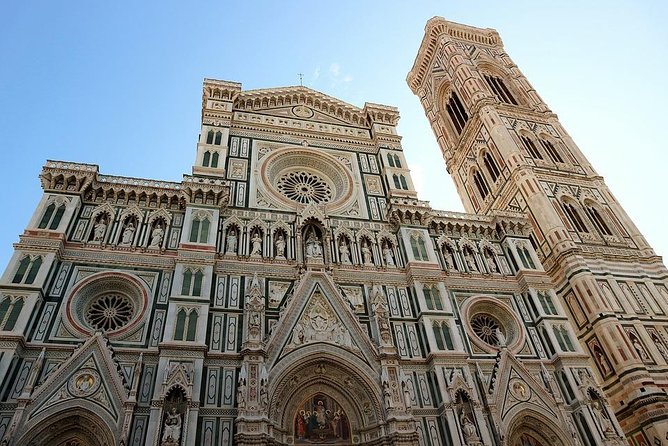
Now you switch from family-centered spaces to Renaissance icons. The tour includes the Florence Duomo Complex, plus guided stops at Giotto’s Bell Tower and Brunelleschi’s Dome.
These stops are valuable because they’re not just “big famous buildings.” They represent the Renaissance wonder factor that the tour explicitly promises. You’ll be listening to stories tied to those Renaissance wonders while the group stands in the exact places that inspired awe in the first place.
The practical benefit here: because the guide is tying these landmarks to the Renaissance theme (not just the Medici thread), you get a balanced sense of what this city is best at. Medici influence explains why the city could produce and support major art and ideas. The Renaissance sites show you what that output looks like.
A minor consideration: this is the part of the tour where people often stand around for guidance and views. If you’re heat-sensitive or you dislike crowds, plan for it mentally. Even if your group is moving, these are major public areas, and you’ll feel Florence’s energy.
- The Best tour in Florence: Renaissance & Medici Tales – guided by a STORYTELLER
★ 5.0 · 12,316 reviews




House of Dante: Where Story Meets Place
The walk continues to the House of Dante for a guided tour. This is a smart addition because it expands the narrative beyond the Medici family and Renaissance art into cultural impact—how Florence shaped ideas that outlived the moment.
For me, the value of including Dante here is that it gives your day a wider lens. Up to this point, you’ve been grounded in the Medici and Renaissance framework. Dante gives you another angle on how the city’s intellectual life mattered.
This stop also helps make the tour feel like an actual day in Florence, not just a curated “greatest hits” loop. A house tied to Dante adds a quieter, more human scale to the route.
If you’re someone who loves literature but worries you’ll be boxed into art history only, this stop should make you happy.
Palazzo Vecchio and the Shift to Civic Florence
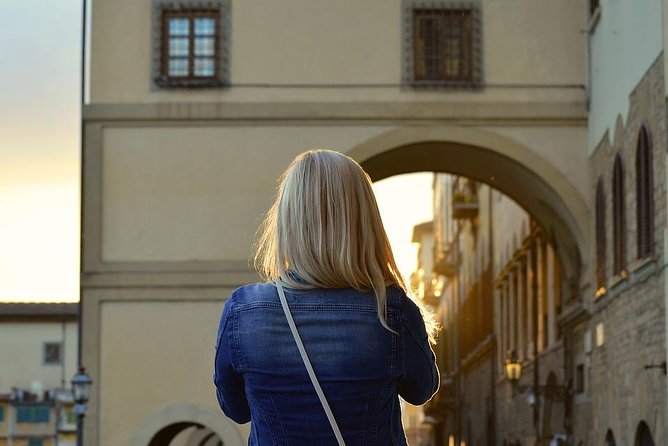
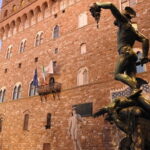
Next comes Palazzo Vecchio, guided. This change in setting is one of the tour’s best tricks. You go from family-related spaces and religious grandeur into a civic context. That matters because Florence isn’t only about patrons and artists. It’s also about government, decisions, and how a city organizes itself.
The Medici stories fit here well. The tour’s promise includes intrigue and power, and a civic palace is the perfect stage for that kind of explanation. Even if you don’t know the details going in, you’ll understand why this matters once the guide ties it back to the broader Medici influence.
The guided pacing here is especially important. You’ll likely get explanations that help you connect the palace to the spaces around it—so don’t plan to mentally multitask while you’re inside.
Uffizi Gallery: Art Through the Guide’s Lens
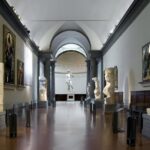
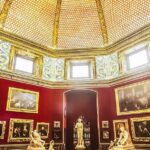
The tour includes the Uffizi Gallery with a guided tour. If you’re visiting Florence and only thinking about seeing art, this stop is a big part of why you would book a tour in the first place.
What helps is that the guide isn’t just telling you what to look at. The tour overall is structured as Renaissance storytelling. So the Uffizi visit becomes part of a bigger chain: you’ve been set up for Renaissance themes, and now you see how art fits those themes.
The practical upside: a guided start helps you avoid that frustrating museum feeling where everything looks important but you don’t know where to focus. Even without getting a full museum immersion, you’ll leave with better framing for what to chase next.
If you already planned a long museum day right after this, consider giving yourself a little space afterward. You’ll have a lot to process.
Piazza della Signoria and Ponte Vecchio: Closing the Loop
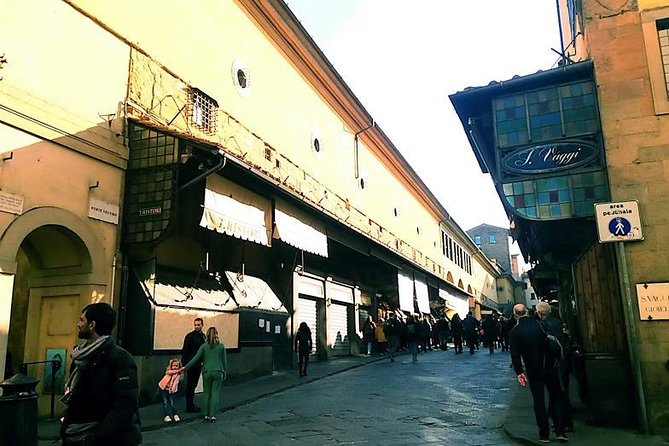
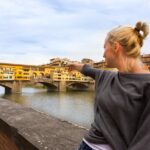
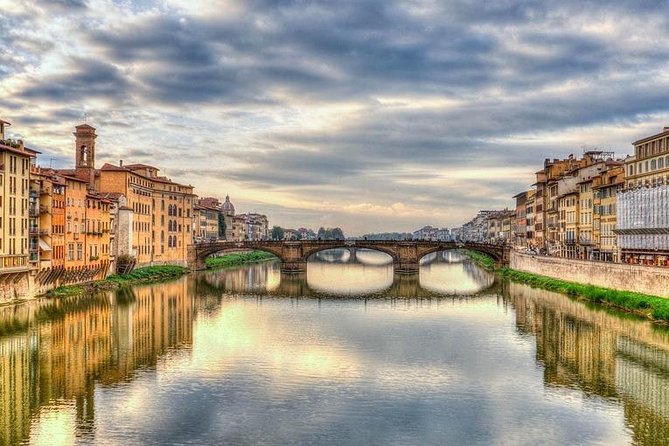
You end with the major public spaces that make Florence feel like Florence. The tour includes Piazza della Signoria (guided) and then Ponte Vecchio (guided).
This is where the storytelling payoff can feel strongest. By the time you reach the river and the famous bridge, you’ve moved through the religious, the palatial, the civic, and the art-focused stops. So the final setting feels like a conclusion rather than a random add-on.
Piazza della Signoria is especially useful as a wrap-up point because it connects to the civic Florence thread from Palazzo Vecchio. Then Ponte Vecchio brings you back into the visual identity of the city center.
Timing matters here. You’ll likely be thinking, so don’t rush your senses at the end. If you want great photos, this is where your best windows will be, but only after you listen to the guide’s last story beats.
One note on route ending: the activity finishes at Piazza della Signoria. The meeting point notes also say the end is back at the meeting point area. In practice, you should plan for the group to conclude in the central zone you started from, with Piazza della Signoria as the stated end point.
Price and Value: Why $1.13 Can Still Be Worth It
The listed price is $1.13 per person, and even if that seems shockingly low, the real value isn’t just the number. You’re buying a guide who connects multiple major stops—Basilica of San Lorenzo, Palazzo Medici Riccardi, Duomo-related sites, Dante’s house, Palazzo Vecchio, Uffizi, Piazza della Signoria, and Ponte Vecchio—into one coherent story in 2 hours.
Even at a low price point, the guide is doing real work: organizing a group, keeping timing, and providing guided tours at multiple locations. That’s why there’s also mention of a donation. The tour isn’t priced as a full-salary situation. If the experience clicks for you, offering a donation is the expected way to remunerate the guide for their effort.
So here’s how I’d think about it: pay the listed amount to reserve your spot, then budget a small amount for a donation if you feel it was worth it. That turns the tour into a fair exchange.
A possible consideration: if you’re the type who hates the idea of tipping or donations, read the tone carefully. There’s no obligation, but the tour clearly encourages it as the guides’ compensation method.
Who This Tour Fits Best (and Who Might Prefer Something Else)
This is a great fit if you want a Florence introduction that’s structured around storytelling. If you like hearing why places matter, not just what they’re called, you’ll probably enjoy this route a lot.
It also suits you if you’re short on time but still want to see multiple highlights across the center. In two hours, you’ll cover a lot of ground through the city’s core without committing to an all-day plan.
I’d also recommend it if you’re traveling with different ages or mixed interests. The guide’s approach is described as friendly and engaging, which tends to work well when people have different comfort levels with long museum time.
But consider another option if:
- You need fully independent, self-paced time in museums.
- You hate any guided structure.
- You’re only interested in exterior views and quick stops.
Because this tour includes guided tours at several sites, listening is part of the product.
Should You Book the Best Tour in Florence? My Take
Book it if you want Florence to make sense fast. This tour does that by turning Medici stories and Renaissance themes into something you can carry while you walk. It’s timed for a day where you still want energy to explore afterward, and it uses the guide to connect landmarks into a single thread.
Skip it if you’re already planning a long, slow museum deep plan and you dislike guided pacing. In that case, you might prefer a more self-led day where you control every minute.
If you do book, do one simple thing: arrive early, find the guides with RED FLAGS, and be ready to listen. That’s how you get the most from a short tour that’s built for storytelling.
FAQ
Where does the tour start?
It starts at Piazza di San Lorenzo, in front of the church façade (not the Medici Chapels). You should look for the guides with RED FLAGS.
How long is the tour?
The tour duration is 2 hours.
What stops are included?
Key stops include Basilica of San Lorenzo, Palazzo Medici Riccardi, the Florence Duomo Complex, Giotto’s Bell Tower, Brunelleschi’s Dome, House of Dante, Palazzo Vecchio, Uffizi Gallery, Piazza della Signoria, and Ponte Vecchio.
What languages are available?
The live guide is available in English, Italian, and Spanish.
Is the tour wheelchair accessible?
Yes, the activity is wheelchair accessible.
Do I need to pay a donation to the guide?
Donations are not included, and you’re welcome to offer one at the end of the tour if you feel it’s worth rewarding the guide’s work. There’s no obligation.
What is the cancellation policy?
You can cancel up to 24 hours in advance for a full refund.
Can I reserve without paying immediately?
Yes. The tour offers a reserve now & pay later option, so you can book your spot and pay nothing today.
You Might Also Enjoy


More Tours in Florence
- The Best tour in Florence: Renaissance & Medici Tales – guided by a STORYTELLER
★ 5.0 · 12,316 reviews



More Tour Reviews in Florence
- Tuscany Day Trip from Florence: Siena, San Gimignano, Pisa and Lunch at a Winery
★ 5.0 · 21,634 reviews - The Best tour in Florence: Renaissance & Medici Tales – guided by a STORYTELLER
★ 5.0 · 12,316 reviews