REVIEW · FLORENCE
Pasta Making Class at a 12th Century Winery in the Tuscan Countryside
Book on Viator →Operated by Tuscany Cycle · Bookable on Viator
Pasta in a 12th-century winery sounds unreal. That is the pitch here, and it works: you get a hands-on pasta-making session in the hills plus a visit through the winery side (cantina) before you ever touch dough, with guides like Alexa and Francisco bringing the day to life. Two things I especially like are the small group size (so you actually get help while kneading) and the full food-and-wine loop—wine and olive oil tasting, then lunch served from your own work. One thing to watch: there is no hotel pickup, so you’ll need to start at Via dei Pandolfini.
The day runs about 5 hours, starting at 10:00am in Florence and ending back at the same meeting point. If you hate logistics in a trip day, circle this one: plan your train or taxi timing so you’re not sprinting across Florence at 9:50.
In This Review
- Key points before you go
- Why this pasta class happens in a 12th-century winery
- Florence to Tuscany: timing, comfort, and the 10:00am start
- Cantina tour first: how the wine and olive oil shape the cooking
- The pasta-making lesson: hands-on skills you can actually use
- Lunch with your own pasta: pairing it with winery tastings
- Who should book this class in the Tuscan countryside
- Price and value: is $179.51 a good deal?
- How to get the most out of your day
- Should you book this Tuscan countryside pasta class?
- FAQ
- What time does the class start?
- How long is the experience?
- Where do we meet in Florence?
- How do we get there from Florence?
- Is the class offered in English?
- Is lunch included, and what do I eat?
- Do they offer vegetarian options?
- Is it appropriate for beginners?
- What if weather is bad or the tour doesn’t run?
Key points before you go
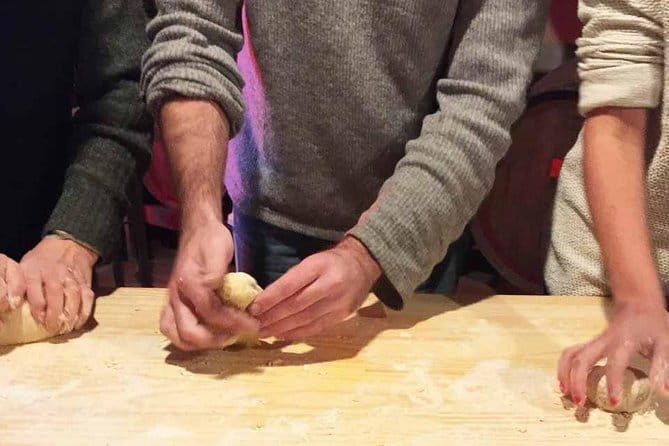
- 12th-century winery setting in the Tuscan countryside, with a cantina visit before cooking
- Small group (max 15) means more hands-on coaching, not just watching
- Wine and olive oil tasting happens as part of the experience, not as an add-on
- You eat what you make at lunch, including pasta (and in some sessions, dessert like tiramisu)
- Air-conditioned minivan transport from Florence keeps the route easy
Why this pasta class happens in a 12th-century winery
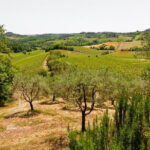
Most Florence food tours bounce back to the city fast. This one goes the other direction, into the Tuscan countryside, and it does it with a built-in theme: an ancient winery tied to the 12th century. That matters, because the setting changes your expectations. You’re not crammed into a studio with a demo table. You’re cooking in a real working-feeling kitchen tied to wine production.
The winery visit is also not just a scenic pause. You get a guided look at the wine-making process and time in the cantina, plus sampling wine from the host winery. Guides such as Francisco are great at making the steps of wine production understandable without turning it into a lecture hall.
Then you switch modes—chef’s hat on, flour out. The whole day flows like a mini storyline: wine first, then pasta, then lunch with the same flavors you tasted earlier.
You can also read our reviews of more cooking classes in Florence
Florence to Tuscany: timing, comfort, and the 10:00am start
You meet in Florence at Via dei Pandolfini, 31r (10:00am) and you ride out by air-conditioned minivan. A review noted the drive is about 30 minutes, which is the sweet spot: long enough to feel you left Florence, short enough that you’re not spending half your day in traffic.
The practical point: there is no hotel pickup or drop-off. You’ll want to plan how you get to Via dei Pandolfini—walk, taxi, or whatever fits your stay. If you’re staying far from the center, this is the one detail that can make or break your morning. Once you arrive at the meeting point, the rest feels smooth and straightforward.
The schedule is about 5 hours total, so it’s a full slice of your day. Wear comfortable shoes. You’ll be standing, moving, and kneading.
Cantina tour first: how the wine and olive oil shape the cooking
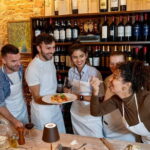
Here’s what I like about the order of operations: you taste before you cook. You start at the winery, tour the cantina, and sample the winery’s wines. You also taste olive oil during the lunch phase.
That makes a difference because pasta isn’t just about the dough. It’s also about how you finish it—oil, sauce, and wine pairings that match the mood of the meal. When you’ve already tasted the winery’s style, the lunch doesn’t feel generic. You’re eating with context.
The guidance matters here too. Francisco’s focus on the wine-making process helps you understand what you’re sipping. It’s less about memorizing grapes and more about appreciating what goes into the bottle.
And yes, there’s wine during the day while you’re cooking, which keeps the energy lively. Just keep it sensible if you’re someone who gets tipsy and becomes dramatic while rolling dough.
The pasta-making lesson: hands-on skills you can actually use
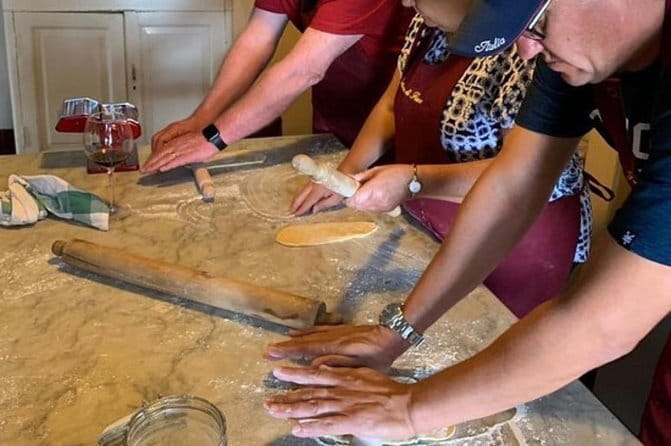
The heart of the day is the pasta-making class. This is a small-group setup (maximum 15 people), which is key. In a class this hands-on, group size affects everything: how much someone can correct your technique, how quickly questions get answered, and whether you feel stuck staring at a ball of dough.
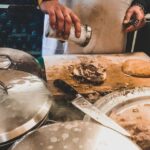
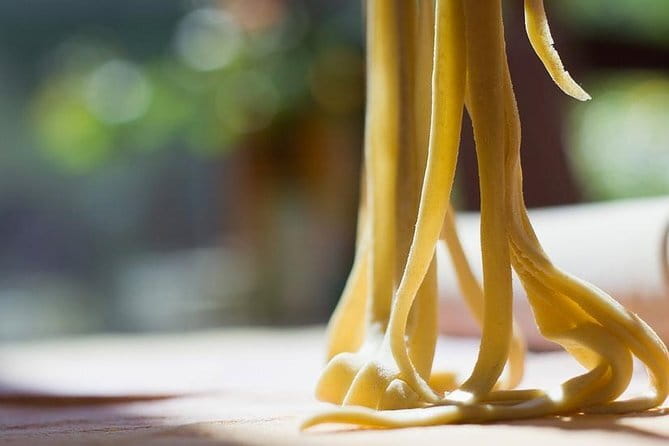
You learn traditional Italian pasta technique and then make your own lunch portion. Depending on the session, the pasta taught can include styles like pici—one of the reviews specifically called out pici. Even if your session is a different shape, the core technique is the same: mixing, kneading, shaping, and getting the timing right.
Alexa was highlighted in multiple experiences as an excellent teacher. People praised her ability to explain without steamrolling beginners, and to keep the pace fun for the whole group. One review even mentioned that varying skill levels worked out well—so if you’ve never made pasta before, you’re not signing up for humiliation. You’re signing up for practice.
Practical advice: come prepared for flour on your sleeves and a little elbow work. If you can, wear an apron or something you don’t mind getting stained. You’ll be much happier with the mess than trying to protect a favorite shirt.
Lunch with your own pasta: pairing it with winery tastings
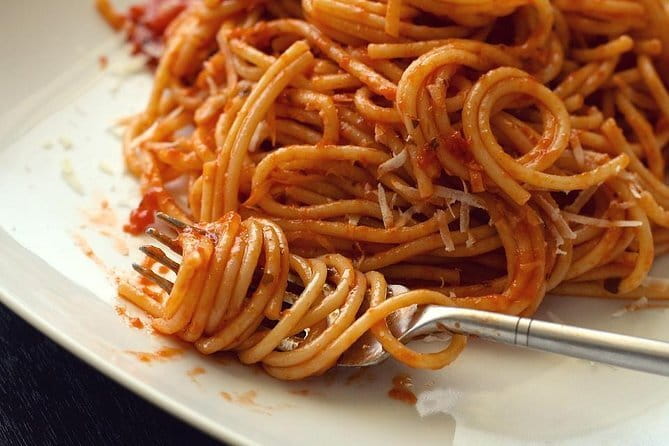
After kneading, shaping, and rolling, you transition to sauce. The structure is simple and satisfying: pasta first, then a break to make the sauce to go alongside it. Then it’s lunch—sit down, toast, and eat what you made.
The meal is where the class turns from skill-building into a full experience. It’s not a take-a-cookbook-and-leave situation. You get to enjoy your pasta on the spot, and the winery’s tastings are part of the lunch atmosphere. One review described lunch in a cool, private lower-level rock room—exact vibe may vary, but the “winery-side dining” feel is consistent.
You also get wine tasting and olive oil tasting, which is a smart combo with pasta. Oil gives you the flavor baseline; wine adds contrast and rounds out the meal. If you’re the type who usually books tastings only and never learns how the food is made, this class fixes that. You leave with both the palate memory and the technique.
One more small detail I appreciate: the day includes celebration energy. You’re not rushed through food like a conveyor belt. The pacing leaves room to chat with your group while you eat.
You can also read our reviews of more wine tours in Florence
- Tuscany Day Trip from Florence: Siena, San Gimignano, Pisa and Lunch at a Winery
★ 5.0 · 21,634 reviews
Who should book this class in the Tuscan countryside
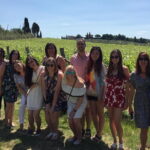
This is a great match if you want an active day that still feels like Tuscany—not a rushed photo stop. It also works well for families and mixed groups, based on the feedback you get from couples, multi-generational groups, and people with no prior cooking background. The small-group format helps everyone stay included.
It’s also ideal if you care about authenticity. The setting is tied to the winery and the wine process, not a generic kitchen detached from place. You taste the products from the host property and then cook with the knowledge of what those products are like.
It may be less ideal if you want a low-effort day. This is cooking: standing, kneading, shaping, and paying attention. You’ll also be committing to the 10:00am start and returning to the same meeting point.
Price and value: is $179.51 a good deal?
At $179.51 per person, this isn’t a budget activity. But look at what’s included: lunch, wine tasting, transport by air-conditioned minivan, and a local guide. For many people, a comparable day would mean booking a countryside transfer separately plus paying for a winery tasting plus paying for a cooking class. Bundling those parts usually saves money and saves time.
The small group cap at 15 also matters. In a large class, you might end up doing the motions while a guide focuses elsewhere. Here, the format supports real coaching while you cook.
So for value, I’d frame it like this: if you were already planning to eat and drink well in Tuscany, this is paying for the extra layer—learning to make pasta and then eating it immediately in a winery setting.
If you’re traveling tight on budget or you already have a cooking class you love at home, this might feel pricey. But for most first-timers, the combo of skills plus tastings plus lunch is exactly the kind of experience that sticks in your memory.
How to get the most out of your day
A few simple moves will make the experience better:
- Be on time for the 10:00am meeting so you don’t lose momentum before pasta starts.
- Tell them about dietary needs when you book. A vegetarian option is available, and you should flag requirements up front.
- Come ready to get floury. Plan clothes that can handle a little mess.
- Ask questions during the cantina visit. That part is meant to connect wine production to what you’ll taste and eat later.
- Stay hydrated and pace the wine. You’ll be active, and you still want to enjoy lunch with good energy.
One nice touch mentioned in experiences: you may be offered recipe follow-ups after the class, which makes it easier to recreate the pasta experience later at home.
Should you book this Tuscan countryside pasta class?
I think you should book it if you want a day that’s more than sightseeing. The format hits three sweet spots at once: a countryside drive from Florence, a winery cantina experience with wine, and a hands-on pasta lesson where lunch is the payoff.
Skip it if you only want a quick, scenic stop or if you absolutely need hotel pickup and a zero-stress schedule. The meeting point is fixed, and the day is structured around cooking.
If you’re excited by the idea of making pasta in a real winery setting—then eating it with wine you tasted earlier—this is a strong choice.
FAQ
What time does the class start?
It starts at 10:00am.
How long is the experience?
It runs for about 5 hours.
Where do we meet in Florence?
The meeting point is Via dei Pandolfini, 31r, 50123 Firenze FI, Italy.
How do we get there from Florence?
You’ll travel in an air-conditioned minivan. There is no hotel pickup, so you start at the meeting point.
Is the class offered in English?
Yes, it is offered in English.
Is lunch included, and what do I eat?
Lunch is included, and you’ll eat the pasta you help make. The experience also includes wine tasting.
Do they offer vegetarian options?
Yes. A vegetarian option is available—let them know when you book.
Is it appropriate for beginners?
The activity notes that most travelers can participate, so it’s not limited to expert cooks.
What if weather is bad or the tour doesn’t run?
The experience requires good weather. If it’s canceled due to poor weather, you’ll be offered another date or a full refund.
You Might Also Enjoy
More Wine Tours in Florence
- Tuscany Day Trip from Florence: Siena, San Gimignano, Pisa and Lunch at a Winery
★ 5.0 · 21,634 reviews
More Cooking Classes in Florence
- Cooking Class and Lunch at a Tuscan Farmhouse with Local Market Tour from Florence
★ 5.0 · 4,831 reviews
More Tour Reviews in Florence
- Tuscany Day Trip from Florence: Siena, San Gimignano, Pisa and Lunch at a Winery
★ 5.0 · 21,634 reviews - The Best tour in Florence: Renaissance & Medici Tales – guided by a STORYTELLER
★ 5.0 · 12,316 reviews