REVIEW · FLORENCE
Firenze; Corso di cucina Pasta&Dolce e vino Toscano
Book on GetYourGuide →Operated by Ristorante Murales Bistrò · Bookable on GetYourGuide
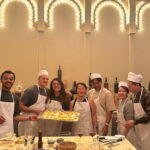
Handmade pasta without machines sounds fun. This Firenze class leans hard into traditional technique—two kinds of pasta, made by hand, plus dessert and wine—so the whole 2.5 hours feels like a real slice of Tuscany. I especially like how it keeps things practical, with chefs walking you through each step instead of just talking at you.
You’ll also enjoy the small-group vibe, limited to 10, which makes it easier to ask questions while you work. One possible drawback: at 2.5 hours, it’s great for building the basics, but it won’t turn you into a full-time pasta maker overnight.
In This Review
- Key takeaways before you book
- A 2.5-hour Firenze cooking class built around doing, not watching
- The kitchen flow: two pastas, made by hand
- Dessert + wine tasting: the fun part that still teaches
- Why the chefs’ step-by-step approach is the real value
- The small-group limit (10 people) changes how the class feels
- Food included means you can stop thinking about dinner
- Price and value: $53.81 for basics, wine, and a full meal
- Where it fits best: who this class suits
- What to bring to enjoy it more
- Booking and timing: making sure you catch the start time
- Should you book Firenze Pasta&Dolce and Tuscan wine?
- FAQ
- Where does this cooking class take place?
- How much does the course cost?
- How long is the class?
- How big is the group?
- What language is the tour guide?
- What will I cook during the lesson?
- Is wine included?
- What’s included in the ticket price?
- Is the experience wheelchair accessible?
- What is the cancellation policy?
Key takeaways before you book
- Two pasta types made the traditional way: hands-on work, no machinery involved
- Chefs lead the steps clearly: you follow along while you cook, not after the fact
- Dessert happens together: you make it with the group, then sit down to eat
- Red and white wine tastings: included during the lesson, not tacked on at the end
- Small group up to 10: easier attention and a calmer kitchen experience
A 2.5-hour Firenze cooking class built around doing, not watching
This is the kind of class you book when you want more than a photo and a souvenir. In Tuscany (Firenze), you’ll spend about 2.5 hours cooking in a real restaurant setting with a live guide (Italian and English) and a small group of up to 10 people. The price is $53.81 per person, which is fairly solid for what’s included: food, drinks, and the materials you need to cook.
The biggest reason this class feels worth it is the structure. You don’t just learn theory—you cook together from start to finish: intro, two types of pasta made traditionally, dessert prepared as a group, and then you eat what you made. It’s simple, direct, and designed for people who want basics they can actually repeat later.
You can also read our reviews of more tours and experiences in Florence.
- Tuscany Day Trip from Florence: Siena, San Gimignano, Pisa and Lunch at a Winery
★ 5.0 · 21,634 reviews
The kitchen flow: two pastas, made by hand
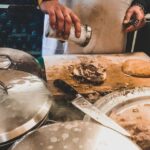
Here’s what you should expect once you’re in the class. You get an introduction and a quick overview of what you’ll do during the lesson. Then the focus shifts to pasta: you’ll make two types of pasta using traditional methods and your own hands, without machinery or anything automated.
That no-machines detail matters more than it sounds. When you shape pasta by hand, you feel the dough and you learn what consistency looks like. It’s not about being fancy. It’s about training your eye and hands so you can reproduce the result at home. And because the chefs explain each step during the process, you’re not stuck guessing when something feels different.
The pacing is also friendly for beginners. Since the class is hands-on and guided, you’ll get feedback in the moment—exactly when it helps most. Based on the tone of the experience (chefs who are attentive and clear), you can expect a calm rhythm: do the step, get corrections if needed, move on.
Dessert + wine tasting: the fun part that still teaches
After the pasta work, the lesson turns to dessert. The class includes preparing the dessert together, so you’re not just eating something pre-made. You’ll follow the steps, contribute to the process, and finish with a shared meal at the end.
Then comes the wine. You’ll taste two types of wine—one red and one white—during the lesson. This is a smart pairing style for a cooking class. You’re learning in real time, then you taste alongside the food you’re making. It keeps the experience from feeling like two separate activities (cook first, drink later).
Practical tip: if you’re sensitive to wine, pace yourself. You’ll be working with your hands, so you’ll want to stay comfortable and focused while you cook. The class vibe includes laughter and fun, but it’s still an activity where coordination matters.
Why the chefs’ step-by-step approach is the real value
Lots of cooking classes show you a technique and hope it sticks. This one is built around explanation during the process—chefs are attentive and guide you through the steps so it’s easier to follow along.
That clarity is the difference between leaving with a vague memory and leaving with confidence. When you know what to do at each stage, you can translate the lesson to your own kitchen later. You’re learning a method, not just collecting a recipe card.
Also, because it’s a small group (up to 10), the chefs can actually watch what people are doing. In a crowded class, you often lose timing or miss corrections. Here, you’re more likely to get real feedback.
The small-group limit (10 people) changes how the class feels
Small group isn’t just a marketing phrase. In a kitchen, it affects everything: how quickly you get answers, how smoothly the workspace runs, and whether you feel comfortable asking questions.
With a group capped at 10, you should expect:
- Less waiting around while someone else figures it out
- More chance the guide can check in with you
- A friendlier energy while you cook
You also get the benefit of a shared rhythm. Everyone is making pasta and dessert together, so the room stays lively instead of split into performers and spectators.
- The Best tour in Florence: Renaissance & Medici Tales – guided by a STORYTELLER
★ 5.0 · 12,316 reviews

Food included means you can stop thinking about dinner
One of the practical joys of this class is that you don’t have to plan dinner afterward. The lesson ends with you eating what you cooked, and the experience includes food and drinks, plus all necessary materials.
That turns the class into a “one ticket, two needs” deal. You get instruction and you get a meal. For a busy day in Firenze, that’s gold. You’ll also avoid the awkward feeling of spending time in a studio-like class and then still needing to find food afterward.
Price and value: $53.81 for basics, wine, and a full meal
Let’s talk value without hand-waving. At $53.81 per person for a 2.5-hour guided session, you’re paying for several things that add up quickly elsewhere:
- A live Italian/English guide
- Hands-on instruction for two types of pasta
- A group-prepped dessert
- Red and white wine tasting
- Food and drinks included
- Materials provided
If you’ve ever done food tours where you pay for bites but still end up hungry, this is the opposite. The class is designed so you leave fed.
Could it cost less? Probably. But in this case, you’re paying for guided instruction and a structured meal experience. For many people, that’s exactly what they want: one set plan that delivers.
Where it fits best: who this class suits
This experience is ideal if you fit one of these profiles:
- You want the basics of making pasta the traditional way
- You’re comfortable rolling up your sleeves and learning hands-on
- You’re traveling in a group small enough to enjoy cooking side-by-side
- You want an activity that works well for families (the experience is described as friendly and easy)
It’s also a good pick if you’re the kind of traveler who likes learning by doing. If you just want to watch, you may find the hands-on approach more time-consuming than you expected.
What to bring to enjoy it more
The class includes materials and is wheelchair accessible, so you’re not expected to show up with special gear. That said, wear something you’ll be okay getting a little messy in—pasta work can be flour and dough friendly in the best way.
If you’re sensitive to wine, plan for pacing. You’ll taste red and white, so it’s not a huge party, but it’s enough to matter for how you feel and how focused you stay.
And emotionally: go in expecting learning, not perfection. The class is built to teach steps. Your job is to follow along and adjust as you go.
Booking and timing: making sure you catch the start time
This class runs at set times, and the schedule depends on availability. Since duration is listed as 2.5 hours, plan your day around that block so you’re not sprinting across Firenze after.
Also note: the experience includes skipping the ticket line, which helps if you’re working around a packed itinerary.
Should you book Firenze Pasta&Dolce and Tuscan wine?
If you want a hands-on pasta lesson that ends with a real meal, I’d book it. The combination of two hand-made pastas, a dessert you prepare together, and wine tasting (red and white) makes the time feel full and practical. The small-group cap of 10 is a strong plus for getting attention and actually understanding what you’re doing.
Skip it only if you’re looking for an advanced, deep-technical course or a long multi-course dinner-style evening. This is about basics, teamwork, and learning the traditional way—done clearly, quickly, and with good energy.
FAQ
Where does this cooking class take place?
It’s in Tuscany, Italy, specifically offered as a Firenze experience.
How much does the course cost?
The price listed is $53.81 per person.
How long is the class?
It lasts about 2.5 hours.
How big is the group?
It’s a small group limited to 10 participants.
What language is the tour guide?
The live tour guide speaks Italian and English.
What will I cook during the lesson?
You’ll cook two types of pasta in the traditional way, using your hands without machinery. You’ll also prepare a dessert together.
Is wine included?
Yes. You’ll taste two types of wine during the lesson: one red and one white.
What’s included in the ticket price?
Food, drinks, and all necessary materials to make the dishes.
Is the experience wheelchair accessible?
Yes, it’s wheelchair accessible.
What is the cancellation policy?
Free cancellation is available up to 24 hours in advance for a full refund.
You Might Also Enjoy

More Tour Reviews in Florence
- Tuscany Day Trip from Florence: Siena, San Gimignano, Pisa and Lunch at a Winery
★ 5.0 · 21,634 reviews - The Best tour in Florence: Renaissance & Medici Tales – guided by a STORYTELLER
★ 5.0 · 12,316 reviews