REVIEW · CHIANTI
Chianti – Pizza and Tiramisu Course for Only Small Groups
Book on Viator →Operated by SiChef - Cooking Experience · Bookable on Viator
Making pizza and tiramisu feels fancy. It also feels doable here, because you learn the key steps in a relaxed Chianti-hills villa setting, with small groups and an English-speaking instructor. You start with pizza basics like kneading and smart topping choices, then shift to classic tiramisu made with coffee, mascarpone, and Pavesini.
Two things I really like: you get real, repeatable techniques (not just watching), and you finish by eating what you prepared, with beer or wine to go with the meal. One possible drawback: because the experience is capped at 12 travelers, the hands-on time can be organized by turn-taking, so you might spend some time waiting or watching when it’s not your turn.
In This Review
- Key Takeaways Before You Go
- A Chianti Villa Class That Feels Like a Day Off
- Greve in Chianti: The Setting Matters for Your Cooking Focus
- Pizza Dough, Toppings, and Fool-Proof Tricks You Can Actually Use
- Tiramisu: Coffee, Mascarpone, Eggs, Sugar, and the Pavesini Method
- Eating What You Make: Beer or Wine With Your Pizza and Dessert
- Instructor Energy: What Chef Julio’s Style Adds
- Small-Group Reality Check: When Everyone Gets a Turn
- Price and Value: Why $141.95 Can Be a Fair Deal
- Timing, Meeting Point, and What to Plan Around
- Should You Book This Chianti Pizza and Tiramisu Class?
- FAQ
- How long is the Chianti pizza and tiramisu course?
- Where is the meeting point?
- What will I learn to cook?
- Is the class taught in English?
- Do I get a recipe after the class?
- Can the class accommodate dietary needs like vegan or gluten-free?
- Will there be wine or beer?
- Is cancellation free if my plans change?
Key Takeaways Before You Go
- Small groups up to 12 means a calmer pace than big-city cooking demos
- Hands-on pizza dough and topping decisions set you up to cook at home with confidence
- Tiramisu made with coffee, mascarpone, and Pavesini covers the core structure of the dessert
- You eat what you make (pizza plus tiramisu) with beer or wine after class
- Dietary needs are supported on request including vegetarian, vegan, gluten-free, and lactose-free
- Recipes are provided after class so you can recreate your results later
A Chianti Villa Class That Feels Like a Day Off
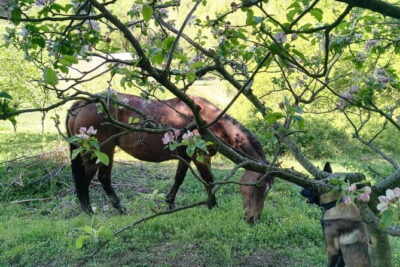
This experience is built for people who want something more personal than a standard restaurant meal, but without the stress of a full-day tour. It’s set in the Chianti hills in a villa-like setting, which matters because cooking classes go better when you’re not rushing between stops and fights for space.
I like that the class is designed around two iconic Italian items—pizza and tiramisu—so you’re not stuck doing one narrow task. You also get that classic Italian rhythm: learn, make, then sit down and enjoy. That layout is the difference between a cooking class and a cooking show.
The group size cap at 12 travelers is also a practical advantage. You’re less likely to feel anonymous, and you should be able to ask questions while the instructor is working through each step. If you prefer a quieter experience with family or a couple friends, this format fits well.
One note: the instruction is in English, so you won’t need Italian cooking vocabulary to get the point across. And the experience includes a mobile ticket, with confirmation provided at booking time, which keeps the pre-trip planning simple.
You can also read our reviews of more cooking classes in Chianti

Greve in Chianti: The Setting Matters for Your Cooking Focus
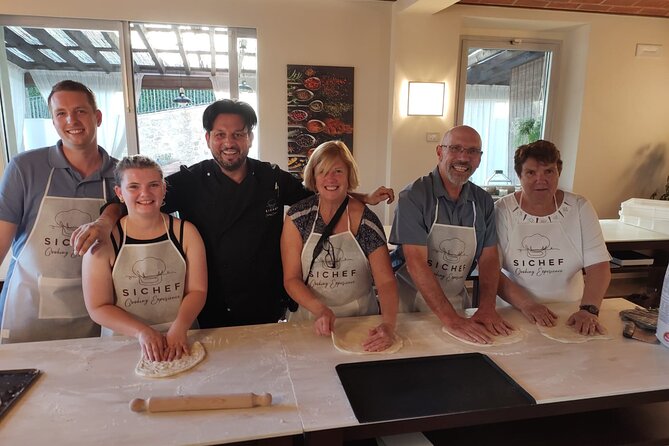
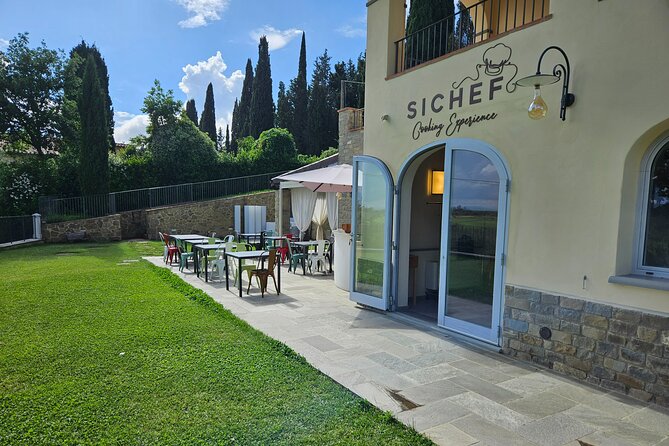
Even if you think of Chianti as a wine region, it’s also a place where you slow down. The experience connects you to that feeling by running out of the Greve in Chianti area. The meeting point is at Str. Spoiano, 1, 50028 Barberino Tavarnelle FI, Italy, and the activity ends back there.
Why this matters: when you’re learning kneading, timing, and layering desserts, you need focus more than sightseeing pressure. A villa-style environment helps because you’re staying in one place for the full session. You’re not juggling travel time, crowded streets, or constant movement.
You should expect about a 3-hour class. That’s a sweet spot for hands-on cooking: long enough to learn pizza dough and build tiramisu, short enough that you won’t feel exhausted before you sit down to eat.
If you’re pairing this with wine tasting plans, keep the schedule in mind. A class that includes beer or wine is more “meal pace” than “quick activity.” Plan for an unhurried evening after, and you’ll enjoy it more.
Pizza Dough, Toppings, and Fool-Proof Tricks You Can Actually Use
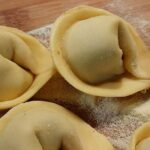
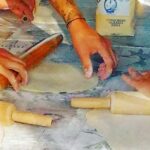
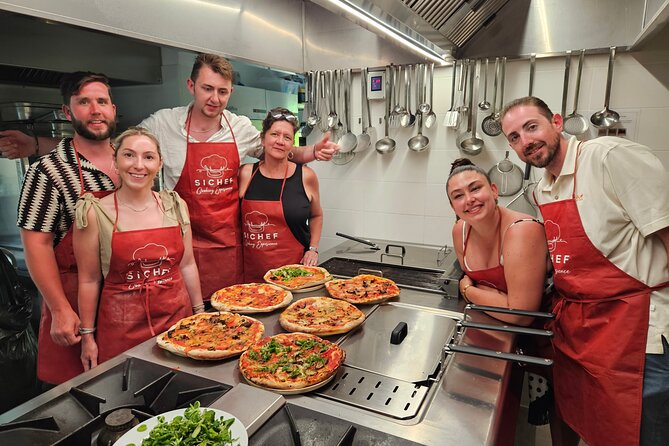
Pizza is where this class earns its keep. You don’t just get a dough lecture; you learn the steps behind kneading and then make the topping choices that turn dough into dinner.
Here’s what you’ll be focused on:
- learning the basics of pizza kneading
- understanding how to make the topping decisions (so the pizza isn’t random)
- getting your pizza ready to be cooked as part of the session flow
What I like about teaching pizza in this order is that it matches how real pizza works. Kneading is the foundation. Once that’s covered, the toppings become a practical creative choice instead of a last-minute scramble.
You’ll also get a clearer sense of how simple the process can be when someone explains it with calm, direct guidance. Cooking classes often leave you with a list of ingredients and no sense of technique. This one aims to give you the technique first, then the fun part second.
Small-group classes sometimes mean less one-on-one than private cooking, but with a cap of 12, it still tends to feel personal. You should walk away with at least a handful of tricks you can reuse at home—especially around dough handling and topping planning.
Possible wrinkle to consider: in some group setups, the making process can be organized by turn-taking rather than every pair having a dedicated dough station. That can lead to some waiting time or watching other people work. If you’re going with a group and want everyone actively working nonstop, consider that trade-off.
Tiramisu: Coffee, Mascarpone, Eggs, Sugar, and the Pavesini Method
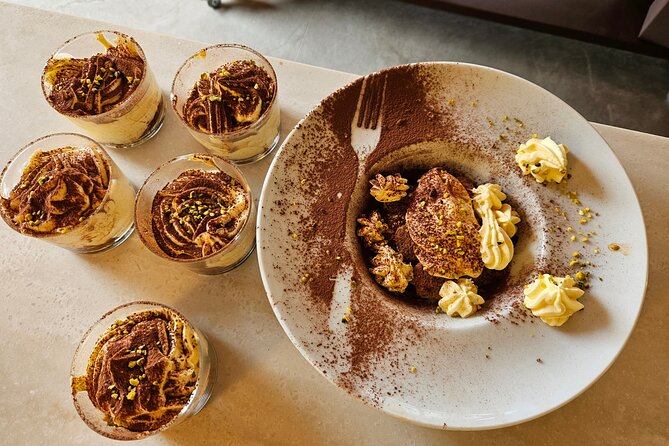
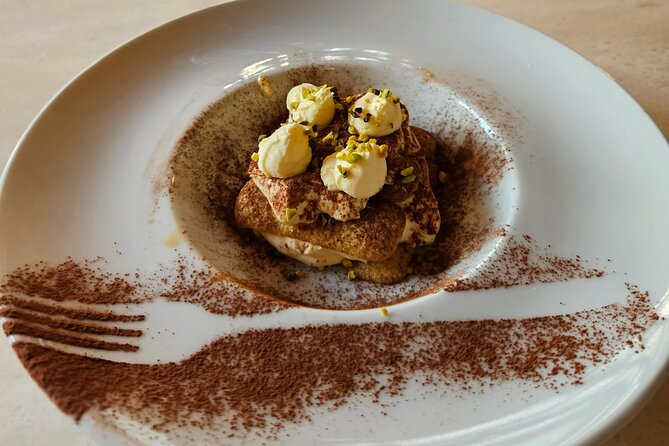
Then comes tiramisu—the part many people treat as a restaurant-only dessert. The class breaks it down into composable steps so you can recreate it later.
You’ll use core tiramisu components, including:
- eggs
- sugar
- mascarpone
- bitter cocoa
- coffee
- Pavesini
I like that the dessert recipe isn’t presented as complicated magic. It’s built from recognizable ingredients and clear construction steps: you learn the composition process, then you make your own tiramisu as part of the class.
Tiramisu also has a built-in “why” for learning. The flavor depends on the balance between coffee, sweetness, and the creamy mascarpone base, plus the cocoa finish. Knowing the structure makes it easier to adjust later if you want it stronger, sweeter, or more cocoa-forward.
Once the tiramisu is done, you don’t just take it home in a box and rush away. You’re able to enjoy it after class along with the rest of the meal. That matters because you get a reality check: you taste what you made and understand what the steps were designed to achieve.
Eating What You Make: Beer or Wine With Your Pizza and Dessert
This is one of those classes where the eating is part of the learning experience, not an afterthought. After you cook, you sample the dishes you’ve prepared over lunch or dinner afterward.
The meal includes:
- the pizza you made
- tiramisù prepared with the authentic-style recipe
- beer or wine with your meal
That pair of pizza and tiramisu makes the whole day feel complete. You’re not constantly shifting tasks from kitchen to table and back. Instead, you move from technique to tasting, and it locks in the skills because you experience the end result right away.
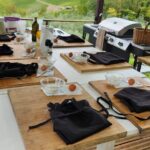
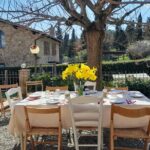
This is also where the villa setting earns points. Eating somewhere with views in the Tuscan hills changes how simple food feels. Even if you’re a picky eater, pizza and tiramisu are hard to mess up once you understand the basic structure.
If you want to enjoy the beer or wine, keep in mind the timing of the class. It’s about a 3-hour session, so you’ll be eating after you cook, not before. Plan for a relaxed pace afterward.




Instructor Energy: What Chef Julio’s Style Adds
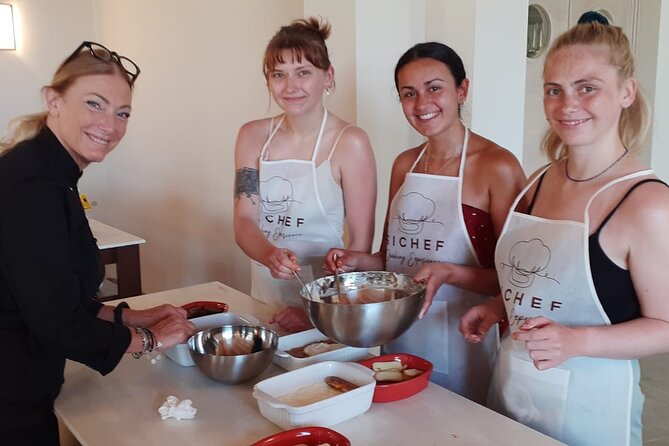
The class is led by a professional instructor, and one name that comes up is Chef Julio. The teaching style highlighted by past participants is friendly and encouraging, with clear explanations and a sense of humor.
Why that matters: pizza and tiramisu both have points where people get frustrated at home—dough consistency, timing, and how the dessert sets. A good instructor keeps you from overthinking. They explain the process in a way that makes you feel like you can repeat it.
I also like that the recipes are provided after class. That combination—live guidance plus written follow-through—is what makes a cooking class useful for future you. Otherwise, you’re stuck recreating from memory and vibes.
Small-Group Reality Check: When Everyone Gets a Turn
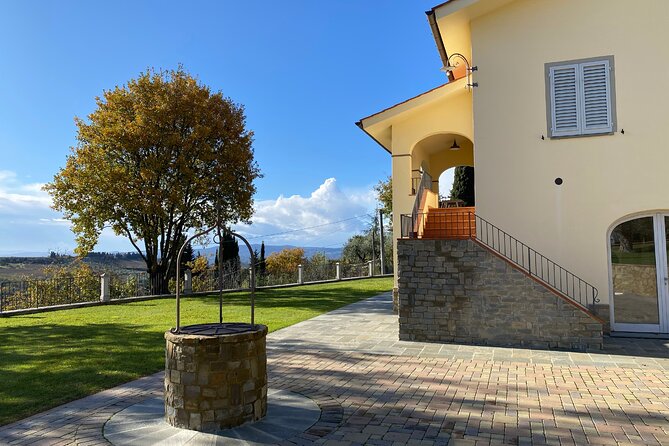
A key promise here is personal attention with a relaxed small-group setting. The maximum group size of 12 travelers supports that.
Still, it’s worth saying plainly what can happen in shared classes: hands-on time may be organized by turn-taking. In that case, not every person is always actively kneading or assembling at the exact same moment. You might spend time watching someone else work while waiting for your turn.
For some people, that’s fine—learning by watching is real learning, and it can help you spot what to do next. For others, especially if you want nonstop action, it can feel a little slow.
There’s also a chance that ingredients are shared rather than perfectly portioned for each pair or person. That can affect whether the pizza you eat is exactly the dough you handled. The good news is that the class still aims to teach the process, and you still get to taste the final result you helped create.
If you’re choosing between this and a private class, use this test:
- If your priority is learning techniques and enjoying the meal, this small-group format is a solid fit.
- If your priority is maximum hands-on time per person at all times, you might compare options.
Price and Value: Why $141.95 Can Be a Fair Deal
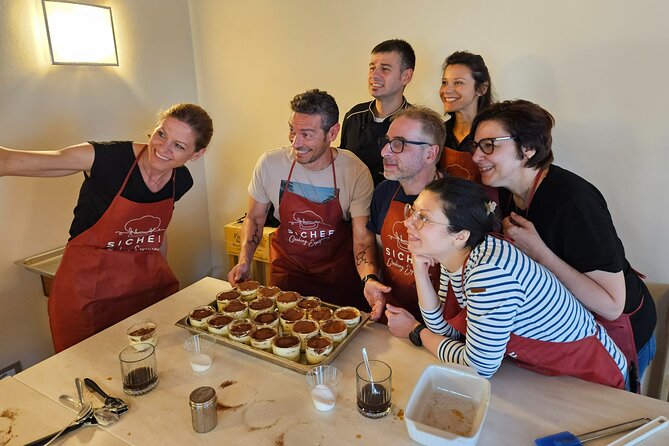
At $141.95 per person for about 3 hours, this isn’t a cheap impulse activity. But it can be good value when you look at what’s included.
You’re paying for:
- a small-group class (maximum 12 travelers)
- professional instruction
- pizza dough and topping work plus tiramisu assembly
- sampling what you make afterward
- beer or wine with the meal
- recipes provided after class
- the ability to request dietary accommodations (vegetarian, vegan, gluten-free, lactose-free)
A cooking class in a scenic place with food included can be hard to compare apples-to-apples. But this one is more than “buy a ticket and eat.” You’re leaving with skills you can use again, and you get the recipe support so you’re not guessing later.
The villa setting and Chianti-area location add to the cost, yet that’s also part of the payoff. If you’re the type of traveler who likes experiences that generate a practical souvenir (a skill and a recipe), the price starts to make sense.
Timing, Meeting Point, and What to Plan Around
You’ll meet at Str. Spoiano, 1, 50028 Barberino Tavarnelle FI, Italy. The class runs for about 3 hours and ends back at the meeting point.
The experience includes:
- confirmation at booking time
- a mobile ticket
- an English language experience
- service animals allowed
Bring normal cooking-class comfort items. Since the info doesn’t specify what to wear, use common sense: clothes you don’t mind getting a little messy and shoes you can stand in comfortably.
Also, consider your schedule. Because the class includes food sampling and beer or wine, it works best as a main event in your day rather than a quick add-on.
Should You Book This Chianti Pizza and Tiramisu Class?
I’d book this if you want a relaxing, food-centered day in the Chianti area and you like learning by doing. The format hits a good target: pizza fundamentals (kneading and toppings), then a dessert build (coffee, mascarpone, eggs, sugar, bitter cocoa, and Pavesini), finished with a meal and recipes for home.
It’s especially good for:
- couples or small groups who want something social but not hectic
- families who enjoy hands-on activities
- travelers who want practical cooking skills instead of just a scenic tour
Skip it if:
- you need nonstop hands-on work with no waiting at all (shared turn-taking can happen)
- you’re looking for a long, multi-stop day of sightseeing rather than one focused cooking experience
If you want a memorable Tuscan meal that also teaches you how to reproduce it at home, this class is a strong choice.
FAQ
How long is the Chianti pizza and tiramisu course?
The course lasts about 3 hours.
Where is the meeting point?
You meet at Str. Spoiano, 1, 50028 Barberino Tavarnelle FI, Italy, and the experience ends back at the meeting point.
What will I learn to cook?
You’ll learn how to make pizza (including kneading and topping choices) and tiramisù.
Is the class taught in English?
Yes. The experience is offered in English.
Do I get a recipe after the class?
Yes. Recipes are provided after class so you can recreate the dishes at home.
Can the class accommodate dietary needs like vegan or gluten-free?
Yes. Vegetarian, vegan, gluten-free and/or lactose-free options are available on request, using local fresh seasonal ingredients.
Will there be wine or beer?
Yes. Your pizza is accompanied by beer or wine, and you’ll sample what you prepared over lunch or dinner afterward.
Is cancellation free if my plans change?
Yes, free cancellation is available. You can cancel up to 24 hours in advance for a full refund.