REVIEW · GREVE IN CHIANTI
Chianti: Homemade Pasta Making Class and Lunch
Book on GetYourGuide →Operated by VizEat Ltd · Bookable on GetYourGuide
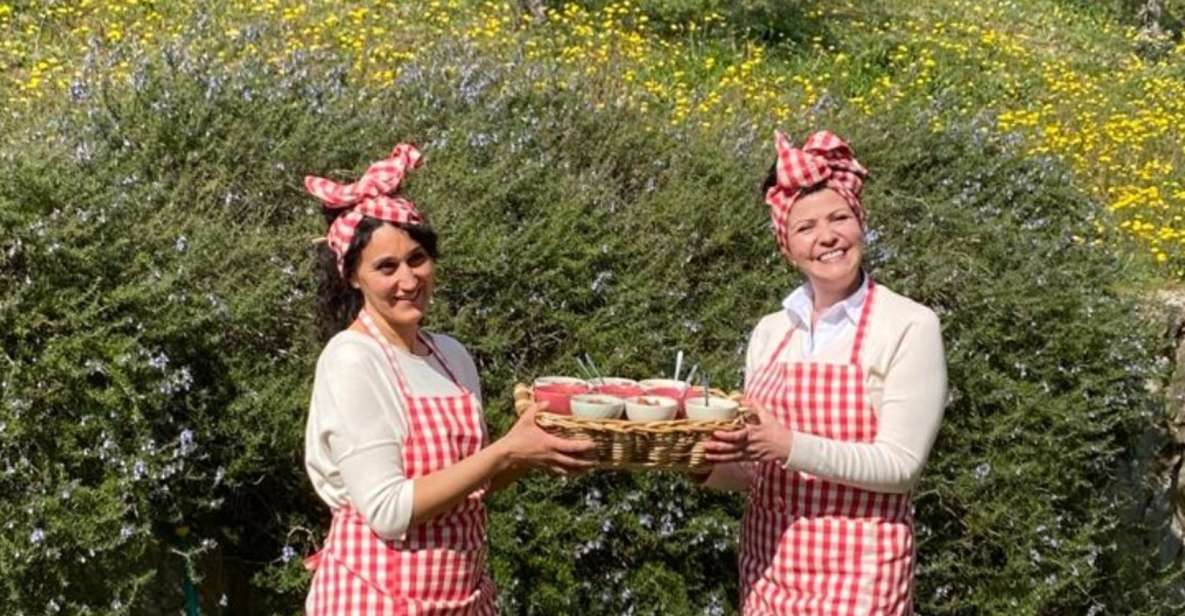
Roll your own pasta in Chianti. This family-run class pairs hands-on pasta teaching with Chianti wine from the family vineyard, hosted by Valentina and Anna in a Tuscan farmhouse setting. You also get a real meal that starts with local antipasti and ends with dessert.
One consideration: this is a home-style experience, not a big, rehearsed restaurant show. Communication is handled with English/Italian and, at times, Google Translate, which can be funny in the moment and a little unpredictable if you prefer zero surprises.
By the end, you are not just leaving full. You bring home recipes, plus a gift tied to the dish you made, so the day sticks with you.
In This Review
- Key things to know before you go
- Why this Chianti pasta day feels personal
- Meeting up at Via del Palagione: the one address detail that matters
- Inside the Tuscan kitchen: homemade pasta, taught in plain steps
- The sauce-and-lunch connection
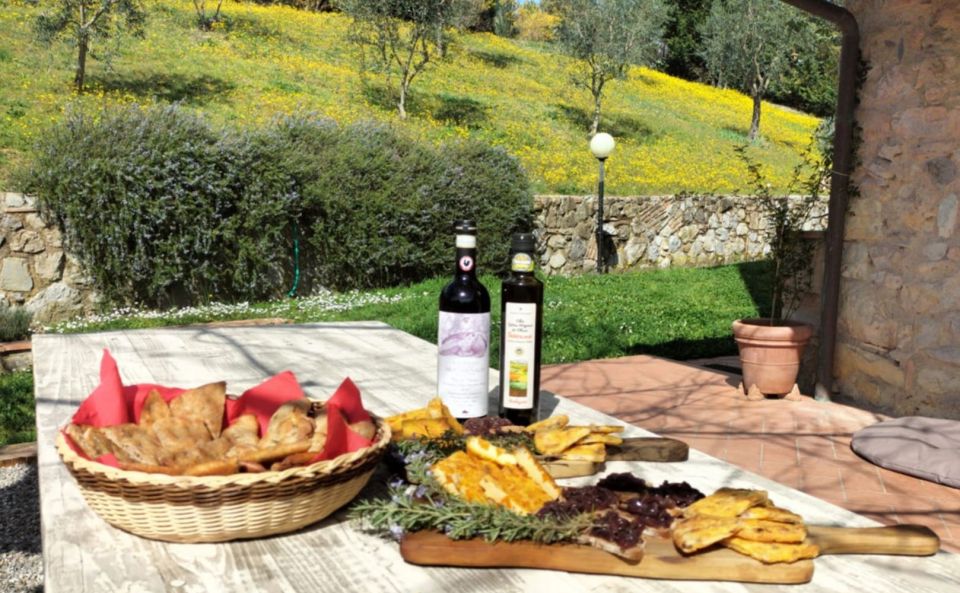
- The antipasti warm-up: pappa al pomodoro and fettunta
- Dessert time: Tuscan sweets from family recipes
- Chianti wine from the family vineyard: how it fits the meal
- Small group energy: up to 8, lots of hands-on time
- Language realities: English/Italian help, plus Google Translate moments
- Price and value: why $130 can be fair, even in Tuscany
- Who should book this Chianti pasta class
- How to get the most out of the day
- Should you book this Chianti: Homemade Pasta Making Class and Lunch?
- FAQ
- How long is the Chianti pasta making class and lunch?
- How many people are in the group?
- Where do we meet?
- What languages are spoken?
- Is lunch included?
- Is wine included?
- Will I get recipes or take-home items?
- What if I have an allergy or dietary restriction?
- Can I cancel and get a full refund?
Key things to know before you go
- Small group of up to 8 means lots of attention while you roll, cut, and shape pasta.
- Chianti wine from the family vineyard pairs naturally with the meal, not as an afterthought.
- Pappa al pomodoro and fettunta show up early, so you start tasting before you cook.
- Tuscan dessert-making is part of the same afternoon, not a separate add-on.
- English and Italian support helps mixed-language groups stay included, even with Google Translate in the mix.
- Take-home recipe and a gift make it feel like a true exchange of family know-how.
Why this Chianti pasta day feels personal
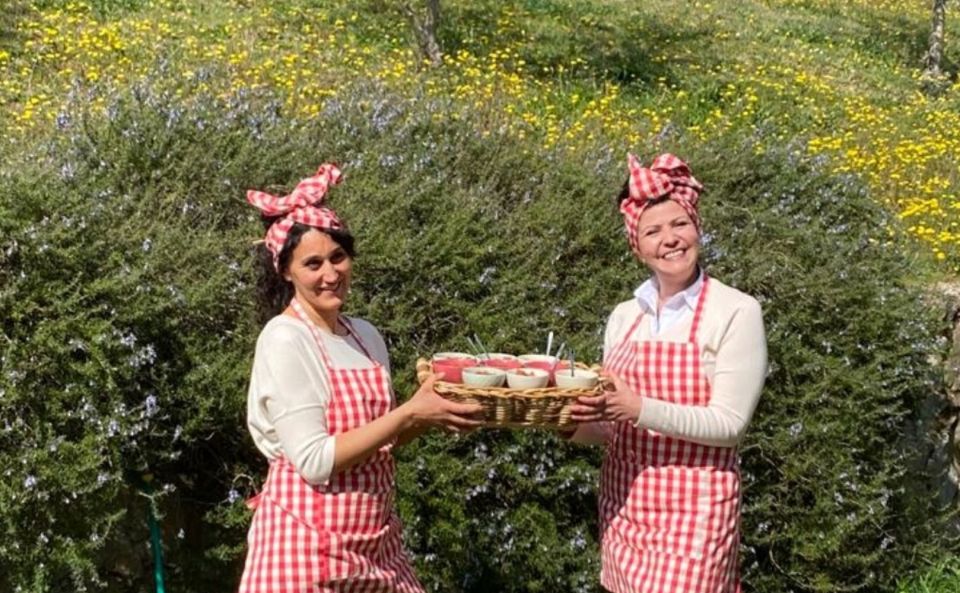
This is the kind of Tuscan food experience that works because it is human-sized. You are not being herded through stations. You are learning in a kitchen that feels lived in, with hosts who grew up in the region and cook the way families do when they are proud of what ends up on the table.
I especially like how the day is built around two real skills. First, you learn homemade pasta basics you can actually recreate later. Second, you learn how to make a Tuscan dessert using family recipes, so it is not just a savory class dressed up as a dinner.
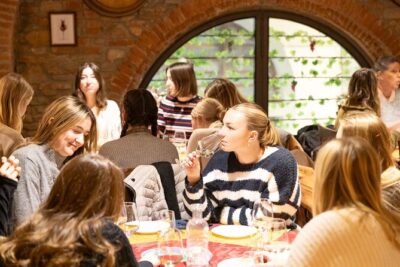
The setting also matters. The farmhouse garden vibe helps you slow down. You are eating outside under trees, with wine flowing, while the whole thing feels like a visit from people who care if you have fun.
You can also read our reviews of more tours and experiences in Greve In Chianti.
Meeting up at Via del Palagione: the one address detail that matters
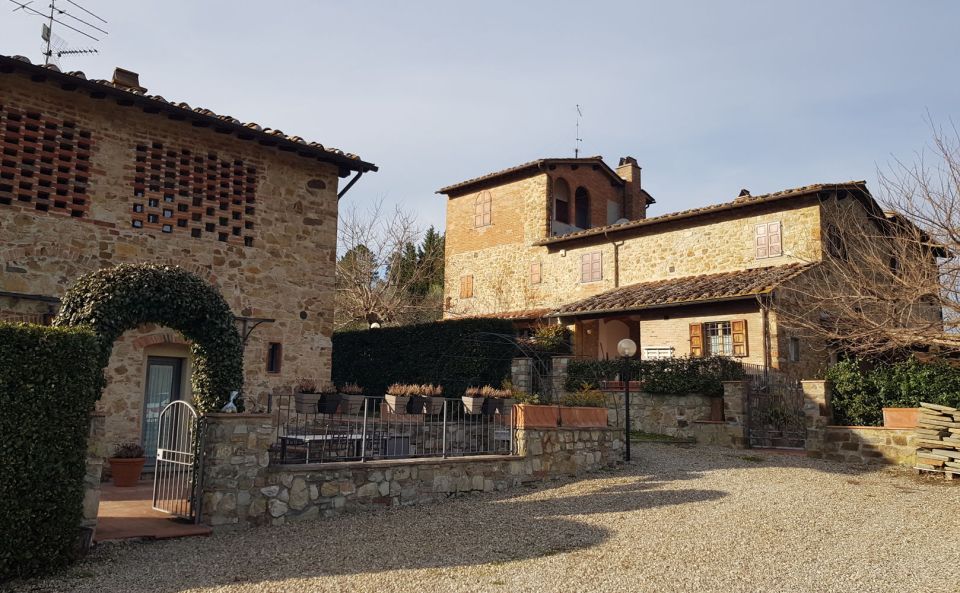
You meet at Via del Palagione, 53. Your full address should come in your confirmation voucher, so don’t rely on guessing the exact spot from memory or maps apps alone.
This matters because farmhouse-based experiences work differently than city walking tours. You are usually traveling from the meeting point to the home/farm setting, and timing is part of the flow. Arrive a few minutes early so you do not feel rushed when the group starts moving.
If you are using public transport or a taxi, plan for a little extra buffer. Tuscany travel can be straightforward, but country logistics always add time.
Inside the Tuscan kitchen: homemade pasta, taught in plain steps
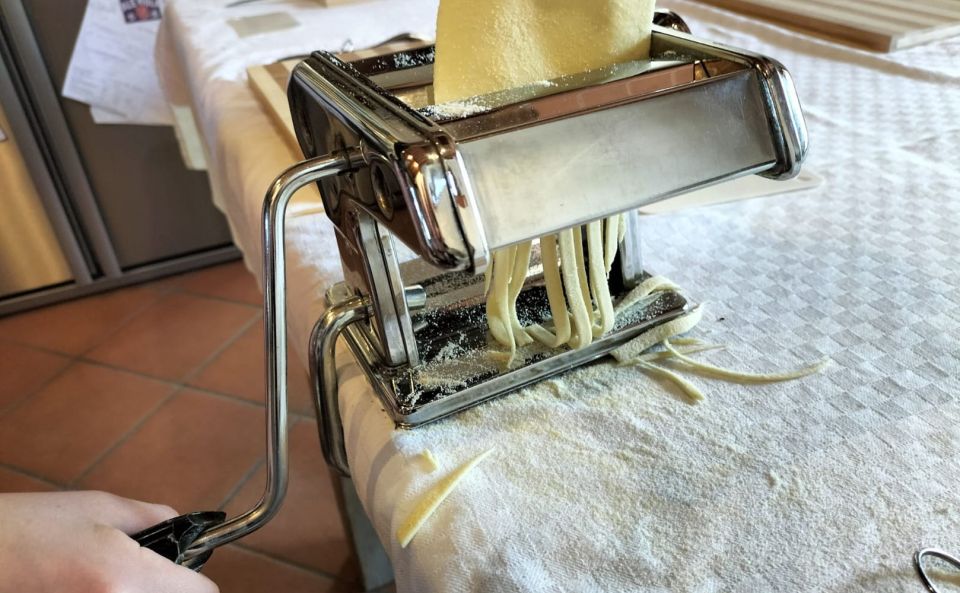
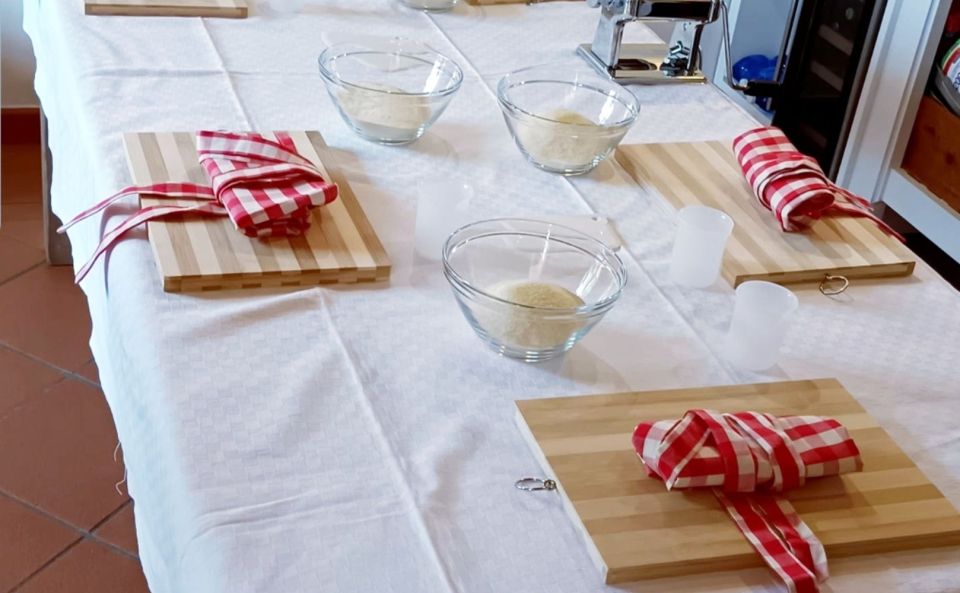
The core of the experience is learning homemade pasta and Tuscan dessert-making, hands-on, in a small group. You should expect an easy-to-follow class structure for all levels. That phrase matters here because pasta-making can intimidate you. The point is to make it doable, not to test you.
What you do in the pasta workshop tends to follow a practical arc:
- you start with the basics of dough (mixing, kneading, getting the right feel)
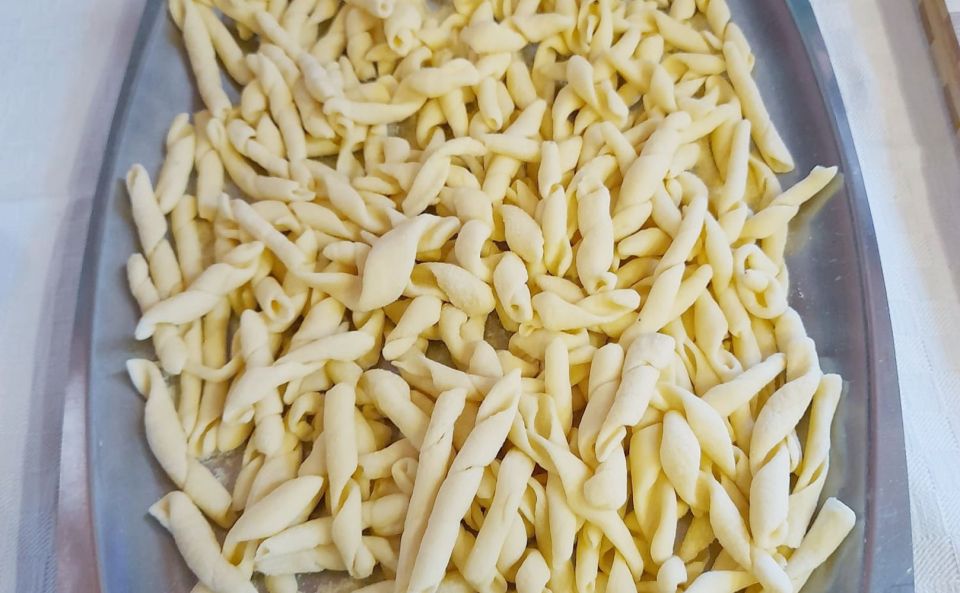
- then you learn shaping and cutting by hand
- then you pair your pasta with sauces prepared for the day’s lunch
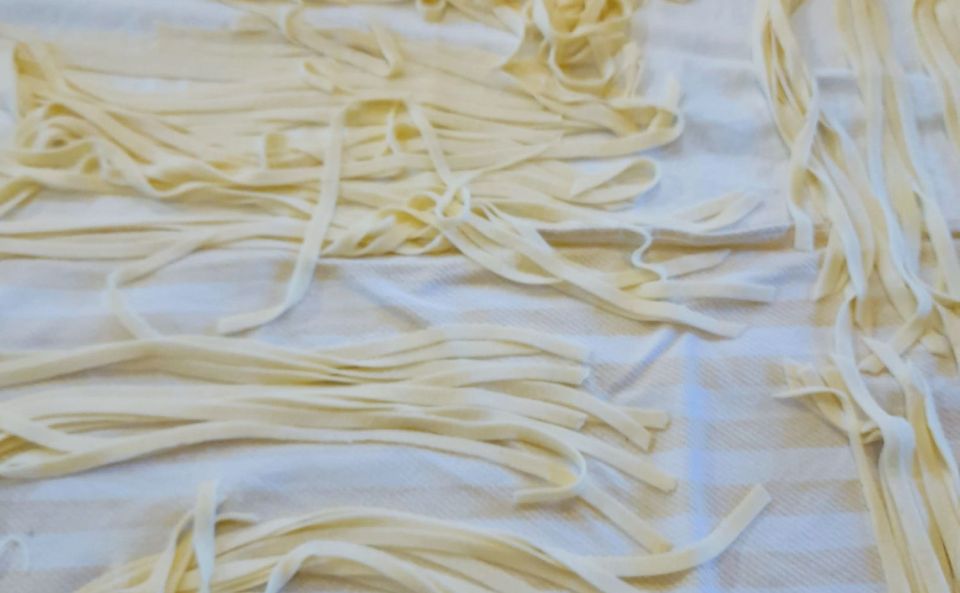
Many classes like this build up to making multiple pasta types. You may find yourself rolling and shaping enough to really understand the process instead of just doing one quick demo.
Also, pay attention to what your hands are telling you. Pasta dough is about texture. When Valentina or Anna explains how it should look and feel, they are not giving you theory. They are helping you adjust in real time.
And yes, you get to eat what you make. That is not a throwaway line. The meal is tied to your work in the kitchen, so you get the satisfaction of tasting your effort right away.
The sauce-and-lunch connection
A smart part of the experience is that the tasting is not separate from the cooking lesson. You get to see how the pasta and the sauces work together as a meal, which is the part most cooking classes skip.
If you want to replicate this later, that meal pairing is what will make it click. You are not just learning mechanics. You are learning how Tuscan cooking thinks.
The antipasti warm-up: pappa al pomodoro and fettunta
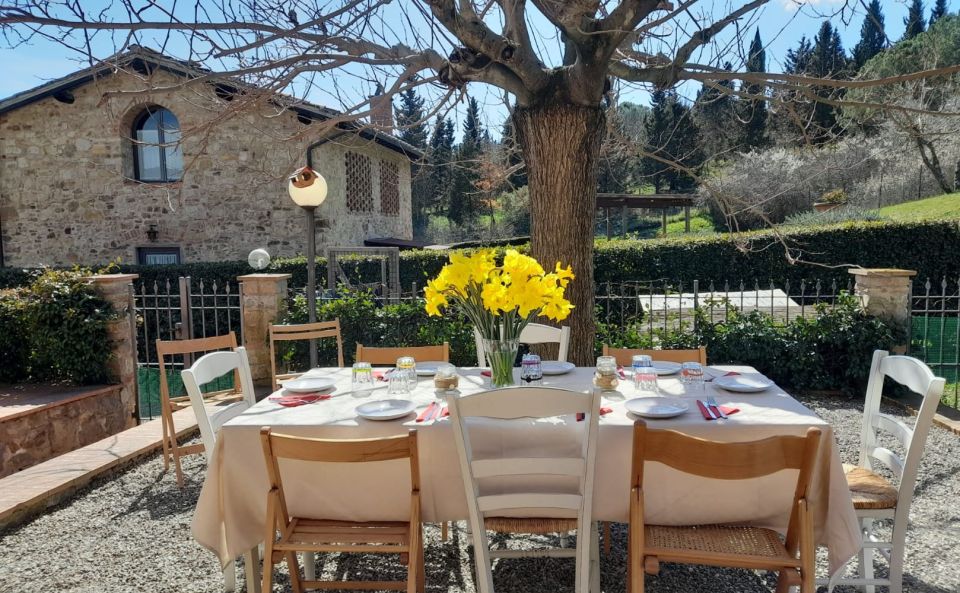
Before the pasta moment fully takes over, the day feeds you. Expect appetizers like pappa al pomodoro and fettunta. These are classic Tuscan flavors: simple ingredients, carefully treated, and built for sharing.
This matters for two reasons. One, it keeps energy up while you cook. Two, it sets the tone for how Tuscan meals work. They do not start with something complicated. They start with comfort.
Pappa al pomodoro is a tomato-and-bread dish that leans savory and homey. Fettunta is bread-based and garlic-forward, designed for grabbing with your hands and eating immediately. If you like food that feels practical and satisfying, these appetizers are the right opening act.
And because you are in a farmhouse setting, the timing feels natural. You are not racing from course to course. You are easing into lunch like you are joining a family schedule.
Dessert time: Tuscan sweets from family recipes
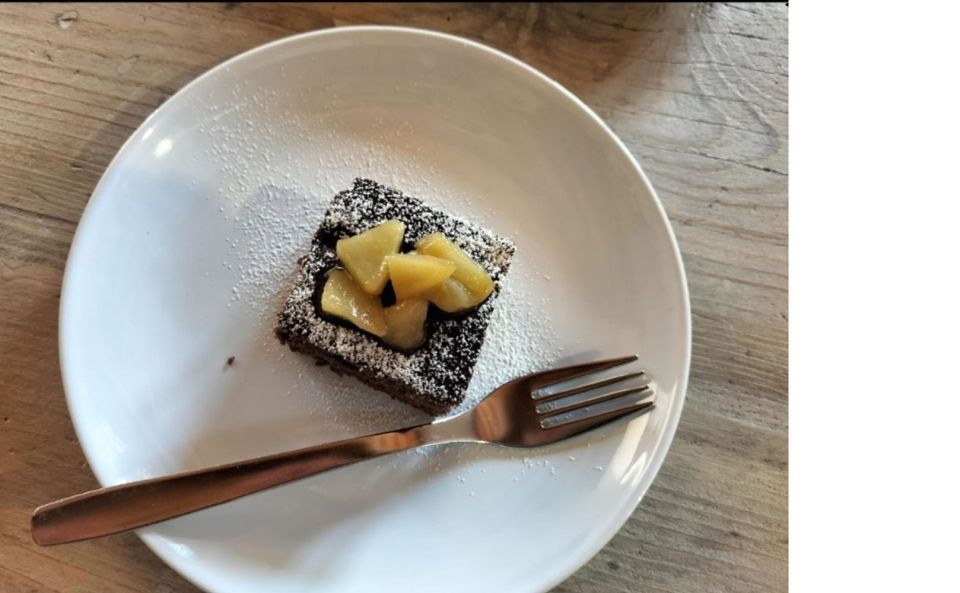
The experience also includes Tuscan dessert-making, taught alongside the pasta lesson. This is a big plus. So many cooking classes stop after pasta and call it a day. Here, dessert is part of the full afternoon.
What you learn is shaped by generational recipes. Your hosts share techniques and the reasoning behind them. That is how you end up with a dessert you can understand, not just copy.
And you will not leave empty-handed. At the end, you receive a gift connected to the dish you cooked. That small extra detail turns the day from a class into a keepsake.
If you like finishing your meals with something that tastes distinctly Tuscan rather than “generic Italian,” dessert is where the personality of the day shows up.
Chianti wine from the family vineyard: how it fits the meal
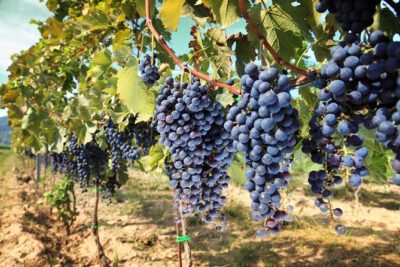
Wine is included, and it is sourced from the family vineyard. That is a key value marker. You are not just buying a bottle to be polite. You are drinking with the meal from the same world that produced it.
Expect the wine to be served alongside your lunch and the downtime in the garden. That pacing is part of why this feels like a real afternoon rather than a timed workshop.
Also, it is worth saying this clearly: do not plan on driving after. You are likely spending a good portion of the 4 hours eating, tasting, and relaxing outside.
Small group energy: up to 8, lots of hands-on time
This is limited to 8 participants. That number changes everything. It is the difference between feeling like you are watching from the sidelines and feeling like your hands matter.
In a small group, your questions get answered without you feeling like you interrupted the class. You also get a sense of who else is in the group, which can matter if you are with kids or traveling as a family.
This is why the experience is especially well-suited for:
- families who want an activity that feels memorable, not like a chore
- couples who want something more authentic than a restaurant meal
- groups of friends who prefer learning together over taking photos
Reviews also highlight how inclusive the hosts feel, even when English and Italian don’t line up perfectly.
Language realities: English/Italian help, plus Google Translate moments
The host or greeter works in English and Italian. That covers most needs. Still, don’t be surprised if you hear a bit of Google Translate being used to communicate with the group. Some sessions include it as part of the day’s entertainment, and it keeps everyone included.
If you are worried about language barriers, take comfort in this: cooking is visual. Pasta dough talks. Sauces talk. Even when words are messy, your hands and your plate make the meaning clear.
If you want to maximize enjoyment, go in with a relaxed mindset. Treat it like joining a family table, not attending a formal lecture.
Price and value: why $130 can be fair, even in Tuscany
At $130 per person for a 4-hour experience, the price lands in the “serious but worth it” zone. Here is why I think it can be good value.
You are getting:
- a hands-on homemade pasta class (plus dessert-making)
- a full lunch built around what you cook
- appetizers like pappa al pomodoro and fettunta
- Chianti wine from the family vineyard
- take-home recipes and a gift related to your dish
You also have a small-group limit, which often costs more because it requires more host attention. When a class is capped at 8, it usually means you are not paying for volume. You are paying for time and guidance.
So the money is not only going toward the meal. It is going toward instruction, hospitality, and the fact that you leave with skills, not just photos.
Who should book this Chianti pasta class
This experience is a strong fit if you want:
- a Tuscan day that is more than sightseeing
- a real cooking skill (homemade pasta) plus dessert know-how
- a family-style atmosphere where you feel included
- an afternoon activity that works for mixed ages and mixed food interests
If you are traveling with kids, this kind of hands-on cooking often becomes the highlight because everyone gets a role. If you are a solo traveler, it can still work because the group size is small and the day is structured around shared meals and teaching.
If you hate anything hands-on and you only want to watch, this may not be your best match. This is about doing.
How to get the most out of the day
A few practical tips will help you enjoy the class even more:
- Wear comfortable clothes you don’t mind getting a little dough dust on. Pasta-making is messy by nature.
- If you have any allergy or special diet needs, communicate it ahead of time. The experience specifically asks you to share food restrictions (allergy, special diet, and similar needs).
- Bring your best appetite. You will be eating multiple parts of the meal, not just one plate.
- If you do not speak Italian, don’t stress. English/Italian support is part of the design, and communication is handled in a way that keeps you included.
And one more thing: pace yourself with the wine. The day is longer than a quick tasting, and you want your energy for rolling and shaping.
Should you book this Chianti: Homemade Pasta Making Class and Lunch?
Book it if you want an afternoon in Tuscany that feels like a genuine family table, not a staged attraction. The best reason to choose it is the combination of small-group, hands-on cooking with a full lunch that actually connects to what you learned. Add in wine from the family vineyard and dessert from family recipes, and you get a day that is both tasty and practical.
Skip it if you prefer big, polished group tours or if you really dislike cooking activity. Also think twice if you want a strict, silent, no-translation environment. This experience leans warm and personal, with communication adapting as needed.
If you are deciding right now, my advice is simple: if homemade pasta and Tuscan desserts are on your wish list, this is one of the more direct ways to learn them while enjoying the setting that makes Tuscany feel like Tuscany.
FAQ
How long is the Chianti pasta making class and lunch?
The experience lasts 4 hours.
How many people are in the group?
It is a small group, limited to 8 participants.
Where do we meet?
You meet at Via del Palagione, 53. The full address is provided in your confirmation voucher.
What languages are spoken?
The host or greeter speaks English and Italian.
Is lunch included?
Yes. You’ll have a lunch that includes freshly prepared pasta plus appetizers and desserts.
Is wine included?
Yes. You’ll enjoy Chianti wine from the family vineyard during the lunch.
Will I get recipes or take-home items?
Yes. You receive traditional recipes and culinary skills, plus a gift at the end related to the dish you cooked.
What if I have an allergy or dietary restriction?
You need to communicate food restrictions (allergies, special diet, and similar needs) so the hosts can prepare accordingly.
Can I cancel and get a full refund?
Yes. You can cancel up to 24 hours in advance for a full refund.