REVIEW · FLORENCE
Bike Tour of Florence in Small Group
Book on Viator →Operated by My Green Tour · Bookable on Viator
Two wheels beat Florence traffic.
This small-group ride is a fast, practical way to get your bearings in a city stuffed with masterpieces, hitting major squares and church fronts without the stop-and-start chaos of walking. Two big wins for me are the luggage deposit (so you can tour without hauling bags) and the fact that you move through the center quickly enough to feel like you actually saw the city in a short time. The one drawback to plan around: if the weather turns rainy, it becomes a walking tour for security reasons.
You’ll start at Via de’ Martelli 33R and loop back to the same place, with a guide who keeps the pace moving and the stops meaningful. The route is built around Florence’s most recognizable anchors—Duomo Square, Signoria Square, Ponte Vecchio, Santa Croce, and beyond—so even if you’re only in town for a day, you’re not wasting it stuck in lines or circling for directions.
This tour runs about two hours, and the group max is 15 riders, which matters in Florence. Streets can feel tight, and smaller groups make it easier for the guide to keep everyone together, especially when you’re rolling past crowds and along busy crossings.
In This Review
- Key highlights you’ll feel right away
- Why this 2-hour Florence bike loop makes sense
- Getting to Via de’ Martelli and what to have ready
- Small-group riding (15 max) and why it’s not just a number
- Luggage deposit: the quiet convenience that changes everything
- Bikes, e-assist, and the safety routine that pays off
- Stop-by-stop: Duomo Square to San Lorenzo
- Signoria Square and Republic Square: the civic core at bike speed
- Ponte Vecchio crossing: where the views work and the crowds don’t win
- Borgo Ogni Santi to Santa Croce: Florence’s art and faith overlap
- Palazzo Pitti and Santo Spirito: the Oltrarno-side texture
- The viewpoint climb: expect hills and skyline moments
- Rain, weather, and what changes if the day gets soggy
- Price and value: what you’re really paying for at $43.37
- Who this tour fits best (and who might want a different plan)
- The guide experience: what makes it good when it goes right
- Should you book this Florence bike tour?
- FAQ
- How long is the Florence bike tour?
- Where does the tour start?
- What language is the tour offered in?
- What is the group size?
- What happens if it rains?
- Is there luggage storage included?
Key highlights you’ll feel right away
- Luggage deposit included so your bike time is hands-free
- Max 15 riders for an easier, more responsive ride through crowds
- Duomo Square, Signoria, Ponte Vecchio, Santa Croce in one tight loop
- Oltrarno-side stops (like Palazzo Pitti and Santo Spirito) for better variety
- Rain changes the format into a walking tour for safety
- English-speaking guide with a history-and-art focus as you ride
Why this 2-hour Florence bike loop makes sense
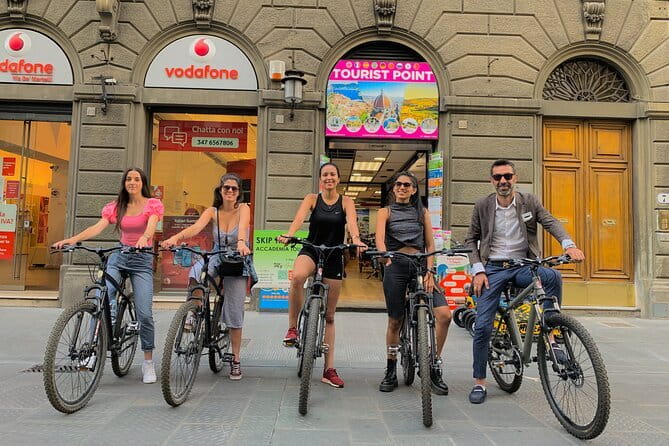
Florence is one of those cities where you can walk yourself into blur. After a few hours, it all turns into the same stone, the same domes, the same crowds. A bike tour helps because it compresses the “big hits” into a short window while still letting you look, not just speed by.
At around two hours, this tour is long enough to cover the center and cross the Arno, but short enough that you’re not wrecked for dinner. You also get a real sense of layout: where the major squares sit in relation to each other, how Ponte Vecchio connects neighborhoods, and where the artisan-and-residence feel of the Oltrarno side starts to show up.
The best part is that you’re not choosing between “sights” and “getting around.” You can do both. If you arrive with jet lag, or you’re short on time, this format is a smart first-day move.
You can also read our reviews of more cycling tours in Florence

Getting to Via de’ Martelli and what to have ready
Your meetup point is Via de’ Martelli 33R, 50129 Firenze FI, Italy, and the tour ends back at the same place. That matters because Florence loves narrow one-way streets. Starting and ending in the same spot keeps the “now what” stress low.
You’ll also have a mobile ticket, and the tour is marked as being near public transportation. So if you’re staying just outside the core, you can still plan a simple commute without a complicated transfer.
Bring your ticket on your phone (offline mode can be useful), and show up a few minutes early. One recurring theme in bike tours is that small start-of-tour confusion can happen when the group is sorting bikes or syncing up. Early arrival gives you breathing room to get set before you’re tempted to rush.
Small-group riding (15 max) and why it’s not just a number
Florence is busy, and bike lanes don’t work like they do at home. With a group capped at 15, you’re less likely to get stuck waiting for the slowest rider, and it’s easier for the guide to keep everyone oriented at intersections.
In a bigger group, the ride can feel like herding cats with handlebars. In a small group, you tend to get more individualized help when someone needs a quick adjustment. You’ll also have better odds of hearing the guide’s explanations at your stop without everyone tuning out.
This small limit also helps with the “photo reality.” If you want a clear look at the Duomo dome angle or a steady view of Ponte Vecchio, you need a moment where you’re not miles from the guide. Smaller groups make those moments more usable.
Luggage deposit: the quiet convenience that changes everything
One of the practical reasons I like this tour is the luggage deposit is included. That’s huge if you’re bouncing between hotels, taking a train later the same day, or you’re just tired of dragging bags through crowded stairways.
Instead of stuffing your daypack full of water, sunscreen, and snacks, you can keep things lean. You also reduce the “I have nowhere to put this” problem at stops where you’d rather move than hunt for a place to stash your stuff.
If you’re traveling with a bigger suitcase, use the luggage deposit on purpose. Go light on the bike, then store what you need and keep your attention on the street and the sights.
Bikes, e-assist, and the safety routine that pays off
This is a bike tour through central Florence, so you’ll want to treat it like an active city ride, not a leisurely cruise. The tour is designed so most people can participate, but bike comfort still matters.
Some departures may include different bike types, including e-assist options. That’s great if your legs want help on climbs, but it also means you should confirm what you’re getting before you roll. If you’ve requested an e-bike or have specific needs, don’t assume it’s automatic—check right away.
Quick practical steps that make the ride smoother:
- Do a brake test and a short roll before leaving the meetup area
- Ask the guide how the assist works (if you have e-assist)
- Take a moment to adjust seat height if anything feels off
Helmets aren’t presented as mandatory in the way they are for some tour styles, so you’ll likely ride without them. Still, you should bring your own common sense: keep both hands ready, leave extra space at corners, and never assume the crowd will move the way you expect.
Also, one note from experience reports: audio can be hit or miss if your bike has sound support or if the guide’s system isn’t clear. If you rely on spoken commentary, position yourself where you can hear best when the guide stops.
- The Best tour in Florence: Renaissance & Medici Tales – guided by a STORYTELLER
★ 5.0 · 12,316 reviews

Stop-by-stop: Duomo Square to San Lorenzo
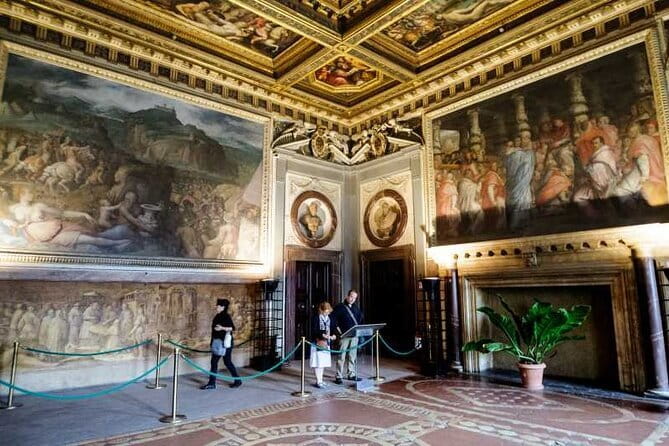
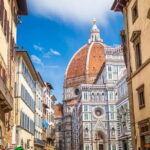
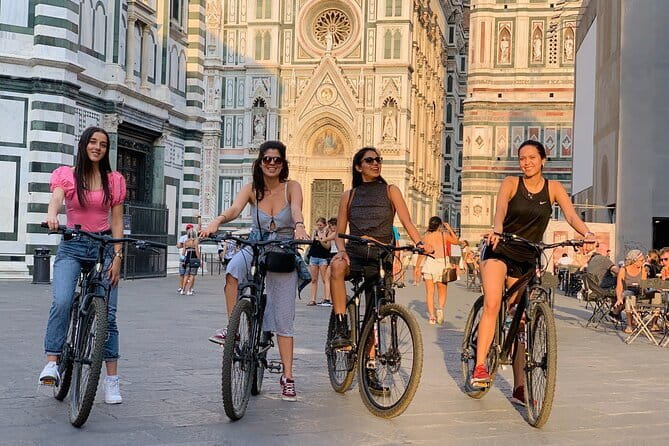
Your first major anchor is Duomo Square, where the famous cathedral complex dominates the space. Even if you don’t go inside on this tour, seeing it from street level gives you scale fast. It’s also a good point for the guide to set context—why these buildings matter, and how the city’s power worked through art, religion, and politics.
From there, you roll toward San Lorenzo, another classic Florence “center-of-life” area. This part of the route is useful because it shows you the quieter logic behind the city’s layout: streets funnel you between key sites, and the blocks feel different depending on whether you’re moving toward commercial bustle or residential calm.
What I like about starting with these stops is pacing. You’re not thrown into hills immediately. You get warmed up, learn the rhythm of the ride, and build a map in your head.
Signoria Square and Republic Square: the civic core at bike speed
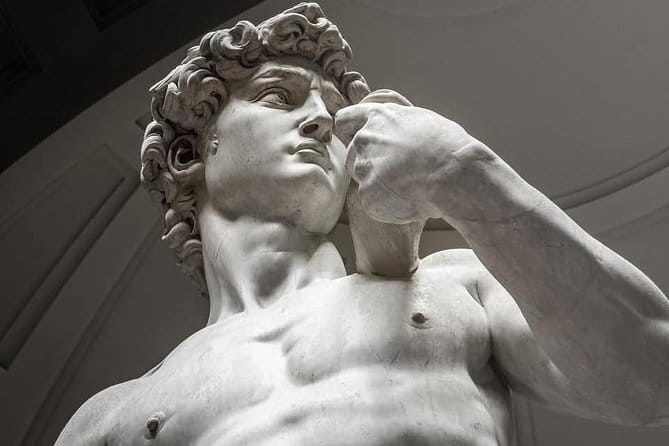
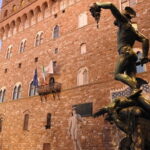
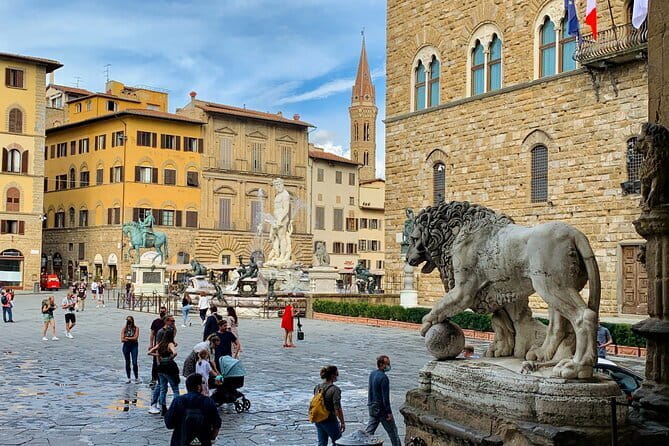
Next up is Signoria Square, which is basically Florence’s outdoor stage for civic pride and art. Even from a bike, you can see why this area became a magnet for political power. The square reads like a museum courtyard: you get the sense that famous names and ideas are built into the streets.
Then you continue through to Republic Square, another major open area that helps you understand how Florence’s major neighborhoods connect. This sweep is valuable because it turns Florence into something navigable. After this ride, you’ll recognize where you are when you’re walking later.
A small caution: squares are crowded, and bike riding here can feel like you’re threading a needle. The guide’s job is to keep the group coordinated. If you’re a bit nervous at the start, say so early. Better that than forcing it while the pace picks up.
Ponte Vecchio crossing: where the views work and the crowds don’t win
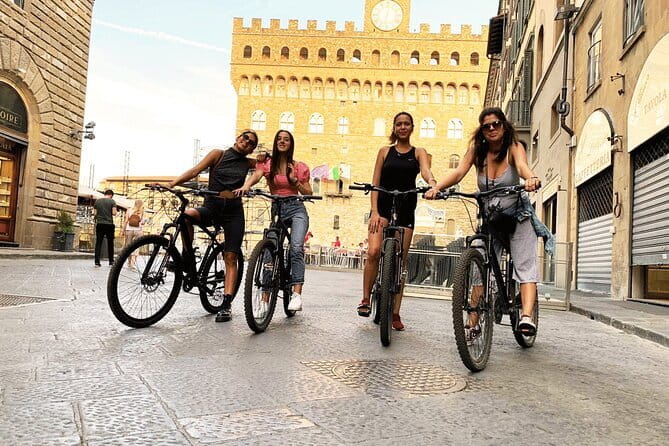
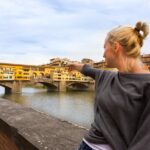
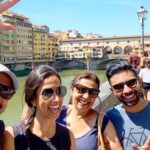
You’ll ride past Ponte Vecchio, the postcard bridge that also happens to be one of the most chaotic places to stop on your own. On a tour, you don’t have to figure out the best angle by trial and error. The guide times movement so you can get the visual payoff without losing the group.
Ponte Vecchio is also the dividing line between “this is the historic center” and “now you’re entering a different feel of Florence.” When you cross the Arno, you’ll notice the tone shift: shops, streetscape, and overall vibe start to change.
If you care about photos, aim for short, focused stops. Try to grab your best bridge angle without lingering like it’s a movie set. You’ll enjoy the ride more, and the group will stay smoother.
Borgo Ogni Santi to Santa Croce: Florence’s art and faith overlap
After crossing, the route continues toward Borgo Ogni Santi, a corridor that helps you feel how Florence’s “major sights” aren’t all bunched together. This stretch is good for connecting the dots between what you’ve seen and what’s next.
Then you reach Santa Croce, a site that reads as both spiritual and cultural. Even if you’re not stepping inside, the square-and-church presence shows you why this part of town is tied to famous Florentines and centuries of public life.
This segment is where the tour starts to feel less like checkboxes. You’re not just cycling past famous landmarks—you’re tracing how Florence’s identity flows from one place to another.
Palazzo Pitti and Santo Spirito: the Oltrarno-side texture
Later you’ll pass Palazzo Pitti, a big name that signals power and residence. Bike tours are great here because you can see how the palazzo’s presence shapes the streets around it. You don’t just get a building—you get the neighborhood feeling around it.
You’ll also end this big sweep with Santo Spirito church. This is the kind of stop that often becomes a favorite because it can feel less frantic than the flashier headline sites. It gives you a different emotional picture of Florence, one where daily life sits closer to art than you’d expect.
If you’re planning your next day of walking, these Oltrarno-area sights are smart anchors. They help you pick routes that go beyond the most obvious center loop.
The viewpoint climb: expect hills and skyline moments
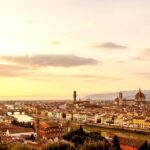
Even though the tour’s listed stops center on landmark squares and churches, the ride includes enough movement to get you up and out in parts of town. In experience reports, riders specifically mention the skyline view from the Michelangelo area, which makes sense for a route that pushes toward higher ground.
If you want that sweeping “you are here” perspective, this tour is a good way to get it without dedicating a whole afternoon to climbing. Just come ready for some effort, even if you have e-assist.
A practical tip: wear shoes you can pedal in comfortably. Florence streets can be slick in spots, and you don’t want your feet feeling stressed when the ride tilts upward.
Rain, weather, and what changes if the day gets soggy
This tour needs good weather. If weather is poor, you may be offered another date or a full refund.
If it rains during the tour window, the format changes: it becomes a walking tour for security reasons. That’s not a small shift. You’re going from a controlled bike route to street walking with a group, so plan your day with a flexible mindset—especially if you’re traveling with limited time.
When you book, think about what you’d rather have on your schedule: a bike experience on clear streets, or a walking alternative. If you’re flexible, you’ll likely still enjoy the day.
Price and value: what you’re really paying for at $43.37
At about $43.37 per person for roughly two hours, the price is less about “cheap entertainment” and more about convenience and coverage.
Here’s what you’re getting that often costs more (or takes more time) when you travel on your own:
- A tight loop of major sights that would take longer to stitch together
- A guide who connects what you see with context as you ride
- Luggage deposit included, which is rare and genuinely useful
- Admission is marked as free, so you’re not scrambling for add-on ticket planning
- A 15-person cap, which tends to improve the quality of the experience
If your day in Florence is packed, the value is in time saved. You’re not trying to map the city while also trying to enjoy it.
If you have the time to wander slowly and don’t care about efficiency, you might feel the urge to DIY. But for short stays, this price can be a smart trade.
Who this tour fits best (and who might want a different plan)
This is a strong fit if:
- You want a fast, organized introduction to Florence
- You’re staying only a day or two and need to see the core efficiently
- You have a bag issue (luggage deposit helps a lot)
- You like learning history and art while moving through real neighborhoods
It may not be the best fit if:
- You want a slow, unhurried museum-style experience
- Your mobility is limited and you’re worried about bike starts/stops and city turns
- You’re very sensitive to audio quality and stop-and-go commentary
Most people can participate, but bike touring still asks for basic comfort with city riding. If you’re unsure, choose the calmest option you have: go with shoes that fit, bring water, and keep your expectations aligned with a lively two-hour loop.
The guide experience: what makes it good when it goes right
The ride stands or falls on the guide’s ability to keep the group moving and make stops feel connected. When it’s going well, you get clear explanations, enthusiasm, and a sense of story—why a square or church matters, and how it shaped the city.
In particular, Dimitri is named as a standout guide in experience reports, with praise for strong storytelling and the payoff of the scenic viewpoints. That’s the kind of guide who turns a “look at the building” moment into a “now I get why this place mattered” moment.
On the other hand, there are occasional mentions of start-of-tour confusion around bike types and that the audio system can be hard to hear clearly. The best way to guard against that is simple: show up early, confirm your bike type, and position yourself close to the guide during key stops.
Should you book this Florence bike tour?
If you want a practical first taste of Florence—Duomo Square to Ponte Vecchio to Santa Croce and the Oltrarno side—in one tidy two-hour format, I think you should seriously consider booking it. The small group cap and the luggage deposit make it feel built for real travel days, not just sightseeing.
Book it especially if you’re short on time and want to leave Florence with a mental map you can actually use the next day. If you’re picky about hearing commentary or you have strong feelings about e-assist, arrive early, check your bike, and ask questions before you start.
If you already plan to spend hours in museums and you prefer slow wandering, you might be happier walking. But for most people trying to get the most out of a compact schedule, this is a smart, cost-effective way to see the city like you’re moving with it—not just around it.
FAQ
How long is the Florence bike tour?
It runs for about 2 hours.
Where does the tour start?
The meeting point is Via de’ Martelli, 33R, 50129 Firenze FI, Italy and the tour ends back at the meeting point.
What language is the tour offered in?
The tour is offered in English.
What is the group size?
This experience has a maximum of 15 travelers.
What happens if it rains?
If it rains, the tour becomes a walking tour for security reasons.
Is there luggage storage included?
Yes, luggage deposits are included.
You Might Also Enjoy


More Cycling Tours in Florence
More Tours in Florence
- The Best tour in Florence: Renaissance & Medici Tales – guided by a STORYTELLER
★ 5.0 · 12,316 reviews

More Tour Reviews in Florence
- Tuscany Day Trip from Florence: Siena, San Gimignano, Pisa and Lunch at a Winery
★ 5.0 · 21,634 reviews - The Best tour in Florence: Renaissance & Medici Tales – guided by a STORYTELLER
★ 5.0 · 12,316 reviews