REVIEW · FLORENCE
Pasta Cooking Experience in Florence
Book on Viator →Operated by Hidden Experiences · Bookable on Viator
Fresh pasta feels like Florence in a bowl. In the city center, you’ll learn hands-on Italian cooking with wine and water included and a small group size that keeps things from turning into a factory line.
The best part for me is leaving with the skills to repeat it at home: you make three hand-made pastas (like tagliatelle and gnocchi) plus a sweet dessert, and you eat what you cook as part of the experience. One thing to consider: the vibe can feel a little quiet or sterile, and in some cases there may be construction right outside the storefront—so if you’re chasing big, theatrical energy, temper expectations.
In This Review
- Key highlights you’ll actually feel during the class
- A pasta class in Florence that works for real schedules
- Via Camillo Cavour meeting point: the start matters
- Inside the workshop: how the class teaches pasta you can repeat
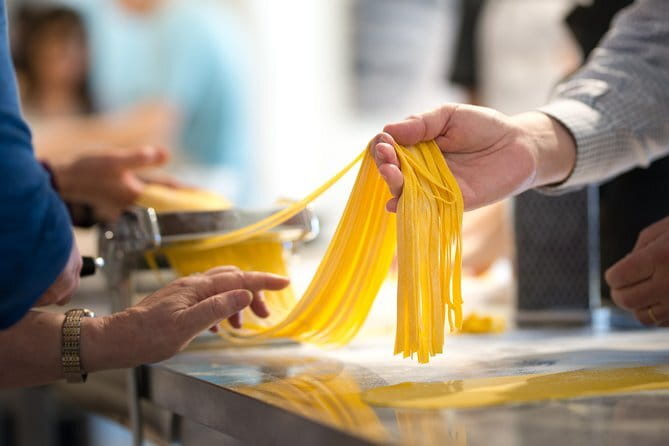
- The tagliatelle and ragù portion
- The gnocchi portion
- Mixing stations, multiple tables, and your working rhythm
- Dessert, communal tasting, and the wine-water payoff
- Vegetarian option: how you’ll handle the change without missing the point
- Your instructors, group energy, and what to watch for
- Price and value: what $86.50 really buys you
- Who should book this pasta cooking experience (and who might not)
- Should you book? My decision rule
- FAQ
- Where is the pasta cooking class meeting point?
- How long is the experience?
- Is the class offered in English?
- Is there a vegetarian option?
- What’s included in the class besides cooking?
- What is the cancellation policy?
Key highlights you’ll actually feel during the class
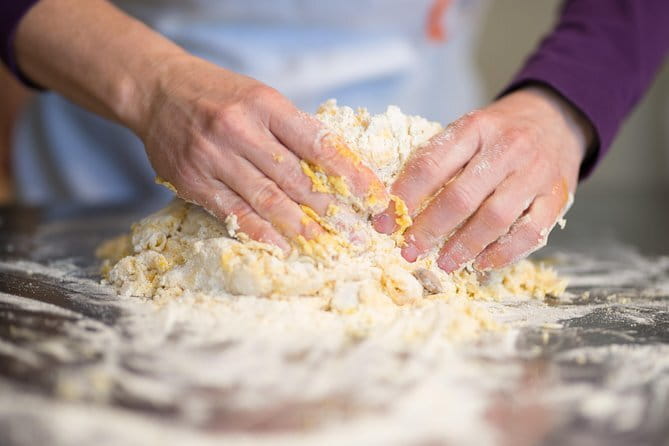
- Three pastas and a sweet dessert: the menu commonly includes tagliatelle with ragù, gnocchi, and a sweet finish.
- Wine and water are part of the meal: you taste your work with included drinks.
- Hands-on at a working pace: you shape dough and build sauces while chefs guide the flow.
- Vegetarian option available: you can swap to a meat-free ragù style.
- Recipe handout at the end: you walk away with instructions so the pasta isn’t a one-time souvenir.
- English-led, small groups (max 20): easier questions, less waiting around.
A pasta class in Florence that works for real schedules
This is the kind of activity that fits nicely between sightseeing days. It’s about 3 hours, it’s in the Florentine city center, and it ends where you started—so you don’t need to re-plan the rest of your day around it.
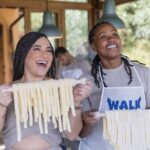
You’re also buying more than “watch someone cook.” You do the work. You’ll mix and shape dough, deal with sauces, and then sit down for the payoff: tasting what you made. That is the value driver here, and it’s why people keep rating it so highly.
You can also read our reviews of more cooking classes in Florence
Via Camillo Cavour meeting point: the start matters
You meet at Via Camillo Cavour, 180 (50121 Firenze FI), and the tour ends back at the same place. That location choice helps in two ways. First, you’re already in a central neighborhood, so getting there is usually straightforward. Second, returning is easy, which makes the experience feel like a self-contained block of time.
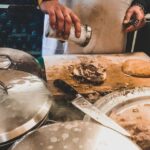
The class setup is a working kitchen environment. One review notes the prep space isn’t huge, which can mean it gets loud when everyone is following instructions at once. If you’re sensitive to noise, it helps to keep your expectations realistic: you’ll be listening and concentrating while multiple tables work in parallel.
There’s also a practical heads-up from past guests: some have mentioned construction visible outside the storefront. It doesn’t change the cooking, but it can affect the “picture-perfect” first moment. Arriving a little early lets you reset your mood before you start.
Inside the workshop: how the class teaches pasta you can repeat
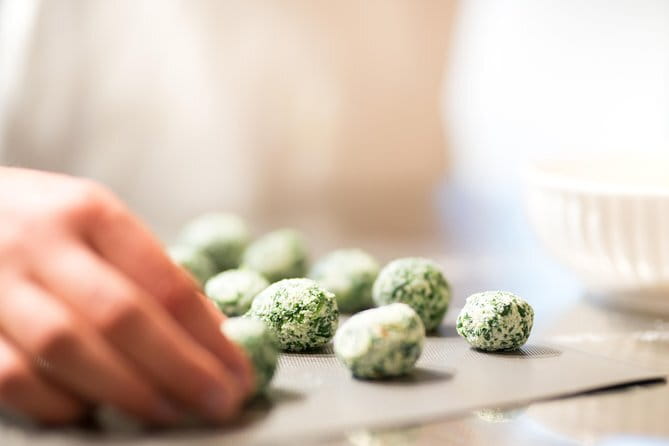
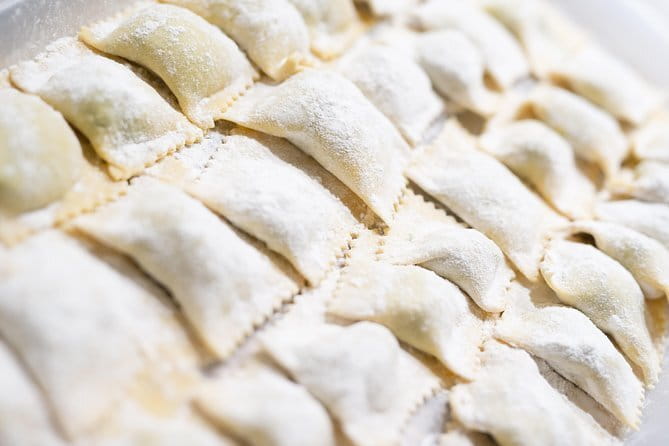
The class centers on making multiple traditional Italian pastas—three hand-made pastas plus a dessert. The sample menu gives you a clear idea of what you’ll likely see: tagliatelle with meat or vegetable ragù, gnocchi, and a sweet dessert.
That combination is a smart learning path. Tagliatelle teaches you how dough stretches and lays out. Gnocchi teaches a different feel entirely—more texture and shaping, less “ribbon pasta.” And the sauces matter because they show how pasta gets dressed the Italian way, not just boiled and served.
Chef-led instruction keeps the pacing moving. One thing I like about classes in this format is that you’re not left alone to figure out everything. You’re guided through steps, and chefs handle the parts that could easily turn into frustration—while still giving you real hands-on time.
The tagliatelle and ragù portion
Tagliatelle with ragù is the classic comfort move. You’ll prepare it with either a meat ragù or a vegetable version. The vegetarian option is specifically mentioned, so it’s not an awkward substitute you need to request at the last second.
What makes this practical is that ragù teaches the “build” mindset: you’re not just seasoning once. You’re creating a sauce you can taste and adjust within the flow of the class. It’s also a great way to learn that Italian cooking often means time and development, even when you’re in a 3-hour workshop.
The gnocchi portion
Gnocchi is where most people learn the biggest mindset shift. These aren’t just dumplings. They’re texture and handling. You’ll be taught how to work the dough and shape the pieces so they turn out right when cooked.
If you’re a beginner, gnocchi can be intimidating. But that’s also why it’s a high-value inclusion. Once you see the “how” in a guided setting, you’re less likely to guess wrong later at home.
- The Best tour in Florence: Renaissance & Medici Tales – guided by a STORYTELLER
★ 5.0 · 12,316 reviews
Mixing stations, multiple tables, and your working rhythm
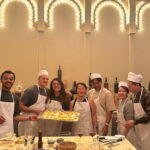
Group size is capped at 20, and reviews mention the group is often split across tables. That usually means you’ll be working with whoever you’re grouped with rather than getting a guaranteed partner setup like a private class would.
In a group format, the trick is learning the pace. Some steps happen fast or overlap. One guest noted it can feel confusing to remember everything later, but the recipe handout helps you reconstruct it at home. If you like to take notes while you cook, bring a pen and be ready to write small, quick reminders.
Dessert, communal tasting, and the wine-water payoff
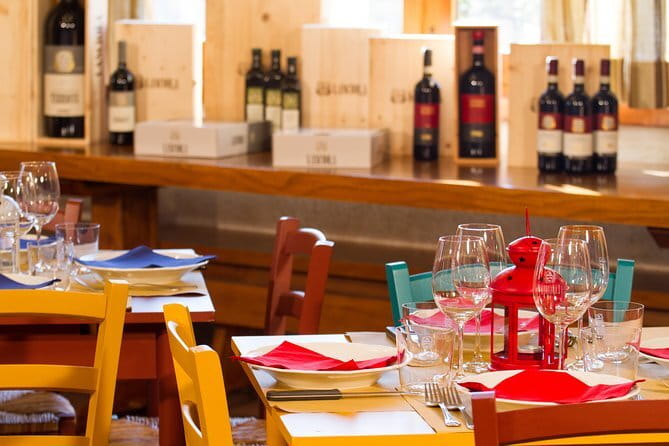
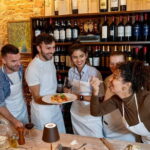
After you’ve made your pastas, the experience moves into the tasting phase. You’ll sit down to eat what you cooked, and water and wine are included.
That part is more than a nice bonus. It’s where you test your understanding. When you taste the dish, you learn what the sauce is supposed to do, and how the pasta texture should feel with it. Cooking classes that skip the tasting moment can leave you with recipes that don’t quite match the real result. Here, you get the real feedback loop.
The dessert is part of the core package too. The sample menu just says a sweet dessert, but past guests have mentioned options like panna cotta. Either way, you should expect a finish that’s familiar and not too heavy, designed to close out the meal you built.
Vegetarian option: how you’ll handle the change without missing the point
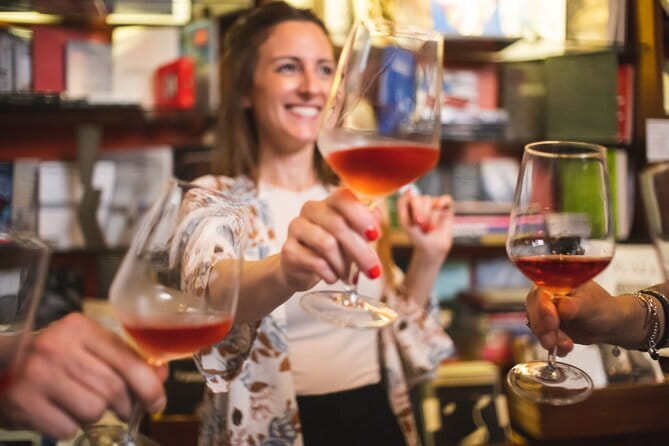
This class includes a vegetarian option, so you don’t need to worry about being stuck with a sad “side dish” version of the meal. In the sample menu, the tagliatelle comes with meat or vegetable ragù, which makes the swap feel structurally built-in.
The best strategy for you is to go into the class thinking about flavor balance. Ragù without meat still needs depth. During the workshop, you’ll likely build that depth using vegetable ingredients and proper sauce technique. The goal isn’t to make a vegetarian pasta that imitates meat. It’s to make a vegetarian sauce that stands on its own.
If you’re traveling with mixed preferences, this is also a good sign for group harmony. Everyone at the table should be eating the same pasta experience style, just with the appropriate sauce.
Your instructors, group energy, and what to watch for
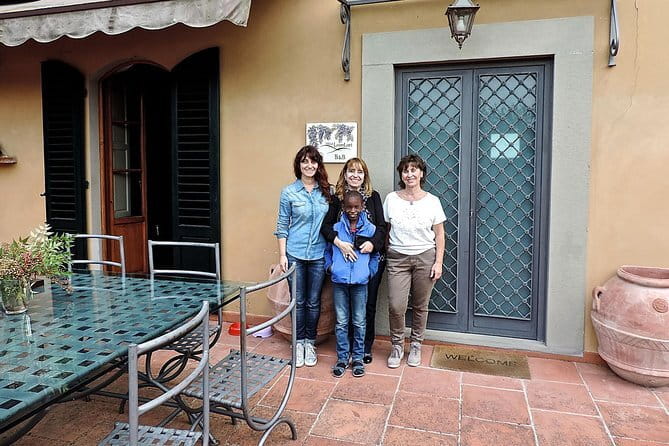
You may meet different instructors across dates. Reviews mention names like Katarina, Francesco, and Greta, and the consistent theme is that chefs work hard to keep everyone moving and involved.
Most reviews highlight patience and helpful guidance, especially for people who are new to pasta. That matters because pasta-making is tactile. You can’t just read it. You need someone to correct your hand movements or timing before you’ve made the dough situation too complicated.
That said, there is one balanced concern: a few comments suggest the tone can feel quieter or less “warm” than some travelers hoped. One guest also said the cooking and eating spaces felt a bit sterile. If you’re looking for a lively, personality-heavy show, you might find this more straightforward and professional than playful.
Price and value: what $86.50 really buys you
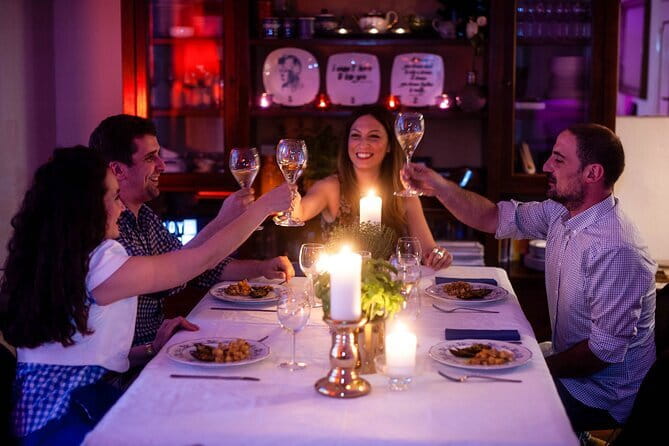
At $86.50 per person for about 3 hours, the price looks reasonable once you translate it into what’s included.
You get:
- Hands-on instruction for multiple pastas
- Water and wine with your meal
- A food tasting of what you cooked
- A recipe handout at the end
- Delivery in English
- A group capped at 20
Many cooking experiences that look cheap at first end up being expensive once you add drinks, meal value, or the cost of ingredients you’d otherwise buy yourself. Here, you’re paying for the coaching, the setup, and the fact you don’t just taste someone else’s food—you learn by doing and then eat your results.
If you’re debating between this and a dinner-only class, the tasting angle is the differentiator. You’re buying repetition fuel: the recipes let you recreate it later, not just remember it for a week.
Who should book this pasta cooking experience (and who might not)
This fits best if you want:
- A hands-on Italian cooking class in Florence
- A small group experience in the city center
- Real skills you can use at home (not just a souvenir photo)
- A meal built into the event, with wine and water included
It also suits families. Several reviews mention families of different sizes having a good time, and the class format is clearly set up for mixed abilities.
You might consider a different option if:
- You expect a market walk and ingredient shopping as a formal stop. One review says the plan included an outdoor market ingredient step but it didn’t happen for their group. If a market is a must for your itinerary, don’t count on it.
- You’re very sensitive to noise. The working space can get loud since multiple tables move at once.
- You want maximum showmanship. The vibe can be more focused than party-like.
Should you book? My decision rule
Yes, book this if you want a satisfying Florence activity that ends with a meal you helped create. The combination of three pasta types, wine and water, and the chance to take home recipes is exactly the recipe for good value.
Book with a small expectation adjustment if you care about atmosphere more than technique. This isn’t all about big entertainment. It’s about learning practical pasta-making, eating the proof, and leaving with instructions you can actually follow again.
FAQ
Where is the pasta cooking class meeting point?
You’ll start at Via Camillo Cavour, 180, 50121 Firenze FI, Italy.
How long is the experience?
The class lasts about 3 hours.
Is the class offered in English?
Yes, the experience is offered in English.
Is there a vegetarian option?
Yes, there is a vegetarian option available.
What’s included in the class besides cooking?
You’ll have water and wine, and there is a food tasting at the end where you eat what you cooked.
What is the cancellation policy?
You can cancel for free up to 24 hours in advance for a full refund. Changes made less than 24 hours before the start time aren’t accepted, and the cutoff is based on local time. If the minimum number of travelers isn’t met and it’s canceled, you’ll be offered a different date or a full refund.
You Might Also Enjoy
More Cooking Classes in Florence
- Cooking Class and Lunch at a Tuscan Farmhouse with Local Market Tour from Florence
★ 5.0 · 4,831 reviews
More Tour Reviews in Florence
- Tuscany Day Trip from Florence: Siena, San Gimignano, Pisa and Lunch at a Winery
★ 5.0 · 21,634 reviews - The Best tour in Florence: Renaissance & Medici Tales – guided by a STORYTELLER
★ 5.0 · 12,316 reviews