REVIEW · CHIANTI HILLS
Florence: Tuscany Chianti Winery Private Day-Trip with Lunch
Book on GetYourGuide →Operated by SLOW TOUR TUSCANY · Bookable on GetYourGuide
Chianti tastes better when you ride there. This private-style day trip lets you see why the Chianti area has such a hold on wine people: a long, scenic drive on the ancient Cassia Vetus road and then a real Tuscan estate lunch with Chianti Classico wine tastings plus extra-virgin olive oil.
What I like most is that you’re not just sampling wine—you’re also getting the setting, the village texture, and the food rhythm that make Chianti feel like a place, not a checklist.
One thing to consider: it’s a 6-hour day with a fair amount of van time, plus walking in medieval streets. If you want a slower pace or minimal stepping around hill towns, keep that in mind.
In This Review
- Key Takeaways Before You Go
- From Piazza dei Cavalleggeri to Chianti: the Day Gets Real Fast
- Cassia Vetus: Panoramas Along an Ancient Roman Road
- Greve in Chianti: Village Walking, Coffee Tasting, and Verrazzano
- Montefioralle: Stone Streets, 12th-Century Stillness, and the Black Rooster
- The Estate Experience: Medieval Cellars and Oak-Barrel Aging
- Olive Oil Secrets: Learn What Makes Extra-Virgin Worth Paying For
- Lunch at the Villa Estate: Organic Ingredients and Real Pairing Sense
- Price and What You’re Paying For at About $248
- Who This Chianti Day Trip Suits Best
- Quick Booking Checklist: Make It Go Smoothly
- Should You Book This Florence to Chianti Private Day Trip?
- FAQ
- How long is the Florence to Chianti day trip?
- Where does the tour start in Florence?
- Do you provide hotel pickup and drop-off?
- What language is the guide?
- Is lunch included?
- What wine and food tastings are included?
- Will I visit both Greve in Chianti and Montefioralle?
- Is this tour private or small group?
- Are pets allowed?
- What should I do if I have dietary restrictions?
- Is free cancellation available?
Key Takeaways Before You Go
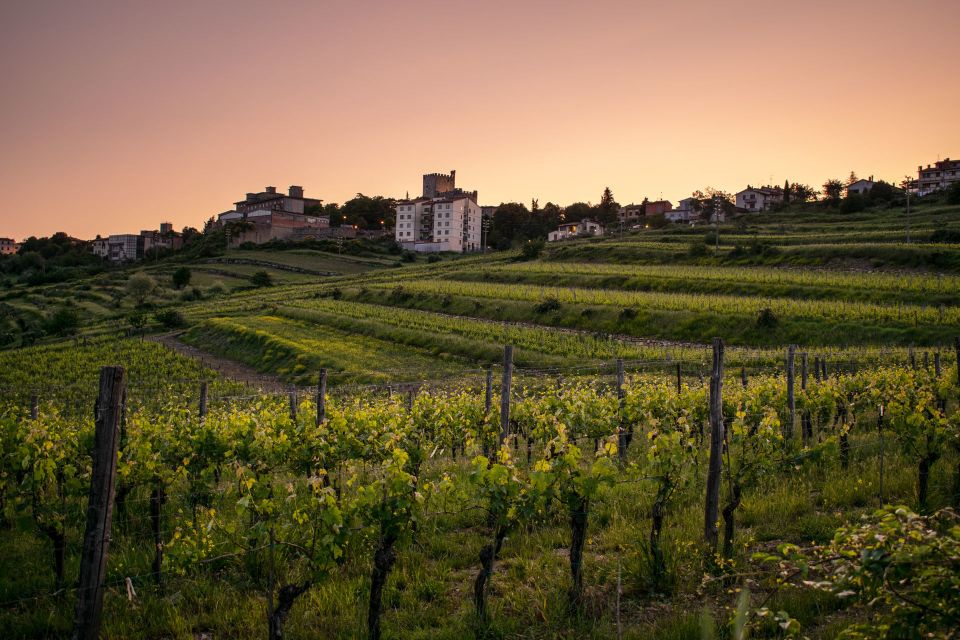
- Cassia Vetus scenic drive: long views over vineyards and olive groves, with intentional photo stops
- Greve in Chianti + Montefioralle: two village flavors, from main-street charm to 12th-century stone lanes
- Chianti Classico focus: you’ll hear about the region’s emblem, the Black Rooster, while exploring the countryside
- Estate lunch on-site: organic ingredients grown on the property, served where the wines are made
- Wine and olive oil education: tastings of 3 Chianti Classico wines plus extra-virgin olive oil, with guidance on what makes it genuine
From Piazza dei Cavalleggeri to Chianti: the Day Gets Real Fast
Your day starts in central Florence at Piazza dei Cavalleggeri, where your driver meets you with your name. From there, you head out by van with an English-speaking guide/driver, leaving the city behind quickly enough that you’ll feel the countryside shift before lunch is even on the horizon.
The best part of starting like this is that you’re not trying to coordinate multiple rides and train connections. You simply get in, you go, and the day flows from Florence viewpoints to hill towns to an actual working estate.
Also, a private or small-group setup matters here. You’ll have more room to ask questions as the route unfolds, which is where wine and food days can turn from fun into truly useful.
You can also read our reviews of more tours and experiences in Chianti Hills.

Cassia Vetus: Panoramas Along an Ancient Roman Road
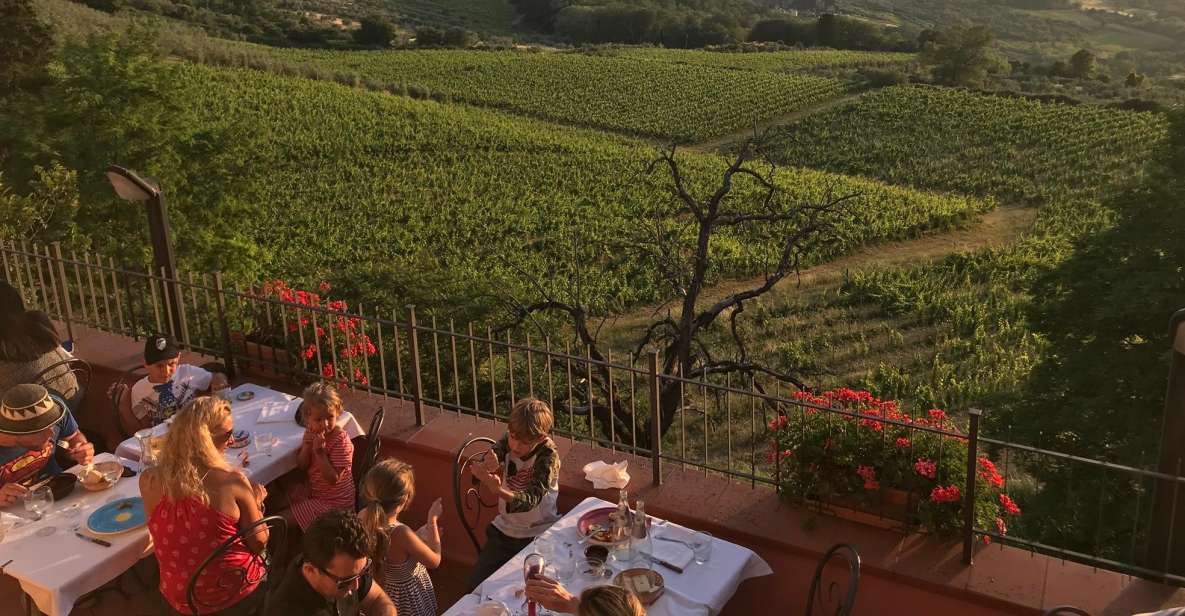
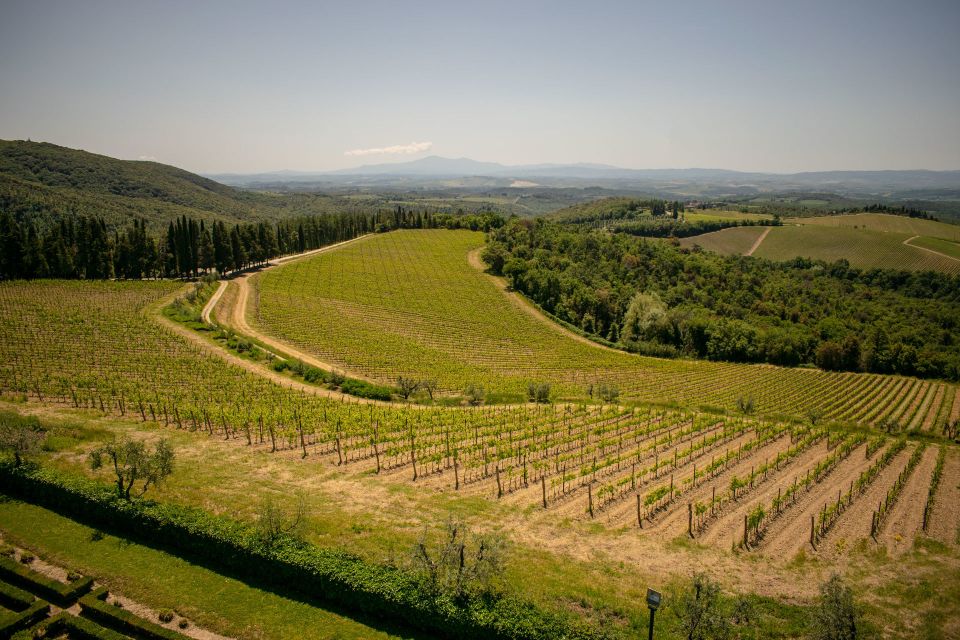
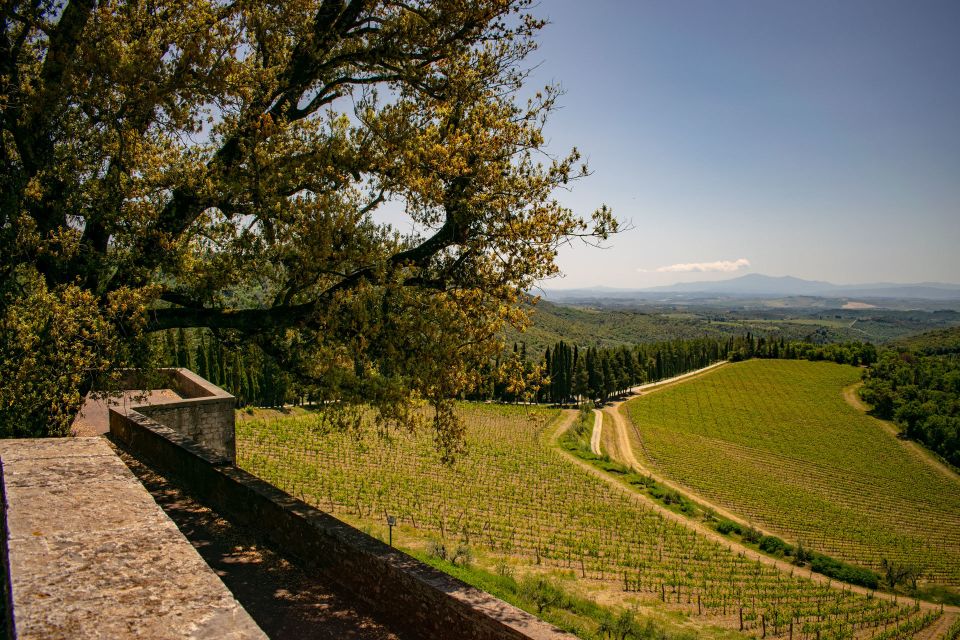
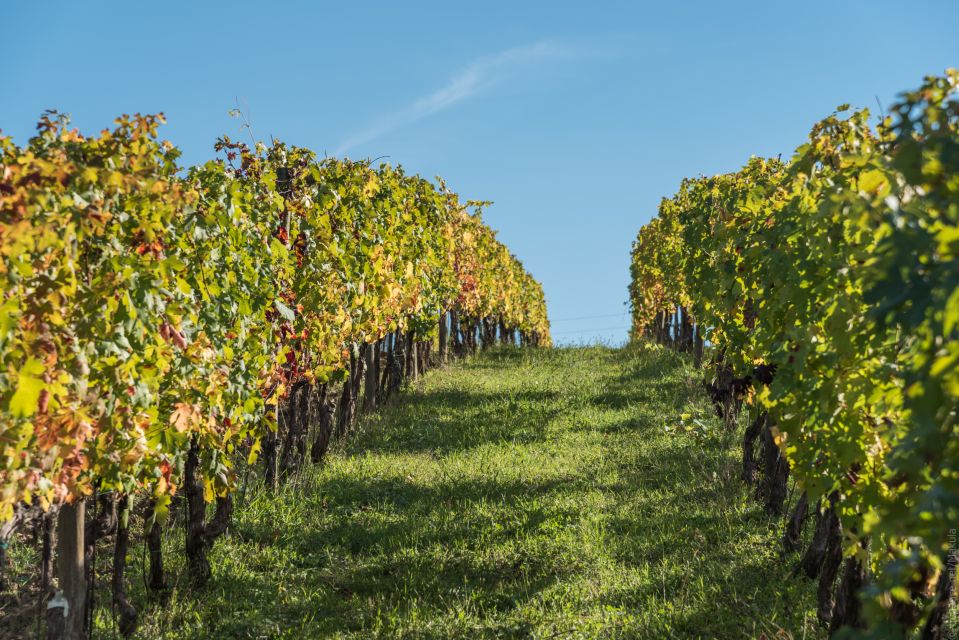
One of the tour’s smartest choices is building in time on the road. You’ll travel along the ancient Roman route Cassia Vetus, with rolling hills of vineyards and olive groves stretching out around you. These aren’t quick “look for a minute” moments; they’re part of the experience’s pacing.
There’s even a photo stop at Piazzale Michelangelo early on, which makes sense. You get those classic Florence views as a launchpad, then the scenery gradually changes from the city to the countryside.
In practical terms, this kind of drive does two things for you:
- It gives context before you start tasting, so you know what you’re looking at.
- It saves energy. You can stay seated and still feel like you’re seeing a lot.
If you’re the type who loves scenery but doesn’t want to rent a car in Italy, this road-forward format is a big win.
Greve in Chianti: Village Walking, Coffee Tasting, and Verrazzano
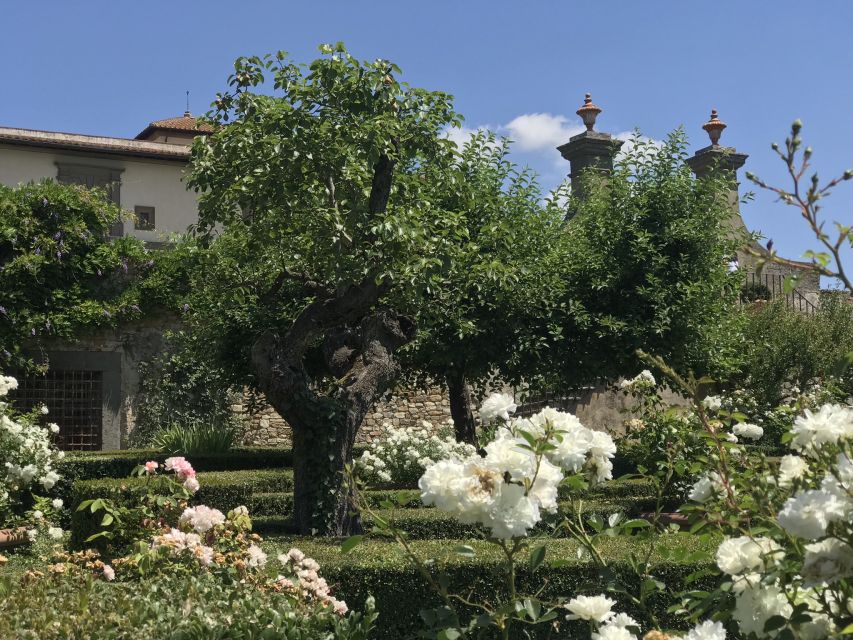
Your first major stop is Greve in Chianti, a medieval village with a walkable center and enough charm to slow you down. You’ll have time to visit, stroll, and soak up the atmosphere in the narrow lanes.
Greve also brings a history thread that’s easy to remember: it’s connected to Giovanni da Verrazzano, the Florentine explorer who discovered the Hudson Bay. It’s a nice reminder that Tuscany isn’t only vineyards and lunch—it’s also people whose stories traveled far.
A coffee tasting is built into the stop, which helps break up the driving day and keeps things grounded in everyday Italian life. You’re not just moving from viewpoint to viewpoint; you’re getting a small, local pause.
Possible downside: Greve is popular with day-trippers by nature of being in the Chianti orbit, so if you love quiet streets, aim for an early part of the stop to get your bearings.
Montefioralle: Stone Streets, 12th-Century Stillness, and the Black Rooster
Next up is Montefioralle, a hilltop hamlet known for being remarkably well-preserved. You’ll walk through stone streets and slow down as you watch the village unfold—layer by layer, not all at once.
One of the most interesting details here is that the village has been preserved since the 12th century. That’s not just a fun fact; it changes how the whole place feels. Instead of modern storefronts and renovations, you get older bones—paths, stonework, and views that seem built for lingering.
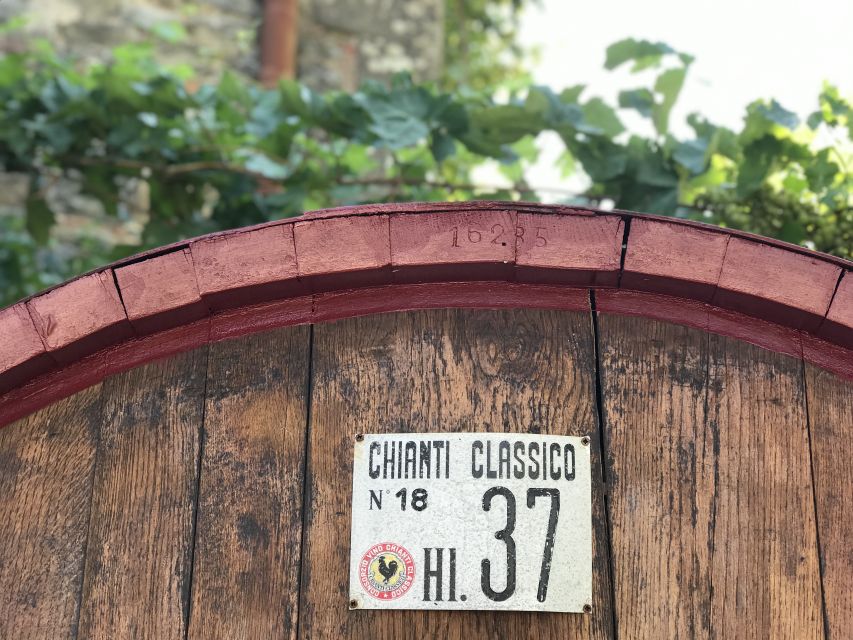
Montefioralle also comes with Chianti’s symbolic storytelling. You’ll hear anecdotes related to the Black Rooster, the emblem associated with Chianti Classico. Even if you’re not a lifelong wine student, that emblem is a handy anchor. It turns “Chianti” from a label into something with a visual identity.
The panoramic element is strong here too. You’ll get scenic views on the drive between stops, but Montefioralle is the moment where the landscape becomes a backdrop to village life—not just a view you admire from a road.
If you have mobility limitations, keep in mind that medieval lanes tend to be uneven. You’ll want comfortable shoes, especially on stone surfaces.
The Estate Experience: Medieval Cellars and Oak-Barrel Aging
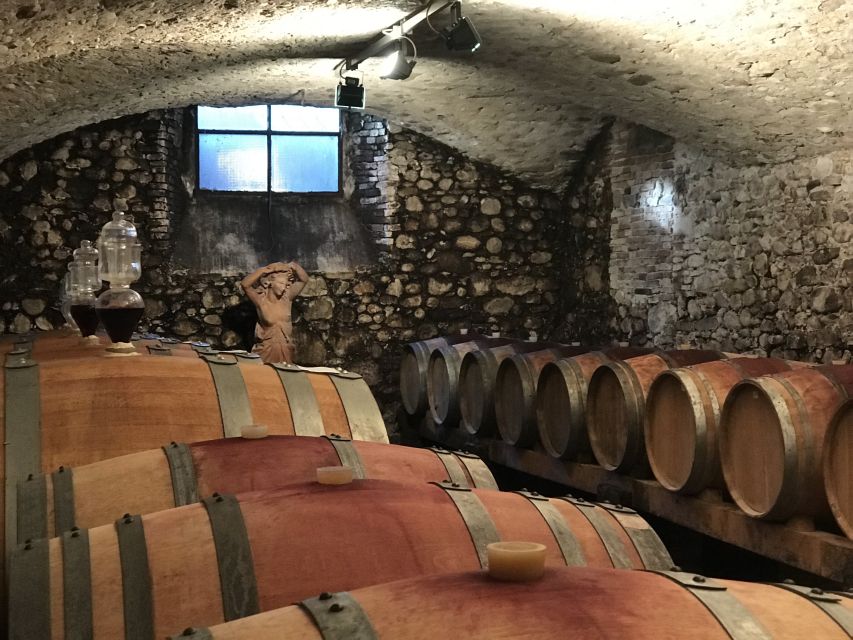
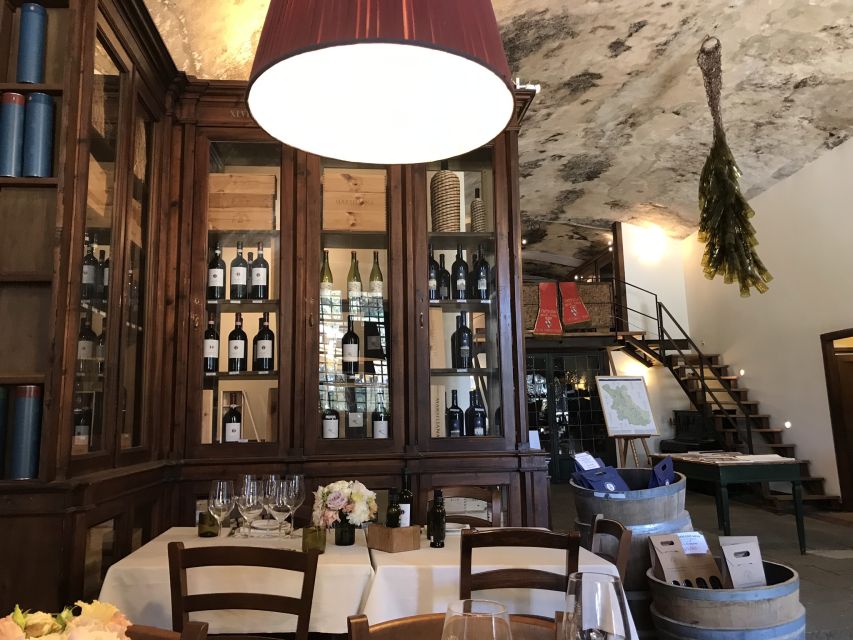
After village time, the day shifts into the wine heart of the matter. You’ll visit a genuine, family-run wine estate with medieval cellars, where traditional oak barrels are still used for aging wine.
This is one of the trip’s best value points. Instead of tasting wine in a showroom, you’re seeing the production setting. That makes the wine education more believable, and it helps you connect what’s in your glass to what’s happening behind the scenes.
The estate visit also includes time for shopping and regional food, which can be a practical add-on. If you find an olive oil or wine you genuinely like, you’ll have an easy place to buy it without hunting through shops later.
One caution: on wine days, it’s easy to overdo sampling. If you’re the designated driver back to your hotel area, make that clear early. You can still learn and enjoy the experience without turning it into a long buzz.
You can also read our reviews of more wine tours in Chianti Hills
Olive Oil Secrets: Learn What Makes Extra-Virgin Worth Paying For
Olive oil tasting often sounds simple: you taste, you like it, you buy it. This tour treats it more seriously, with dedicated time to learn about extra-virgin olive oil and how to recognize a genuine one.
You’ll explore the local secrets behind olive oil making and then do a tasting. That matters because olive oil quality isn’t only about flavor—it’s also about standards and authenticity. The guide’s job here is to help you understand what to look for and how to avoid being fooled by bland “generic” oil.
The practical payoff for you: by the end of the day, you’re not just buying a bottle because it was on a tasting list. You’ll have a clearer idea of what characteristics you should expect and what it should represent.
Also, olive oil tastes best when you’re freshly primed by the day—after village walking, countryside views, and wine talk. This route sets that up naturally.
Lunch at the Villa Estate: Organic Ingredients and Real Pairing Sense
Lunch is served on the private estate, and it’s not just a plate dropped in front of you. It’s a typical Tuscan meal prepared using organic ingredients grown on the property. That “grown there” detail makes the meal feel tied to the estate, not just catered.
You also get a structured tasting rhythm: 3 Chianti Classico wines paired with the food experience, plus your olive oil tasting. Pairing doesn’t have to mean complicated rules. Usually, it means you taste enough to notice how styles and flavors work with what’s on your plate.
Here’s what you should watch for during the lunch:
- Which wine you enjoy most on its own.
- Which wine works best once the meal starts.
- Whether the olive oil changes how bread, vegetables, or simple dishes taste.
This is the kind of day where education sticks because it’s paired with eating, not dumped as facts.
One more practical note: the tour is designed as a 6-hour block, so lunch is part of the schedule, not a casual “whenever.” If you’re hungry, plan to be ready when they seat you.
Price and What You’re Paying For at About $248
At $248.09 per person for a 6-hour private day trip, you’re paying for more than wine. You’re buying:
- Private transfer from Florence with an English-speaking driver/guide
- Scenic stops along the route (including planned photo/view moments)
- Two village visits (Greve in Chianti and Montefioralle)
- A proper on-site lunch at the estate
- Tastings of 3 Chianti Classico wines plus extra-virgin olive oil
Is it cheaper than DIY? Usually, no. But it’s often better value than people expect because you’re not paying for time lost. You avoid driving stress, parking, route planning, and the guesswork of finding a quality estate that actually explains what you’re tasting.
If you’re traveling as a couple or in a small group, the private-transfer piece can feel especially worth it. For solo travelers, it can still be a good deal if you care about the food-and-wine education and want a guided day rather than a self-directed hopping route.
Who This Chianti Day Trip Suits Best
This tour fits you if you want a wine day with a real Tuscan tempo. You’ll likely enjoy it most if you:
- Love Chianti and want to learn what makes Chianti Classico meaningful
- Appreciate olive oil education, not just casual tastings
- Want a day outside Florence without the stress of renting a car
- Prefer guided, structured stops rather than trying to coordinate everything yourself
It might be less ideal if you’re hoping for a slow, long wandering day with minimal driving. There’s walking in hill towns and enough schedule to feel like a guided excursion, even though it’s private/small-group.
If you get the chance to match with a guide—names like Gianni or Mr Paolini show up for this experience—you’ll benefit from their ability to connect wine talk with local stories and practical explanations.
Quick Booking Checklist: Make It Go Smoothly
Before you go, do two small things:
- Tell the provider about any dietary needs or restrictions in advance.
- Wear comfortable shoes for stone village streets.
If you’re bringing family or friends with different interests, this route can still work. It balances scenery, village wandering, and tastings. No one gets stuck in only wine talk or only photo stops.
One last note: pets aren’t allowed, so plan accordingly if that affects your group.
Should You Book This Florence to Chianti Private Day Trip?
I’d book it if you want a classic Chianti day that’s organized, scenic, and tied to tasting real food in the place it comes from. The estate lunch with organic ingredients, the three Chianti Classico tastings, and the dedicated olive oil education are the kind of combo that makes the price feel earned.
Skip it only if you dislike scheduled pacing or know you’ll struggle with walking on uneven stone paths in medieval villages. If neither is a problem, this is a strong way to experience Tuscany with both context and taste.
FAQ
How long is the Florence to Chianti day trip?
It lasts 6 hours.
Where does the tour start in Florence?
The meeting point is Piazza dei Cavalleggeri.
Do you provide hotel pickup and drop-off?
No. Hotel pickup and drop-off are not included.
What language is the guide?
The tour is guided in English.
Is lunch included?
Yes. You’ll have a typical Tuscan light lunch as part of the estate experience.
What wine and food tastings are included?
You’ll taste 3 top Chianti Classico wines and also taste extra-virgin olive oil.
Will I visit both Greve in Chianti and Montefioralle?
Yes. You’ll visit Greve in Chianti and then Montefioralle for walking and scenic views.
Is this tour private or small group?
The experience is offered as private or small groups.
Are pets allowed?
No, pets are not allowed.
What should I do if I have dietary restrictions?
Inform the provider of any special dietary requests or restrictions in advance.
Is free cancellation available?
Yes. You can cancel up to 24 hours in advance for a full refund.